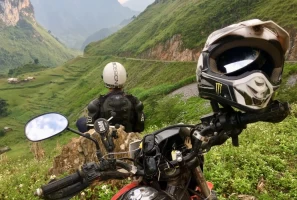
You’ve been riding motorbikes for years, comfortable with clear rules, predictable roads, and traffic systems that make sense. Yet the moment you join Vietnam motorbike tours, that confidence often fades quickly. Dense traffic, unpredictable flow, and nonstop micro-situations force you to stay hyper-alert, slow your reactions, and quietly question your own abilities.
This is a shared experience among many international riders entering the world of Frontier Travel Vietnam—where riding is no longer just about technique, but about adapting to a unique environment, culture, and traffic “flow.” If you’re wondering why skills that worked perfectly at home suddenly feel ineffective, rest assured: the problem isn’t your riding ability—it’s the radically different context you’re riding in.
.jpg)
Riding Well at Home Doesn’t Mean Riding Well in Vietnam
Being a competent rider in your home country doesn’t automatically translate to safety or confidence on Vietnamese roads. The key difference lies between technical skills and adaptive skills.
1. Technical Skills vs. Adaptive Skills
Technical skills include braking, cornering, clutch control, and smooth gear changes. In most Western countries, these skills operate within fixed systems: lanes, signage, and predictable behavior.
.jpg)
Motorbike touring through foggy mountain passes
Adaptive skills, however, are about reading chaos. In Vietnam, riders face situations rarely covered in textbooks—wrong-way traffic, animals crossing the road, or trucks cutting corners on mountain passes like Hai Van Pass.
2. Why Even Experienced Riders Struggle
Veteran riders often rely on “rule-based reflexes.” In Vietnam, rules are flexible at best.
- Terrain pressure: Routes like the Ha Giang Loop and the Four Great Mountain Passes of Vietnam demand extreme focus due to poor surfaces, landslides, and dense fog.
- False confidence: Handling a manual bike on a 15% incline in Ha Giang is very different from cruising on a flat highway back home.
→ Read more Vietnam Travel Guide 2026: Geography And Climate Of Vietnam
Vietnam Traffic Is Not Rule-Based — It’s Flow-Based
Vietnamese traffic doesn’t behave like a programmed system. It behaves like a living organism. Survival depends on understanding one truth: traffic here runs on flow, not absolute rules.
1. The Flow-Based Mindset
In the West, right of way is fixed. In Vietnam, right of way belongs to whoever has already entered the flow. Abrupt stops often create danger. Local riders slow down, weave slightly, and maintain continuous movement to keep traffic alive.
.jpg)
Motorbike rider maintaining balance and confidence on a challenging Vietnamese road
2. Three Unwritten Rules of the Flow
To avoid becoming an obstacle, you must master three local communication tools:
- Eye contact: Locking eyes with another rider is a silent agreement. If they slow slightly, you’re cleared to move.
- The language of the horn: Horns are not aggression—they mean “I’m here.” Short beeps on blind corners in places like the Ha Giang Loop are essential.
- Using gaps: Vietnamese traffic behaves like liquid—it fills space instantly. Leave too much room, and someone will take it. Move slowly but decisively to hold your position.
3. Expert Advice
If the chaos feels overwhelming, follow a local tour guide. They read rhythm instinctively and help you learn the flow before you face it alone.
→ Explore more Why Vietnam Motorcycle Tours Are Not For Everyone
Road Conditions You’ve Never Trained For
Even with an international license or big-bike experience, Vietnam’s roads in 2026 present challenges no riding school truly prepares you for.
1. Unpredictable Local Surfaces
On long motorcycle tours across Vietnam, expect:
- Potholes and loose gravel: Especially near construction zones or rural roads, sand can instantly remove traction.
- Living obstacles: Buffalo, cows, pigs, and dogs roam freely and move unpredictably.
.jpg)
Rural Vietnamese road with loose gravel illustrating unpredictable riding conditions
2. Mountain Passes & Weather Extremes
Routes like the Ha Giang Loop and the Four Great Mountain Passes offer breathtaking views—and serious risk.
- Tight hairpins: Require low-gear control and engine braking.
- Rain and fog: In rainy seasons, visibility can drop below 2 meters. Oil residue makes wet asphalt dangerously slick.
3. Tour Guide Experience
Professional guides recommend:
- Always check weather before climbing passes.
- Double your normal following distance on rural roads.
- In heavy fog on Hai Van Pass, follow tail lights slowly—or stop and wait.
Mental readiness for the unpredictable is the most critical skill of all.
→ Read more Vietnam Motorbike Tour Guide: How To Choose A Great Guide Tour
Mental Pressure Kills Your Riding Skills
1. The Overthinking Trap
On routes like the Ha Giang Loop, focusing too much on every pothole or truck overloads your brain, delaying natural reactions.
Advice: Observe broadly. Trust instincts over micro-analysis.
.jpg)
Riders taking a break during a long-distance Vietnam motorbike tour
2. Fear vs. Confidence
Fear triggers cortisol, causing hesitation or panic braking. Confidence—without arrogance—allows decisive movement. In Vietnam, hesitation is often more dangerous than action.
3. Riding Tense vs. Riding Relaxed
- Tense riding: Gripping handlebars tightly transfers road vibration directly into your body, increasing fatigue.
- Relaxed riding: Loose shoulders and elbows let the bike stabilize itself—this is how experienced guides ride long days safely.
→ Explore more What People Expect Vs Reality On Vietnam Motorbike Tours
Why Vietnam Motorbike Tours Expose Weaknesses Faster
1. Constant Terrain Changes
A single day may include highways, dirt, gravel, and mountain roads—instantly revealing weak adaptability.
2. Group Speed Pressure
Riders often push beyond comfort to keep up, leading to unsafe cornering or braking errors.
.jpg)
Rider descending pass while maintaining control on wet asphalt
3. Tight Schedules & Fatigue
Six to eight hours per day through mountain passes erodes judgment and brings out bad habits like target fixation.
4. The Guide’s Role
A good guide doesn’t just lead—they observe. They correct poor posture, braking mistakes, and unsafe habits in real time.
→ Conquer 7 Days Ha Giang Loop Itinerary: Ultimate Northern Vietnam Adventure
Key Takeaways Before You Fix Anything
1. You’re Not a Bad Rider—the Reference System Changed
You’re learning a new traffic language, not relearning how to ride.
2. Safety Comes from Integration
Blending into the flow is often safer than rigidly following rules alone.
3. Let Experts Support You
Local guides act as translators of traffic logic, accelerating learning and confidence.
→ More Than Just A Ride: The Emotional Journey Of Vietnam Motorbike Tours (2026)
Conclusion
Riding in Vietnam is an art of flexibility. Once you let go of the need to “ride the Western way” and learn to read traffic flow, terrain, and human behavior, the roads shift from intimidating to exhilarating. With the right mindset, Vietnam motorbike tours become one of the most rewarding riding experiences in the world.
That’s where choosing the right tour matters. Frontier Travel Vietnam offers a wide range of guided on-road, off-road, and mixed motorcycle tours, designed for different riding styles and experience levels. With local guides, flexible pacing, and carefully selected routes, riders can adapt, build confidence, and experience Vietnam naturally—both on and off the beaten path.
FAQs
1. Do I need advanced riding skills to join Vietnam motorbike tours?
No. Solid fundamentals are enough—adaptability matters more than advanced technique.
2. Why does Vietnamese traffic feel so chaotic?
It follows flow-based logic rather than strict rule enforcement.
3. Is riding in Vietnam dangerous for foreigners?
It can be if you don’t adapt. With guidance and the right mindset, it’s manageable and safe.
4. Are guided tours better for first-time riders in Vietnam?
Yes. Guides reduce stress, manage flow, and correct mistakes early.
5. What is the hardest challenge for foreign riders?
Mental pressure and overthinking—not road difficulty.
6. Will my confidence improve over time?
Absolutely. Most riders feel a major shift after just a few days of adaptation.
- What is the difference between on-road and off-road Vietnam motorbike tours?
On-road tours focus mainly on paved roads, mountain passes, and scenic highways, making them ideal for riders who prefer smooth asphalt and long-distance cruising. Off-road tours include dirt tracks, rocky paths, river crossings, and rural trails, requiring more technical control and adaptability.
8. Are on-road motorbike tours suitable for intermediate riders?
Yes. Most on-road Vietnam motorbike tours are suitable for riders with basic to intermediate experience, as long as they are comfortable riding for several hours per day and adapting to local traffic flow.