Long motorcycle rides are a challenge for both skill and endurance. Staying alert and keeping your body energized is key to conquering every road safely and fully. Here are 9 motorcycle safety tips to help you ride effectively and safely on long trips.
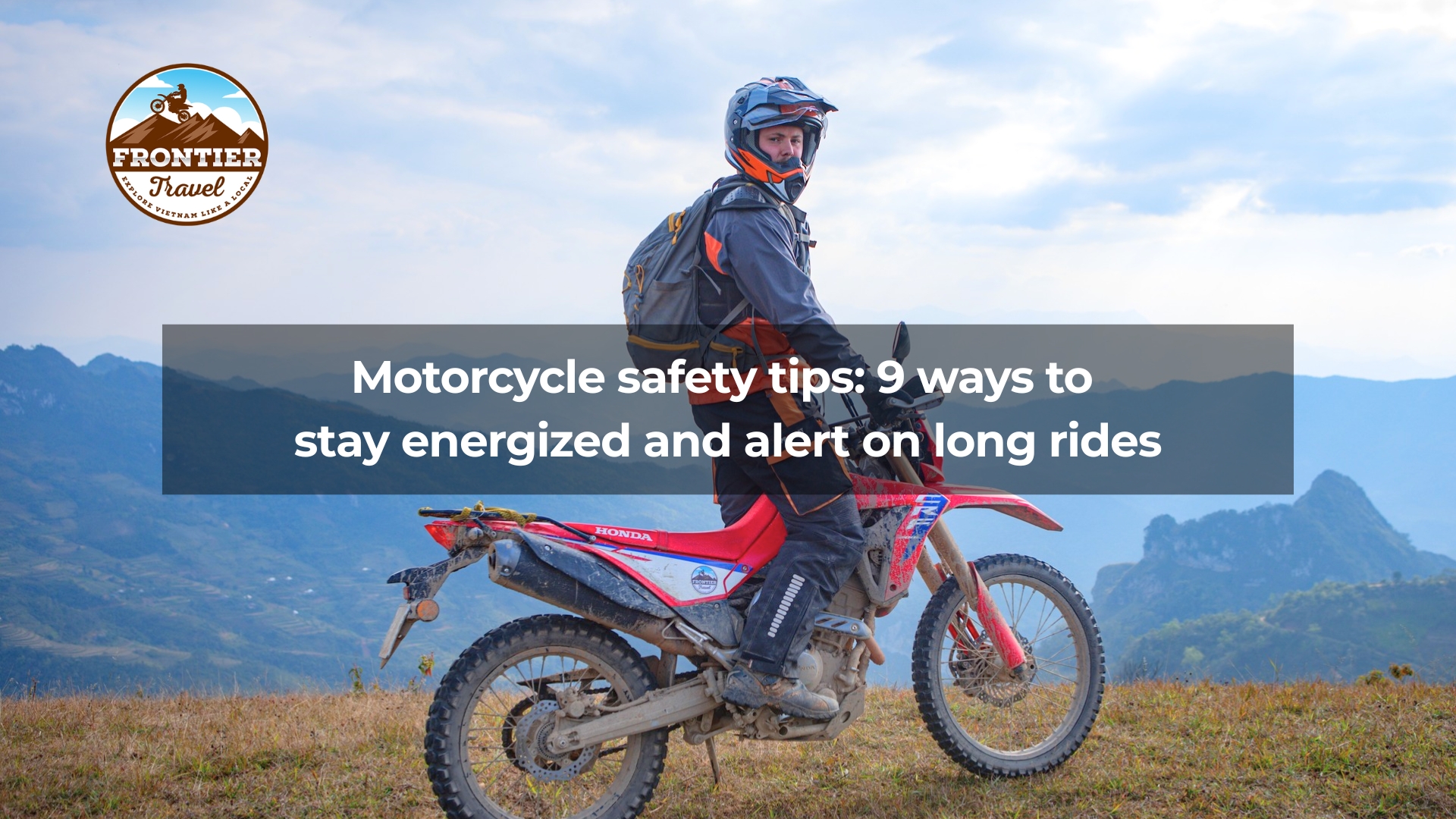
1. Check the tour rest stops before your trip
Before hitting the road, take some time to review the route is an important step for a safe and enjoyable motorcycle tour. Here’s what to do:
Contact the tour provider to get details about rest stops, break times, available facilities, and support services along the way.
Understand the distance between stops to ensure it matches your fitness and endurance, so you’re prepared for each leg of the ride.
Take note of key rest points and plan what to bring (water, light snacks, or other essentials) for each stage.
Inform the tour provider about your physical condition or any special needs, so they can adjust break durations or provide support where possible.
2. Get enough sleep to stay alert
Getting sufficient and quality sleep is an important motorcycle safety tip to ensure you stay alert and safe on the road.
Sleep 7–8 hours the night before your trip to allow your body to rest fully.
Avoid staying up late or getting too little sleep the day before, as sleep deprivation reduces focus and reaction time.
Create a comfortable sleep environment: keep the room dark, maintain a suitable temperature, and avoid electronic devices before bedtime.
- Maintain a regular sleep schedule in the days leading up to your trip so your body can adapt and you wake up refreshed.
3. Build physical fitness before departure
Before starting a long motorcycle ride, physical training is extremely important to maintain endurance, alertness and quick reflexes on the road.
Recommended training schedule:
Begin training at least 2–4 weeks before the trip
- Each session should last about 30–60 minutes, enough for the body to adapt without overfatigue.
Effective training methods:
Light cardio: Running, cycling, or jumping rope helps improve cardiovascular endurance and overall stamina.
Back and core exercises: Planks, sit-ups, and push-ups strengthen the core, supporting balance and proper riding posture during long hours on the bike.
Stretching: Regularly stretch the legs, back, and shoulders to reduce muscle fatigue and enhance reflexes for handling unexpected situations on the road.
4. Maintain a proper and comfortable riding posture
Sitting in the correct posture helps your body stay relaxed and improves blood circulation, which in turn enhances focus and reaction speed. Following these safety tips for riding a motorcycle can make long rides safer and more comfortable.
Knee and hip position: Keep your knees slightly bent, not fully extended. Lightly press your knees against the fuel tank (for manual/gear bikes) or the footrest area (for automatic scooters) to control the bike with your lower body. This reduces pressure on your hands and shoulders when cornering or braking suddenly.
Feet and foot placement: Place your heels on the footpegs, with only the toes or the front half of your foot touching the gear lever and rear brake. This position allows for quicker reactions when shifting gears or braking.
Back and center of gravity: Sit with a natural straight back, avoiding slouching or excessive arching, with your weight centered on your hips.
Adjustments on long rides: Occasionally shift your seating position (slightly up or down) to prevent stiffness in the body.
Techniques on mountain roads and sharp turns: Lean your upper body and head slightly forward, keeping your eyes focused on the apex of the turn. Use your legs to grip the bike, which improves visibility, makes it easier to shift your center of gravity, and allows faster reactions when cornering.
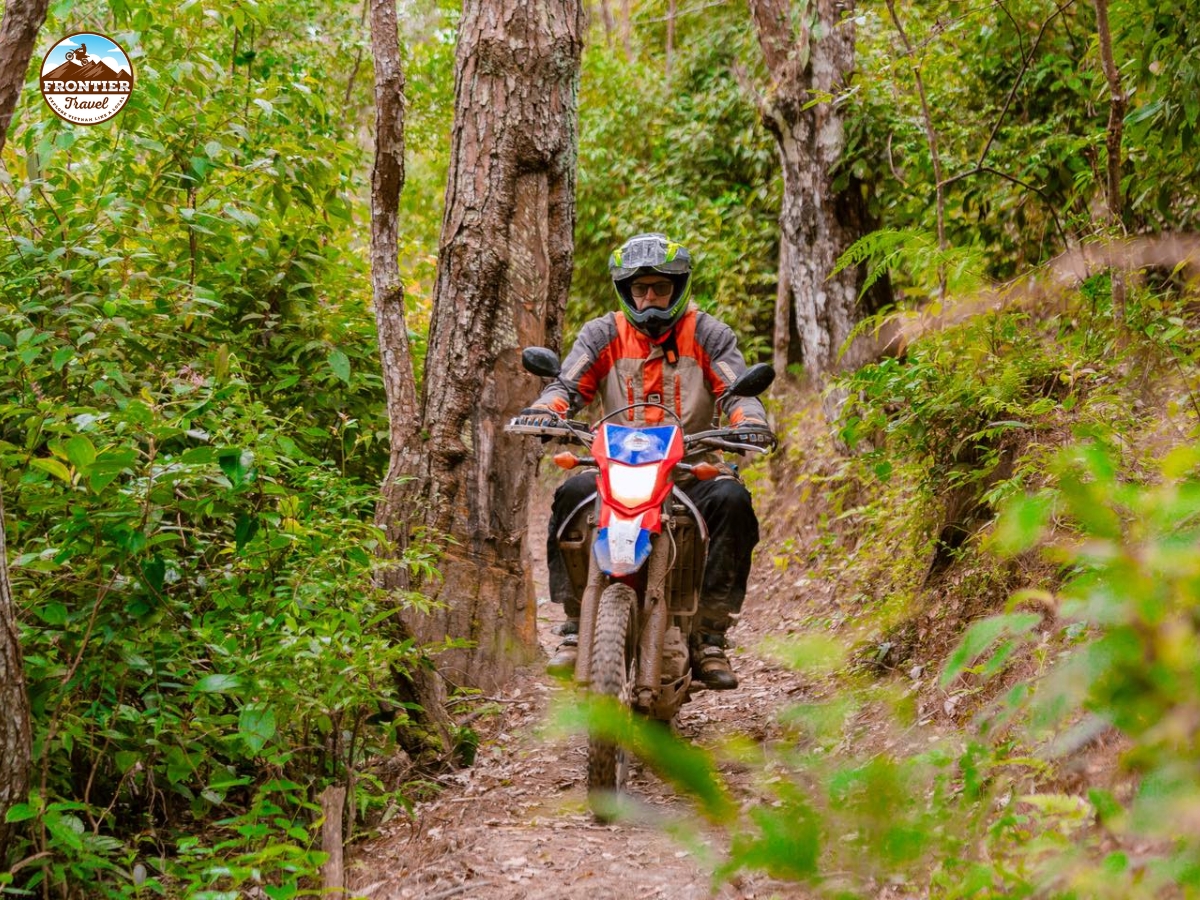
Keep your upper body loose to stay focused and in control on the road.
Note: Always make sure your hands, shoulders, and neck are not tense; keeping your upper body relaxed helps you handle unexpected situations more effectively. If you start feeling too tired, inform your tour guide so the group can stop for a timely break and avoid riding while unfocused.
>>> See more: Motorbike safety tips for navigating bad weather in Northern Vietnam
5. Choose the right helmet and protective gear
Choosing proper protective gear not only keeps you safe in an accident but also reduces distractions from wind, noise, sun or cold. This is especially important for riding motorbike in Vietnam, where weather and road conditions can change quickly.
Helmet: Full-face (best for long rides, reduces noise, provides full protection) or Modular (more flexible but heavier and less soundproof). The visor should be clear, scratch-resistant, and anti-fog; sunglasses or built-in sun visors help reduce glare.
Jacket and Pants: Should have CE-standard armor, adjustable ventilation, and reflective details.
Gloves: Well-fitted, with knuckle protection; use breathable gloves for hot weather and insulated/waterproof gloves for cold or rainy conditions.
- Shoes: Protect the ankles, sturdy, and support precise braking/shifting and stable foot placement.
6. Drink water properly while riding
One of the key motorbike safety tips is to stay properly hydrated during a motorcycle trip. Dehydration is a major cause of fatigue, headaches and reduced concentration while riding. Therefore, you should drink water regularly throughout the journey to help maintain alertness.
Don’t wait until you feel thirsty, as thirst is already a sign of dehydration. Take small sips throughout the ride to keep your hydration levels stable.
Instead of drinking a large amount at once, spread your water intake into small sips for better absorption and to avoid feeling bloated.
Water is the best option. Avoid sugary or alcoholic drinks, as they can increase dehydration.
On long trips, in hot weather or when sweating heavily, drink electrolyte solutions to replace lost minerals, helping maintain energy and reaction time.
Coffee or tea can help increase alertness, but avoid excessive intake. Caffeine provides a temporary boost but is also a diuretic, which can cause faster dehydration and lead to an energy crash.
7. Snack to maintain energy on the road
The goal of eating light snacks while riding is to maintain stable blood sugar levels. Avoid overeating, which can cause drowsiness, and avoid going too long without food, which can lead to fatigue, shaky hands and feet and reduced concentration.
Prioritize foods that provide complex carbohydrates and healthy fiber/fats, such as fruits, granola/oat bars, nuts, and savory crackers.
Limit foods like sugary drinks, fried foods, and fast food, as they slow digestion and force your body to divert blood and energy to the digestive system, causing drowsiness.
8. Light exercise during breaks
Sitting continuously on a motorcycle for several hours can reduce blood circulation, cause muscle stiffness, and make the mind feel fatigued and sluggish. Performing light exercises can improve blood flow, relieve muscle tension and help you stay alert.
Here are some suggested light exercises to do during breaks to maintain alertness and reduce stiffness:
Stretch your neck and shoulders
Rotate your arms and wrists
Stretch your legs and ankles
Bend and stretch your body
- If time allows, take a short walk around the rest area to get your body moving.
9. Limit phone use during breaks
While riding, your eyes stay focused on distant objects for extended periods. A key point in motorcycle safety tips for drivers is to minimize phone use during rest stops. Looking at a phone screen forces your eyes to adjust rapidly from far to near vision, causing faster eye strain, reducing visual sharpness and slowing reaction times.
Only use your phone for essential purposes such as checking your route, sending quick messages or taking photos as memories.
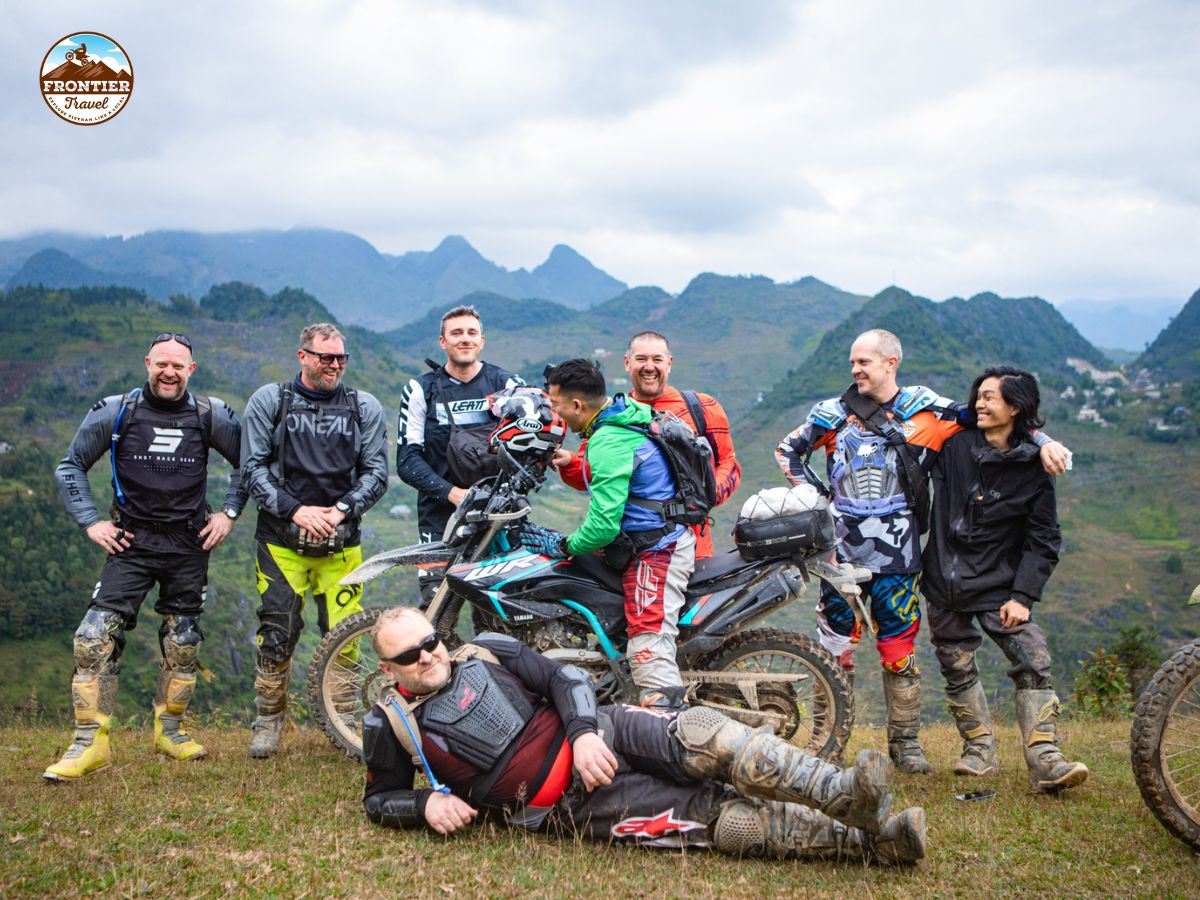
Instead of staying on your phone, connect and take photos with others to stay relaxed and alert.
Long motorcycle rides are always full of challenges and risks, but following these motorcycle safety tips will help you handle them more easily. Wishing you safe journeys, full of energy, and unforgettable experiences on every road.
>>> See more: The ultimate Vietnam motorbike tour guide for beginners
FAQs
1. Why is it necessary to check rest stops before the trip?
To ensure your fitness matches the distance and to know the available facilities and support services.
2. How many hours of sleep are needed for safety before a trip?
Get a full 7-8 hours of sleep to ensure optimal alertness and reaction time.
3. How long before the trip should I start physical training?
Start at least 2–4 weeks before the journey.
4. How does the correct riding posture help on long rides?
It keeps the body relaxed, improves blood circulation, and enhances focus and reaction speed.
5. What type of helmet should I choose for a long ride?
A full-face helmet (best for noise reduction and full protection) or a modular one (more flexible).
6. What kind of light snacks should be prioritized to maintain energy?
Foods with complex carbohydrates, healthy fiber/fats (fruits, nuts, granola bars).
7. What activity helps relieve stiffness during breaks?
Do light exercises (stretching the neck, shoulders, legs, or walking briefly).
8. Why should phone use be limited during breaks?
To prevent eye strain caused by rapid adjustment from far to near vision.