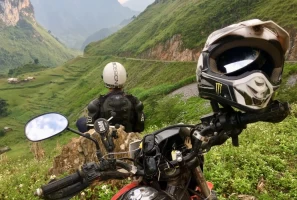
Conquering the mountain peaks of Northern Vietnam by motorbike offers a unique chance to experience freedom and breathtaking landscapes unlike anywhere else. However, heavy rain and dense fog can quickly turn the roads into a challenge, requiring skill and careful preparation from every rider. The following motorbike safety tips will help you stay safe while fully enjoying this thrilling adventure.
.jpg)
1. Weather characteristics of Northern Vietnam
The climate of Northern Vietnam is characterized by a tropical monsoon pattern, with four distinct seasons: Spring, Summer, Autumn and Winter. Here is a quick overview of the four-season climate characteristics of Northern Vietnam.
Season | Weather Characteristics | Average Temperature |
Winter (Dec - Feb) | Cold and dry (especially mid-winter). Severe cold is common in high mountainous areas, possibly featuring ice, frost and rime. | From 10°C - 15°C |
Spring (Feb - Apr) | Cold, humid and persistent drizzle. Very high humidity causes the "Nồm" phenomenon (moisture condensation on surfaces). | From 18°C - 23°C |
Summer (May - Aug) | Intense heat, sweltering weather. Frequent heavy rain, showers and thunderstorms. | From 28°C - 33°C (sometimes exceeding 35 °C) |
Summer (May - Aug) | Pleasant, cool weather with clear skies and dryness. | From 23°C - 27°C |
2. Signs of bad weather that require special attention
The climate in Northern Vietnam is often unpredictable and changes rapidly. When riding motorbike in Vietnam, travelers may encounter various extreme weather conditions.
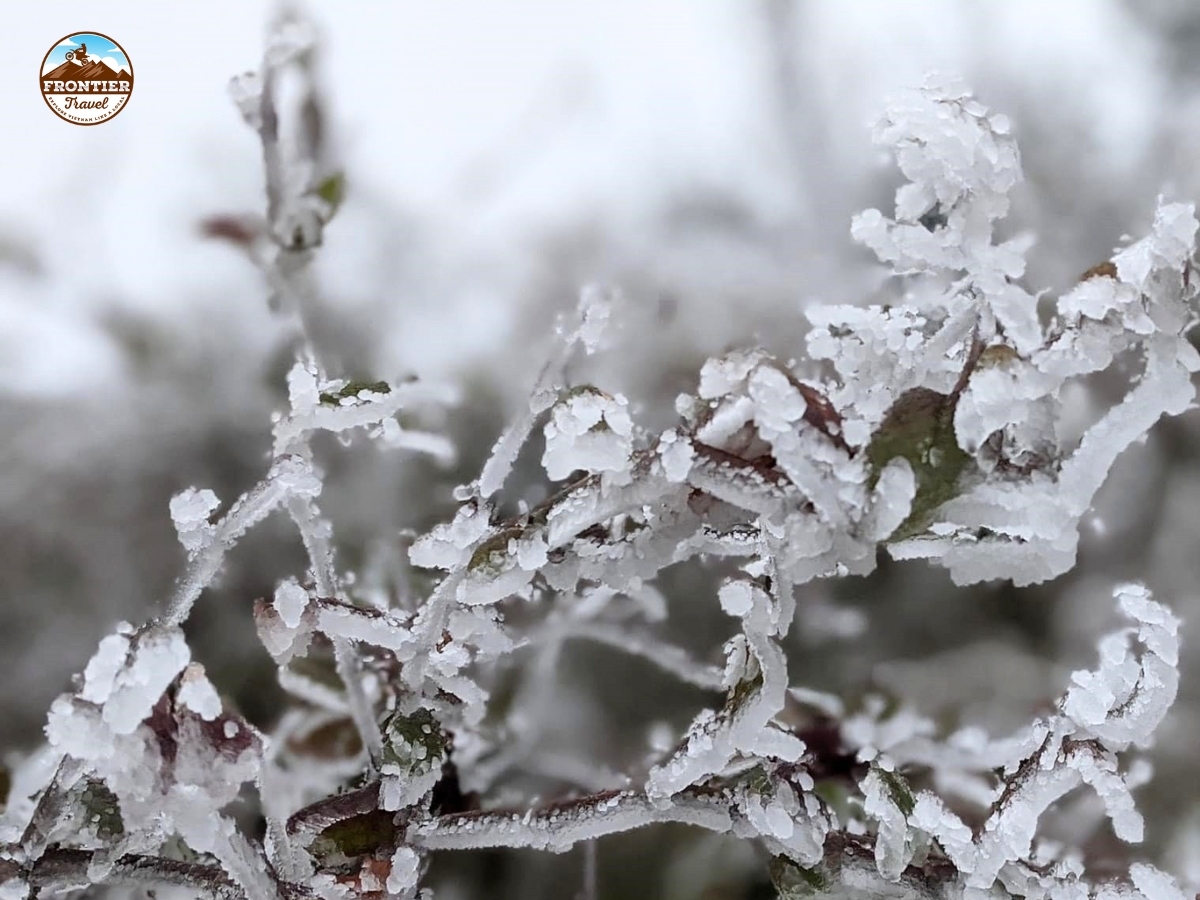
Frost and snow often appear in the high mountainous regions of northern Vietnam during periods of severe cold
Below are some adverse weather conditions you may encounter:
Sudden showers: Dark clouds can appear quickly, bringing sudden rain and strong gusts of wind, sometimes with lightning and thunder, making roads slippery.
Thunderstorms /Tornadoes: Often occur unexpectedly, producing strong gusts that can destabilize vehicles.
Dense fog: Not an extreme temperature phenomenon, but extremely dangerous as it reduces visibility on mountain passes, leading to traffic accidents.
Landslides or small rockfalls: High risk of fatal accidents. Prolonged heavy rain can trigger landslides and falling rocks on mountain roads.
Storms and tropical depressions: Bring widespread heavy rain and high winds, causing fallen trees, severe traffic disruption and increased risk of landslides.
Ice and snow/ Slippery icy roads: Mainly occur in high mountain areas, making the roads extremely slippery and dangerous. Motorcycles or cars can easily lose control, especially on sharp curves or steep slopes.
>>> You might also like this: The ultimate Vietnam motorbike tour guide for beginners
3. Risks of riding in bad weather
When riding in bad weather, riders should be aware of potential hazards and their risks. The table below summarizes common situations, consequences and danger levels.
Phenomenon | Consequences | Severity level (Risk) |
Sudden showers | - Sudden slippery roads can cause wheels to skid, especially when cornering or braking abruptly. - Heavy rain and strong winds reduce visibility, making it difficult to see clearly. - Riders can get wet and are at risk of hypothermia or thermal shock if not properly equipped with protective gear. | Medium - High |
Thunderstorms/Tornadoes | - Strong gusts of wind can push the handlebars off course or even throw the rider off the bike, which is especially dangerous on bridges or open roads. - There is a risk of lightning strikes, so riders should seek shelter immediately and avoid standing near metal objects or tall trees. | High |
Dense fog | - Visibility is reduced to dangerous levels, increasing the risk of colliding with oncoming vehicles or obstacles. - It becomes difficult to follow road markings, raising the risk of falling into ravines or crashing into cliffs. | High (Especially on mountain passes) |
Landslides or small rockfalls | - Falling rocks or landslides can hit the rider or the bike, causing serious injury or death. - Debris can block the road, disrupting the journey and forcing riders to turn back or wait for assistance. | Extremely high |
Storms and tropical depressions | - Fallen trees, toppled power poles or floods can isolate riders. - Localized floods or rising streams can sweep away both riders and their bikes. | Extremely high |
4. Motorbike safety tips for bad weather conditions
Before heading out in challenging weather, it is essential for riders to be fully prepared and aware of potential hazards. The following motorcycle safety tips for drivers cover essential gear, technical checks, riding techniques and emergency handling to ensure a safer journey.

The moment of riding through a muddy, slippery road section
4.1. Preparation before hitting the road
In bad weather, riders need to prepare specialized equipment to ensure safety and maintain control on the road. Here are the details:
Essential protective gear
Raincoat: It is recommended to use a full rain suit instead of a poncho, as it provides full-body coverage, protects your luggage and prevents flaps from getting caught in the wheels. Prefer bright-colored or reflective raincoats to increase visibility.
Warm clothing: Bring waterproof and thermal gloves, along with wool socks, to keep your hands and feet warm, maintaining flexibility while riding.
Cleaning cloths or anti-fog/water stickers: Use them to keep your helmet visor clear and maintain good visibility in rain or fog.
- Helmet and visor: Protect your head, shield against cold wind and rain and ensure a clear line of sight for safe riding.
Technical motorcycle check before starting your trip
Tires: Ensure the tire pressure is correct, neither too hard nor too soft. Check the tread depth and avoid tires that are worn, cracked or damaged.
Brakes: Both the front and rear brakes must be responsive and stable. For disc brakes, check the brake fluid level.
Lighting system: Make sure the headlight, tail light and turn signals are working properly. Clean the lights to improve visibility.
Engine oil and fluids: Check the engine oil and coolant levels. Make sure the chain is well lubricated for smooth performance.
Horn and controls: The horn should be loud and clear. The throttle, clutch and brake controls must operate smoothly without sticking.
- Suspension: Inspect the suspension for oil leaks and ensure it provides proper support and stability.
4.2. Safe riding techniques in bad weather and conditions
Riding in heavy rain and slippery conditions requires extra caution. The following safety tips for riding a motorcycle can help you maintain control and reduce the risk of accidents.
Riding in heavy rain and slippery conditions
Maintain a slow speed to increase your reaction time.
Use both the front and rear brakes; apply the brakes gently and firmly with a squeeze-and-release technique.
Avoid hard braking or sudden stops, as these can cause the wheels to slip and lead to a fall.
Do not brake, disengage the clutch, or shift gears while in the middle of a corner.
Slow down early before entering a corner using engine braking combined with light braking.
Keep the throttle steady and maintain minimal lean angle when cornering.
Stay in the center of the lane, where the road surface is usually cleaner and provides better traction.
Avoid the road edges, which may have moss, mud or pooled water.
When riding through ruts or muddy sections, keep the handlebars straight, maintain steady throttle and use centrifugal force to help keep balance.
Riding in dense fog
Turn on the low beam headlights, aimed close to the ground, to see the road directly ahead.
Never use high beams, as the strong light will reflect off the fog particles, creating a “white wall” that severely reduces visibility.
Reduce speed to the lowest safe level, especially when approaching corners.
Pay attention to surrounding sounds, such as other vehicles’ engines, horns or echoes from cliffs, to anticipate situations.
Maintain a large distance from the vehicle ahead, even when following it for guidance.
Try to follow the right lane markings or road edges to stay within your lane.
Use short, decisive horn signals before blind corners or when entering areas of dense fog to alert oncoming vehicles.
In case of extremely dense fog, when visibility is severely limited, you should find a safe place to stop and wait until the fog clears before continuing your journey.
Driving in landslide areas
Always observe the surrounding terrain to identify cracks, fallen rocks, or loose soil, and decide whether to proceed or stop.
If the landslide is small (loose rocks or light soil) and the section is short, accelerate decisively to quickly pass the hazardous area, then find a safe place to stop.
When a landslide has occurred and blocks the road, never attempt to clear large rocks yourself or drive over dangerous debris.
- If you encounter danger, turn back to find an alternative route or wait for rescue at a completely safe location.
>>> Explore more: How to choose the best motorbike for traveling in Vietnam
4.3. Handling emergency situations
Unexpected breakdowns or accidents can happen at any time while riding. These motorbike safety tips focus on how to handle emergencies on the road quickly and safely.
Vehicle Breakdown (flat tire, engine failure, etc.):
Move the vehicle to a safe location, as far from the road as possible, and avoid dangerous curves.
Turn off the engine and activate the hazard lights.
Place reflective markers or warning devices in front of and behind the vehicle to alert other drivers.
- Call for roadside assistance, or if traveling with a tour, follow the instructions of the guide and technician.
Medical Emergency or Accident
Prioritize basic first aid if you have the knowledge.
- Call for medical rescue (115) or traffic police (113) for prompt assistance.
Riding in Northern Vietnam requires careful preparation and a clear awareness of rapidly changing weather conditions. By following these motorbike safety tips and knowing how to handle emergency situations, riders can significantly reduce risks and enjoy a safer journey.
Northern Vietnam is an ideal destination for motorbike adventures, offering breathtaking landscapes, winding mountain passes, and unique cultural experiences. If you are passionate about exploring Northern Vietnam by motorbike, Frontier Travel Vietnam can accompany you, ensuring a safe, fulfilling, and memorable journey. Contact us to start your adventure today.
FAQs
1. When is the most dangerous time to ride a motorbike in the Northern mountainous region?From August to October, due to heavy rain, storms, and tropical depressions that can cause flash floods and landslides.
2. What type of raincoat is recommended for motorbike riding in the mountains?A full rain suit is recommended, preferably in bright or reflective colors.
3. How can I maintain good visibility when riding in dense fog?Turn on low beam headlights, avoid using high beams. Reduce speed to the lowest safe level. Use cleaning cloths or anti-fog/water stickers on the helmet visor.
4. How can I avoid skidding when going through curves?Slow down early before entering the curve using engine braking combined with light braking. Keep the throttle steady and maintain a minimal lean angle while cornering.
5. What should I do immediately if I encounter a landslide or falling rocks on the road?Observe the situation to assess the level of danger. If it’s unsafe, turn back to find an alternative route or wait for rescue at a completely safe location. Never attempt to clear large rocks or ride through dangerous debris.
6. How can I reduce the risk of falling when riding through muddy sections?Keep the handlebars straight, maintain steady throttle, and use centrifugal force to help balance. Avoid riding near the road edges where there may be moss, mud, or puddles.
7. If I encounter an accident or medical emergency on the road, which emergency numbers should I call?Call 115 for medical rescue or 113 for traffic police/police assistance.