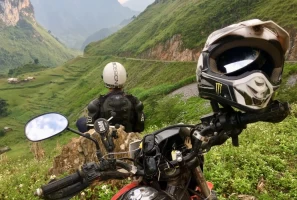
Is it safe to ride a motorcycle in Vietnam? This is a question many travelers ask when they first consider exploring the country on two wheels. In reality, Vietnam can be a safe destination for motorbike adventures. With careful preparation, adherence to traffic rules and the choice to travel with a local guide, riding a motorcycle in Vietnam can be both safe and an incredibly rewarding experience.
1. Why is Vietnam a popular destination for motorbike travel?
Traveling Vietnam on motorbike is a popular choice among international travelers thanks to a unique combination of landscapes, culture, and freedom of exploration:
- Diverse and inspiring routes: From breezy coastal roads and winding mountain passes to narrow lanes running through peaceful rural villages, Vietnam offers an impressive variety of landscapes. Iconic routes such as the Hai Van Pass, the Ha Giang Loop and the Ho Chi Minh Trail provide a strong sense of adventure and discovery, suitable for both beginner riders and experienced motorcyclists.
- Improving road infrastructure: Many roads have been significantly upgraded with better surfaces, and along the way it is easy to find fuel stations, local eateries, guesthouses, and repair shops. This makes long-distance motorbike journeys safer and more convenient.
- Distinctive coffee culture and street food: Along national highways and provincial roads, travelers will find hammock cafés, roadside drink stalls, and local food vendors. These casual stopovers are perfect places to rest, refuel, and interact with locals without the need for advance planning.
- Affordable travel costs: Whether riding independently or joining a guided motorbike tour with local experts, the cost of motorbike rental, food, and accommodation in Vietnam remains reasonable for most international travelers.
- Varied climate by region: Stretching across multiple climate zones, Vietnam allows riders to choose the most suitable region and season for motorbike travel, making it possible to ride almost year-round.
- Freedom and authentic connection: Traveling by motorbike opens up a unique sense of freedom and closeness to local life. Riders can explore remote regions, move through natural landscapes at their own pace, and connect with communities in an authentic and meaningful way that other forms of transport seldom allow.
2. Is it safe to ride a motorcycle in Vietnam?
Riding a motorbike in Vietnam is generally safe for international travelers who are well-prepared and confident in their skills.
The country’s political stability allows riders to explore freely without worrying about civil unrest or disturbances. Each year, tens of thousands of foreign visitors complete unforgettable journeys on two wheels, enjoying both scenic routes and meaningful experiences.
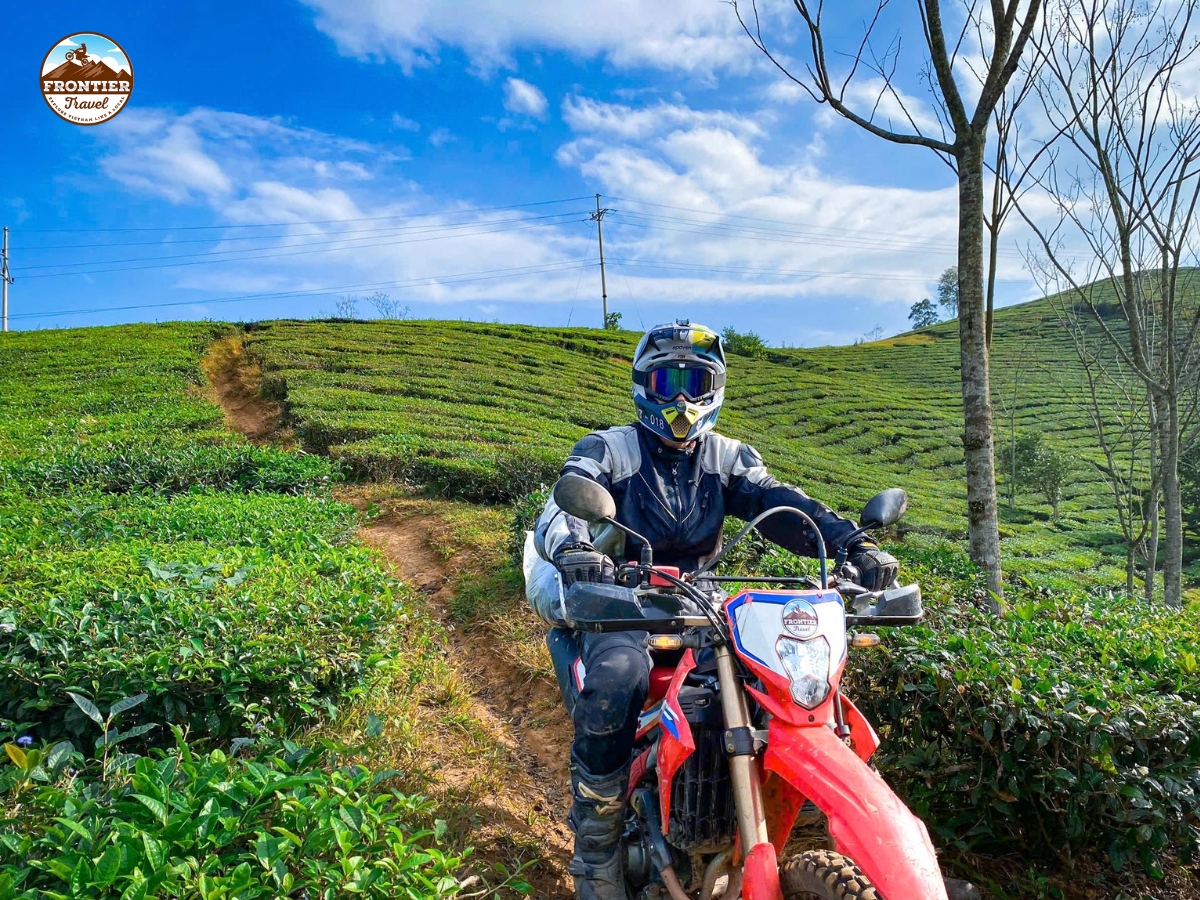
Riding a motorcycle in Vietnam can be both safe and enjoyable when you are well prepared and ride responsibly.
Safety can be further enhanced by joining guided motorbike tours, where local guides provide route selection, traffic advice, and on-the-spot support.
3. What first-time riders should know before a motorcycle trip in Vietnam
First-time riders should familiarize themselves with the local traffic patterns, road types, and riding environment to ride safely and confidently.
Understanding traffic conditions and driving direction
Vietnam’s road system is highly diverse, ranging from highways and winding mountain passes to narrow mountain roads and small routes running through rural villages. Each type of road presents different conditions and safety challenges, requiring riders on a motorcycle trip in Vietnam to stay flexible and fully focused. Traffic, especially in major cities like Hanoi and Ho Chi Minh City, can be dense and lively, with a high volume of motorbikes and multiple types of vehicles sharing the same road space.
All vehicles in Vietnam drive on the right-hand side. Riders need to get used to checking the left side when overtaking and remain alert to vehicles that may suddenly enter the road from side streets. When passing through residential areas or villages, it is important to slow down, as pedestrians, children, or animals may appear unexpectedly.
Documents and legal requirements to be aware of
Foreign riders planning a motorcycle trip in Vietnam should ensure they have all necessary documents before starting their journey. A valid International Driving Permit (IDP) issued under the Vienna Convention is required, clearly indicating the appropriate motorcycle license category.
Travelers are also required to have valid travel insurance throughout their stay in Vietnam. This is especially important for motorcycle trips, as appropriate insurance helps protect riders against medical emergencies and unexpected incidents on the road.
In addition, riders should carry a passport (or a copy) and a valid motorbike rental agreement, and make sure their travel insurance specifically covers motorcycle-related accidents. Failing to carry proper documentation or adequate insurance may result in fines or legal complications, particularly in the event of an accident or a roadside inspection.
Plan a realistic route without overexertion
Riders should choose a tour or route that matches their experience and stamina. For beginners, short-day tours are ideal, allowing them to get familiar with the bike, the terrain and local traffic conditions. For longer tours or more challenging routes, riders need to prepare more thoroughly to avoid fatigue.
4. Essential motorbike safety tips for riding a motorcycle in Vietnam
Riding a motorbike in Vietnam can be safe and enjoyable if riders are well-prepared and follow basic motorbike safety tips for traffic, weather, and road conditions. Adhering to these tips ensures a secure and memorable journey on two wheels.
Follow traffic laws in Vietnam
- Keep to the right: Always ride on the right-hand side and avoid crossing into oncoming lanes.
- Observe speed limits: Each road has its own maximum speed, so pay attention to traffic signs.
- Wear a standard helmet: Mandatory for both riders and passengers; non-compliant helmets can lead to fines.
- Do not use your phone while riding: Avoid distractions, especially on winding mountain roads.
- Absolutely no alcohol: Driving with any blood alcohol content can result in strict penalties.
- Follow traffic lights and signs: Even in rural areas with fewer traffic police, obey all signals and rules to ensure safety.
>>> See more: The ultimate Vietnam motorbike tour guide for beginners
Choose the most suitable motorcycle for your trip
When choosing a motorcycle for your trip, you should carefully consider the terrain and your riding experience. On hilly, dirt, or mountainous routes such as in the Northwest, a manual transmission motorcycle or a dirt bike will handle more steadily, while on flatter roads, a manual or powerful automatic motorcycle is also fully suitable.
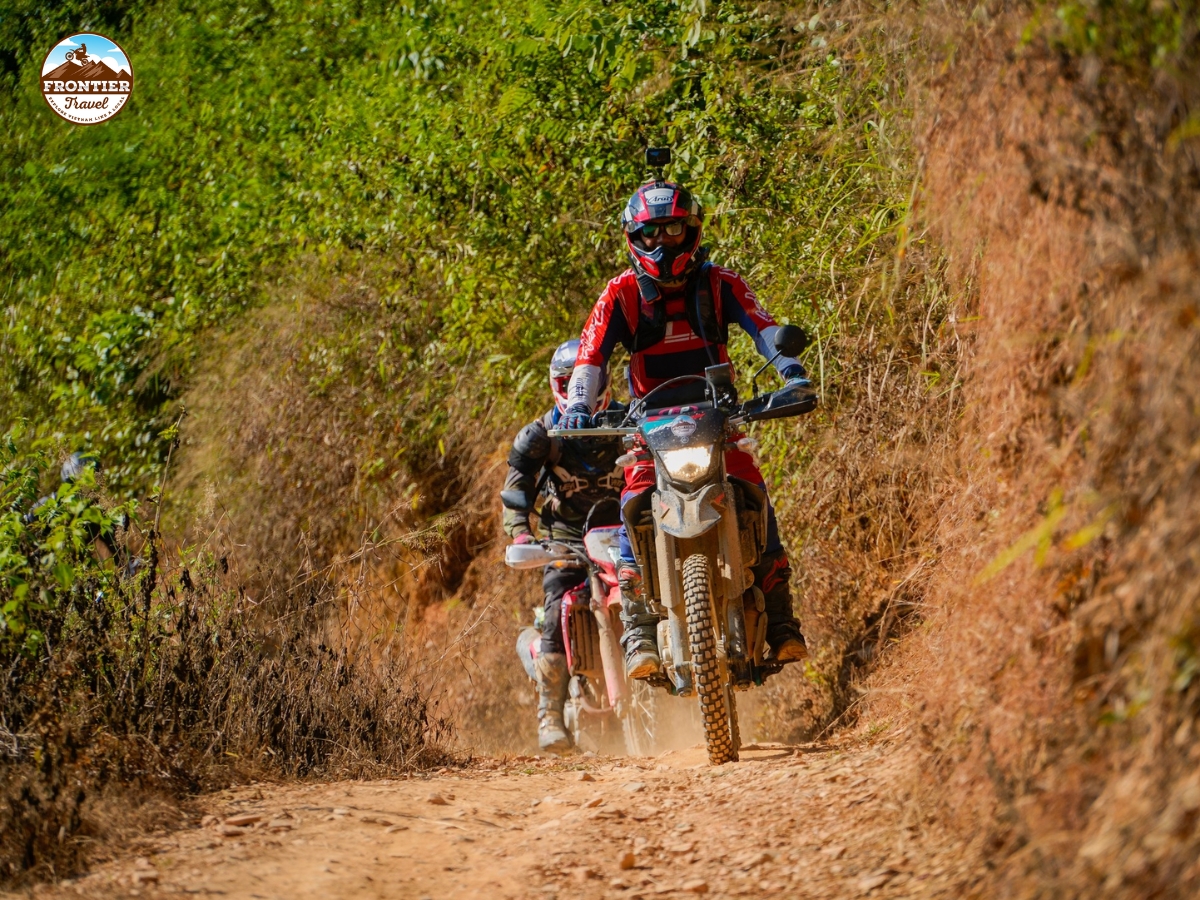
Choosing the right motorcycle will make your journey safer and more fulfilling.
At the same time, pay attention to your physical condition and riding skills, and avoid choosing a bike that is too heavy or difficult to control if you are not accustomed to long-distance riding.
Check your motorcycle before riding
- Inspect the bike thoroughly before each trip, including the front and rear brakes, tires, chain, lights, horn, engine, and fuel.
- Start the engine and ensure it runs smoothly, without excessive vibration or unusual noises.
- Twist the throttle to check acceleration and stability.
- Check the exhaust, tires (grip, pressure, no cracks), and rims.
- Inspect the clutch, brakes, headlights, brake lights, turn signals, and horn.
- Check the speedometer, fuel gauge, and gear shifter.
- Inspect the chain, lubricate if necessary, and ensure it is neither too loose nor too tight.
- Check the fuel tank for leaks and ensure the cap is secure; know the fuel type and nearest gas stations.
- If you notice serious issues such as excessive vibration, unusual noises, stuck gears or slipping clutch, request a replacement bike immediately to ensure safety throughout your trip.
Safe riding techniques in bad weather and challenging terrain
Riding in heavy rain and slippery roads |
|
Riding in dense fog |
|
Riding in landslide-prone areas |
|
>>> See more: Motorbike Safety Tips For Navigating Bad Weather In Northern Vietnam
5. Safe motorbike adventures with local guides from Frontier Travel Vietnam
Aiming to deliver unique local experiences while prioritizing the safety of travelers, Frontier Travel Vietnam designs customized motorbike journeys that combine the exploration of stunning landscapes, local culture and cuisine, making every trip a truly fulfilling experience.
- Diverse itineraries by level and duration: Designed with a variety of levels and durations, suitable for the needs and abilities of each traveler.
- Experienced local guides: All tours are led by local guides who are knowledgeable about the terrain, culture, and regional customs.
- Comprehensive support for a worry-free journey: High-quality motorbikes, technical assistance, and detailed guidance before departure ensure confident travel.
- Focus on safety: Frontier Travel Vietnam prioritizes customer safety with strict vehicle checks, route condition assessments, and up-to-date safety guidelines based on real-time conditions.
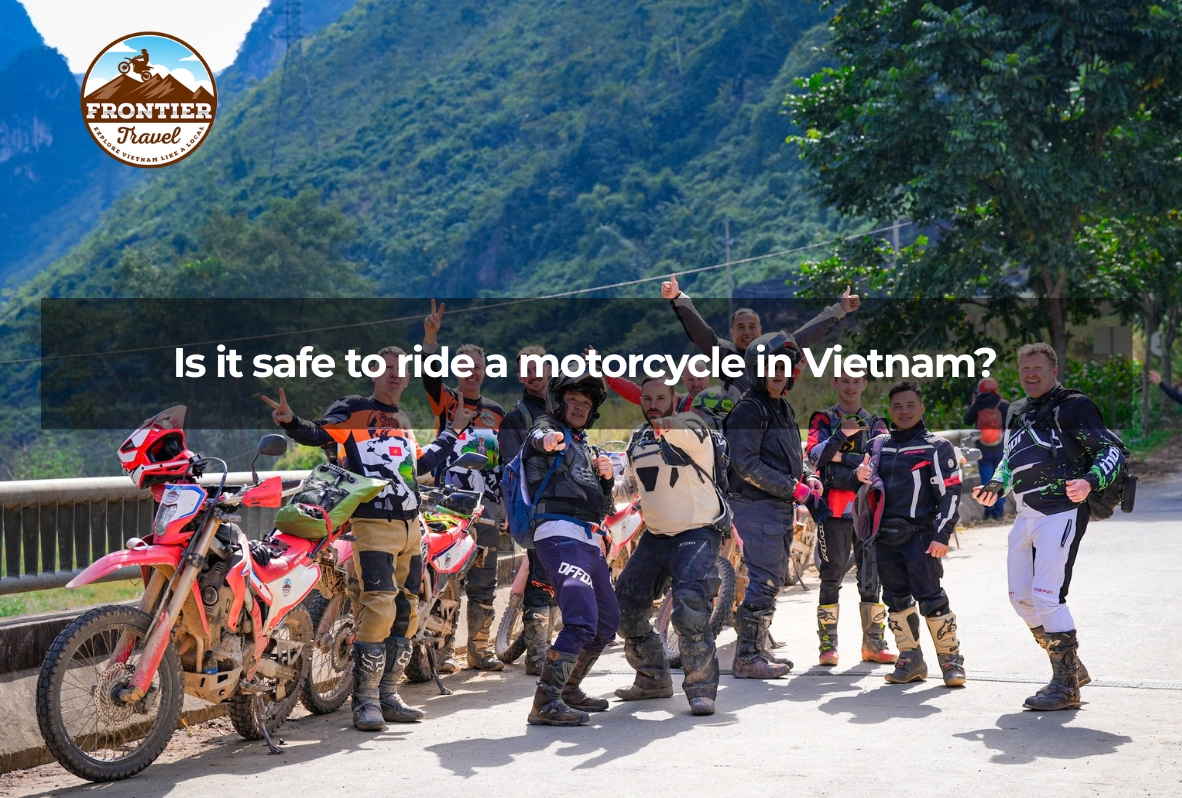
Moments of the riding group traveling together with Frontier Travel Vietnam, capturing unforgettable memories along the journey.
If you’re ready to embark on a truly unique and thrilling Vietnam motorbike tour, reach out to Frontier Travel Vietnam. Let us help you plan your journey and discover Vietnam in a way you’ve never imagined.
FAQs
1. Is it safe to ride a motorcycle in Vietnam?Yes, with proper preparation, adherence to traffic rules, and guidance from local experts, riding a motorcycle in Vietnam can be safe and enjoyable.
2. Do I need a special license to ride in Vietnam?Foreign riders should carry a valid International Driving Permit (IDP) that covers motorcycles.
3. What type of roads will I encounter on a motorcycle trip in Vietnam?Vietnam has highways, winding mountain passes, rural village road and narrow lanes, each with different challenges.
4. Should beginners join a guided tour?Yes, guided tours provide route advice, traffic tips, and on-the-spot support, which enhances safety and confidence.
5. What safety gear is required?Wearing a standard helmet is mandatory for riders and passengers; additional protective gear is highly recommended.
6. How do I stay safe in bad weather?Ride slowly, use gentle braking, keep distance from other vehicles and avoid dangerous terrain during heavy rain, fog or landslides.