With its cool mountain climate and breathtaking, unspoiled landscapes, Sapa has long been one of the most popular resort destinations in northern Vietnam. Here, travelers can conquer Fansipan Peak - the “Roof of Indochina” in the Hoang Lien Son range, stroll through the colorful Ham Rong Flower Garden or explore the peaceful Muong Hoa Valley. To help you plan your trip and get around more easily, the guide below provides useful information for discovering Sapa.
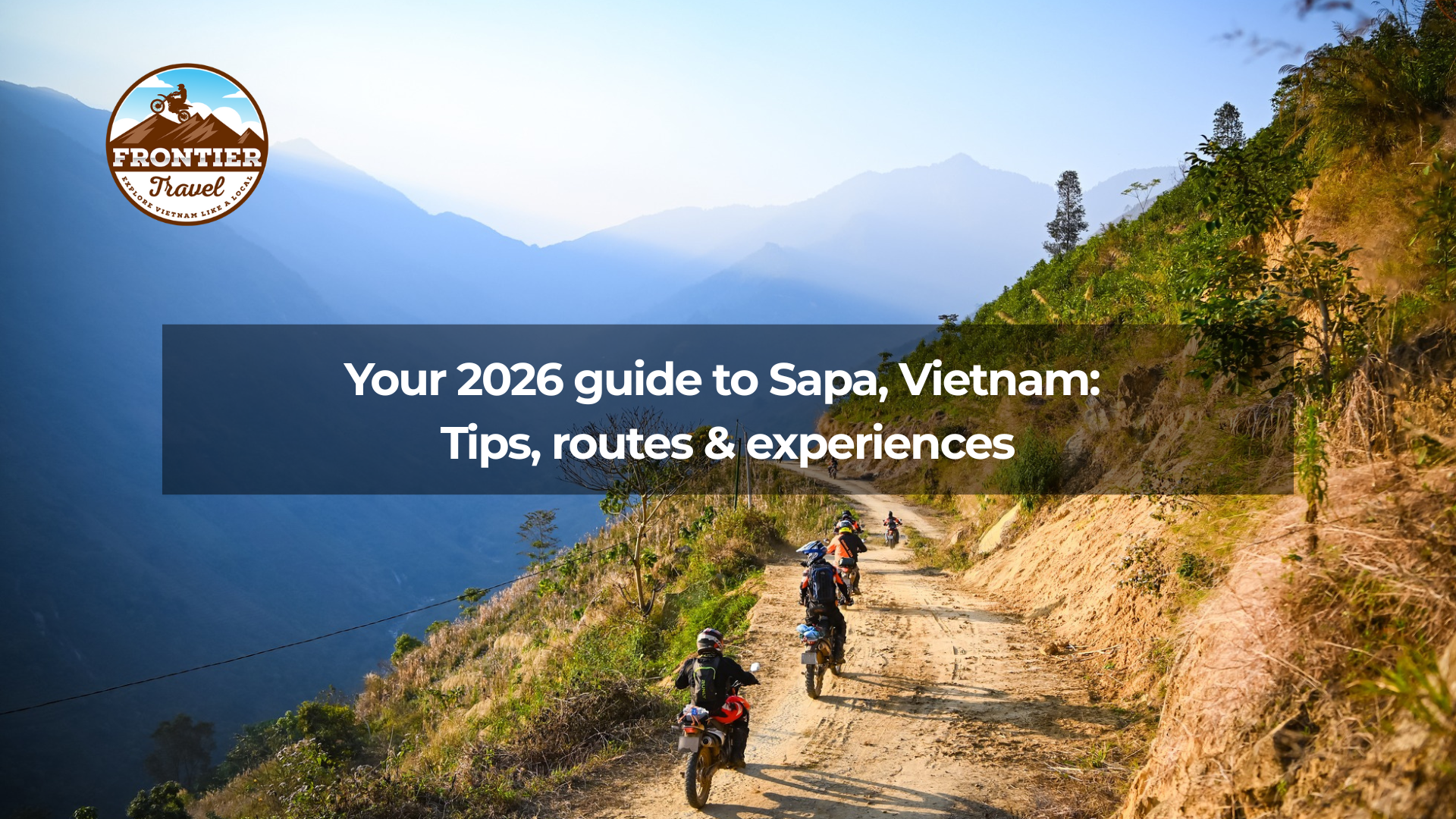
1. Overview of Sapa
Sapa, located in Northwest Vietnam, is a charming town nestled among towering mountains, lush valleys, and terraced rice fields. Known for its cool climate, misty landscapes, and vibrant ethnic minority cultures, Sapa offers a mix of natural beauty and cultural experiences.
From trekking through scenic valleys to exploring colorful local markets, Sapa is a destination that captivates both adventure seekers and those looking for a peaceful retreat.
>> See more: Top 05+ Unforgettable Motorcycle Tours Via Sapa And The Northwest Highlands
2. Best time to visit Sapa
Sapa’s charm changes with each season, offering different experiences:
Spring (March - May): Mild weather and blooming flowers create a colorful landscape. Ideal for trekking and enjoying the lush greenery.
Summer (June - August): Warm temperatures and occasional rain bring vibrant terraced rice fields, especially around July when they turn golden. Good for photography but can be crowded.
Autumn (September - November): Clear skies and golden rice terraces dominate the valleys. This is considered the most picturesque season for motorbike trips and nature photography.
Winter (December - February): Cold and misty, with occasional frost or light snow. Offers a magical, peaceful atmosphere for those who enjoy tranquil mountain scenery.
Notes: For the best combination of weather and scenery, September - October (autumn) or March - April (spring) are highly recommended.
3. How to get to Sapa
From Hanoi, motorbike travelers can choose several popular routes to reach Sapa, depending on their time and the kind of experience they’re looking for:
Hanoi – Lao Cai via Noi Bai – Lao Cai Expressway (CT05)
This is the fastest and most common route. The total distance is about 320 km, with smooth road conditions that are relatively easy to ride. From Lao Cai city, continue along National Highway 4D to reach the center of Sapa.
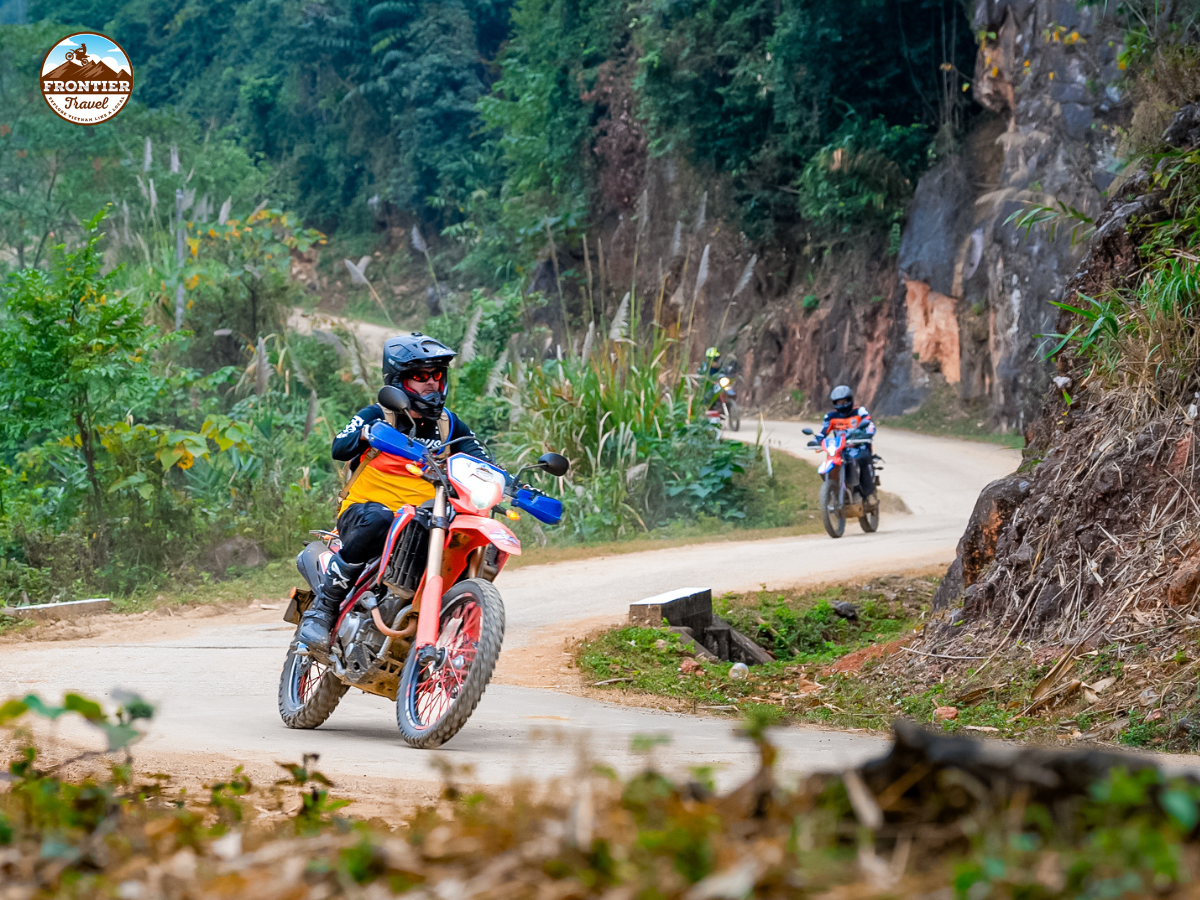
Hanoi – Viet Tri – Yen Bai – Lao Cai (National Highway 2 or National Highway 70)
This route is favored by many riders for its gradually changing scenery. You can follow NH2 to Viet Tri, then switch to NH70, passing through Yen Bai and Bao Ha before joining NH4D for the final climb to Sapa. While it takes longer than the expressway, it offers a more immersive view of local landscapes and daily life.
Hanoi – Nghia Lo – Mu Cang Chai – Khau Pha Pass – Sapa
This is a more adventurous route, best suited for experienced riders. The journey mainly follows National Highway 32, passing famous spots such as Tu Le, Mu Cang Chai and Khau Pha Pass, before connecting to mountainous roads leading toward Sapa. This route is especially known for its terraced rice fields, high mountain passes and dramatic scenery.
Each route offers a different riding experience. Depending on your schedule and riding skills, you can choose the route that best fits your journey to Sapa.
4. How many days in Sapa is enough
The ideal amount of time to explore Sapa depends on your mode of transportation and the type of experience you are looking for.
For a standard sightseeing trip, 4 - 5 days is a reasonable timeframe. This allows enough time to conquer Fansipan Peak, visit Muong Hoa Valley, Ham Rong Mountain, and explore nearby ethnic villages.
If you plan to ride a motorbike around Sapa and nearby areas, you should spend about 3 - 5 days. This gives you the freedom to enjoy scenic mountain passes, visit lesser-known villages, stop by waterfalls and viewpoints, and experience local life at a slower, more immersive pace.
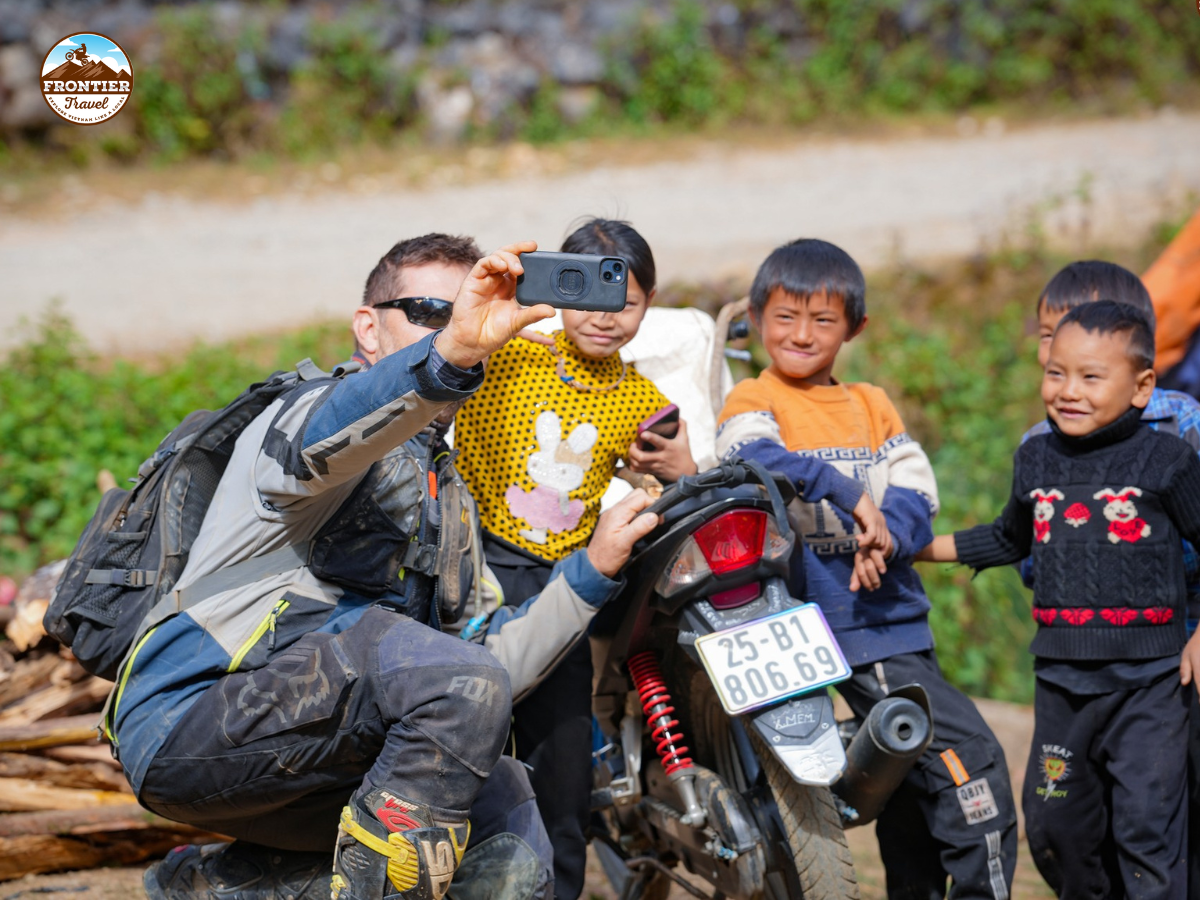
For a long motorbike journey from Hanoi to Sapa, 7 - 10 days is ideal, especially if you have ample time and wish to combine Sapa with other highlights of northern Vietnam. Along the way, you can explore destinations such as Tu Le Valley, Mu Cang Chai, Bac Ha or Ha Giang, turning the trip into an extended adventure rather than focusing solely on Sapa.
5. Sapa accommodation guide
Sapa offers a wide range of accommodations to suit every traveler, from budget hostels, homestays in local villages, and guesthouses, to 4–5 star hotels and luxury resorts. Notable resorts include Topas Ecolodge, Sapa Jade Hill, Hotel de la Coupole - MGallery, and Silk Path Grand.
For a more authentic experience, visitors can stay in homestays or hostels located in villages such as Cat Cat, Lao Chai, and Ta Van, where the peaceful mountain scenery of Northwest Vietnam can be fully enjoyed.
Prices typically start at around 100,000₫ per person for a dorm bed and 500,000₫ for a double bungalow. Popular homestays include Eco Palms House, Heaven Sapa, Viettrekking, Phori's House, Sapa Heavenly, Rock Garden, Coong, Vuon May and Mong.
6. Top things to do in Sapa vietnam
Sapa is full of stunning stopover spots where visitors can relax, enjoy the majestic mountain scenery, and take impressive photos. Here are some famous places you should visit:
Hike Ham Rong Mountain for panoramic views
Located in the famous Hoang Lien Son range, Ham Rong Mountain attracts visitors with its diverse forest ecosystem, ranging from evergreen dense forest to sparse forest, changing with altitude. The average temperature is around 18°C, and the fresh air makes it ideal for hiking and trekking. From the summit, you can enjoy panoramic views of Muong Hoa Valley, Ta Van Village, Cat Cat Village and other famous Sapa attractions.
Explore Sapa Stone
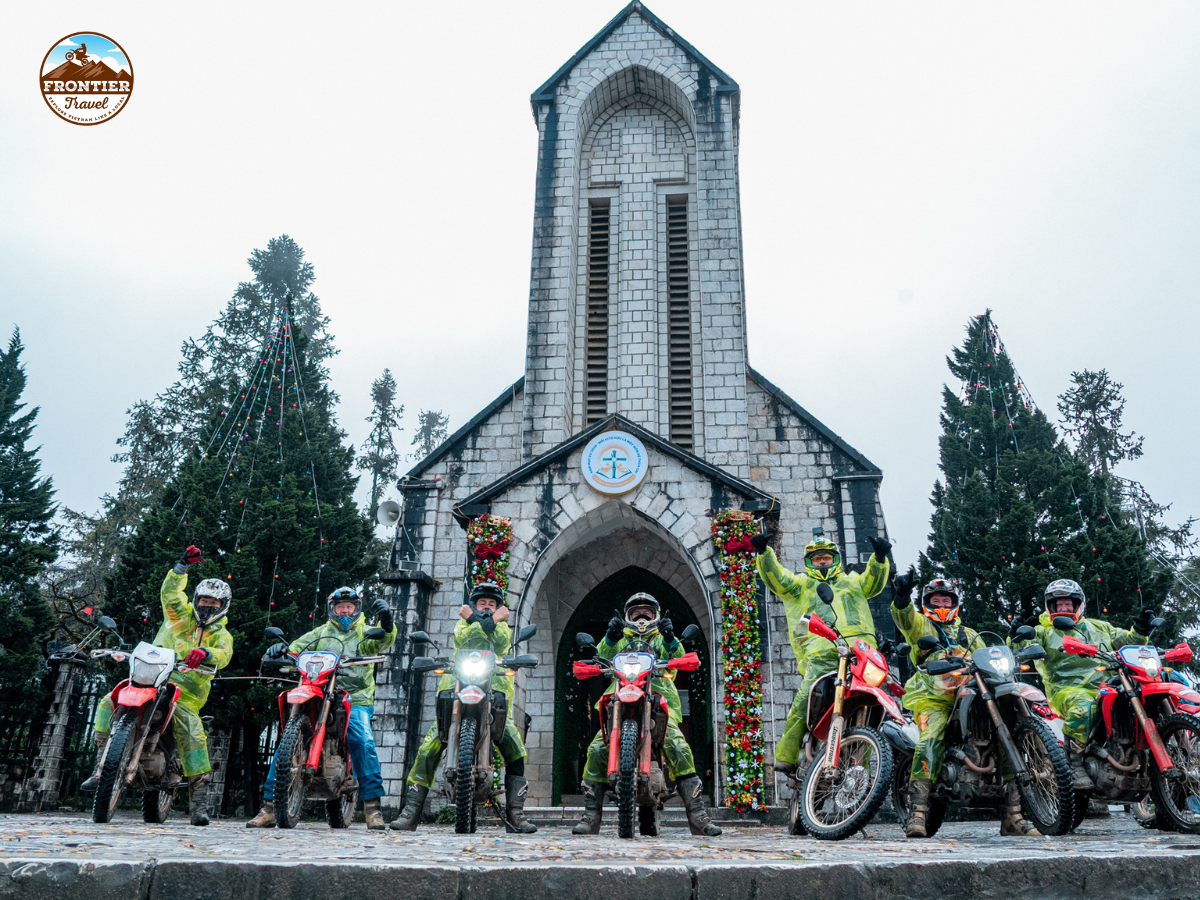
Church in the town center Sapa Stone Church is the town’s iconic landmark, built in 1895 in Gothic style. Its roof, bell tower, and vaulted arches retain their elegant, timeless charm despite many restorations. It’s a must-visit spot for photos and sightseeing.
Discover ethnic culture in Ta Phin villages
About 15km northeast of Sapa town, Ta Phin Village offers a peaceful and pristine escape from the bustling town. It is home mainly to the Dao and H’Mong ethnic groups, known for their colorful traditional clothing. Visitors can immerse themselves in nature and experience the unique local culture.
Sin Chai Village
Sin Chai is the largest village in Sapa, located about 5km from the town and near the scenic Cat Cat Village. Mostly inhabited by H’Mong people, the village reflects their culture in daily life, architecture and traditions. Visitors can experience authentic ethnic lifestyles and local customs.
Walk through Muong Hoa Valley and the ancient stone field
Located 10km southeast of the town, Muong Hoa Valley is famous for its winding streams, vast terraced rice fields, and the legendary ancient stone field. The cool climate is pleasant year-round, and each season brings its own beauty, from lush greenery during the wet season to golden rice fields at harvest time.
Visit Cat Cat Village for traditional crafts
A peaceful H’Mong village preserving traditional crafts such as weaving, silver carving, and jewelry making. The road to the village winds through terraced fields and crosses Si Bridge, meeting three streams: Tien Sa, Vang and Bac. Visitors can explore the village, buy handicrafts and taste local specialties.
Experience local life in Lao Chai – Ta Van
Located 7–11km from Sapa town, these two villages are home to ethnic groups including the Mông, Red Dao and Giay. The terraced rice fields stretch across hillsides and turn golden in late summer, creating a breathtaking landscape. Spending a day here allows visitors to experience authentic local life.
Relax at Seo My Ty Lake
Located in a traditional H’Mong village, Seo My Ty Lake retains houses with pomu wooden roofs and surrounding terraced fields. It is the highest artificial lake in Indochina at over 1,600m above sea level, within Hoang Lien National Park. Visitors can take a boat to enjoy the scenery and learn about local salmon farming.
Ride along O Quy Ho Pass
Dubbed the “King of Northwest Passes,” O Quy Ho stretches about 50km, connecting Lao Cai and Lai Chau. At over 2,000m above sea level, one side is a deep valley and the other a towering cliff, shrouded in mist and clouds. It is the longest pass in Vietnam and part of the “four great passes” of Northwest Vietnam.
Admire Silver Waterfall
Located along O Quy Ho Pass, about 3km from the summit, Silver Waterfall features strong cascading water and dramatic mountain scenery. Visitors can climb to the top to enjoy the view, but should be careful as the path can be slippery.
Visit Love Waterfall
About 1.5km from the entrance, Love Waterfall is reached by walking through the forest, offering a poetic and romantic natural setting. It’s a perfect stop for nature lovers and photographers.
Reach the Fansipan Summit – the Roof of Indochina
Known as the “Roof of Indochina,” Fansipan is the highest peak in Vietnam and Indochina at 3,143m, about 9km southwest of Sapa town. Climbing Fansipan is a memorable experience, offering the thrill of reaching the highest point in Vietnam and panoramic views of the surrounding mountains.
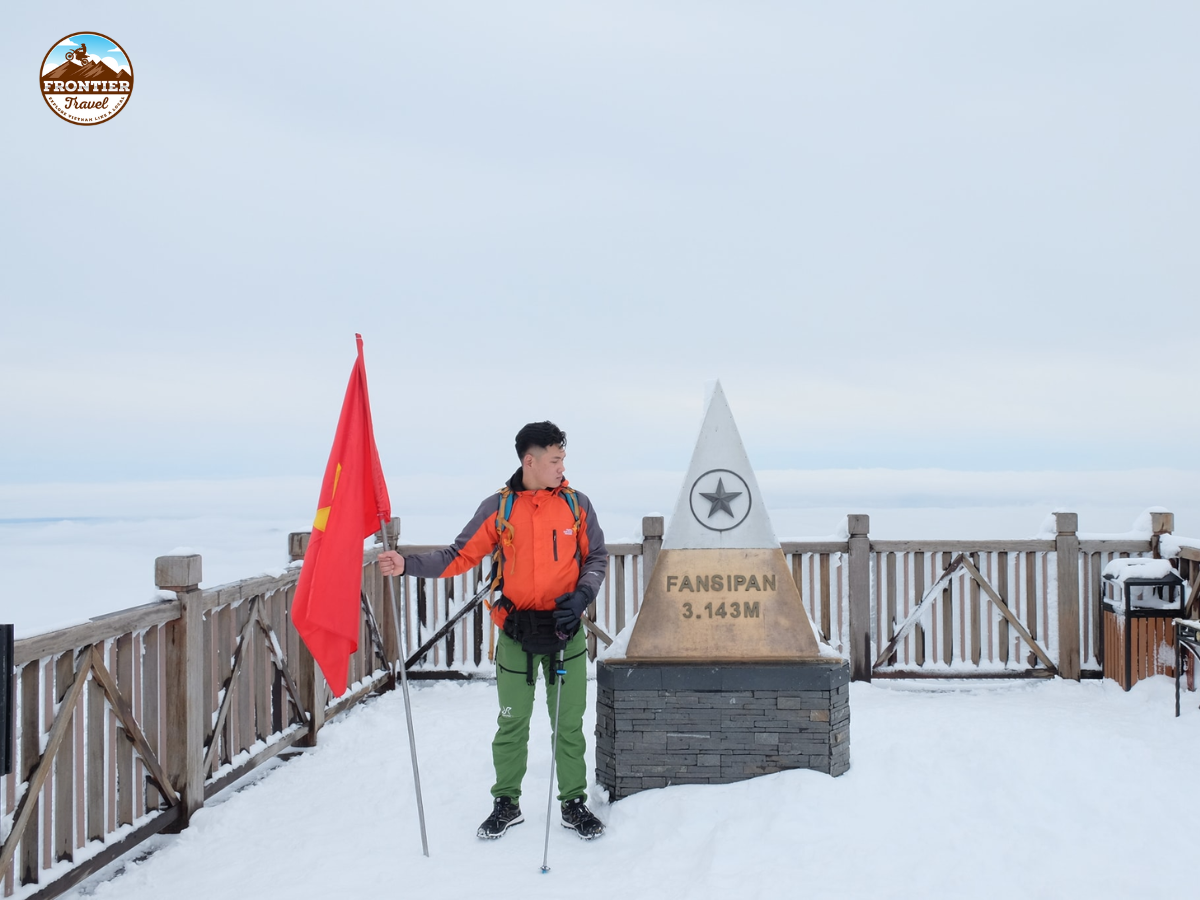
Close-up of snowfall blanketing Fansipan Peak in white.
7. What to eat in Sapa?
Sapa is not only known for its majestic mountain landscapes but also for its rich highland cuisine, featuring traditional dishes that reflect the region’s cold climate and the unique culinary.
Smoked Buffalo
Meat A famous specialty of the Black Thai ethnic group, the buffalo meat is marinated with spices and smoked over a wood fire until the outer layer dries and turns dark reddish-brown. It has a salty, slightly pungent flavor while retaining a natural sweetness, making it a popular souvenir for visitors.
“Armpit” Pork
This dish is made from free-range pigs raised by the H’Mong, each weighing around 5–6kg. The meat is tender with alternating layers of fat and lean, best enjoyed grilled over hot coals until the skin turns golden and crispy. Locals often enjoy it with Sapa’s famous apple wine.
Sapa Rainbow Trout
Rainbow trout, also called Sapa salmon, thrives in cold mountain waters. Its flesh is bright orange-red, firm yet tender, and not greasy. It can be prepared in various ways: sashimi, salad, pepper stew, grilled, or hotpot. The trout hotpot, cooked with a sweet-and-sour broth and fresh Northwest vegetables, is especially loved by visitors.
>> See more: Riding Into Flavor: Exploring The Gastronomic Wonders And Cultural Charms Of Sapa, Vietnam
Seven-color sticky rice
This traditional Sapa dish appears during festivals and special occasions. Glutinous rice is colored naturally with plants, flowers and ash, producing seven distinct colors, each with a unique aroma and flavor. The colors symbolize the months of resistance in the history of the Nung Din ethnic group.
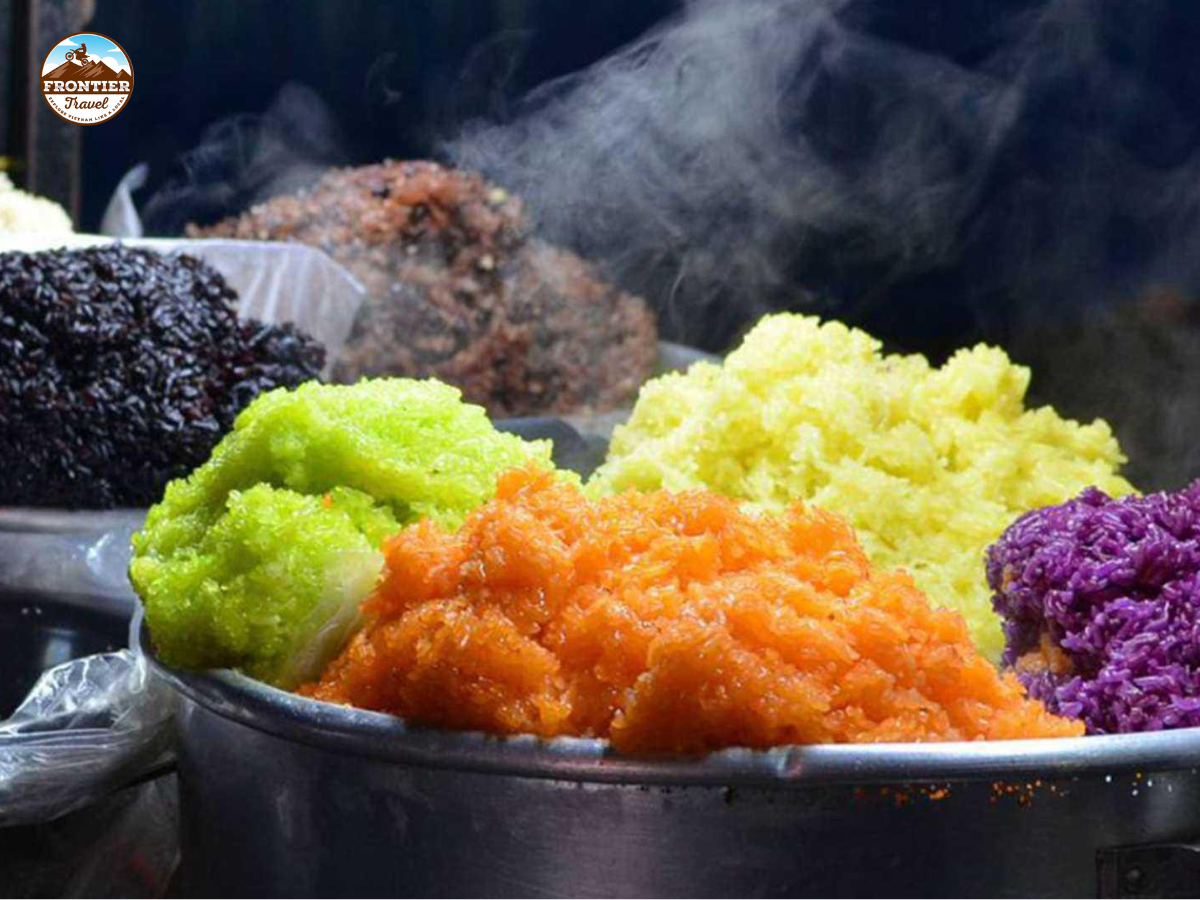
Seven-Color sticky rice: A unique seven-hued rainbow delicacy of Northwest cuisine.
Grilled Stream Fish (Ca Suoi Nuong)
Sapa’s stream fish are small but naturally sweet and firm. They are usually grilled over charcoal or fried until crispy. Paired with San Lung wine, this dish provides a refreshing and immersive culinary experience amidst the cool mountain air. Sapa Apple Wine Made from wild Northern apples, Sapa apple wine has a spicy, tangy-sweet flavor with a distinct aroma. Beyond being a drink, it’s believed to aid sleep and relaxation, making it a popular souvenir for friends and family.
Khau Nhuc
Khau Nhuc originates from the Kinh and Cantonese people, commonly served during Tet. Pork belly is marinated with highland spices and braised until tender, then combined with pickled vegetables and served with hot rice, offering a rich and flavorful taste.
Pau Plau Sticky Rice
Cake Made from carefully selected glutinous rice, hand-pounded and sun-dried, Pau Plau sticky rice cake has a soft, fluffy mung bean filling. It can be steamed or grilled and is often enjoyed with honey, creating a sweet, fragrant treat that visitors remember fondly.
Con Sui (Noodle Dish)
Con Sui is a traditional Northwestern dish imported from China. Soft, chewy rice noodles are served with a thick, flavorful sauce and topped with shredded pork, pickled greens, bean sprouts, boiled egg, chili, and herbs. Despite its simplicity, it’s highly appreciated by travelers for its rich, authentic taste.
Thang Co
Thang Co is a traditional H’Mong soup made from beef, buffalo, horse offal, bones, mustard greens and a variety of special spices. The soup is rich and savory with a slightly bitter note from horse intestines, perfectly suited for Sapa’s cold weather. It’s usually cooked in large pans, resulting in a dark, flavorful broth.
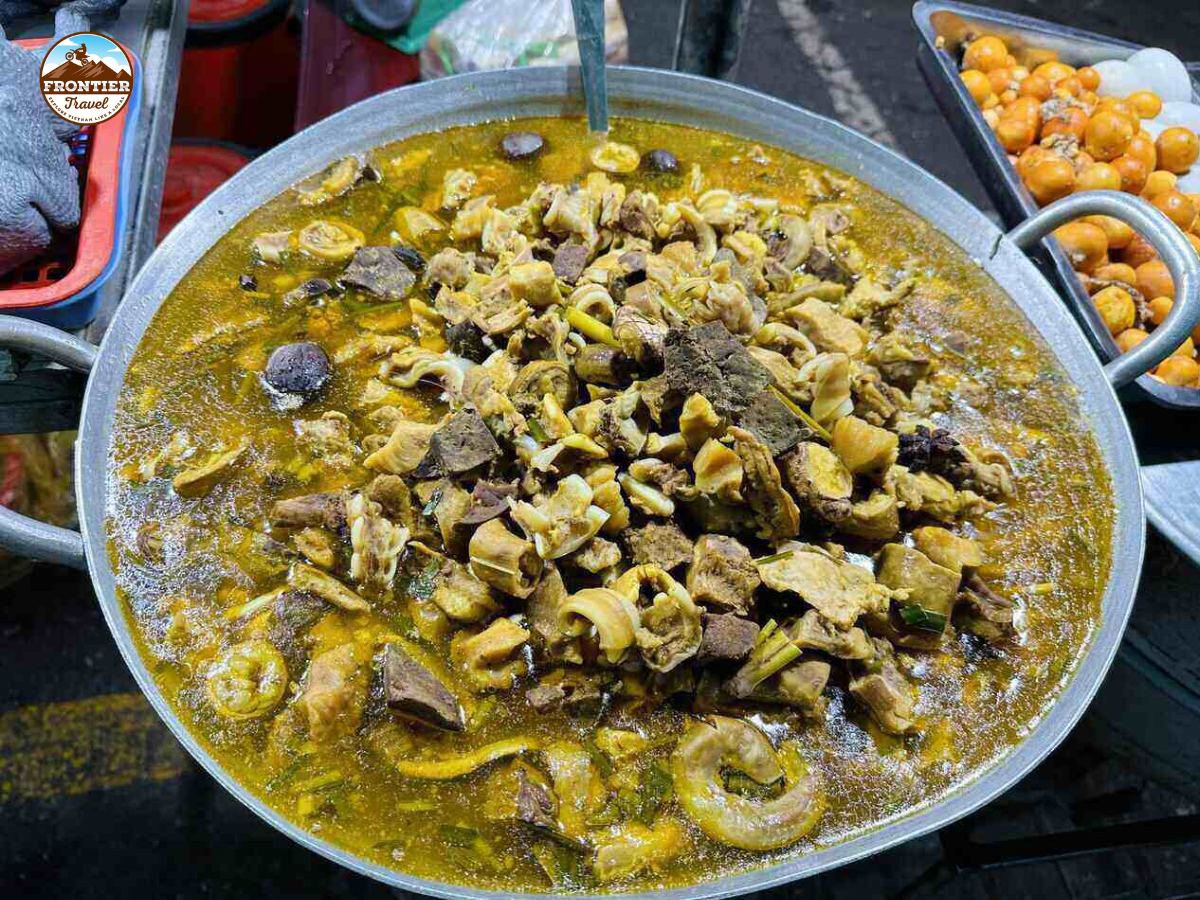
Thang Co - A unique culinary specialty of Vietnam’s Northwest highlands.
8. Packing list & gear recommendations
Clothing:
Warm jacket or fleece (mountain temperatures can be cold, especially in the morning/evening)
Raincoat or waterproof jacket (Sapa weather is unpredictable)
Long-sleeve shirts and t-shirts (for layering)
Trekking pants or comfortable trousers
Thermal underwear (for cold season)
Hat, beanie or scarf (for warmth and sun protection)
Gloves (optional, for hiking in cold weather)
Comfortable socks (preferably moisture-wicking)
Footwear:
Sturdy trekking shoes or hiking boots (for trekking trails)
Comfortable sandals or flip-flops (for casual wear in town)
Gear & Accessories:
Backpack (daypack for trekking or carrying essentials)
Reusable water bottle or hydration pack
Sunglasses and sunscreen (UV can be strong in the mountains)
Camera or smartphone with extra memory cards
Power bank or portable charger
Trekking poles (optional, for steep trails)
Headlamp or flashlight (useful for early morning/late evening hikes)
Personal items:
Toiletries (toothbrush, toothpaste, soap, shampoo, etc.)
Quick-dry towel
Medications and basic first-aid kit (bandages, antiseptic, painkillers)
Insect repellent Snacks or energy bars for trekking
9. Suggested Vietnam motorbike tours through
Sapa Below are some Vietnam motorbike tours recommended by Frontier Travel Vietnam, passing through Sapa and offering a perfect balance of scenic mountain roads, cultural encounters, and iconic destinations across the region.
| Tour Name | Duration | Route | Price |
| Northwest Vietnam: An 8-Day Ride Built For The Experienced | 8 days | Hanoi → Mai Chau → Phu Yen → Nghia Lo → Mu Cang Chai → Sapa (Sapa Stone Church) → Thac Ba Lake → Hanoi | From $1,720 |
| Uncharted Vietnam: 11-Day Motorbike Expedition - Northwest & Central Wonders | 11 days | Hanoi → Mai Chau → Phu Yen → Nghia Lo → Sapa → Ha Giang → Dong Van → Meo Vac → Bao Lac → Ban Gioc Waterfall → Ba Be Lake → Hanoi | From $2,365 |
| Ha Long Bay: 12-Day Motorcycle Adventure | 12 days | Hanoi → Vu Linh → Sapa → Bac Ha → Xin Man → Ha Giang → Dong Van → Meo Vac → Bao Lac → Ba Be → Ban Gioc → Bac Son → Ha Long Ba → Hanoi (by car) | From $2,160 |

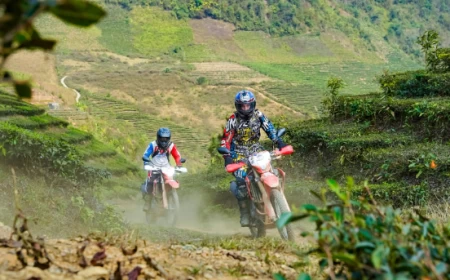
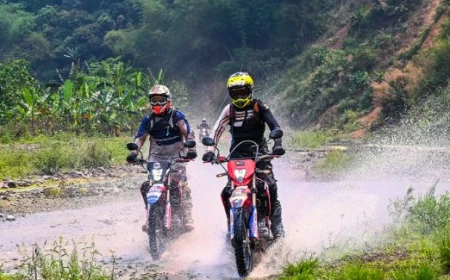
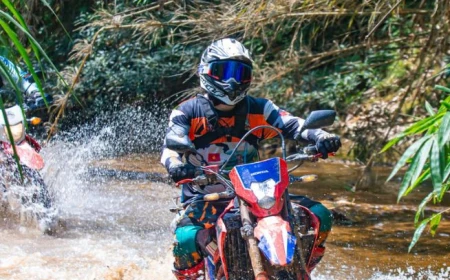
Some photos from a motorbike journey exploring Sapa.
Whether you choose a relaxing getaway or an adventurous motorbike journey through winding mountain passes, Sapa always offers diverse and memorable experiences. More than just a destination, Sapa is a journey that allows you to fully experience the natural beauty and cultural essence of Northwest Vietnam. Frontier Travel Vietnam hopes that the information in this guide will help you plan your trip with ease and enjoy a truly fulfilling Sapa adventure.
FAQs
1. Is Sapa worth visiting in 2026?
Yes. Sapa remains one of the best mountain destinations in northern Vietnam, offering scenery, culture and adventure year-round.
2. What is the best month to visit Sapa?
September - October and March - April offer the best balance of weather and scenery.
3. How far is Sapa from Hanoi?
About 320 km, taking 5–6 hours by car or longer by motorbike depending on the route.
4. Can beginners ride a motorbike to Sapa?
Yes, via easier routes like Hanoi – Lao Cai, but mountain passes require caution.
6. Where should I stay in Sapa?
Town-center hotels are convenient, while village homestays offer a more authentic experience.
7. What local food should I not miss in Sapa?
Smoked buffalo meat, rainbow trout hotpot and seven-color sticky rice.
8. Does Sapa get cold at night?
Yes, especially from October to February.
9. Is Sapa good for photography?
Absolutely. Terraced rice fields, misty valleys, and mountain passes make it a top photography destination.