Vietnam’s traditional and rural markets offer one of the most authentic windows into local life—unchanged for generations. Far beyond souvenir stalls and tourist night markets, these markets remain essential social and economic hubs where farmers, fishermen, and ethnic minority communities gather to trade, talk, and maintain traditions passed down for decades.
From the misty highlands of the north to river-based markets in the Mekong Delta, exploring Vietnam’s rural markets is not just sightseeing—it’s cultural immersion.
Northern Vietnam: Highland Markets & Ethnic Traditions
The mountainous north is home to some of Vietnam’s most visually striking and culturally rich markets. These markets are deeply connected to ethnic minority life and follow rhythms shaped by agriculture and lunar calendars.
Bac Ha Market
Located in a remote town in Lao Cai Province, Bac Ha Market comes alive every Sunday morning. Ethnic groups including the Hmong, Dao, Tay, and Nung travel from surrounding villages—often on foot or horseback—to trade livestock, fresh produce, corn wine, embroidered textiles, and handcrafted tools.
This is not a performance for visitors. It is a working market where negotiation, social bonding, and cultural identity are fully alive.
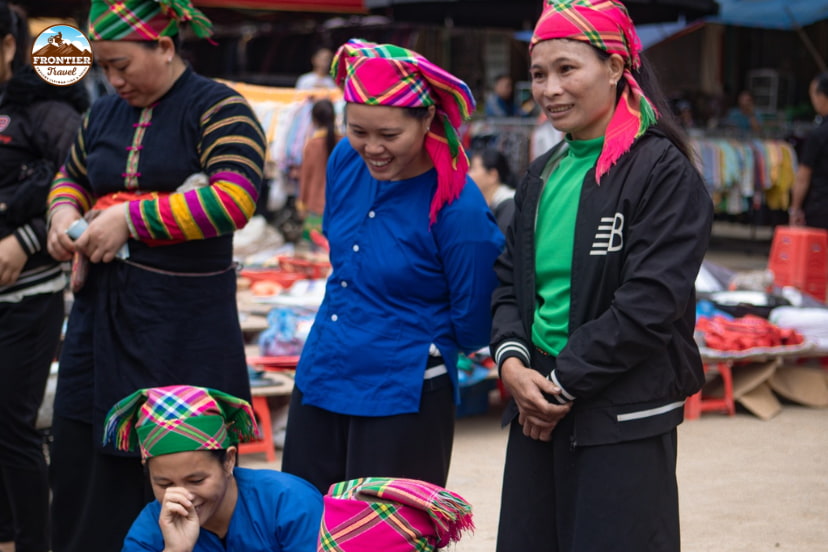
The Bac Ha market in Lao Cai reflects the cultural life of the mountainous region of northern Vietnam.
Rural Village Markets (Northern Countryside)
Scattered across rural northern Vietnam are small, unnamed village markets that operate according to the lunar calendar. Markets once found in Ha Nam (now administratively part of Ninh Binh) exemplify this tradition—simple open-air gatherings where farmers exchange vegetables, herbs, poultry, and household goods.
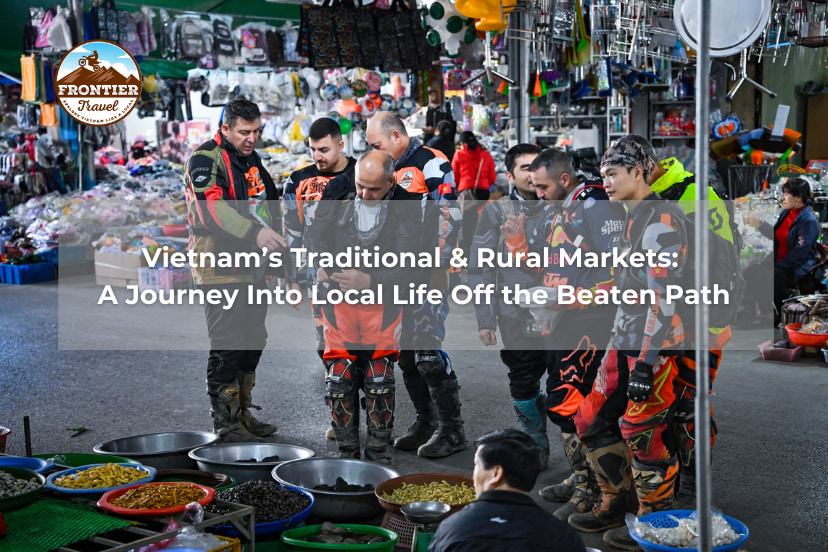
These markets offer an unfiltered look at daily rural life, far removed from tourist routes.
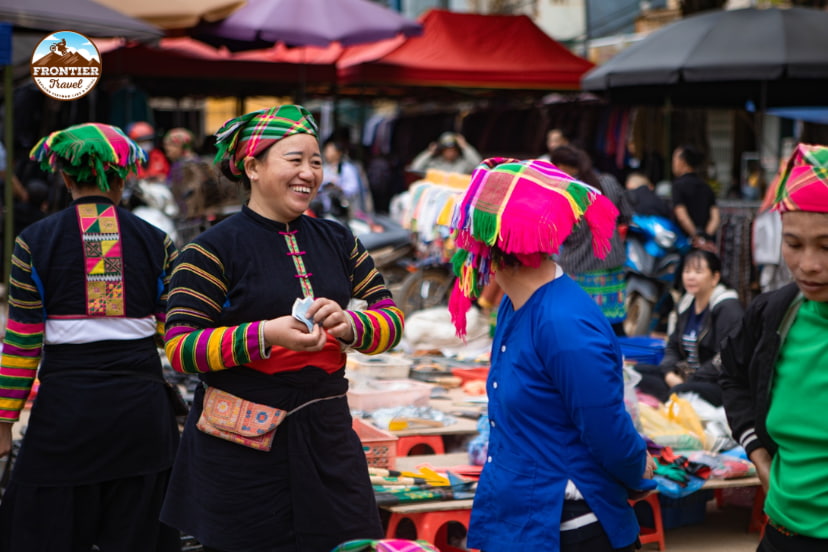
Simple trading activities at a Vietnamese rural market outside of tourist areas.
→ Check out Frontier Travel Vietnam's adventurous mountain tours for more memorable experiences.
Central Vietnam: Markets Shaped by History & Rivers
Central Vietnam’s markets reflect the region’s long trading history, imperial legacy, and river-based economy.
Hoi An Central Market
Set beside the Thu Bon River, Hoi An Central Market is a vibrant mix of daily commerce and cultural exchange. Locals shop for herbs, seafood, spices, and rice noodles, while travelers encounter the flavors that define central Vietnamese cuisine.
It’s also a gateway for cooking classes and food tours, making it one of the most interactive markets in Vietnam.
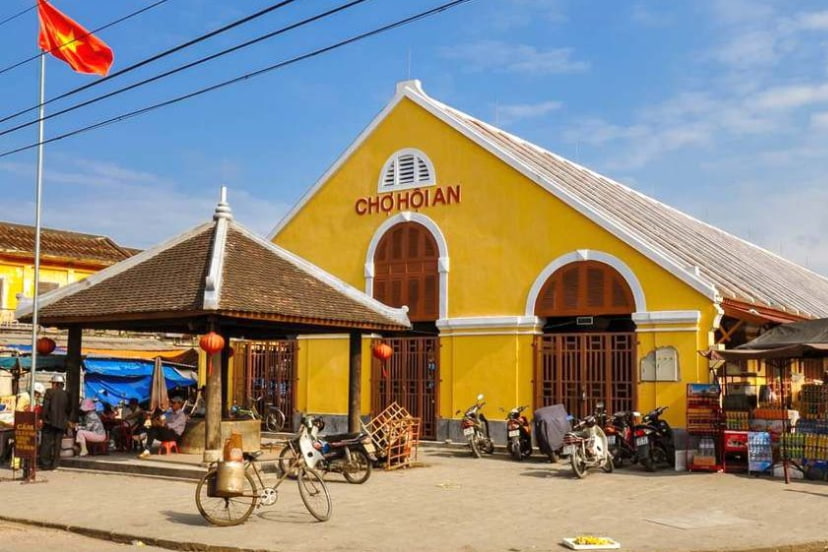
Hoi An market on the Thu Bon River with locals buying and selling fresh food.
Dong Ba Market
Established in 1899 during the Nguyen Dynasty, Dong Ba Market is the largest and oldest market in Hue. Here, visitors can sample regional specialties, purchase traditional conical hats and handicrafts, and observe everyday life in Vietnam’s former imperial capital.
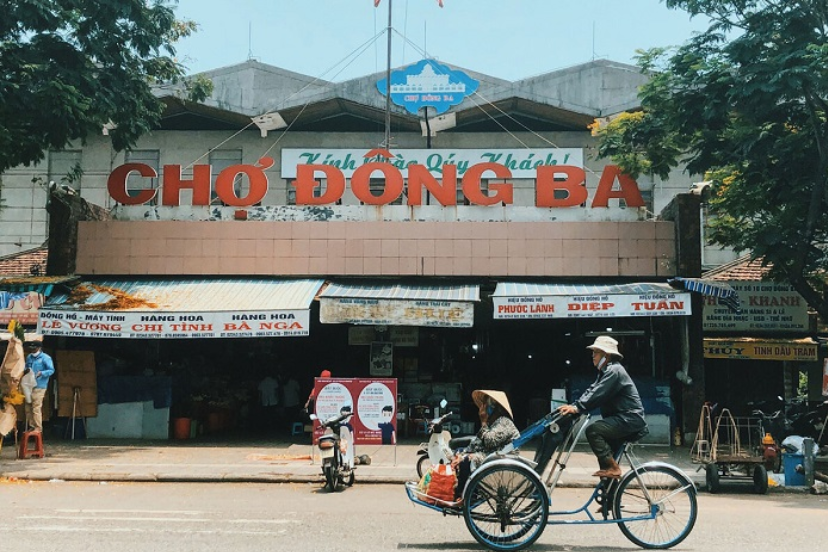
Everyday trading activities at Dong Ba Market – the oldest market in Hue.
→ Read more Vietnamese Food Is More Than Pho & Spring Rolls
Southern Vietnam: Floating Markets of the Mekong Delta
In the south, life revolves around water—and so do its markets.
Cai Rang Floating Market
Just outside Can Tho City, Cai Rang Floating Market is Vietnam’s largest and most famous floating market. From around 5:00 AM to 9:00 AM, hundreds of boats converge on the river, selling fruits, vegetables, noodles, and coffee directly from wooden vessels.
Each boat advertises its goods by hanging samples from a pole—a tradition unique to the Mekong Delta. The experience offers a rare glimpse into a river-based lifestyle that still thrives today.
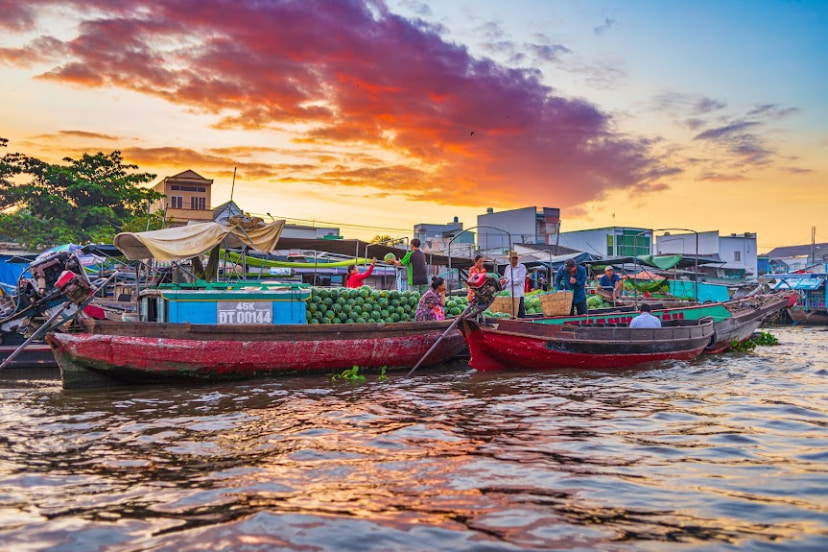
Trading activities on the river at Cai Rang floating market, Can Tho.
→ Explore now Vietnam Is Not One Culture — It’s Many
Planning Your Visit to Vietnam’s Traditional Markets
Best Time to Visit
- Most rural and floating markets start very early—some as early as 3:00 AM
- Activity usually peaks at sunrise and fades by midday
- Many rural markets operate on specific lunar calendar days
What to Bring
- Cash only (Vietnamese Dong – VND)
- Small bills for easier transactions
- Comfortable shoes and an open mindset
For Authentic Experiences
- Step outside major tourist centers
- Visit with local guides who understand cultural etiquette
- Observe before photographing or interacting
→ Ready for your journey Authentic Vietnam Travel: 4 Off-the-Beaten-Path Destinations For Meaningful Experiences
Explore Deeper: Off-the-Beaten-Path Market Journeys
For travelers seeking truly immersive experiences—especially in Northern Vietnam’s remote landscapes—traditional markets are best explored as part of a wider journey into rural life.
Specialized operators such as Frontier Travel Vietnam organize motorbike and overland expeditions through mountainous regions, connecting travelers with ethnic villages, countryside markets, and landscapes unreachable by conventional tours.
These journeys go beyond visiting markets—they reveal how trade, culture, and geography shape everyday life in Vietnam’s most untouched regions.
Frequently Asked Questions (FAQs)
What is the best time to visit local markets in Vietnam?
The best time is early morning, typically between 5:30 AM and 8:30 AM. Rural markets and floating markets in the Mekong Delta are most vibrant at sunrise. By mid-morning, many vendors packed up, and the freshest produce is often gone.
Is bargaining expected at traditional markets?
Yes, bargaining is a common part of the culture, especially for clothes, souvenirs, and handicrafts. However, for small food items or snacks, prices are usually fixed and very low. When bargaining, stay polite, smile, and aim for a "win-win" price.
Do vendors accept credit cards or digital payments?
In traditional and rural markets, cash is king. Most local vendors do not have card machines. It is highly recommended to carry Vietnamese Dong (VND) in small denominations (10,000; 20,000; and 50,000 VND) for easier transactions
Are these markets safe for solo travelers?
Vietnam is generally very safe for travelers. However, like any crowded place, be mindful of your belongings. Use a crossbody bag or keep your wallet in a front pocket to prevent pickpocketing in busy aisles.
How do I find markets that "haven't changed in decades"?
Look for "periodic markets" (Chợ phiên) in the highlands like Ha Giang or Lao Cai, which only meet once a week based on the lunar calendar. For an expert itinerary that reaches these remote areas, you can book a specialized tour via Frontier Travel Vietnam.
Can I take photos of the locals and their stalls?
Most locals are friendly and don't mind photos, but it is polite to ask for permission first with a smile or a nod. If you buy something from their stall, they are usually even more happy to let you take a picture.
What should I wear when visiting rural markets?
Wear comfortable, closed-toe shoes as market floors can be wet or muddy (especially in "wet markets"). If you are visiting markets in ethnic minority villages in the north, dress modestly as a sign of respect for local traditions.
Is the street food at these markets safe to eat?
Market food is a highlight of Vietnam travel. To stay safe, choose stalls that are busy with local customers—high turnover usually means the food is fresh. Stick to hot, cooked dishes if you have a sensitive stomach.