At Frontier Travel Vietnam, after years of guiding travelers across mountain passes, staying in remote villages, and sharing meals with local families, we’ve learned one simple truth: food is the fastest way to understand a place.
For many international visitors, Vietnamese food begins and ends with Pho and Spring Rolls. In reality, Vietnam’s culinary map is far richer and deeper—each region tells its own story, and every dish reflects a piece of local culture.
This article is our invitation to you: step out of your comfort zone and discover the traditional dishes and local food in Vietnam that Vietnamese people eat every day.
1. The Philosophy Behind Vietnamese Food Culture
Vietnamese cuisine is not about visual extravagance, but about harmony and balance—a mindset deeply rooted in daily life.
1.1 Yin–Yang Balance
Vietnamese people believe food carries either cooling (yin) or heating (yang) properties.
- Seafood (cooling) is paired with ginger, lemongrass, or chili
- Fatty meats and braised dishes are balanced with pickles and fresh herbs
This balance makes meals flavorful, light, and easy to digest.
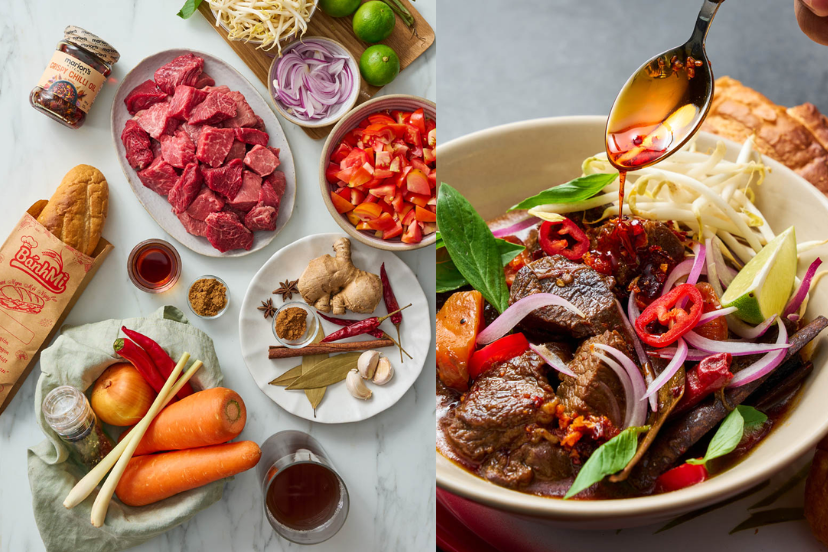
A variety of authentic Vietnamese spices and fresh herbs including star anise, cinnamon, and lemongrass used for seasoning.
1.2 The Five Elements Principle
A traditional meal often includes:
- Five flavors: sour, spicy, salty, sweet, bitter
- Five colors: green, red, yellow, white, black
This reflects not only culinary philosophy but also the Vietnamese approach to balance in life.
1.3 Communal Dining
Vietnamese meals are meant to be shared. Dishes are placed in the center, creating a space for connection—something many of our travelers experience firsthand when dining with local families on our tours.
2. Exploring Local Vietnamese Food by Region
2.1 Northern Vietnam – Subtle, Refined, and Balanced
Northern Vietnamese Cuisine: Restraint, Precision, and Subtle Depth
Northern Vietnamese cuisine is defined by balance, restraint, and clarity of flavor. Unlike the bold sweetness of the South or the spicy intensity of the Central region, Northern dishes emphasize natural ingredients, gentle seasoning, and careful preparation. Every dish feels deliberate—nothing overpowering, nothing excessive.
Below is a deeper look into the dishes that best represent this culinary philosophy.
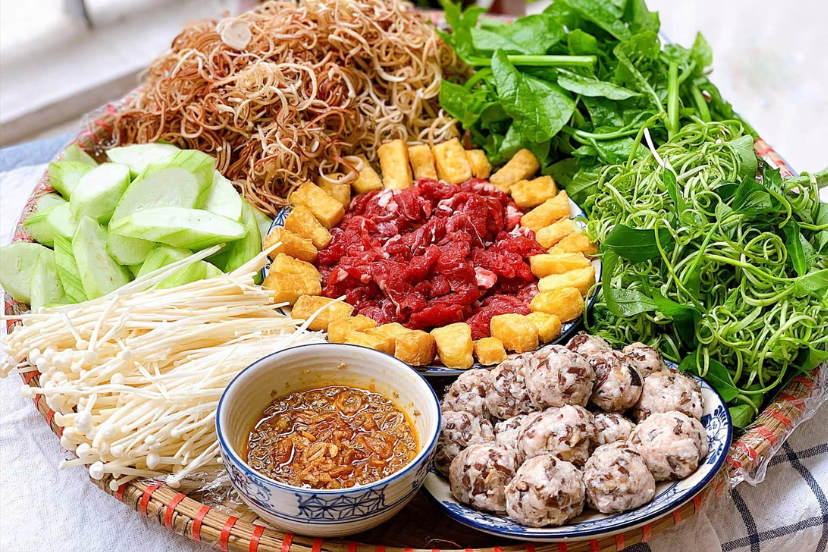
Phở – The Soul of Vietnamese Cuisine
Phở is often called Vietnam’s national dish, but in the North—especially in Hanoi—it is treated with quiet reverence. The broth is clear, lightly seasoned, and simmered for hours to extract natural sweetness from bones rather than spices. Beyond the classic beef (tái, nạm) and chicken phở, Northern cuisine also offers creative variations such as phở cuốn (rolled noodles) and phở chiên giòn (fried pho), proving how a single dish can evolve while keeping its essence intact.
Bún Chả – Smoke, Sweetness, and Balance
Charcoal-grilled pork patties and sliced pork belly are served with rice vermicelli, fresh herbs, and a sweet-sour dipping sauce. The magic lies in contrast: smoky meat, light noodles, and refreshing greens—perfectly reflecting the Northern approach to harmony.
Chả Cá Lã Vọng – A Culinary Ritual
This iconic Hanoi dish is more than food—it’s an experience. Turmeric-marinated fish is pan-fried with dill and scallions right at the table, then eaten with noodles, peanuts, herbs, and shrimp paste. The aroma alone tells a story of tradition, patience, and precision.
Bún Thang – Elegance in a Bowl
Often described as one of the most refined Northern dishes, Bún Thang features a clear chicken broth topped with meticulously sliced ingredients: shredded chicken, thin egg omelet, pork sausage, dried shrimp, and shiitake mushrooms. Every element is cut evenly, layered carefully, and balanced to create a light yet complex flavor profile.
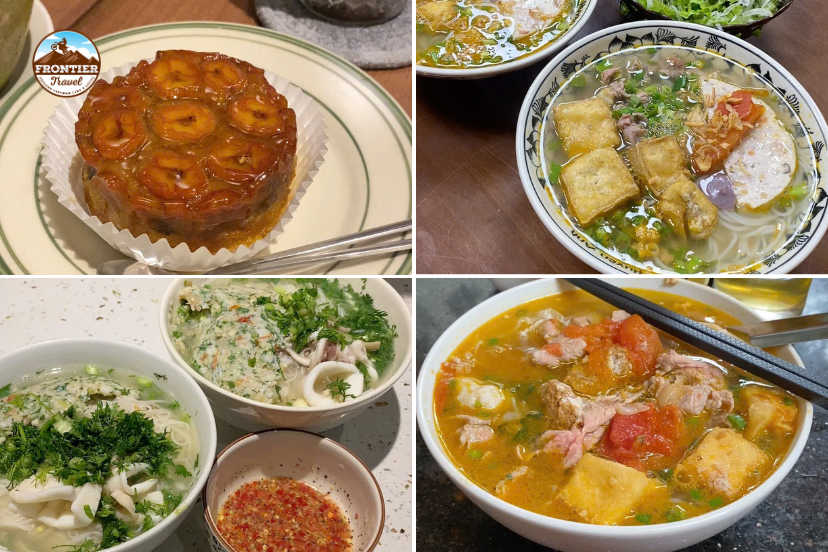
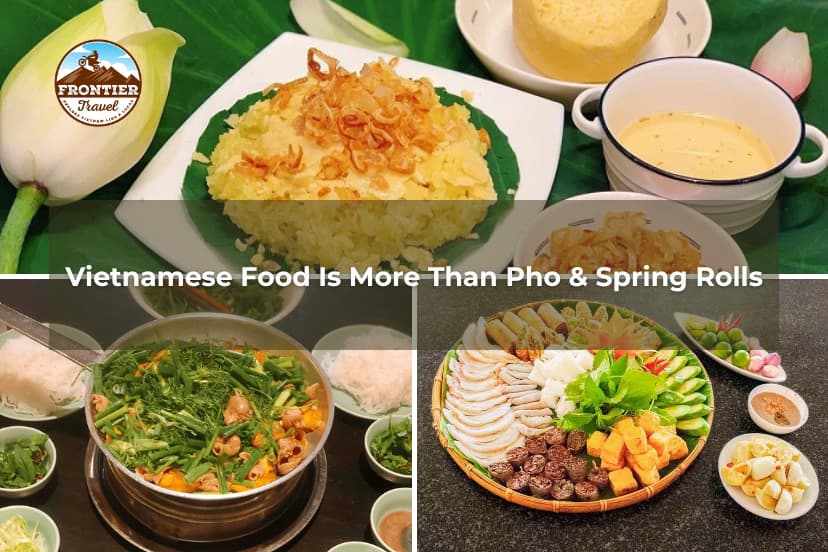
Authentic Vietnamese noodle soups like Bun Thang, Bun Rieu, and field crab hot pot with savory, complex broths.
Bún Đậu Mắm Tôm – Bold Within Tradition
While Northern cuisine is generally subtle, this dish stands out for its boldness. Fried tofu, pressed rice noodles, pork, and green herbs are dipped into fermented shrimp paste. It challenges the palate, but for many travelers, it becomes an unforgettable highlight of authentic Hanoi food culture.
Bánh Cuốn – Soft, Simple, Perfect
Northern bánh cuốn, especially from Thanh Trì or Hàng Gà, is known for its thin, silky rice sheets filled with minced pork and mushrooms. Served with light fish sauce and crispy shallots, it showcases how simplicity can still feel deeply satisfying.
Xôi – Comfort in Many Forms
Sticky rice plays a major role in Northern daily life:
- Xôi Xéo with mung bean paste and fried shallots
- Xôi Khúc stuffed with savory fillings
- Xôi Cốm Vòng, delicately scented with young green rice
Each version is filling, fragrant, and tied closely to seasonal traditions.
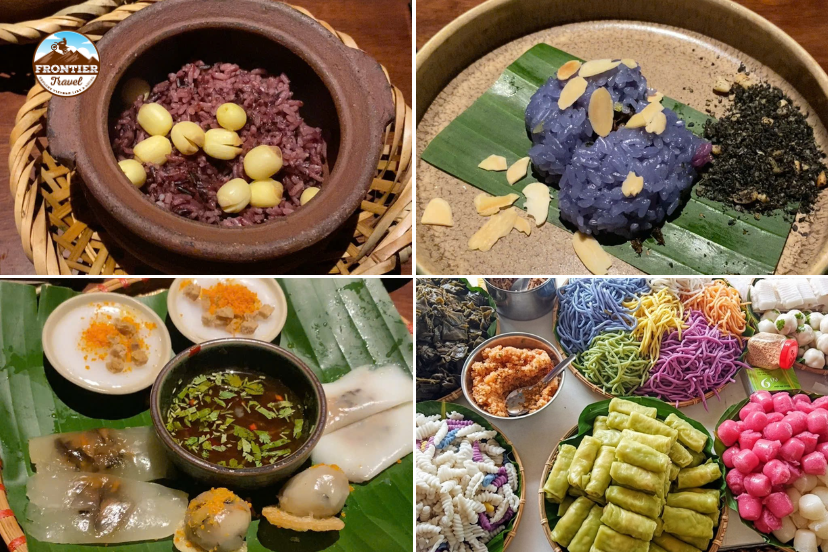
A variety of cakes, sticky rice, and sweet soups are deeply rooted in the long-standing wet rice civilization of the Vietnamese people from north to south
Cháo – Warmth and Nostalgia
Northern-style porridge is thick, smooth, and comforting. Cháo sườn (rib porridge), often topped with shredded pork floss, is a beloved breakfast or late-night dish—simple, nourishing, and deeply nostalgic for locals.
Northern Snacks & Desserts
Street food completes the picture:
- Bánh Giò – soft pyramid-shaped dumplings
- Bánh Rán – crispy fried sesame balls
- Bánh Mì Sốt Vang – bread dipped in rich beef stew
- Kem Tràng Tiền – iconic Hanoi ice cream enjoyed for generations
These snacks reflect everyday life, not tourism—small pleasures woven into the city’s rhythm.
Why Northern Cuisine Matters
Northern Vietnamese cuisine teaches us that great food doesn’t need to shout. It whispers—through clear broth, gentle seasoning, and thoughtful combinations. For travelers who want to understand Vietnam beyond the surface, Northern food is where that journey often begins.
→ Read more Vietnam Cultural Travel Guide: Unique Traditional Values International Travelers Should Know
2.2 Central Vietnam – Bold, Spicy, and Layered
Central Vietnamese cuisine is shaped by a harsh climate, a long coastline, and a history that blends royal refinement with coastal practicality. Compared to the subtle flavors of the North or the sweetness of the South, food from Central Vietnam is more intense, more complex, yet still carefully balanced.
Signature Dishes by Region in Central Vietnam
Hue – Royal Elegance
Hue cuisine reflects its history as Vietnam’s former imperial capital. Dishes here are carefully prepared, visually refined, and rich in flavor, often served in smaller portions.
- Bun bo Hue – spicy beef noodle soup with lemongrass
- Banh beo, banh bot loc, banh nam – delicate steamed rice cakes with shrimp and pork
- Com hen – rice served with baby clams, herbs, and fermented seasonings
- Nem lui, banh khoai – grilled pork skewers and crispy Hue-style pancakes
- Mam ruoc – finely fermented shrimp paste, a key seasoning in Hue cooking
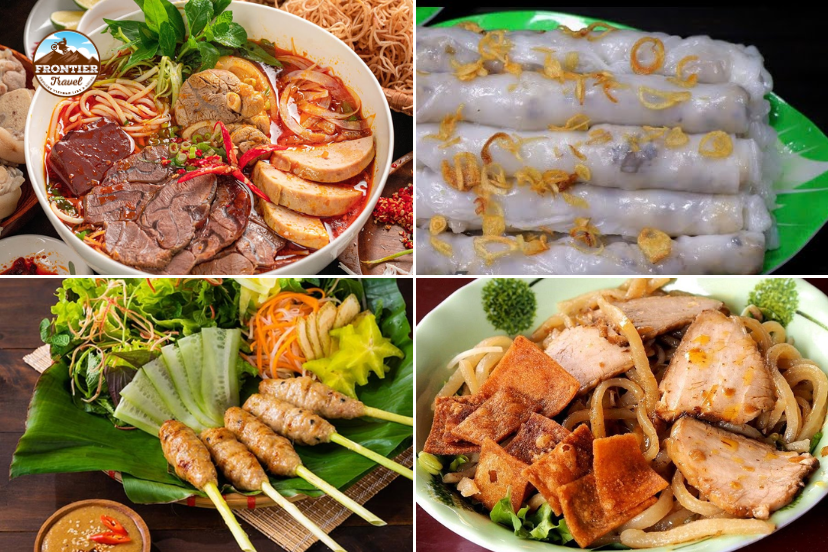
Central Vietnam's diverse cuisine offers a profound reflection of the region's unique cultural identity and heritage.
Da Nang – Quang Nam – Rustic and Hearty
Food in this region is more rustic and filling, shaped by everyday life rather than royal traditions.
- Mi Quang – turmeric noodles with pork, shrimp, and herbs
- Cao lau – thick noodles with pork and greens, unique to Hoi An
- Banh trang cuon thit heo – sliced pork wrapped with rice paper and herbs
- Goi ca Nam O – raw fish salad with herbs and fermented dipping sauce
Banh xeo, banh can, banh xeo tom nhay – savory pancakes in different local styles
Binh Dinh – Phu Yen (Xu Nau) – Coastal Simplicity
Cuisine here is simple, direct, and strongly influenced by the sea.
- Banh hoi long heo – fine woven rice noodles with boiled pork
- Banh it la gai – sticky rice dumplings wrapped in ramie leaves
- Goi ca – fresh fish salad with herbs
- Don – baby clam soup, light and comforting
- Banh canh – thick noodle soup, often served with fish
Nha Trang – Khanh Hoa – Seafood Focused
This coastal area is known for fresh seafood and clear, clean flavors.
- Bun cha ca – noodle soup with fish cakes
- Nem nuong – grilled pork rolls served with rice paper and herbs
- Ca dia – grilled or steamed local fish
Banh can – small rice flour cakes topped with seafood
Nghe An – Ha Tinh – Strong Regional Identity
Food here is bold and deeply local, reflecting a tough climate and strong traditions.
- Mien luon, chao luon, sup luon – eel noodles, porridge, and soup
- Nem chua (Thanh Hoa style) – fermented pork rolls
Keo cu do – peanut and malt candy, a regional specialty
Signature Fermented Sauces
Fermented sauces play a central role in Central Vietnamese cuisine and may taste unfamiliar at first, but they are essential to local food culture.
- Mam nem – a strong fermented fish sauce commonly served with rolls and salads
- Mam ruoc – finely fermented shrimp paste, especially important in Hue and central coastal dishes
These sauces add depth, aroma, and identity to many regional meals.
Why Central Vietnam Cuisine Stands Out
Central Vietnamese cuisine is intense but controlled, spicy yet thoughtful. It reflects resilience, regional pride, and a deep connection to both land and sea—making it one of the most distinctive and memorable culinary regions in Vietnam.
→ Explore now Top 18 Budget-friendly Vietnam Souvenirs That Are Still Special
2.3 Southern Vietnam – Generous, Sweet, and Free-Spirited
Southern cuisine reflects abundance and openness.
- Cơm Tấm Broken rice served with grilled pork, shredded pork skin, egg, and pickles—simple, filling, and iconic in Saigon.
- Hủ Tiếu Nam Vang A clear example of Vietnamese–Khmer–Chinese cultural exchange.
- Mekong Delta Bánh Xèo Large, crispy pancakes eaten with a wide variety of wild herbs, highlighting the richness of the region.
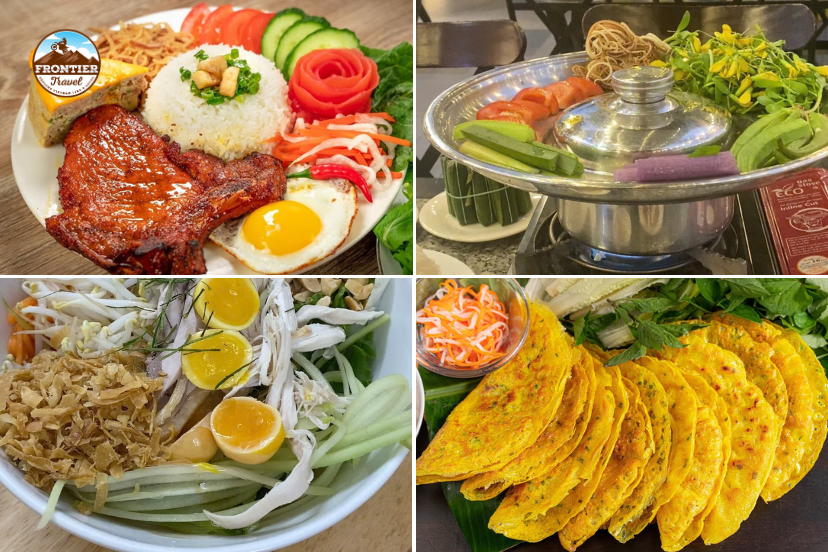
It's difficult to list all the outstanding dishes in just one article.
3. Traditional Dishes Often Missed by International Travelers
On long journeys, our guests are often most surprised by dishes rarely found on tourist menus:
- Braised Dishes (Kho) Clay-pot braised fish or caramelized pork—central to family meals.
- Canh Chua A light, sour soup made with tamarind, pineapple, and fresh seafood.
Fermented Sauces (Mắm) Strong in aroma but essential to Vietnamese culinary identity.
4. Eating Like a Local in Vietnam
4.1 Street Food Culture
Plastic stools, small stalls, no signs—but unforgettable flavors. Many travelers tell us street food is where Vietnam feels most real.
4.2 Local Markets
Waking up early to visit a local market is the best way to understand Vietnamese food—from ingredients to daily routines.
4.3 Vietnamese Coffee
From iced milk coffee to egg coffee and traditional phin brewing, coffee is not just a drink—it’s a rhythm of life.
5. Conclusion: Food as a Gateway to Vietnamese Culture
From North to South, Vietnamese cuisine tells different stories about people and place. At Frontier Travel Vietnam, we believe:
To understand food is to understand culture. To eat like a local is to truly experience Vietnam.
If you’re ready to move beyond pho and spring rolls, we’re ready to take you deeper—into real flavors, real lives, and real Vietnam.
FAQs – Vietnamese Food for First-Time Visitors
1. Is Vietnamese local food easy for international travelers to adapt to?
Yes. Vietnamese cuisine is known for its balance and lightness. Fresh herbs, clear broths, and moderate seasoning make it easy for most travelers to enjoy—especially when guided by locals.
2. Are there any dishes that might feel challenging for foreigners?
Some traditional ingredients, such as fermented shrimp paste, have strong aromas. However, when introduced gradually and eaten in the right context, many travelers end up appreciating their depth of flavor.
3. Should I eat at restaurants or street stalls?
Both offer valuable experiences. Restaurants provide comfort and consistency, while street food stalls and local markets reveal the true rhythm of daily Vietnamese life.
4. Does traveling with Frontier Travel Vietnam include meals with locals?
Yes. Sharing home-cooked meals with local families is a core part of our travel philosophy and one of the most meaningful ways to experience Vietnamese culture.
5. Where should first-time visitors start exploring Vietnamese cuisine?
Begin with everyday dishes that locals eat daily—simple, seasonal meals rather than tourist-oriented menus.