Northern Vietnam is a land of rich traditions, breathtaking landscapes, and a culinary culture shaped by thousands of years of history. From elegant Hanoi treats and mountain-smoked meats to coastal seafood and meaningful ceremonial cakes, Northern Vietnamese cuisine offers travelers a deep, authentic taste of Vietnam’s heritage.
This comprehensive guide by Frontier Travel Vietnam brings together the region’s most iconic specialties—what they’re made of, where they come from, and why they matter. Whether you’re exploring Hanoi, trekking through Sapa, or cruising in Ha Long Bay, these are the dishes and local gifts you shouldn’t miss.
A Cultural Introduction to Northern Vietnamese Cuisine
Northern cuisine is known for its balanced, subtle flavors, focusing on freshness and harmony rather than intense seasoning. Unlike the sweeter foods of Southern Vietnam or the spicy dishes of Central Vietnam, Northern dishes emphasize:
- Mild, natural seasoning
- Seasonal herbs
- Fresh ingredients
- Traditional cooking techniques passed down through generations
Vietnamese cuisine has been praised globally, even by renowned chef Gordon Ramsay, who highlighted the sophistication of Vietnamese dishes such as Pho. For travelers, exploring food in Northern Vietnam is a cultural experience as meaningful as visiting its temples, mountains, and historic streets.
.png)
Traditional Northern Vietnamese cuisine featuring regional specialties and cultural dishes
Hanoi and Surrounding Regions: Elegant & Timeless Specialties
Hanoi is the heart of Northern cuisine, offering refined snacks, traditional cakes, and artisanal teas that reflect the city’s poetic atmosphere.
Com Lang Vong – Hanoi’s Autumn Symbol
Com Lang Vong (green rice flakes) is made from young sticky rice lightly roasted and pounded into soft, aromatic flakes. Wrapped in lotus leaves, it carries a grassy sweetness and gentle fragrance.
Local tip: Enjoy Com with a cup of egg coffee near St. Joseph’s Cathedral during autumn—an iconic Hanoi experience.
.png)
Com Lang Vong green rice flakes wrapped in lotus leaves, signature Hanoi specialty
Ô Mai – Hanoi’s Sweet-Sour Preserved Fruits
Ô mai is a beloved treat made from apricot, plum, or dracontomelon preserved with salt, sugar, and ginger. It’s sweet, tangy, and perfect as a light snack or a souvenir.
You will find quality Ô mai shops all around the Old Quarter.
.png)
Hanoi preserved fruits (O Mai) with sweet-sour traditional flavors
Bánh Cốm & Bánh Xu Xê – Ceremonial Cakes of Happiness
These traditional cakes are widely used in Vietnamese wedding ceremonies:
Bánh Cốm
- Wrapped in green rice flakes
- Mung bean filling
- Soft, fragrant, lightly sweet
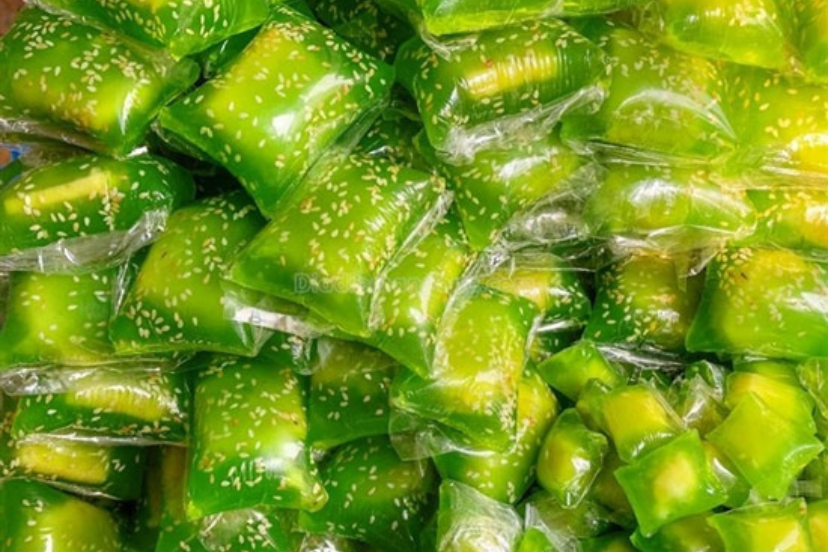
Traditional Banh Com with green rice shell and mung bean filling from Hanoi
Bánh Xu Xê (Phu Thê Cake)
- Golden, chewy tapioca wrapper
- Mung bean or green rice filling
Both cakes symbolize unity and harmony, making them meaningful, easy-to-carry gifts.
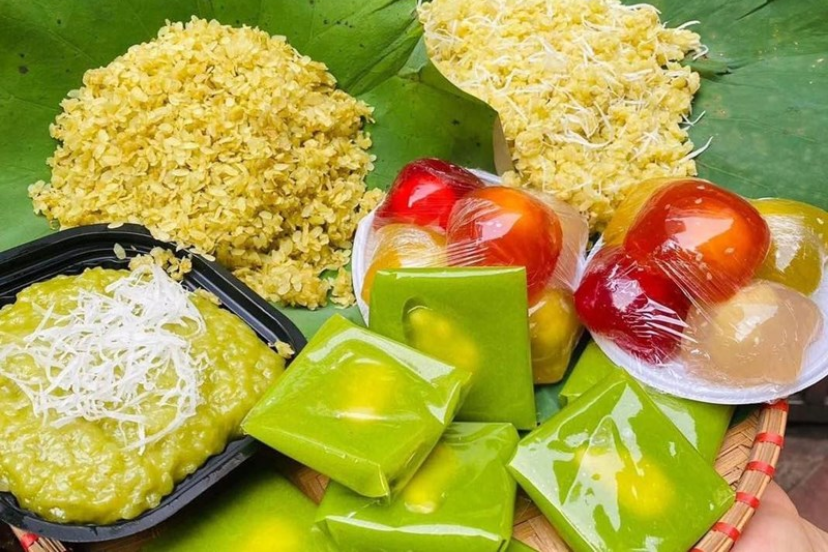
Vietnamese Phu The Cake with chewy tapioca wrapper and mung bean filling
West Lake Lotus Tea – The Refined Taste of Hanoi
Trà sen Tây Hồ is crafted by infusing premium green tea with lotus stamens harvested at dawn on West Lake. This delicate, aromatic tea is considered one of Vietnam’s finest traditional beverages.
Lotus tea is enjoyed slowly, at the right temperature, often in a peaceful setting—an expression of Vietnamese mindfulness and elegance.
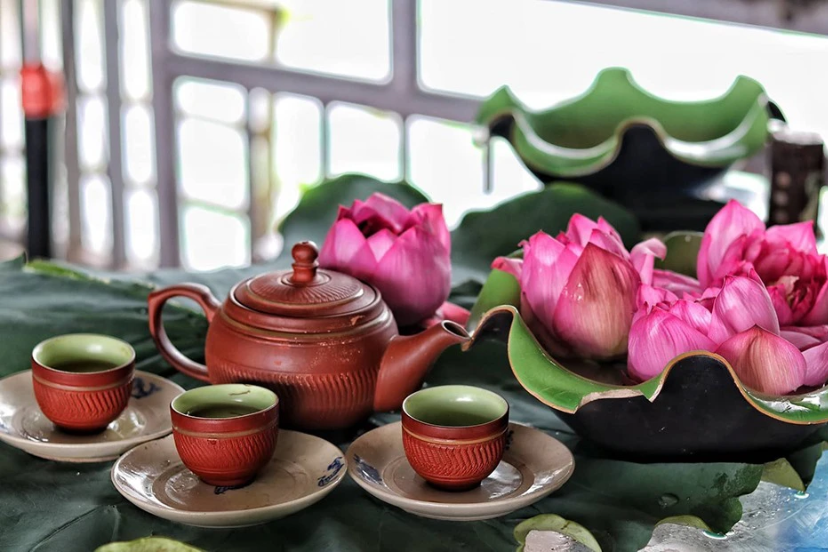
West Lake lotus tea infused with fresh lotus stamens, premium Hanoi tea
Nem Phùng – A Rustic Village Delight
Originating from Phùng village, this fermented pork snack combines sliced pork skin, lean pork, toasted rice powder, garlic, and chili. Wrapped tightly in leaves, it’s enjoyed with sung leaves and chili sauce.
Nem Phùng is a wonderful example of simple yet flavorful Northern village cuisine.
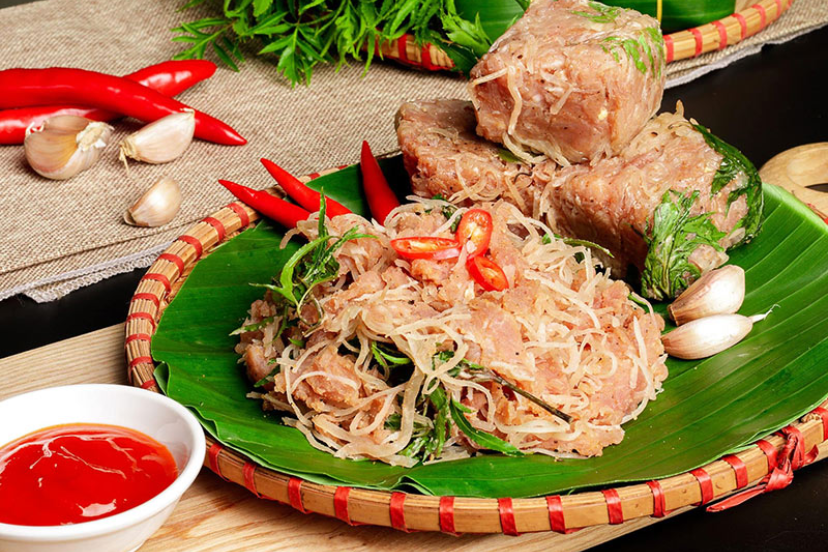
Nem Phung fermented pork mix wrapped in banana leaves, Northern village specialty
Mountain Flavors of the Northern Highlands
The highlands of Sapa, Mộc Châu, Mù Cang Chải, Hà Giang, and Điện Biên offer distinct culinary experiences rooted in ethnic minority traditions.
Smoked Buffalo Jerky – The Taste of the Northwest Mountains
Known locally as Thịt trâu gác bếp, buffalo meat is marinated with wild spices like mắc khén and hạt dổi, then smoked slowly over a wood-fire stove. The result is smoky, chewy, and deeply flavorful.
Travel note: This item may not be allowed on flights unless vacuum-sealed—check airline regulations.
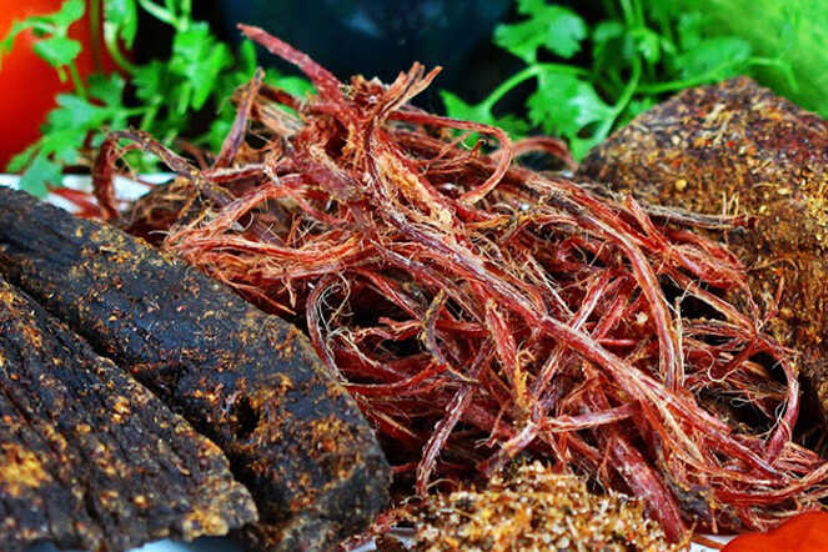
Smoked buffalo jerky marinated with mac khen and mountain spices from Northwest Vietnam
Traditional Highland Wines
Corn Wine (Bắc Hà)
Smooth, aromatic, sacred in Hmong culture.
Tao Meo Wine (Sapa)
Amber-colored wild apple wine with fruity notes and mild sourness.
San Lùng Wine (Dao Đỏ, Bát Xát)
Made from upland rice and forest herbs; clean, fragrant, and elegant.
These wines are commonly served to honored guests and during festivals.
Bamboo Shoots & Forest Herbs
From pickled bamboo to wild mountain spices, these ingredients represent the purity and natural richness of Northern forests. They are essential in soups, stews, and everyday mountain meals.
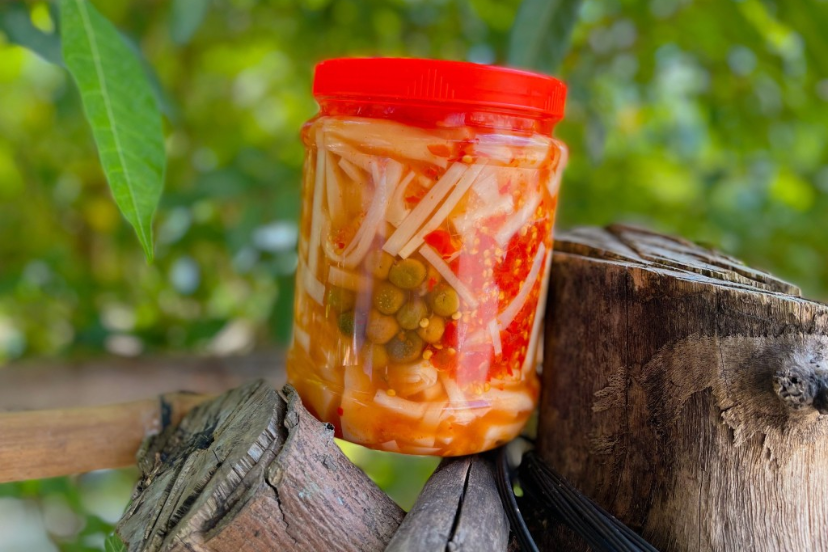
Pickled bamboo shoots and wild forest spices from Northern Vietnam highlands
Coastal & Delta Flavors of Northern Vietnam
Ha Long Squid Cake – A Seafood Masterpiece
''Chả mực Hạ Long'' is famous for its springy texture and naturally sweet flavor. Hand-pounded squid gives the dish its unique quality, making it a must-try for seafood lovers.
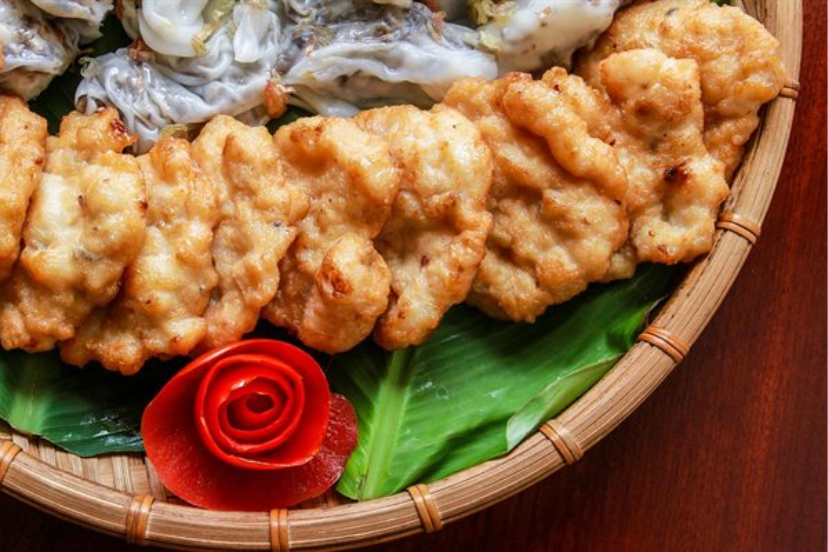
Ha Long squid cake hand-pounded for firm texture, famous Northern seafood specialty
Hai Phong Crab Spring Rolls – Crispy, Rich, Delicious
These square-shaped spring rolls contain crab meat, shrimp, vegetables, and glass noodles. They’re crispy, flavorful, and a highlight of Hai Phong cuisine.
Vu Dai Clay Pot Fish – A 12-Hour Slow-Cooked Tradition
Originally a Tet holiday specialty, this dish is slow-cooked for many hours in clay pots with caramelized sauce and spices. It has a deep, savory flavor and keeps well for travel.
Traditional Northern Sweets
- Bánh cáy Thái Bình – crunchy and lightly sweet
- Bánh gai Nam Định – soft black sticky rice cake
- Mứt sen & mơ gừng – elegant snacks for gifting
These treats reflect the simple yet meaningful flavors of Northern rural life.
Other Notable Savory Specialties
- Nem chua Thanh Hóa / Nem Yên Mạc – sweet-sour fermented pork
- Lạp xưởng Điện Biên – rich, smoky sausage seasoned with mountain herbs (Note: Not allowed on some flights)
Recommended Gifts for Travelers
If you're looking for souvenirs to bring home, consider:
- West Lake Lotus Tea
- Ô mai (preserved fruits)
- Hai Duong mung bean cakes
- Smoked buffalo (vacuum-sealed)
- Tao Meo wine (checked luggage only)
- Dried bamboo shoots
- Candied lotus seeds
These items are lightweight, unique, and meaningful.
Traveler Tips for Exploring Northern Cuisine
- Choose busy local eateries for freshness.
- Pair dishes with local teas for a full cultural experience.
- Avoid raw herbs if you have a sensitive stomach.
- Always check airline rules before bringing food onboard.
- Ask locals for authentic specialty shops—they know best.
FAQs About Northern Vietnamese Cuisine
What makes Northern Vietnamese cuisine unique?
Northern Vietnamese cuisine is known for its mild flavors, balanced seasoning, and emphasis on fresh, high-quality ingredients. Dishes focus on harmony rather than strong spices or sweetness.
Are the dishes spicy?
Most Northern dishes are not spicy. However, mountain cuisines—especially from ethnic minority regions—may include mild heat from local herbs and spices.
What foods are best to bring home as gifts?
Popular and easy-to-carry specialties include lotus tea, Ô mai (preserved fruits), mung bean cakes, and various dried fruits.
Where can travelers find authentic specialties?
Great places to shop for genuine local foods are Hanoi’s Old Quarter, ethnic markets in Sapa, and seafood villages around Ha Long Bay.
Can locally made wine be carried on flights?
Yes. Locally made wines can be transported, but only in checked luggage and must be properly sealed and packaged according to airline regulations.
What dishes should first-time visitors try?
Must-try dishes for newcomers include Com Lang Vong, Ha Long squid cake, Nem Phùng, and mountain-smoked buffalo from Northwest Vietnam.
Conclusion
Northern Vietnam’s cuisine is a vibrant blend of elegance, tradition, and regional identity. Every dish—from Hanoi’s refined treats to the smoky flavors of the Northwest—tells a story of culture, community, and pride. Whether you’re tasting, exploring, or bringing food gifts home, this region offers unforgettable experiences for every traveler.
Frontier Travel Vietnam invites you to discover these flavors and immerse yourself in the rich culinary heritage of Northern Vietnam.