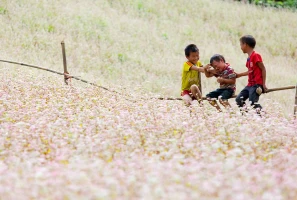
Vietnam – the cultural gem of Southeast Asia – is an ideal destination for travelers passionate about Vietnam cultural travel, where thousands of years of history blend harmoniously with deep spiritual beliefs and a vibrant modern lifestyle. For international visitors, exploring Vietnamese culture is more than just a journey; it is an immersive experience that connects them with the true essence of Asian culture. Join Frontier Travel Vietnam in discovering the unique cultural highlights you may not have known.
Overview of Vietnam Cultural Travel
Vietnam cultural travel focuses on exploring:
Traditional customs and social practices
Spiritual beliefs and religions
Community-based lifestyles
Tangible and intangible cultural heritage
Unlike many other Asian countries, Vietnamese culture is known for its warmth, harmony, and strong family values, allowing international travelers to connect easily and experience local life in an authentic way.
→ Explore now The Ultimate Guide To Navigating Tan Son Nhat Airport In Ho Chi Minh City
Ancestor Worship and the Harmony of Three Beliefs
Ancestor Worship – The Spiritual Foundation of Vietnamese Society
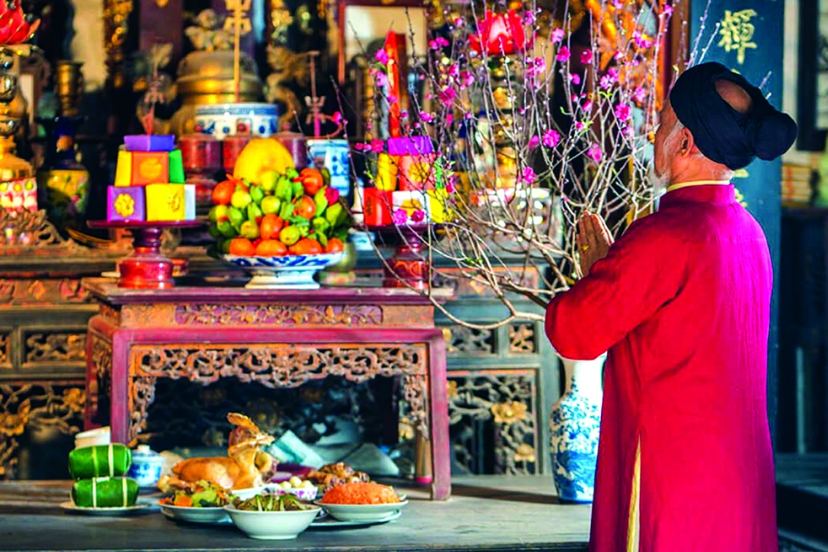
Ancestor worship is a moral and spiritual cornerstone of Vietnamese culture. In most Vietnamese households, the ancestral altar is placed in the most respectful position, symbolizing:
Filial piety
Gratitude toward one’s roots
A strong bond between generations
This cultural practice often leaves a deep impression on Western travelers experiencing Vietnam cultural travel through local family visits.
The Harmony of Confucianism, Buddhism, and Taoism
Vietnamese culture has been shaped by a harmonious blend of three major philosophies:- Confucianism (Confucius): moral values and social order
- Buddhism: compassion and the law of karma
- Taoism (Lao Tzu): living in harmony with nature
This balance creates a unique cultural identity that is tolerant, flexible, and free from extremism.
→ Explore more Top 18 Budget-friendly Vietnam Souvenirs That Are Still Special
Cultural Etiquette When Visiting Temples and Pagodas in Vietnam
When exploring spiritual sites—an essential part of Vietnam cultural travel—visitors should keep the following in mind:
Dress modestly, covering shoulders and knees
Maintain silence and move gently
Remove shoes before entering main worship areas
Avoid turning your back to Buddha statues when taking photos
These small gestures show respect for local culture and help ensure a more meaningful travel experience.
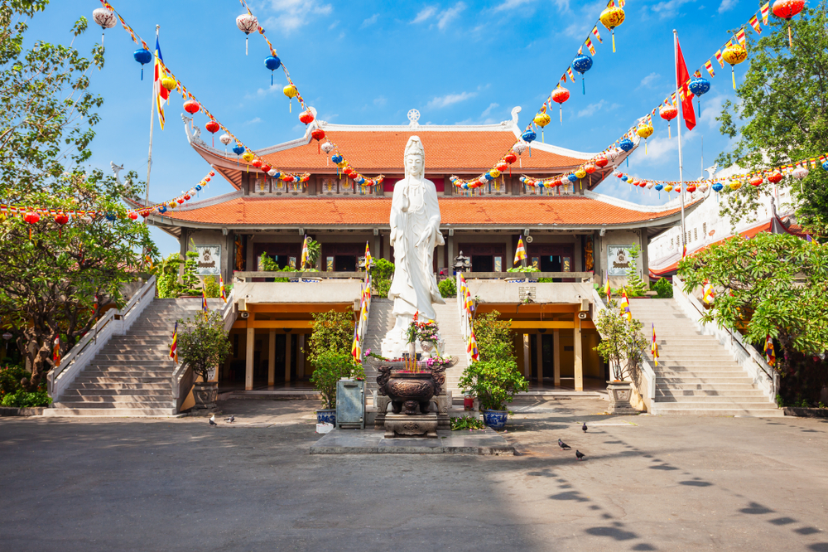
Buddhist temple in Vietnam reflecting Confucian and Taoist influences
The Cultural Diversity of Vietnam’s 54 Ethnic Groups
Vietnam is home to 54 ethnic groups, forming one of the most diverse cultural landscapes in Asia.
Representative Ethnic Groups
Kinh: the majority group, mainly living in lowland areas
H’Mong, Dao, Thai: Northern mountainous regions
Khmer: Southern Vietnam
Ede, Bahnar: Central Highlands
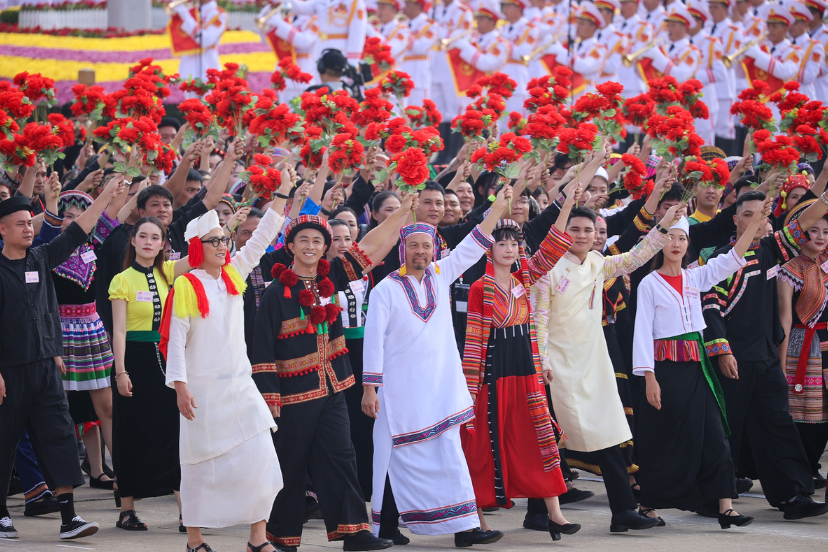
Ethnic minority people in northern Vietnam wearing traditional clothing
Travelers can:
Visit traditional villages
Experience handwoven brocade crafts
Participate in colorful local festivals
→ This diversity is a key highlight of Vietnam culture travel.
Traditional Vietnamese Clothing and Cultural Significance
Ao Dai – The Elegant Symbol of Vietnam
The Ao Dai is closely associated with the graceful beauty of Vietnamese women and is commonly worn during:
Festivals
Weddings
Important cultural events
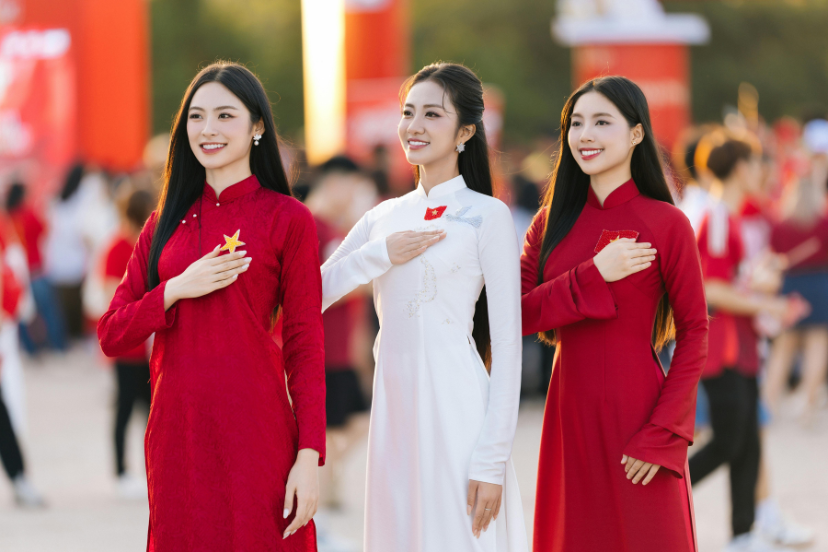
Vietnamese woman wearing Ao Dai in Hanoi Old Quarter
Blending tradition with modern design, the Ao Dai remains a living cultural symbol. International visitors often enjoy wearing Ao Dai for photo sessions in Hanoi, Hue, and Hoi An.
→ Explore more Vietnamese Traditional Dress: A Cultural Symbol Through The Ages
Ethnic Minority Traditional Costumes
Each ethnic group has its own distinctive costumes, characterized by unique patterns, colors, and designs that reflect:
Living conditions
Spiritual beliefs
Traditional aesthetics
→ Explore now Vietnam Motorbike Travel In January 2026: Why January Is The Best Time To Ride Across Vietnam
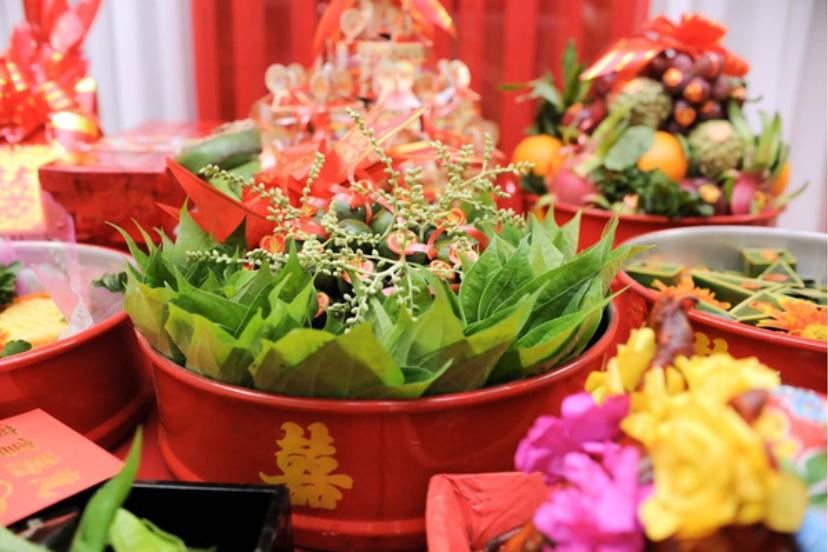
Betel Chewing Tradition – “Betel Is the Beginning of Every Story”
The tradition of betel chewing dates back to the Hung Kings era and is associated with:
Hospitality
Family bonds
Traditional marriage customs
Although no longer common in modern daily life, betel chewing still appears in:
Wedding ceremonies
Ancestral commemorations
Traditional rituals
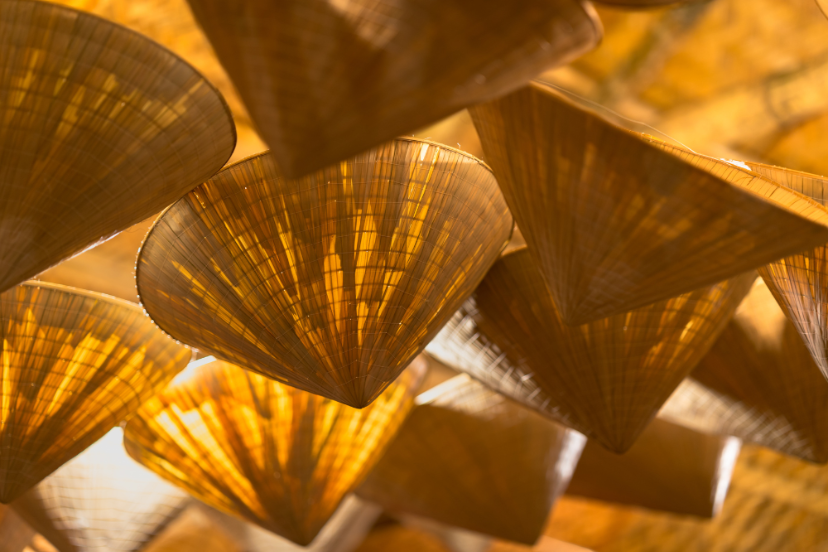
The Vietnamese conical hat (Non La) is a familiar image to international travelers.
Origin and Cultural Meaning
Appears in Dong Son bronze drum carvings
Closely linked to farmers and rural life
Symbolizes simplicity, elegance, and modesty
Beyond protecting from sun and rain, the conical hat represents Vietnam’s national cultural identity.
→ Explore now Must-Try Northern Vietnamese Specialties For Travelers
Dong Son bronze drums are:
Artistic masterpieces
Symbols of the Red River civilization
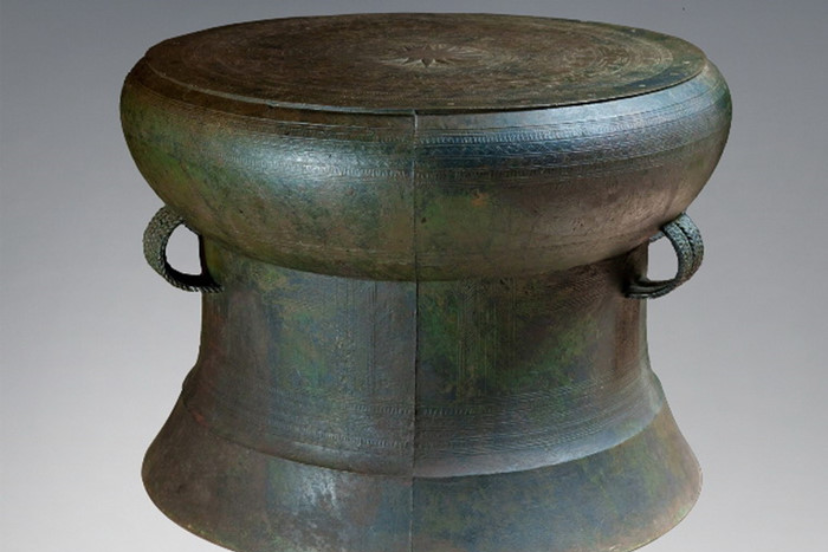
Dong Son bronze drum displayed in a Vietnamese museum
The motifs engraved on the drums depict:
Daily life
Spiritual beliefs
Community strength
These artifacts provide clear evidence of the historical depth behind Vietnam cultural travel.
→ Read now Explore The “Big Bike North Vietnam” Route: A Cinematic Journey Through The Northern Highlands
FAQs – Frequently Asked Questions About Vietnam Cultural Travel
Who is Vietnam cultural travel suitable for?
→ Vietnam cultural travel is suitable for a wide range of travelers, not limited to culture or history enthusiasts. Thanks to its diversity, accessibility, and welcoming atmosphere, Vietnam offers meaningful cultural experiences for many different travel styles and age groups.
What should foreign visitors keep in mind when visiting temples in Vietnam?
→ Dress modestly, remain quiet, and avoid turning your back to Buddha statues.
How many ethnic groups are there in Vietnam?
→ Vietnam has 54 ethnic groups, each with a distinct cultural identity.
Is the Ao Dai worn daily?
→ Today, it is mainly worn during festivals and special events.
What does the conical hat symbolize?
→ Simplicity, tradition, and Vietnamese cultural identity.
When is the best time for Vietnam cultural travel?
→ Spring and autumn are considered the most ideal seasons.
Conclusion
With its long history, deep spiritual roots, and rich cultural diversity, Vietnam cultural travel offers authentic and memorable experiences for international travelers from around the world. From ancient traditions to living heritage, Vietnam invites visitors to connect with its culture in a meaningful and lasting way.
Let Frontier Travel Vietnam accompany you on a journey to discover a Vietnam that is both timeless and vibrant.