Vietnam is a dream destination for motorbike enthusiasts, offering stunning scenery and unforgettable adventures. However, varying road conditions, weather and long distances make smart packing essential. The packing list for a motorbike tour in Vietnam below covers all the essentials for a safe, comfortable and enjoyable journey.
1. Documents for a motorbike tour in Vietnam
Riders need to carry an International Driving Permit (IDP) to legally operate a vehicle while touring in Vietnam, especially for foreigners.
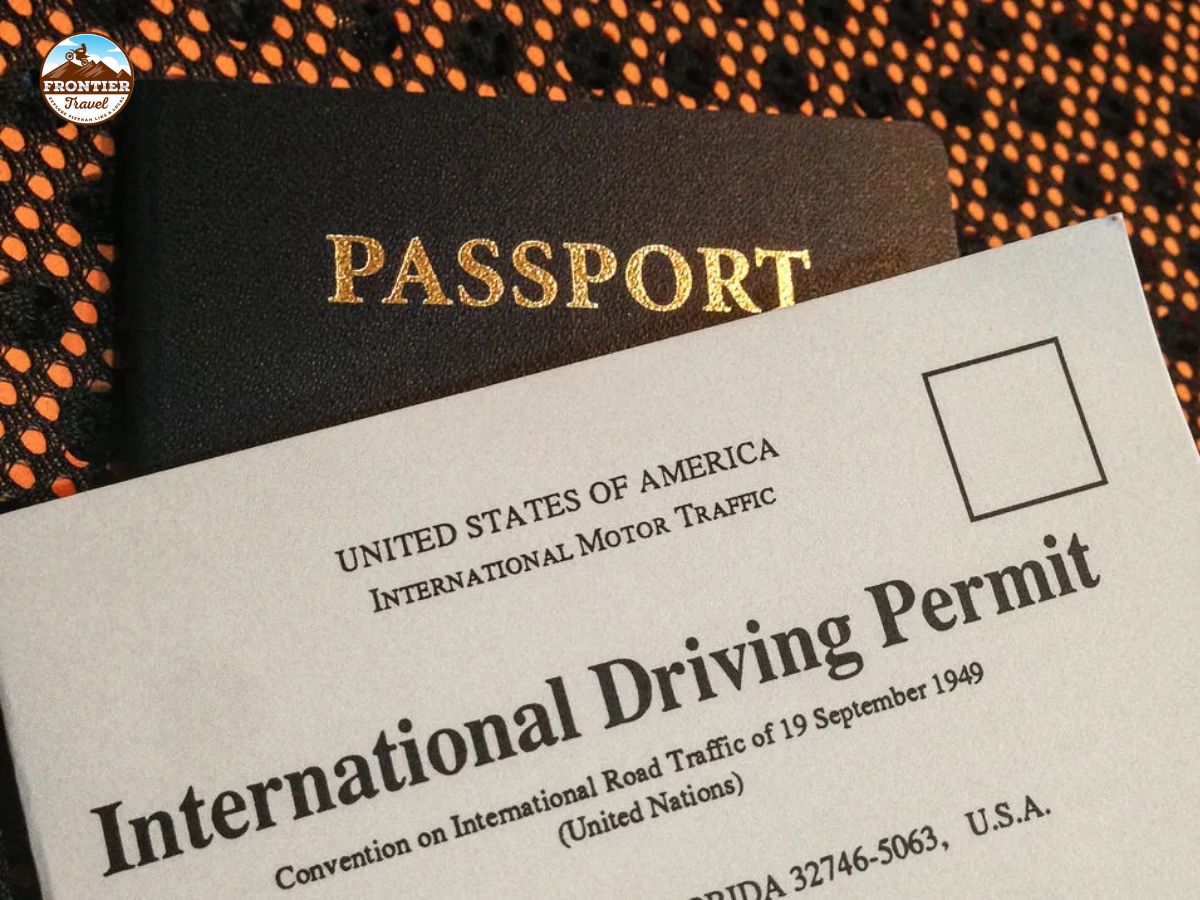
The IDP allows foreigners to drive legally in Vietnam without converting their license to a local one. It is recognized in many countries and must be accompanied by the original driver’s license.
Permitted vehicle types: The IDP specifies the type of vehicle, such as motorbike or car, so make sure to select the correct type for the vehicle you plan to ride on your tour.
How to use: Always carry both the IDP and the original driver’s license while on the road. Traffic police will check the IDP along with the original license to verify your right to operate the vehicle.
How to apply for an IDP:
Submit an application at the licensing authority in your home country (usually the traffic department or automobile association).
Prepare documents such as a copy of your original license, passport-sized photos, your passport, and the IDP application form.
Processing time usually ranges from a few days to several weeks, depending on the country.
Notes for use in Vietnam:
The IDP does not replace the original license; always carry the original license with you.
Check the expiration date of the IDP; it is usually valid for one year from the date of issue.
For long trips, it is recommended to keep a photocopy of the IDP in your backpack as a backup in case the original is lost.
>>> See more: How To Travel In Vietnam By Motorcycle Without A License
2. Essential safety gear for your packing list for a motorbike tour in Vietnam
When embarking on a motorbike tour, safety should always come first. Proper protective gear not only minimizes the risk of injury but also ensures a more comfortable and confident ride through challenging roads and changing weather conditions.
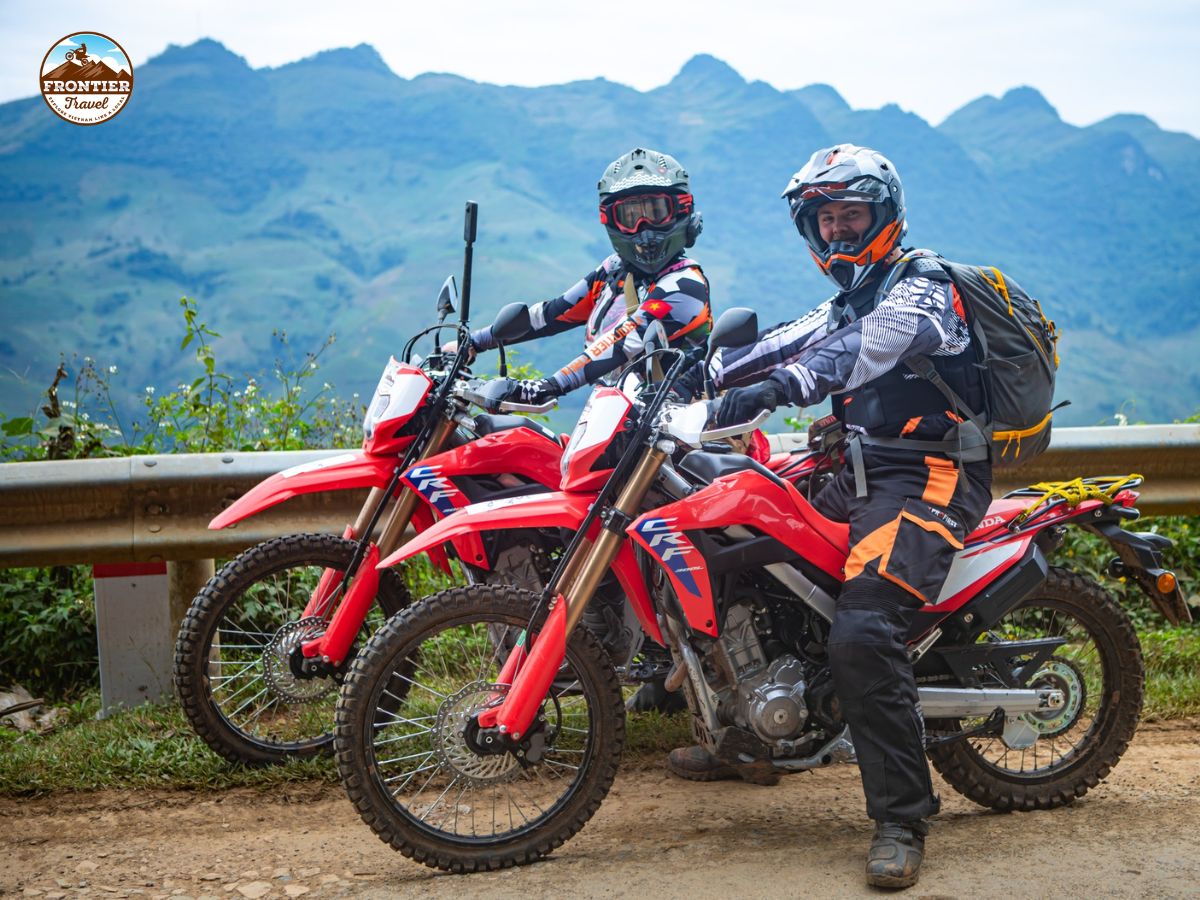
Body protection
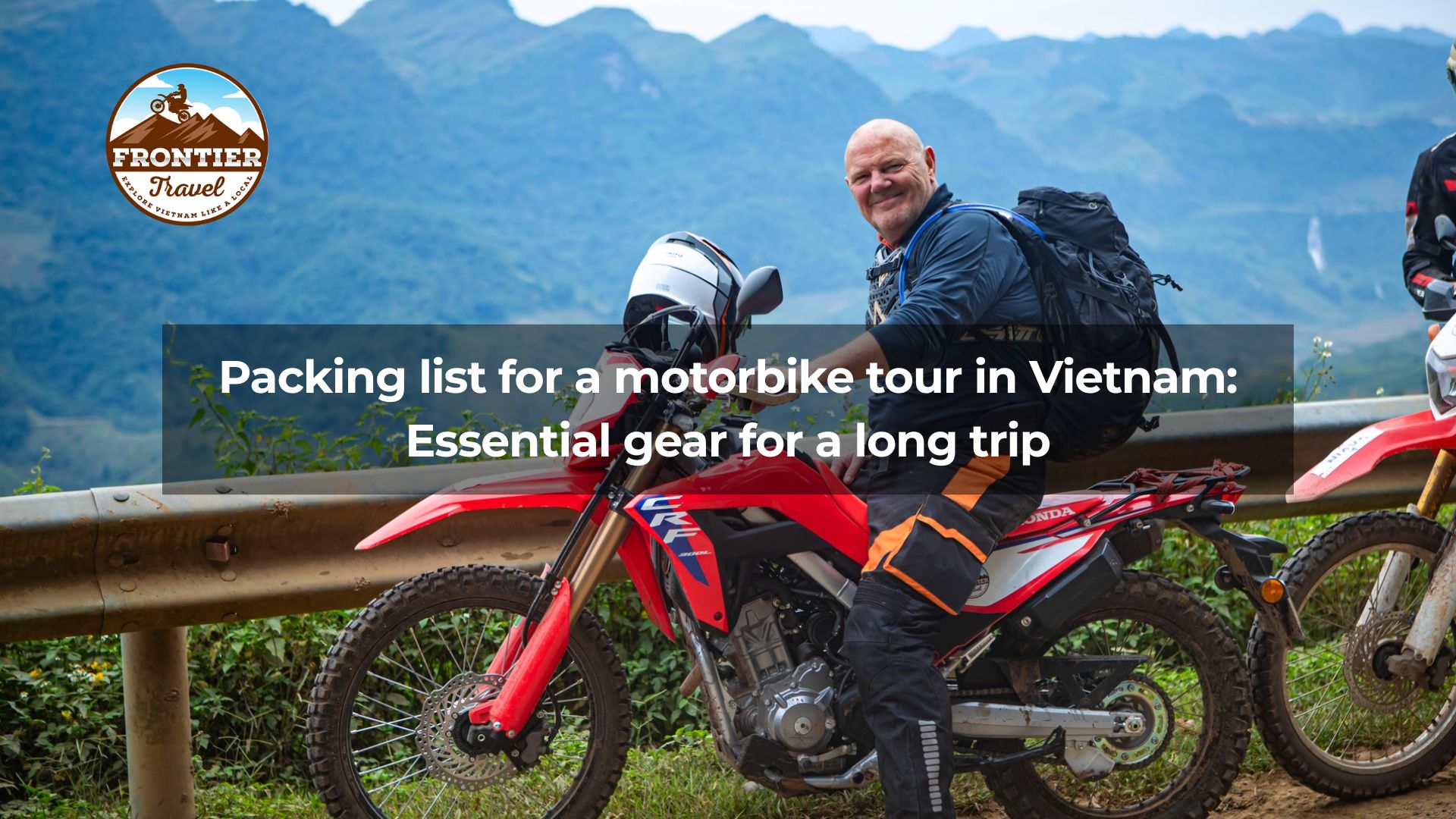
Helmet: The most important item for protecting your head. Opt for a full-face or modular (flip-up chin) helmet that meets safety standards such as ECE, DOT, or Quatest. A full-face helmet provides comprehensive protection for the head, face, and chin, while a modular helmet offers flexibility, allowing you to lift the chin section during breaks. Make sure the helmet fits snugly, the chin strap is secure, and the visor is clear and scratch-free. On guided motorbike tours, helmets are usually provided by the tour operator, so it’s a good idea to confirm this in advance.
Protective Armor: A specialized armor set helps minimize injuries in case of an accident. Options include full-body suits, armored pants, or separate pieces for arms, legs, and back. Choose armor that fits well, is lightweight, breathable, and strong enough to protect joints.
Gloves: Long-finger gloves made from anti-slip, abrasion-resistant materials are recommended. Besides protecting your fingers and knuckles, gloves shield against the sun and keep hands warm during early mornings or on high mountain passes. Waterproof gloves are a bonus for riding in the rain.
Boots/Shoes: Select high-top, sturdy, waterproof boots to protect ankles and feet on slippery roads or steep mountain passes. The soles should be non-slip, and the boots should fit snugly while remaining breathable for long rides.
Other safety items
Windshield/ Sunglasses: Protect your eyes from dust, insects, sunlight and UV rays. Use clear lenses on cloudy days or at night and tinted or polarized lenses under bright sunlight. Some lenses are scratch-resistant and anti-fog, which is especially useful on mountain passes.
Rain Suit (Full Set): A full rain suit that covers both top and bottom is preferable to a poncho-style raincoat, as it provides complete protection during heavy rain. Choose lightweight, compact and foldable options that are breathable enough for extended wear.
3. Personal luggage and clothing for your packing list for a motorbike tour in Vietnam
Packing smartly is just as important as riding safely. A well-prepared packing list for a motorbike tour in Vietnam ensures you bring the right clothing and personal essentials, giving you comfort, good hygiene and proper protection for both you and your gear throughout the entire adventure.
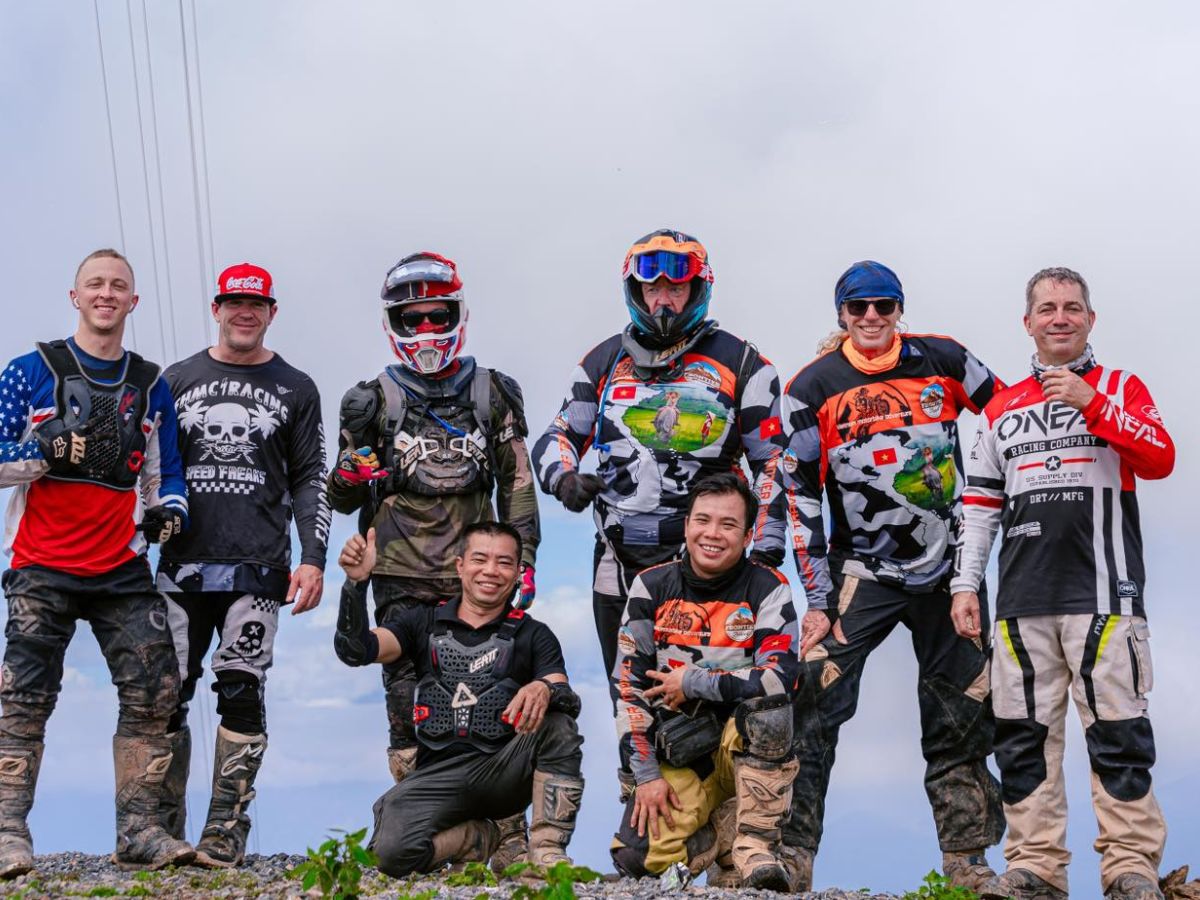
Clothing (Rule of Thumb: “Less is More”)
Riding Clothes: Prioritize lightweight, breathable and quick-drying fabrics for comfort during long hours on the road. These materials help regulate body temperature, wick away sweat and dry quickly after rain or river crossings.
Insulating Jacket: Bring a warm jacket or fleece layer, especially for high-altitude areas or chilly evenings. Mountain passes and early morning rides can be surprisingly cold, so a compact thermal layer can make a big difference.
Specialized Socks: Choose moisture-wicking, quick-dry socks to prevent blisters and keep feet comfortable during long rides. Multiple pairs allow you to change daily and maintain hygiene.
Personal essentials
Quick-dry towel: Lightweight and compact towels dry fast, making them ideal for impromptu stops, camping, or hostel stays.
Toiletries: Bring a toothbrush, toothpaste, and other small personal hygiene items. Consider travel-sized containers to save space.
Hand sanitizer & tissue: A small bottle of hand sanitizer, wet wipes, or tissues comes in handy for roadside stops, restrooms, or quick clean-ups.
Mini trash bag: Carry a small bag to collect trash during the ride, helping you keep rest areas and campsites clean.
Luggage protection
Dry Bag / Waterproof Bag: Essential for protecting electronics, important documents, and spare clothes. Choose a bag that is durable, fully waterproof and easy to secure on your bike. Dry bags ensure your valuables stay safe even in heavy rain or accidental water exposure.
4. Health and medical essentials
Maintaining your health on the road is just as important as riding safely. Bringing essential medications, a first aid kit and protective items ensures that you are prepared for minor injuries or health issues during your journey.
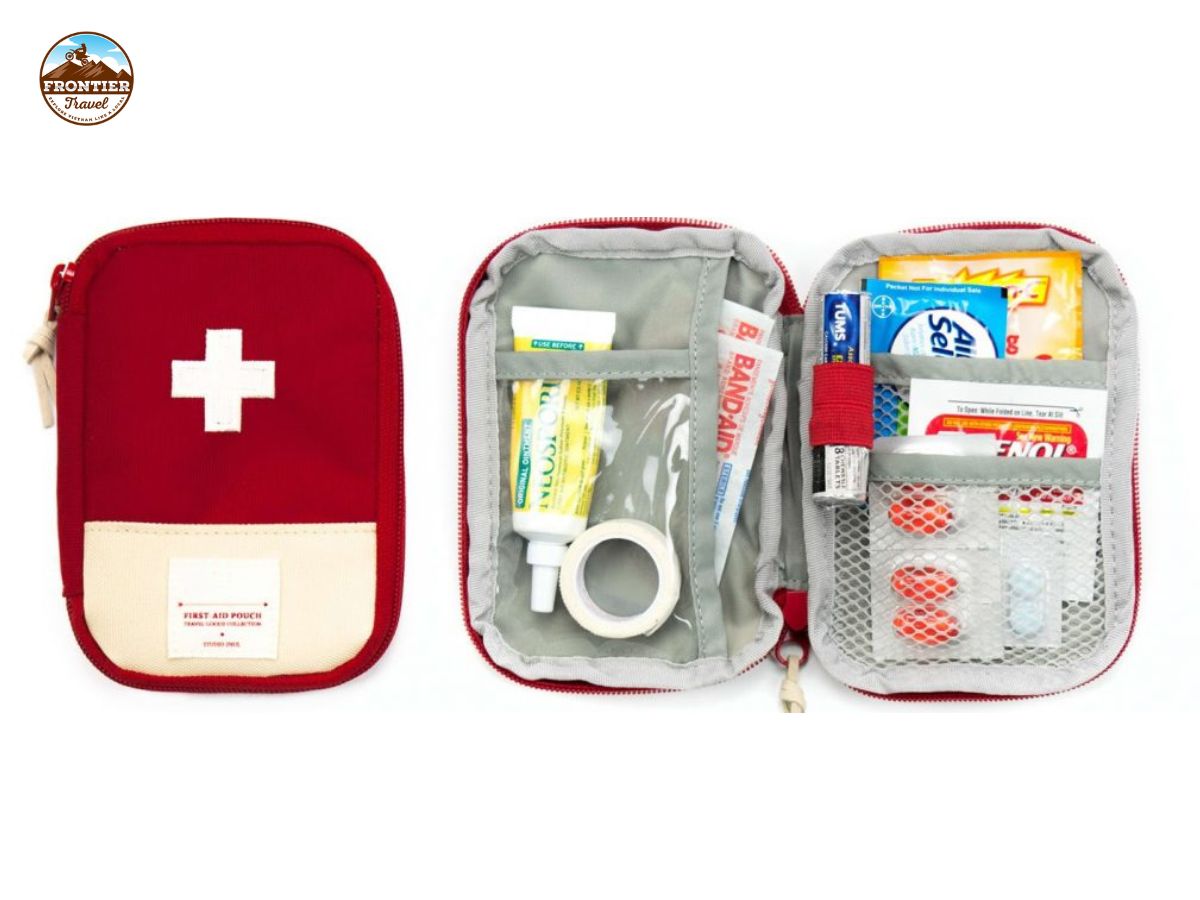
Personal medications
Prescription medications: If you have any specific health conditions, bring enough of your prescribed medications for the entire trip. Keep them in their original packaging with labels to avoid confusion.
Pain relief & Common remedies: Carry basic medications for headaches, fever, stomachaches, or digestive issues. These can be lifesavers on long rides where pharmacies may be far away.
Basic first aid kit
Bandages & gauze: Include adhesive bandages, gauze pads and medical tape to manage small cuts or scrapes.
Disinfectants: Pack antiseptic solutions, alcohol wipes, or disinfecting gel to clean wounds immediately and prevent infections.
Topical ointments: Bring insect bite creams, burn ointments, or antiseptic creams for minor injuries, scratches, or sunburns. These are particularly useful during camping or in remote areas.
Body protection & comfort
Sunscreen: Choose a high SPF sunscreen to protect your skin from prolonged sun exposure, especially on open roads and mountain passes.
Ointments for Muscle Relief: Essential oils, medicated balms, or heat rubs (like topical “dầu gió” or warming oils) can help relieve sore muscles, stiffness, or fatigue after long hours of riding.
>>> See more: The ultimate Vietnam motorbike tour guide for beginners
5. Finances and money management for your trip
When preparing for a motorbike tour in Vietnam, carrying enough cash is still one of the most essential things to keep in mind. Make sure to have both small and large denominations to cover all situations. Small bills (1,000 – 20,000 VND) are useful for minor expenses such as tolls, parking, buying drinks or snacks, or other small costs along the way. Larger bills (50,000 – 500,000 VND) are needed for payments at bigger stores, local markets, or when purchasing souvenirs and specialty items.
If you are joining a full-package motorbike tour in Vietnam, most major expenses such as hotels, accommodations, fuel, or even some meals are already included. This means you won’t need to carry too much cash for essential services. However, it’s still a good idea to bring some cash to freely buy personal items, souvenirs, or enjoy extra experiences during the trip, making your journey more enjoyable and flexible.
For safety, avoid keeping all your cash in one place; divide it between your wallet, waterproof bag or a secure pouch on your person. Additionally, bringing a bank card or international payment card will make it easier to withdraw money or pay at ATMs and stores, especially in areas where cash is less commonly used.
With thoughtful preparation and smart money management, your Vietnam by motorcycle adventure will be smoother, safer and filled with more freedom to enjoy every moment on the road.
The packing list for a motorbike tour in Vietnam above includes all the essential items for a safe and enjoyable journey. This list will serve as a reliable companion, helping your trip be complete, flexible and full of memorable experiences. We hope you can use these suggestions to prepare thoroughly for your adventure.
If you are planning a motorbike tour in Vietnam, Frontier Travel Vietnam will be a trusted partner, supporting you to explore stunning routes and make the most of every moment on the road.