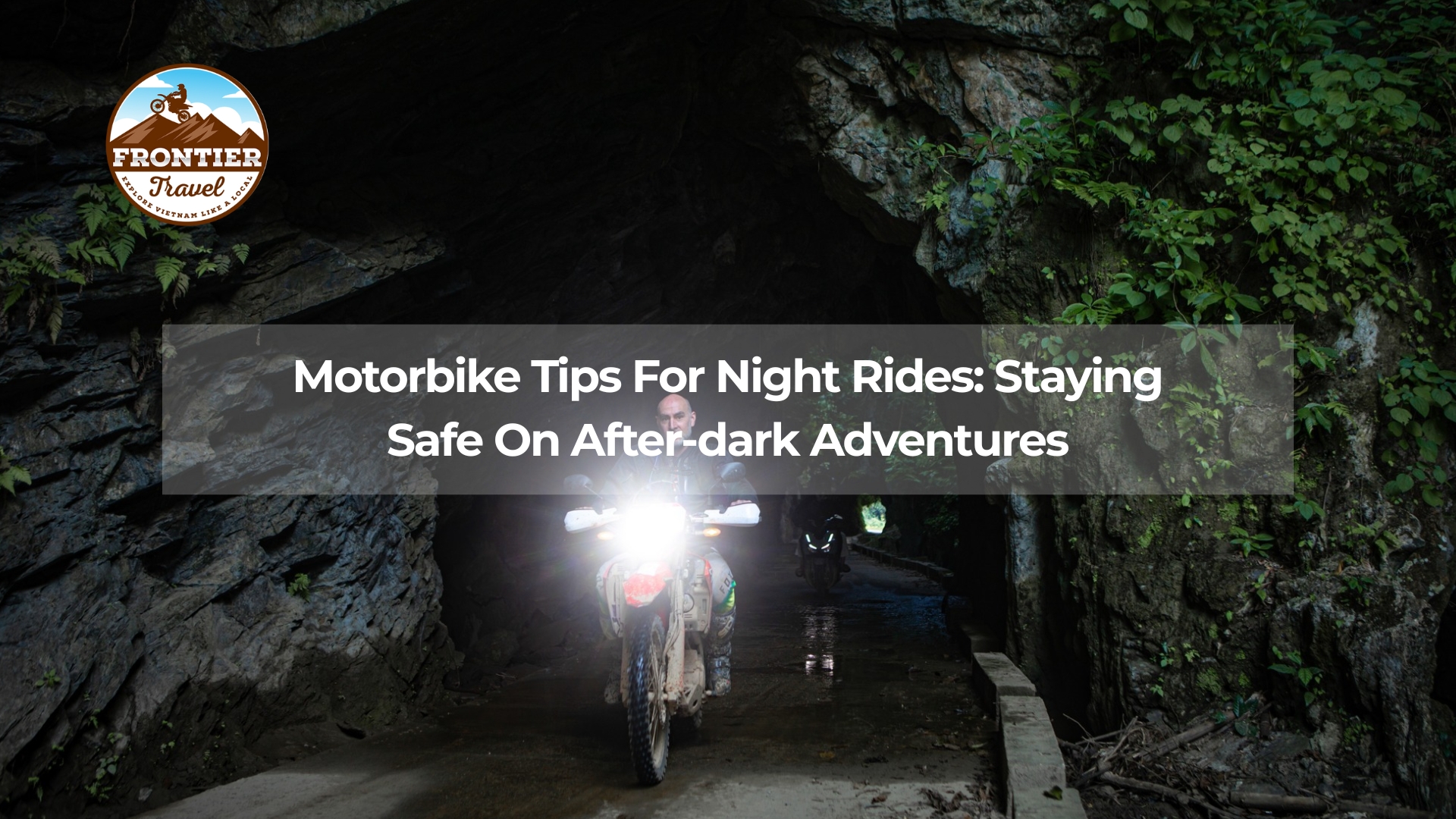
 Riding a motorbike at night offers a unique sense of freedom and adventure, but it also comes with added risks. Limited visibility, unexpected obstacles, and fatigue make night riding more challenging than daytime trips. This article shares key motorbike tips for night rides, especially useful for those planning Vietnam motorcycle trips, along with important reminders to help you stay safe and prepared during after-dark journeys.
1. Why does night riding require special attention?
Motorbike tips for night rides are especially important, as darkness can quickly turn even familiar roads into unexpected challenges. Below are some key reasons why riders need to be mentally prepared and stay extra cautious.
- Reduced visibility: Darkness makes it harder to judge distances, identify road hazards, and notice sudden changes in traffic conditions. Even familiar roads can feel unpredictable at night, especially in rural or mountainous areas with little or no street lighting.
- Hidden road risks: Potholes, loose gravel, animals, or unexpected obstacles are much more difficult to spot after sunset, increasing the risk of accidents.
- Slower reactions from other road users: At night, drivers may struggle to see motorbikes clearly, while pedestrians or animals can suddenly appear from the darkness.
- Rider fatigue: After a long day of riding, tiredness can reduce concentration, slow reaction times, and affect decision-making.
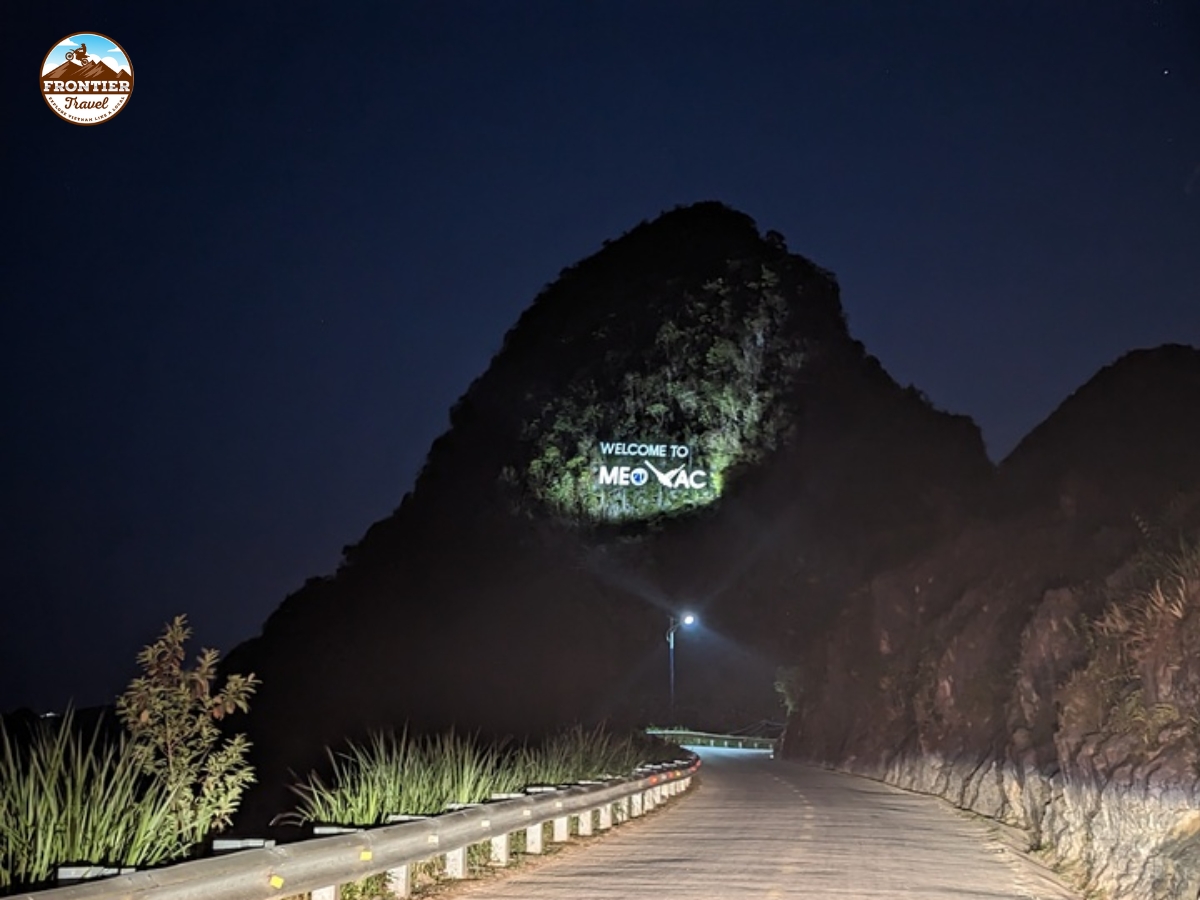
Mountain passes at night are often hard to see, so drive slowly and stay cautious.
2. Preparing your motorbike before riding at night
Proper preparation is a key part of motorbike tips for night rides. Before setting off, make sure your motorbike is in good condition, as even small technical issues can become serious problems in low-light conditions.
- Check headlights and taillights: Ensure your headlight works properly on both low and high beams, and that taillights and brake lights are bright and clearly visible to other road users.
- Inspect turn signals: All indicators should function correctly so your intentions are clear when changing direction at night.
- Check brakes: Test both front and rear brakes to make sure they respond smoothly and effectively.
- Tires condition and pressure: Good tire tread and proper air pressure help maintain stability on dark or uneven roads.
- Mirrors and reflectors: Adjust mirrors for clear rear visibility and make sure reflectors are clean and unobstructed.
- Fuel and basic tools: Always start a night ride with enough fuel and carry basic repair tools in case of emergencies.
3. Common mistakes to avoid when riding at night
- Riding at night requires a different mindset compared to daytime travel. Avoiding these common mistakes can significantly reduce risks and help ensure a safer night ride.
- Riding too fast: Limited visibility at night makes it harder to react to sudden obstacles, so excessive speed greatly increases the risk of accidents.
- Overusing high beams: Headlights only illuminate a limited area ahead; potential hazards can still appear outside the beam’s range.
- Ignoring fatigue: Continuing to ride while tired can slow reaction times and impair judgment, increasing the likelihood of mistakes.
- Wearing dark or non-reflective clothing: This makes it harder for other road users to see you in low-light conditions.
- Not maintaining a safe distance: Following too closely reduces reaction time, especially when visibility is limited.
4. Tips for riding a motorbike at night
The following tips for riding a motorbike at night will help you stay safe, alert and confident during your after-dark journeys.
Riding techniques for low-light conditions
- When facing headlights from oncoming vehicles, avoid looking directly into the light to prevent temporary glare and loss of vision.
- Shift your gaze slightly toward the right edge of the lane, using lane markings or the roadside as visual references to maintain safe direction.
- When appropriate, you can ride behind another vehicle at a safe distance to take advantage of their headlights, helping you spot curves, potholes, or obstacles earlier.
- Look farther ahead and continuously scan both edges of your headlight beam to detect pedestrians, unlit vehicles, or animals crossing the road.
- Pay extra attention when riding through rural areas, mountain roads, or poorly lit sections of the route.
- Apply smooth and controlled braking, acceleration, and steering inputs, avoiding sudden or abrupt movements in low-visibility conditions.

Managing speed and distance at night
- Ride within your visible range: Only travel as far as your headlights allow you to see and be able to stop safely. Limited headlight range requires reducing speed to allow sufficient reaction time.
- Slow down on unfamiliar or challenging roads: On roads without street lighting, unknown routes, or complex terrain, ride slower than you would during the day.
- Maintain a safe following distance: Keep at least a four-second gap behind the vehicle in front to have enough time to react to sudden stops, obstacles, or poor road conditions.
- Use high beams appropriately: Use high beams on empty roads with no oncoming traffic to extend visibility. Switch back to low beams immediately when approaching other vehicles or riding behind another vehicle to avoid glare and ensure safety.
Fatigue management and staying alert
Fatigue is one of the leading causes of accidents during night riding. To stay safe, consider these tips:
- Prepare your body before the trip: Avoid starting a long night ride after a stressful day or when you are sleep-deprived.
- Take regular breaks: Stop at least every two hours to rest. Getting off the bike, walking, stretching, and drinking water helps you stay alert.
- Stay hydrated and eat lightly: Drink enough water and eat small, light meals. Avoid heavy meals that can make you sleepy.
- Use accessories to stay focused: Earplugs for wind noise or a helmet communication system with light, upbeat music or conversation with a companion can help maintain concentration.
- Listen to your body: If you feel drowsy, distracted, or notice slower reactions, find a safe, well-lit spot to rest. A short nap of 15 - 20 minutes can be enough to continue riding safely.
Riding a motorbike at night brings a unique sense of adventure, but it also comes with added risks. Staying alert and riding cautiously allows you to enjoy the thrill of night riding safely, making your Vietnam motorcycle trip memorable and secure. We hope that the information provided by Frontier Travel Vietnam will help you have a safer, more enjoyable and fulfilling night riding experience.