Vietnam is not defined only by iconic destinations such as Ha Long Bay or the ancient town of Hoi An. Beyond these well-known landmarks, the northern mountains and highland regions are home to 54 ethnic communities, each with its own language, customs, and systems of indigenous knowledge shaped over generations.
Exploring ethnic minority Vietnam culture is therefore not simply a form of sightseeing, but a journey of learning and understanding. When approached with care and respect, cultural travel Vietnam offers travelers meaningful, immersive experiences while also contributing to the preservation of living cultural heritage and the long-term livelihoods of local communities.
1. The Allure of the Highlands: Why Seek a Hill Tribe Vietnam Experience?
A genuine hill tribe Vietnam experience does not come from simply “observing” culture, but from living alongside it. It begins with waking up in the mountain mist and helping a host family prepare the morning meal; continues in the afternoon by watching a Hmong woman patiently weave hemp fabric by hand; and ends in the evening gathered around a hearth, listening to stories of harvests, family lineages, and the surrounding mountains.
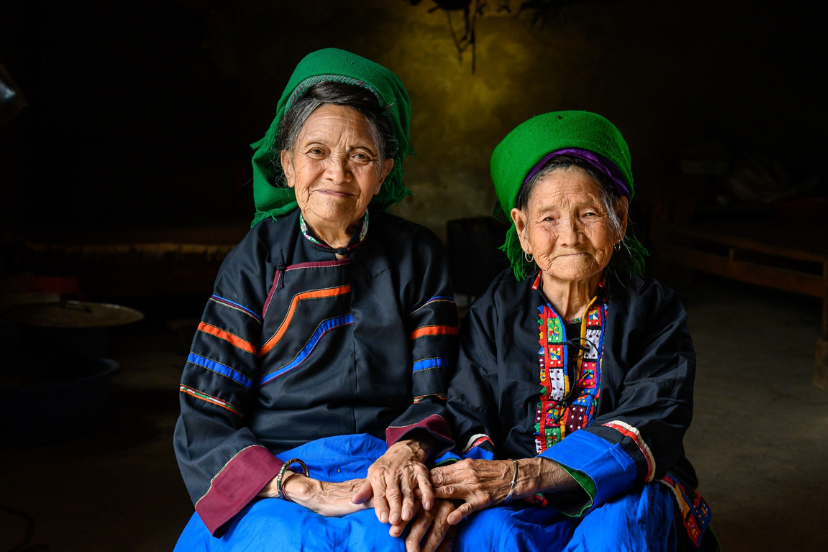
Smiling ethnic minority woman in northern Vietnam wearing traditional clothing, representing ethnic minority Vietnam culture.
Smiling ethnic minority woman in northern Vietnam wearing traditional clothing, representing ethnic minority Vietnam culture.
In regions such as Ha Giang, Sa Pa, and Cao Bang, nature and human life are deeply intertwined. Terraced rice fields, stilt houses, and weekly markets are not merely scenic elements, but the result of centuries of adaptation to challenging terrain and climate. Recognizing this relationship allows travelers to approach ethnic minority Vietnam culture with genuine respect and admiration.
2. The Best Way to Explore: Motorcycle Tour Vietnam
A Motorcycle tour Vietnam offers access to remote villages tucked deep within valleys, places that larger vehicles simply cannot reach. Traveling by motorcycle allows for flexibility—stopping spontaneously at a local market or accepting a cup of tea when invited by villagers sitting outside their homes.
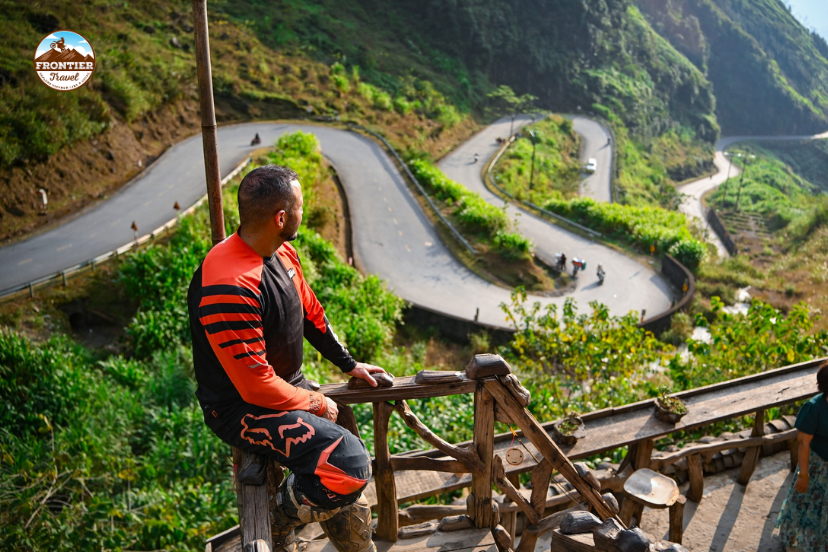
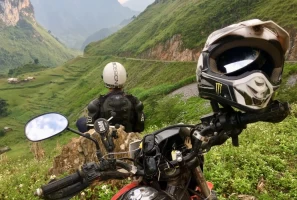
Motorcyclists riding the Ha Giang Loop through ethnic minority villages in northern Vietnam.
Without the barrier of a vehicle window, travelers can clearly feel the mountain wind, the scent of damp earth, and the unhurried rhythm of highland life. This sense of closeness forms the core of cultural travel Vietnam—travel that seeks human connection rather than simply capturing images.
At the same time, mountainous regions require a deep understanding of both terrain and local culture. Professional operators such as Frontier Travel Vietnam play an essential role in designing safe routes while ensuring that journeys do not intrude on the privacy or spiritual spaces of indigenous communities.
3. How to Travel Respectfully: Core Principles of Cultural Travel Vietnam
Respectful travel is the foundation for preserving ethnic minority Vietnam culture in an increasingly globalized world.
Ask before you snap: Always ask for permission before taking photographs, especially of elders and children. In many communities, images are closely connected to spiritual beliefs and personal dignity.
Dress modestly: Wearing appropriate, modest clothing when entering local homes or spiritual spaces demonstrates respect for cultural norms and shared values.
.png)
Traveler riding a motorcycle through the northern Vietnam highlands, experiencing mountain wind and local life during cultural travel Vietnam.
Support locally: Prioritize purchasing handmade products directly from local artisans. This helps sustain traditional livelihoods and reduces reliance on mass-produced goods.
Mind your manners: Take time to learn basic cultural taboos, such as seating arrangements inside the home, appropriate ways to offer drinks, or times when it may be inappropriate to visit. These small considerations can make a significant difference in the quality of your experience.
4. Frontier Travel Vietnam: Your Bridge to Authentic Culture
The travel philosophy of Frontier Travel Vietnam focuses on remote frontier regions, where local cultures have not yet been heavily commercialized. Traveling with local guides allows visitors not only to overcome language barriers, but also to gain deeper insight into cultural contexts, rituals, and the challenges these communities face today.
Local guides act as cultural interpreters, ensuring that each interaction is both meaningful and respectful. This approach is what allows cultural travel Vietnam to become a two-way experience—one that benefits travelers while also supporting and respecting local communities.
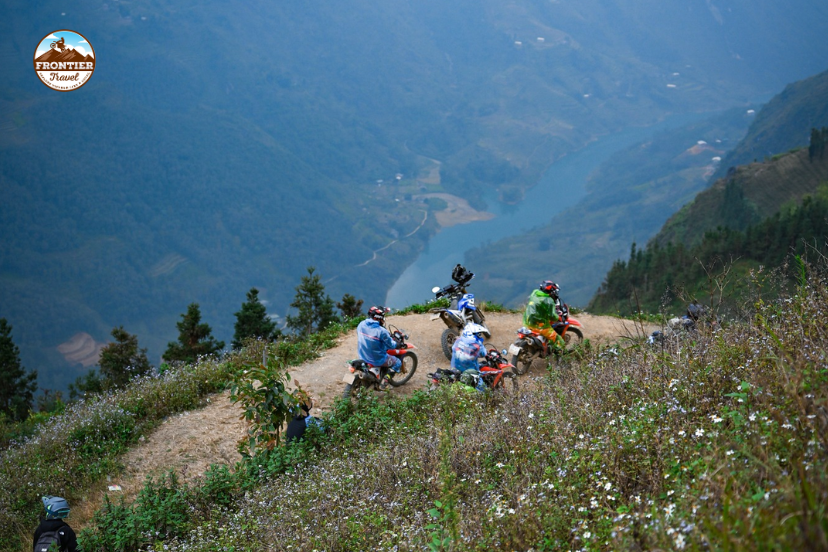
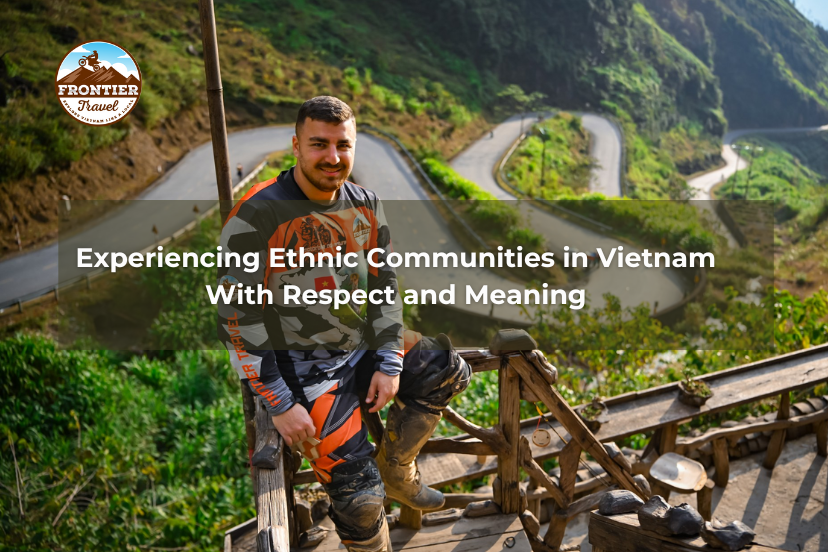
Frontier Travel Vietnam motorcycle tour crossing a highland mountain pass in northern Vietnam.
5. Suggested Tours with Frontier Travel Vietnam
Northern Vietnam Motorcycle Cultural Loop: A journey through Ha Giang and the Dong Van Karst Plateau, combining carefully selected homestays with direct engagement with Hmong, Dao, and Lo Lo communities.
Ethnic Immersion Motorcycle Tour: A slow travel experience with shorter daily distances, focusing on traditional crafts, family life, and local markets.
Custom Cultural Motorcycle Expedition: A tailor-made itinerary designed around seasonal festivals or specific ethnic groups, with limited group sizes to minimize community impact.
These journeys are developed to ensure safety, cultural respect, and long-term sustainable value for local communities.
6. Conclusion
Travel in the highlands is truly meaningful only when it creates sincere and lasting connections. When approached with respect for ethnic minority Vietnam culture, each journey can contribute to the preservation of cultural heritage and the strengthening of local livelihoods.
If you are seeking a travel experience that is immersive, safe, and responsible, consider traveling with Frontier Travel Vietnam. Their carefully designed Motorcycle Tour Vietnam itineraries allow you not only to pass through landscapes, but to understand the people and stories that define them.
FAQs
1. When is the best time to explore Vietnam’s highland regions?
Autumn (September–November) offers cooler weather and golden rice harvests, while spring (February–April) is marked by many traditional festivals across highland communities.
2. Is a Motorcycle Tour Vietnam suitable for beginners?
Yes. Motorcycle tours can be suitable for beginners when traveling with a professional operator and following a carefully designed, safety-focused itinerary.
3. How can travelers avoid culturally intrusive tourism?
By asking for permission before taking photos, listening with respect, following local customs, and purchasing handmade goods directly from community members.
4. Is it appropriate to give money to children in highland areas?
It is generally discouraged. If you wish to offer support, consider doing so through families, schools, or community-based initiatives rather than giving directly to children.
5. Is language a major barrier when traveling in remote areas?
Language differences exist, but local guides provide effective support. An open, respectful attitude also helps bridge communication gaps.
6. Why choose Frontier Travel Vietnam?
Because of their extensive experience in Vietnam’s highland regions, strong safety standards, and long-term commitment to sustainable travel that benefits local communities.