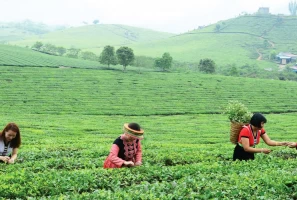
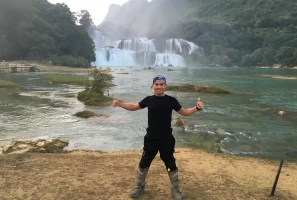
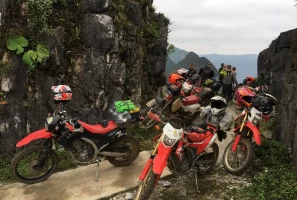
In Vietnam, some mountain passes challenge drivers not only with steep heights and sharp curves, but also with stretches that run for dozens of kilometers. As travelers move from one mountain range to another, they feel the vast scale and grandeur of the landscape. Below are the 05 longest mountain passes in Vietnam, where every journey is both a driving challenge and a scenic experience.
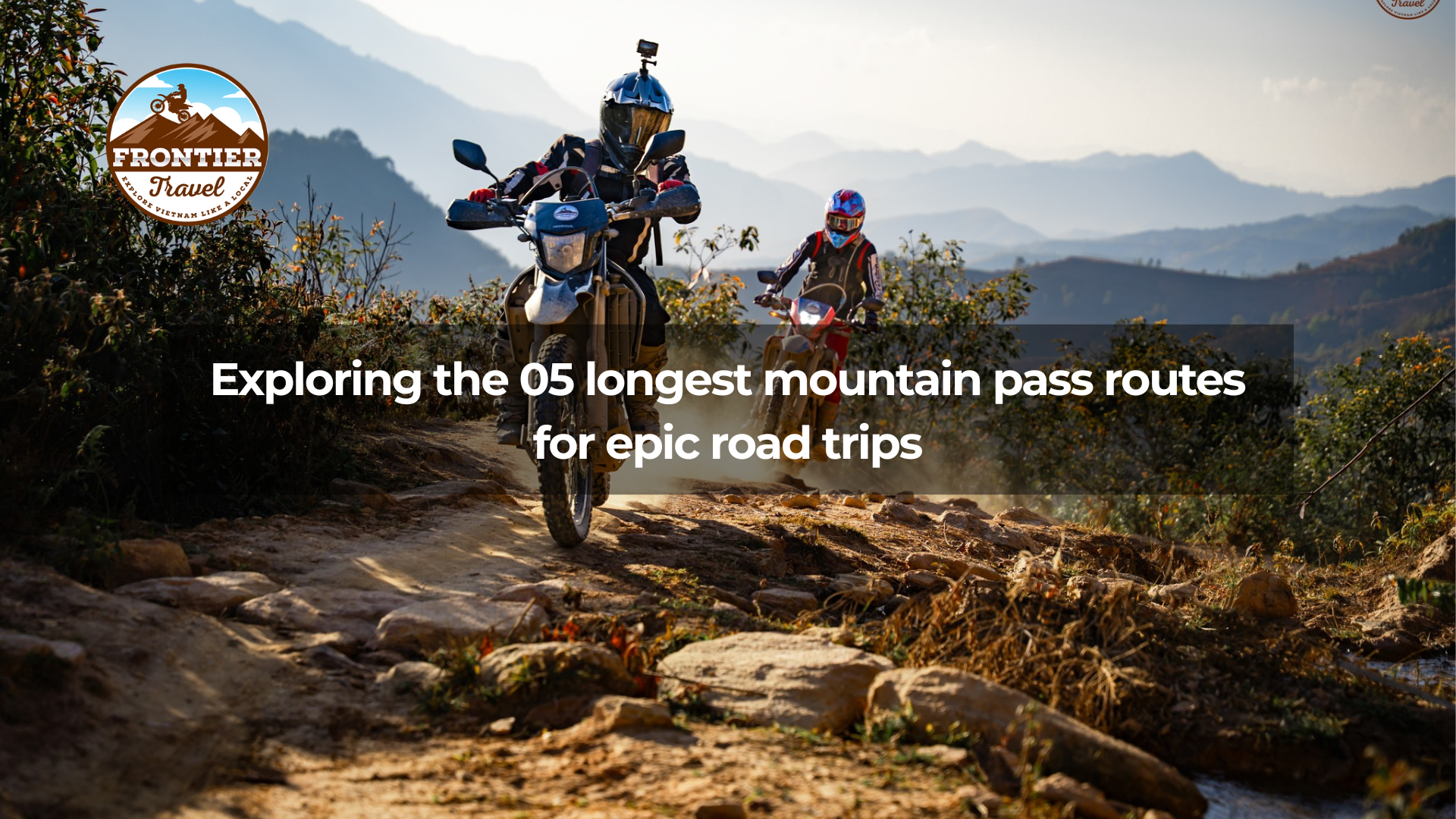
1. O Quy Ho Pass
Length: ~50 kmO Quy Ho Pass is not only famous for lying along the majestic Hoang Lien Son range but is also regarded as the longest mountain pass in Vietnam with a length of approximately 50 kilometers. The pass stretches like a ribbon across the mountains of the Northwest connecting Sa Pa in Lao Cai with Lai Chau.
The journey across O Quy Ho is not a short uphill climb but a continuous mountain crossing. From the moment travelers leave Sa Pa it takes nearly an hour and sometimes longer with stops to complete the entire pass.
What makes O Quy Ho truly distinctive is the feeling that the pass never seems to end. At many points when it feels as though the descent is near the road unexpectedly opens into yet another long curve ahead. Dense fog comes and goes sunlight and wind take turns and deep ravines alternate with open mountain slopes. The scenery changes with every kilometer allowing travelers to clearly sense the remarkable length of the pass throughout the journey.
2. Pha Din Pass
Length: ~32 km
Stretching for around 32 kilometers, Pha Din Pass is one of the longest and most challenging mountain passes in Northwest Vietnam. The pass connects Son La with Dien Bien, winding across high mountain slopes where the road seems to curve endlessly through layers of forest and rock.
The length of Pha Din does not overwhelm travelers at first glance. Instead it reveals itself gradually as drivers are required to maintain a steady rhythm over dozens of kilometers. Long ascents flow into gentle descents, followed by wide sweeping curves that continue without pause, turning the journey into a true test of endurance rather than pure technical skill.
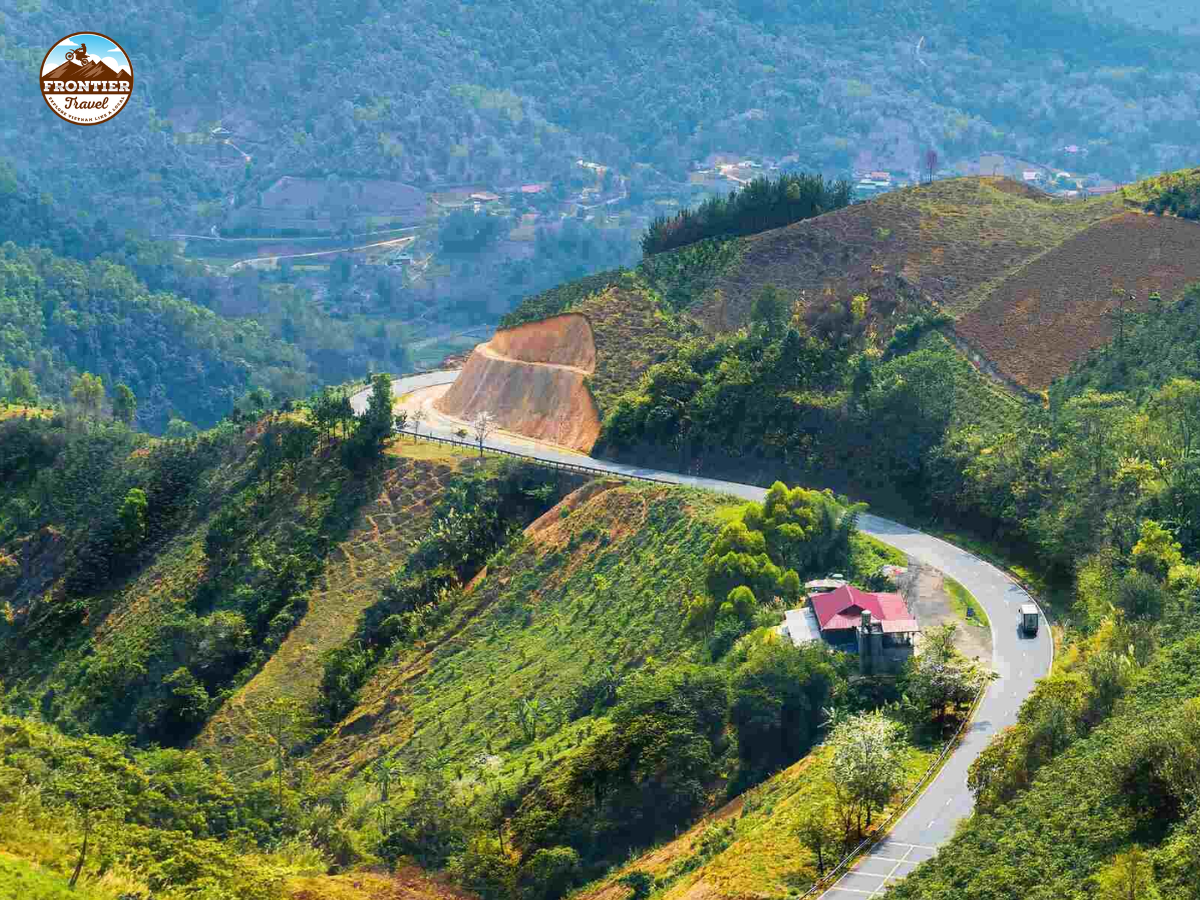
Pha Din Pass: a challenging motorbike route for those who love exploring untouched nature.
What gives Pha Din its unique beauty is the way the landscape unfolds along the distance. Mountain ridges rise and fall in succession, clouds drift low over the valleys, and open viewpoints appear after long forested stretches.
3. Khau Pha Pass
Length: ~30 km
Ranked as 3 out of the 5 longest mountain passes in Vietnam, Khau Pha Pass stretches from the foot of the mountain to its summit, with the road winding continuously between deep valleys and vast terraced rice fields.Steep slopes and extended curves require drivers to maintain focus over long distances, especially in sections where the road narrows and visibility is limited.
During the rice harvest season, traveling across Khau Pha feels like moving through multiple layers of scenery. Each turn reveals a new landscape, yet the demanding terrain adds to the feeling of a long journey. The combination of elevation changes, winding roads, and shifting viewpoints makes Khau Pha both a scenic and challenging pass, where the road unfolds layer by layer and tests both skill and endurance.
4. Hai Van Pass
Length: ~21 km
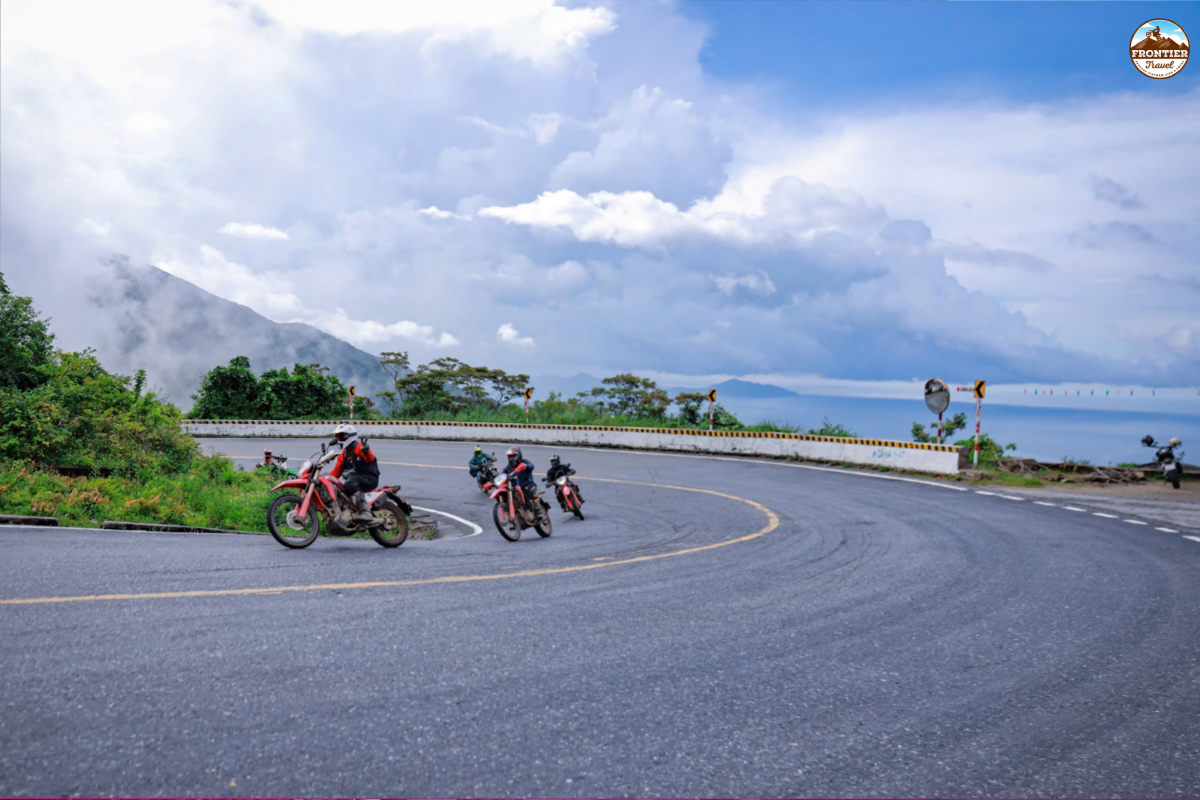
With a length of over 21 kilometers, Hai Van Pass is the longest and most famous mountain pass in Central Vietnam. While it is not as long as some passes in the Northwest, Hai Van offers a complete journey by leading travelers up the mountains, across the summit, and then down toward the sea in one continuous route.
This seamless transition from mountains to coastline allows travelers to clearly feel each kilometer they have passed.What makes the length of Hai Van stand out is the uninterrupted flow of the route and the dramatic change in scenery, from forested slopes to sweeping ocean views, turning the drive into a balanced and memorable experience.
5. Ma Pi Leng Pass
Length: ~20 km
Compared to other passes on this list, Ma Pi Leng is only about 20 kilometers long. However, this moderate length makes every section of the road intensely packed with experience.
Within just over 20 kilometers, travelers pass some of the most iconic landscapes of Ha Giang. The road winds along sheer limestone cliffs overlooking the deep gorge of the Nho Que River, with viewpoints such as the Ma Pi Leng Skywalk and panoramic stops near the peak offering breathtaking views of the Tu San Canyon. Each section reveals dramatic contrasts between towering rock walls and the emerald ribbon of the river far below.
Drivers and riders must navigate a series of tight curves carved into the mountainside, where cliffs rise on one side and steep drops fall away on the other. Every kilometer leaves a strong impression, making the length of Ma Pi Leng felt more through emotion than through numbers.
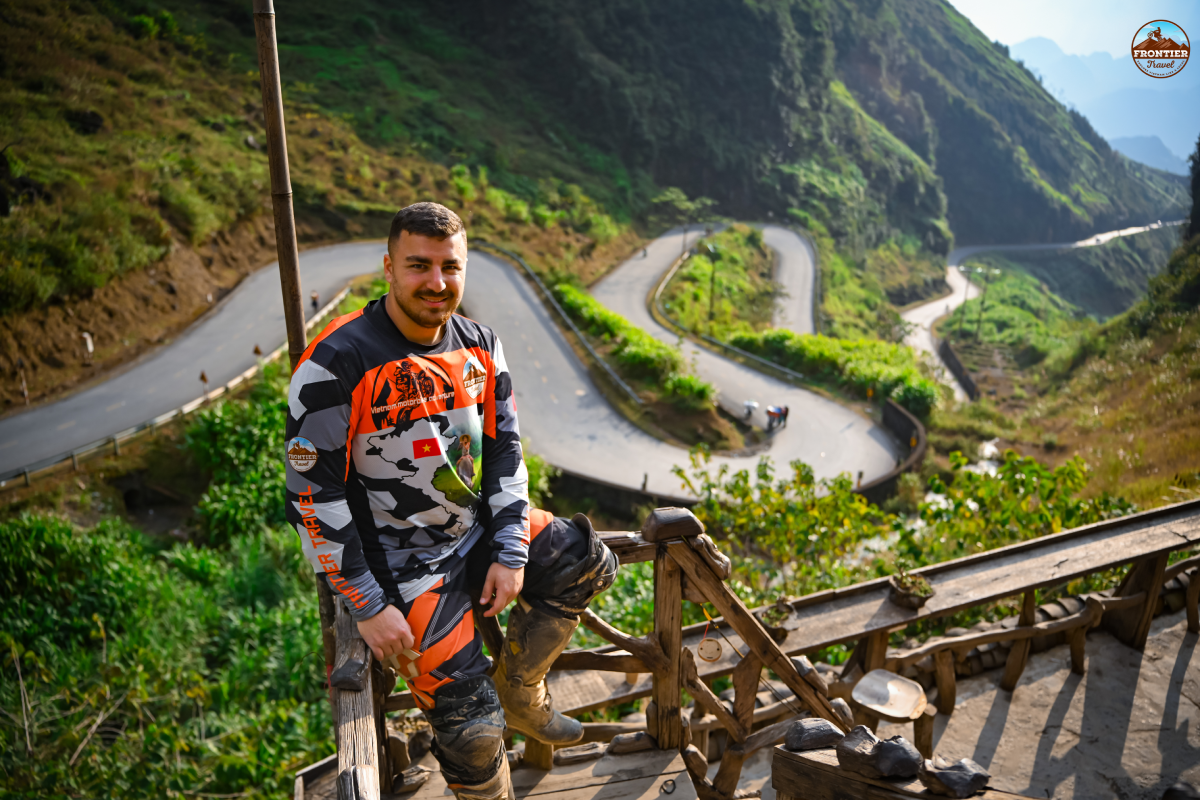
Conquering Ma Pi Leng Pass – one of the “Four Great Mountain Passes” of Northern Vietnam.
These five longest mountain pass routes are more than just long roads cutting through the mountains. They are journeys that allow travelers to truly experience the scale of Vietnam’s natural landscapes, where every kilometer reveals a new view and a new challenge. Traveling along these routes is an invitation to slow down, stay alert and fully immerse in the raw beauty that unfolds along the way.
>> See more: The momplete Guide to riding Ma Pi Leng Pass by motorbike
FAQs
1. Which is the longest mountain pass in Vietnam?
O Quy Ho Pass is the longest, with a length of about 50 km.
2. Which mountain pass is the most challenging for drivers?
O Quy Ho and Pha Din are the most demanding due to their long distance and changing terrain.
3. Which pass offers the best scenery?
Ma Pi Leng Pass stands out for its dramatic cliffs and views of the Nho Que River.
4. Which mountain pass is best for a coastal road trip?
Hai Van Pass is ideal, combining mountain roads with ocean views.
5. Which pass is famous for terraced rice fields?
Khau Pha Pass is known for its stunning terraced rice fields, especially during harvest season.
6. Are these mountain passes suitable for motorbikes?
Yes, but riders should have good experience and check weather conditions.
7. When is the best time to explore these mountain passes?
The dry season from October to April is generally the best time.