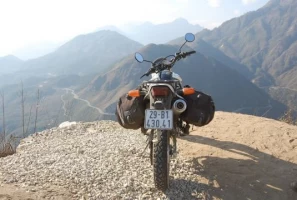
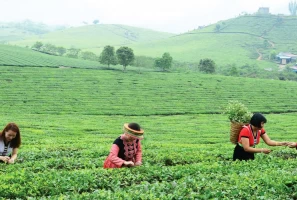
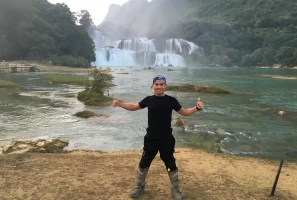
Among the four legendary mountain passes of Northern Vietnam, O Quy Ho Pass holds a special place in the hearts of those who enjoy riding motorbikes in Vietnam and seeking adventure. Winding through the majestic Hoang Lien Son range, every bend and steep stretch of the pass offers a thrilling experience, leaving an unforgettable impression on anyone who has ever explored O Quy Ho on two wheels.

1. Where is O Quy Ho Pass located?
O Quy Ho Pass is located on National Highway 4D, serving as the mountain pass that connects Lao Cai and Lai Chau provinces in Northwest Vietnam. It is one of the longest and most challenging passes in the region, holding significant value in terms of geography, transportation and tourism.
Specifically:
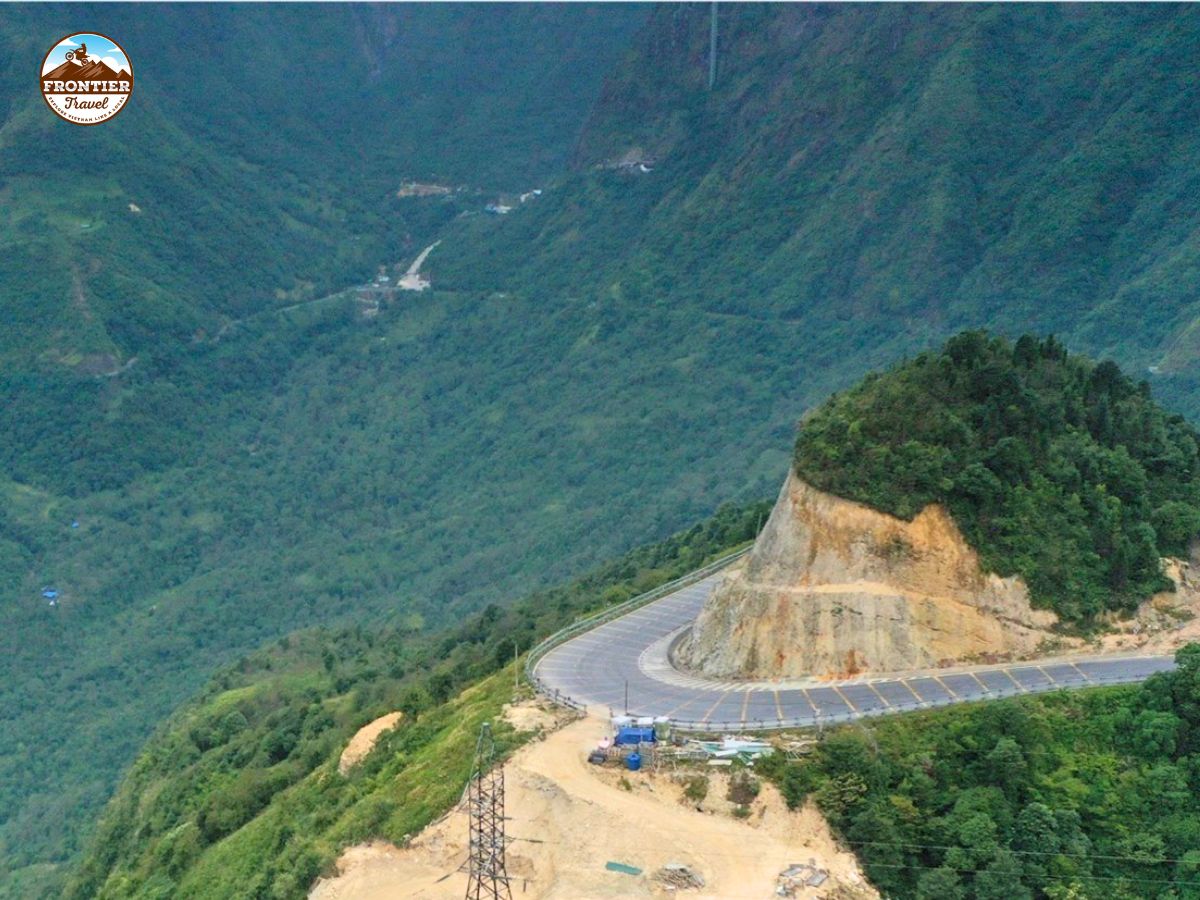
The majority of the pass lies within Binh Lu commune, Lai Chau province, featuring winding curves along steep mountain slopes.
A smaller section is located in Sa Pa town, Lao Cai province, providing convenient access to nearby villages and tourist attractions.
The summit of the pass marks the natural boundary between the two provinces and is about 15 km from the center of Sa Pa town.
2. Geographical features of O Quy Ho Pass
Standing tall in the Hoang Lien Son range, O Quy Ho Pass is one of the most remarkable Vietnam motorbike routes, famous for its unique altitude and challenging terrain.
Altitude: ~ 2000 meters
O Quy Ho Pass rises to 2,035 meters above sea level. The summit is affectionately known by locals as the “Heaven’s Gate”, as it is shrouded in clouds year-round, creating a majestic landscape that captivates both tourists and adventure-seeking motorbike riders.
Length: ~ 50km
Stretching nearly 50 km, O Quy Ho is the longest pass among the Four Great Mountain Passes of Northwest Vietnam, surpassing Pha Din Pass (~32km), Khau Pha Pass (~40km), and Ma Pi Leng Pass (~20km).
Terrain features
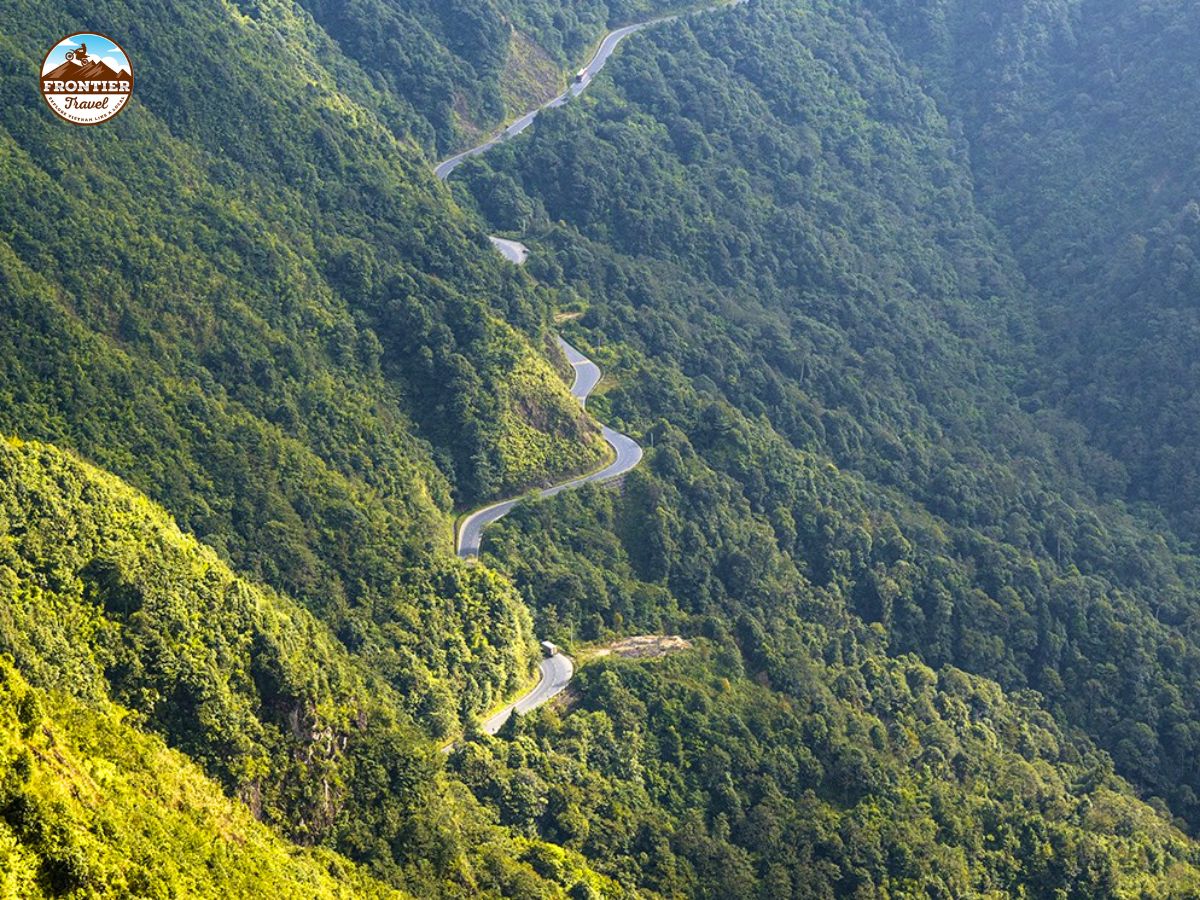
The pass winds along steep mountain slopes, with numerous sharp curves and sheer cliffs, offering both a majestic landscape and a challenging ride for motorbike enthusiasts
Climate
The height of the Hoang Lien Son range creates a distinct climatic difference between the two sides of the pass at Heaven’s Gate.
In winter, while the Tam Duong (Lai Chau) side remains warm, the Sa Pa (Lao Cai) side experiences biting cold winds and thick fog throughout the day.
In summer, the Sa Pa side enjoys cool, fresh air, whereas Tam Duong often faces hot and dry conditions influenced by the Lao wind.
3. Why is O Quy Ho Pass known as the “King of Mountain Passes”?
O Quy Ho Pass is one of the most iconic destinations on Vietnam motorbike routes, attracting adventure seekers from across the country. Riding motorbikes in Vietnam along this pass offers not only the thrill of conquering steep curves and high altitudes but also the chance to experience some of the most breathtaking landscapes in Northwest Vietnam.
Record-breaking length and majestic altitude
With a length of nearly 50 km and an altitude of 2,035 m, O Quy Ho is the longest pass among the Four Great Mountain Passes of Northwest Vietnam. It rises like a ‘mountain touching the sky,’ creating an overwhelming sense of awe and presenting one of the most enduring challenges in terms of physical strength, time, and focus for anyone attempting to cross it
Challenging terrain
The pass stretches through sharp hairpin turns, with steep cliffs of the Hoang Lien Son range on one side and deep valleys on the other. This rugged terrain creates a significant challenge, making O Quy Ho the most prestigious “conquest peak” for motorbike riders and adventurers.
Dramatic climate and sea of clouds
The climate on the pass changes rapidly, with dense fog and a sea of clouds covering it year-round, creating scenery that is both majestic and romantic, rarely found on other mountain passes.
Breathtaking views
O Quy Ho Pass offers panoramic views of the majestic mountains of Northwest Vietnam, allowing tourists and motorbike riders to conquer the challenging terrain.
Along the way, they can also enjoy breathtaking natural scenery, including the Muong Hoa Valley with its vast terraced fields, colorful H’Mong and Dao villages, the distant towering Fansipan peak, and the sea of clouds surrounding the pass.
4. Comparing O Quy Ho with Other Top Passes
Being part of Vietnam’s renowned “Four Great Mountain Passes,” O Quy Ho impresses travelers with its majestic height, extensive route and thrilling challenges. The table below provides a clear comparison to help you choose the pass that best suits your journey.
Features | O Quy Ho Pass | Ma Pi Leng Pass | Khau Pha Pass | Pha Din Pass” |
Location | Connects Lao Cai (Sa Pa) and Lai Chau (National Highway 4D) | Located on National Highway 4C, Ha Giang (connecting Dong Van and Meo Vac) | Located on National Highway 32, Yen Bai Province (bordering Van Chan and Mu Cang Chai) | Located on National Highway 6, connecting Son La and Dien Bien” |
Length | ~ 50km | ~20km | ~40km | ~32km |
Altitude | ~ 2.000m | ~1.200m | ~1.200m | ~1.600m |
Route difficulty | Very difficult | Extremely difficult | Very difficult | Very difficult |
Terrain Features | - The longest pass, with a route that tests endurance. - Numerous continuous winding curves. | - Short but extremely treacherous.. - Twisting terrain with curves clinging to steep cliffs and deep valleys. | - Extremely winding with continuous steep slopes. - Many consecutive hairpin turns, often appearing suddenly. - Frequently shrouded in thick fog, making the road slippery. | - Steepest inclines. - High gradients: some sections reach 15%–19%. - Many sharp switchback turns (A-shaped, Z-shaped) on the old pass. |
You might also enjoy:
>>> The complete guide to riding Ma Pi Leng Pass by motorbike
>>> Pha Din Pass: Journey through mist and legendary hairpin turns
>>> Khau Pha Pass: Vietnam’s Legendary Sky Road for Adventure Seekers
5. The best time to visit O Quy Ho Pass
O Quy Ho Pass showcases unique beauty in every season, so the ideal time to visit or ride the pass depends on the experience you are seeking.
Summer: The weather on the pass is generally cool and pleasant, with a touch of chill and little fog, making it perfect for exploration. The Lao Cai side is cooler and more comfortable, while the Lai Chau section can be very hot, so it’s recommended to focus on the Lao Cai side for a more enjoyable ride.
Winter: Lai Chau experiences relatively mild weather, whereas the Lao Cai side is often shrouded in dense fog and may even have frost or snow, creating a cold environment. If you plan to ride the pass during this season, be sure to prepare warm clothing such as jackets, gloves and other essential gear.
Time of day: Late afternoon or early morning is the ideal time to experience O Quy Ho Pass, when you can admire the sunset and sunrise from the summit. You might consider staying overnight at a nearby hotel to have the chance to enjoy both moments.
6. Top scenic stops along O Quy Ho Pass
O Quy Ho Pass collection of the most spectacular sightseeing spots and adventurous experiences in Northwest Vietnam. Here are the top must-visit stops along this pass:
Scenic check-in spots along O Quy Ho Pass
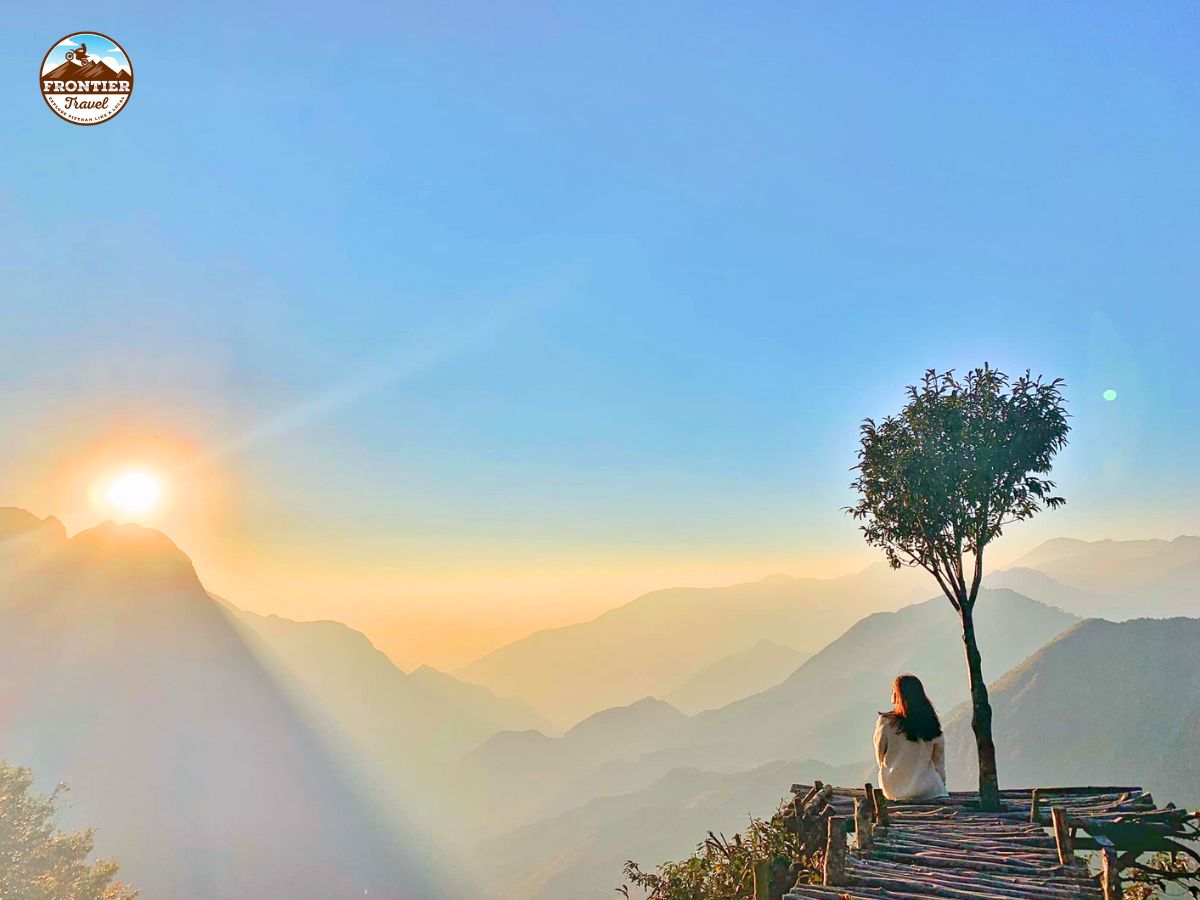
Along O Quy Ho Pass, travelers are captivated by a series of stunning check-in spots stretching around each curve, each offering a unique perspective of the majestic Northwest mountains.
O Quy Ho tea hill: Located not far from Sapa town center, it is an ideal stop for taking photos with its lush green tea plantations.
The lonely tree: Along the pass, there are large trees standing alone amidst the vast mountain scenery, making them a popular "Instagrammable" spot favored by many backpackers.
Mid-slope cafés: Many cafés have sprung up on the slopes of the pass, offering stunning views down the valley, making them perfect places to rest and watch the sunset.
O Quy Ho Heaven’s Gate
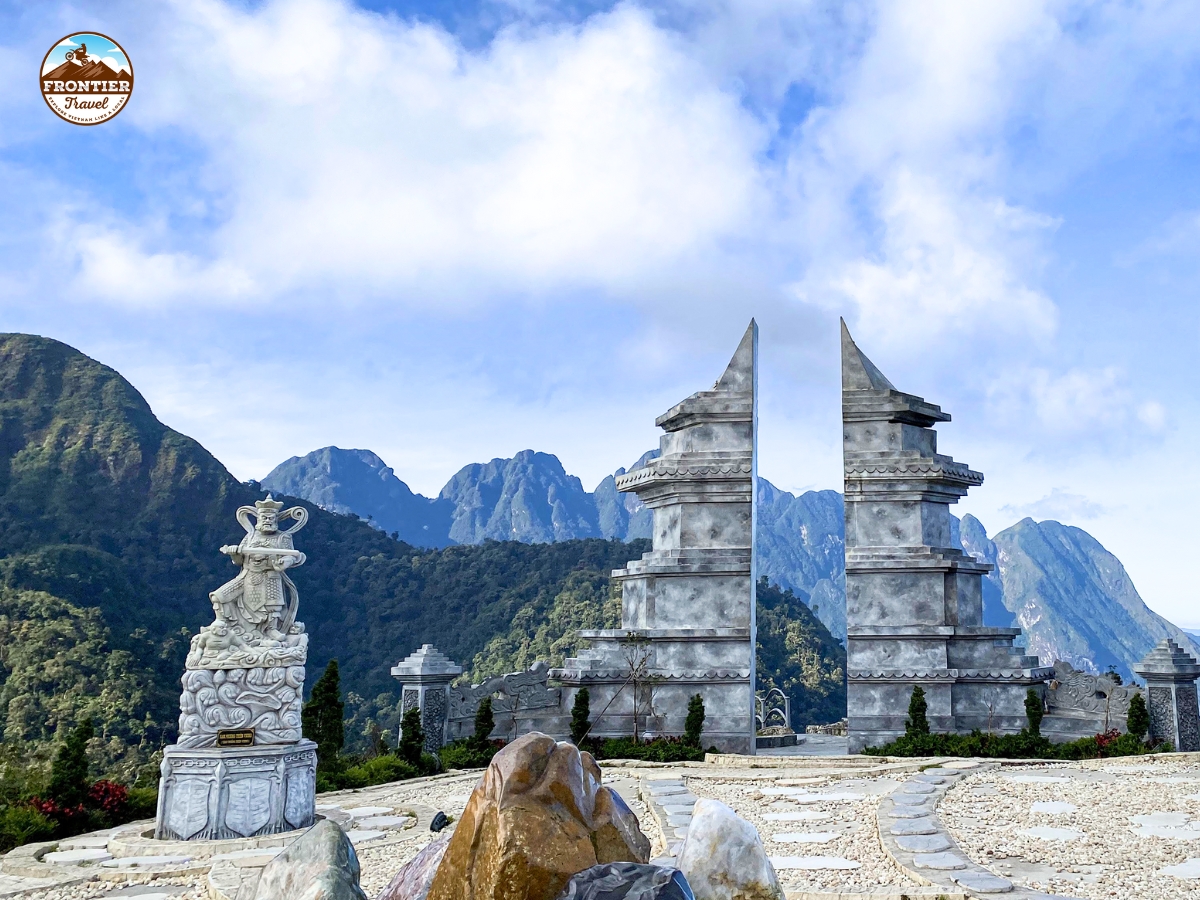
- Location: At the summit of O Quy Ho Pass, on the border between Lao Cai and Lai Chau provinces.
- Features: The highest point of the pass, often shrouded in fluffy white clouds, creating a “heavenly paradise” scenery.
- Must-try experiences:
Cloud hunting in the late afternoon (around 3–4 PM) or early morning, when the mist clears and clouds swirl below your feet.
Admire the full majesty of the Hoang Lien Son range, the winding curves of O Quy Ho Pass, and, in the distance, Silver Waterfall (Thac Bac) and Love Waterfall (Thac Tinh Yeu).
- Check in at “Bali Gate” – a café with an incredible view, perfect for enjoying a hot tea amid the clouds.
Silver Waterfall (Thac Bac) and Love Waterfall (Thac Tinh Yeu)
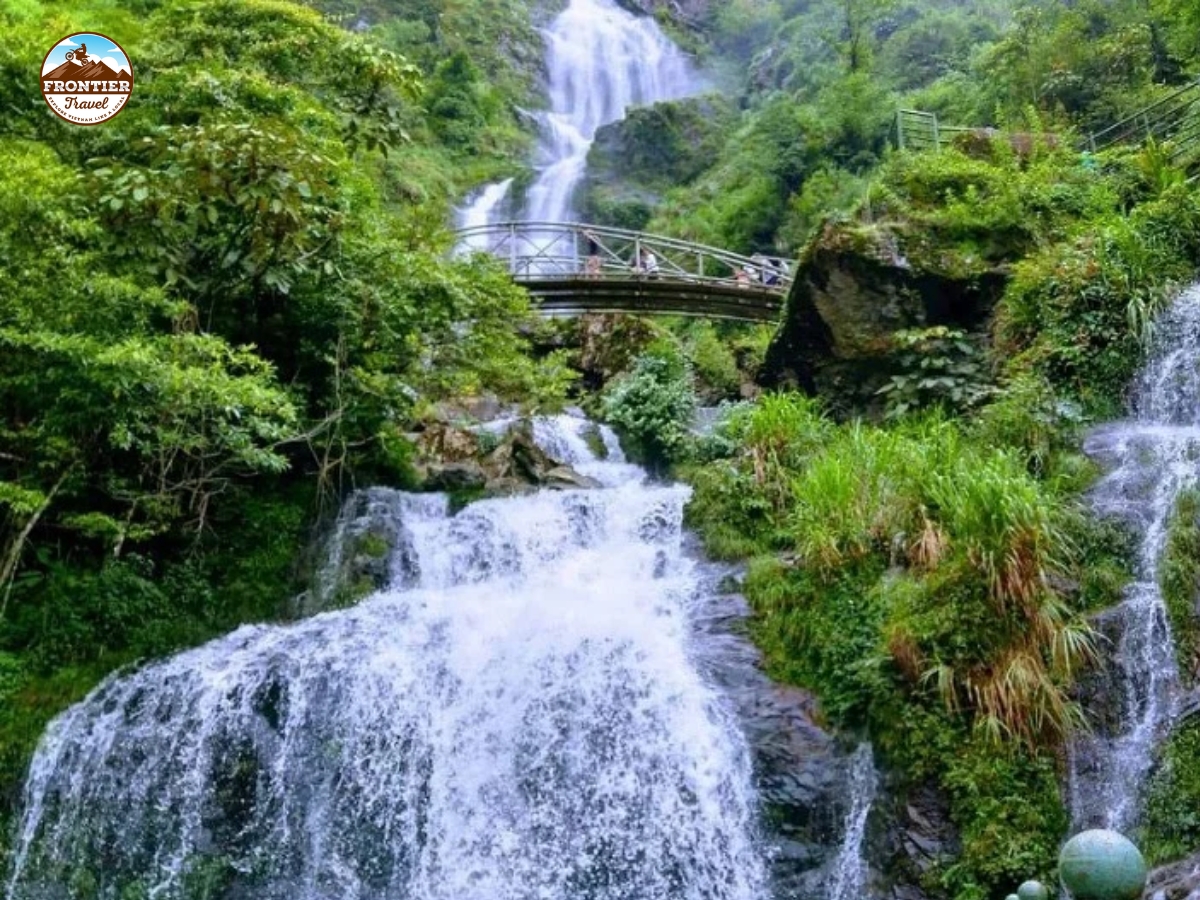
- Location: Situated along the route up O Quy Ho Pass from Sa Pa, about 12–15 km from the center of Sa Pa, before reaching the pass summit.
- Features:
Silver Waterfall (Thac Bac): A cascading stream of white water plunging from hundreds of meters high, considered one of the most beautiful waterfalls in Vietnam.
- Love Waterfall (Thac Tinh Yeu): Located deeper within Hoang Lien National Park, associated with a romantic love legend.
- Must-try experiences: Stop to rest and capture stunning photos of the majestic waterfall scenery.
Rong May Glass Bridge Resort
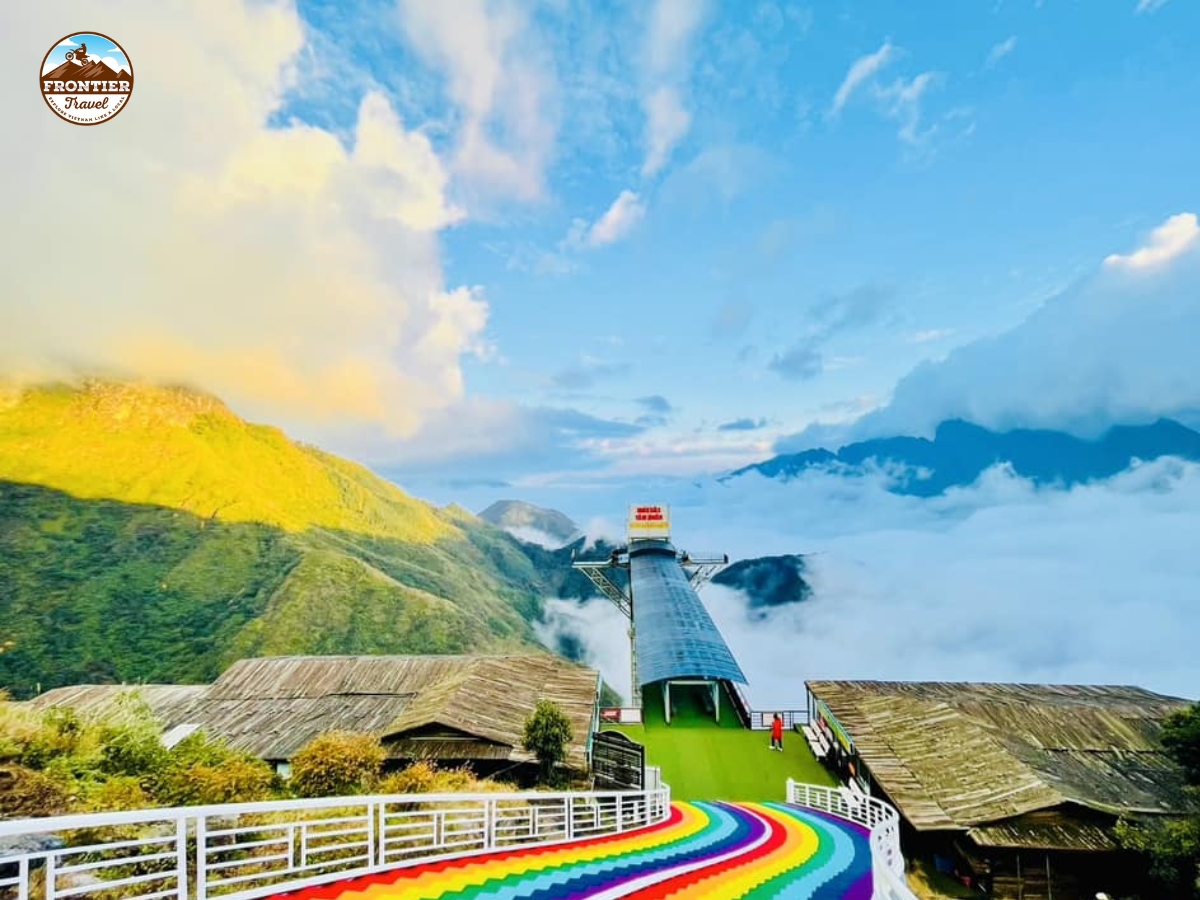
- Location: Situated right at the summit of O Quy Ho Pass (within Lai Chau province), very close to Heaven’s Gate.
- Features: A modern adventure and sightseeing attraction, located at an altitude of 2,200–2,333 meters above sea level.
- Must-try experiences: Walk on the Glass Bridge and try thrilling activities such as ziplining and cliff-side swings.
Every curve, cliff and summit of O Quy Ho Pass tells a story of natural beauty. Whether you’re walking, riding,or simply admiring the drifting sea of clouds below, the mix of excitement and joy makes the journey vivid and unforgettable. So, start planning your trip to explore Sapa town and experience the breathtaking routes of O Quy Ho Pass Vietnam!
>>> Check this out next: Top 12 stunning mountain passes in Vietnam that every rider should experience
FAQs
1. Which provinces does O Quy Ho Pass belong to? O Quy Ho Pass lies on the border between Lao Cai and Lai Chau provinces.
2. How long is O Quy Ho Pass? The pass stretches nearly 50 km, making it one of the longest mountain passes in Northwest Vietnam.
3. How high is O Quy Ho Pass? The summit reaches approximately 2,000 meters above sea level.
4. Is O Quy Ho Pass part of Vietnam’s Four Great Mountain Passes? Yes. O Quy Ho is one of Vietnam’s “Four Great Mountain Passes,” along with Ma Pi Leng, Khau Pha and Pha Din.
5. What are the main attractions along O Quy Ho Pass? Notable spots include the Lonely Tree, O Quy Ho Heaven’s Gate, Rong May Glass Bridge, Silver Waterfall, and Love Waterfall.
6. When is the best time to visit O Quy Ho Pass? Autumn/Winter (October - December) offers dry weather with little rain, ideal for cloud hunting. Spring (February -April) features blooming peach and plum flowers, creating stunning scenery.
7. Is the route to O Quy Ho Pass difficult? Yes. The pass is long with numerous sharp hairpin turns and steep slopes, requiring experienced riding skills. Beginners are advised to join guided tours for safety.
8 When can you see snow at O Quy Ho Pass? Snow typically falls from December to February, with a higher likelihood at the summit than in the center of Sa Pa town.