North Vietnam is one of the most captivating regions for big bike enthusiasts. If you are seeking a riding experience that is both thrilling and memorable, the Big Bike North Vietnam routes are an ideal choice. In this guide, Frontier Travel Vietnam presents a comprehensive overview of the most scenic and iconic big bike routes for riders. This journey is more than just a motorcycle trip; it is an exploration of nature, culture, and history, offering the cinematic riding Vietnam experience that many bikers have always dreamed of.
Why Choose the North Loop Vietnam?
The Northwest region of Vietnam is renowned for its winding mountain roads, dramatic landscapes, and legendary passes that belong to the “Four Great Mountain Passes” of the country. A journey along the North Loop Vietnam takes riders through some of the most iconic and scenic destinations in the highlands.
Typical experiences include:
Smooth riding conditions: Most major routes are well-paved and highly suitable for big bikes.
Diverse scenery: From the tranquil valley of Mai Chau to the terraced fields of Mu Cang Chai, from the misty town of Sapa to the serene Thac Ba Lake, riders are constantly surrounded by nature.
Cultural and historical depth: Sites such as Son La Prison or the Dien Bien Phu battlefield offer meaningful insights into Vietnam’s past.
With Frontier Travel Vietnam, riders are guided into remote regions that remain largely untouched, offering an authentic glimpse into mountain life that few travelers ever experience.
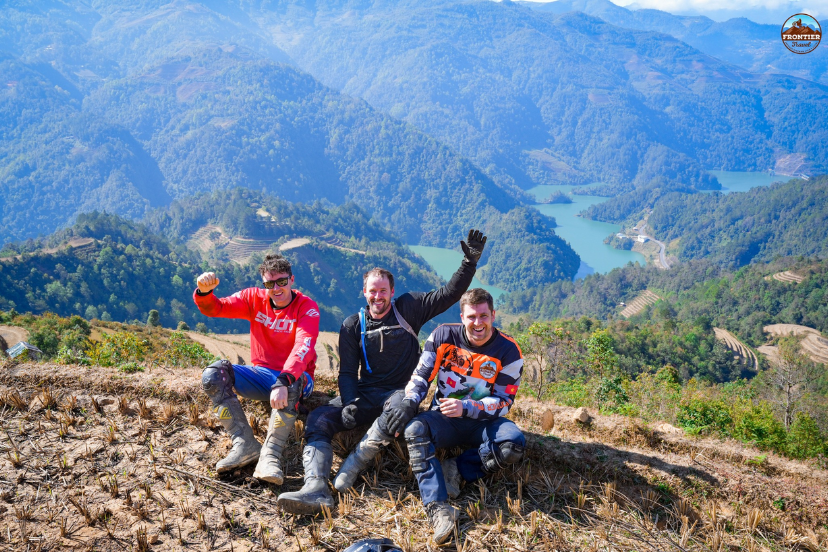
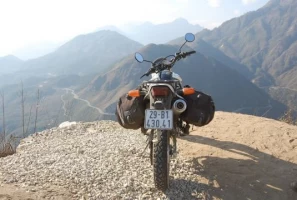
Rider on a big bike touring Northern Vietnam’s mountainous region, showcasing the raw beauty
Featured Vietnam Big Bike Routes
Based on numerous real-world journeys, the following are the most notable sections for big bike riders:
Pha Din Pass:
One of the Four Great Mountain Passes, marking the boundary between heaven and earth. It offers spectacular views over deep valleys and layered mountain ranges.
O Quy Ho Pass:
The highest mountain pass in Vietnam, located along the Hoang Lien Son range. This route is a highlight for cinematic riding Vietnam due to its cloud formations, dramatic elevations, and expansive panoramic viewpoints.
Mu Cang Chai:
A famous terraced rice field region, at its most beautiful during the water-pouring season and the golden harvest season. It is a perfect stop for photography enthusiasts.
These Vietnam big bike routes are highly rated not only for their technical riding challenges but also for their outstanding natural beauty.
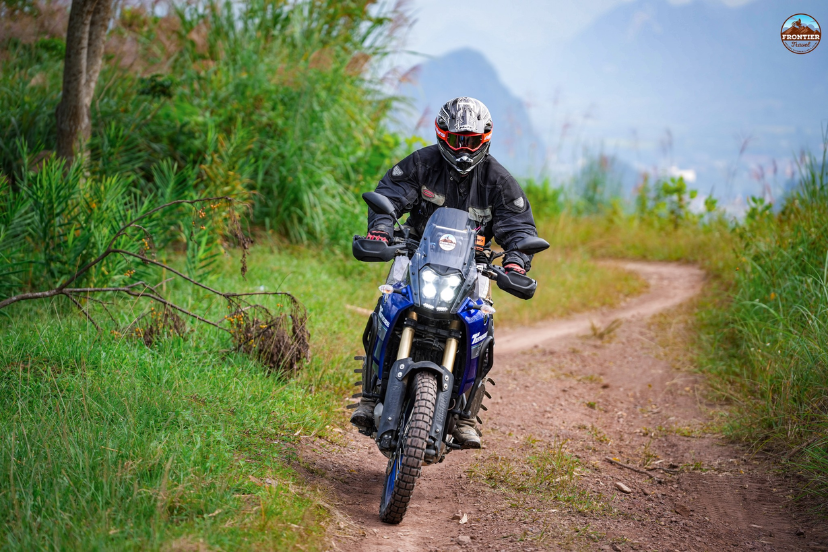
Big bike North Vietnam journey featuring smooth tarmac, sweeping curves, and scenic landscapes ideal for cinematic riding Vietnam.
Itinerary: A Complete Big Bike North Vietnam Experience
Below is an example journey commonly chosen by many riders.
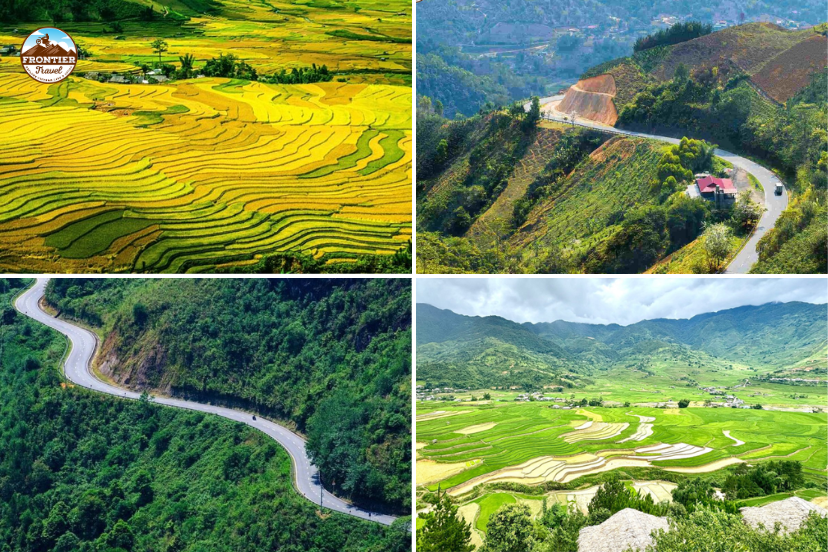
Rugged mountain peaks rising above deep valleys in North Vietnam, often seen along top big bike touring routes.
Hanoi – Mai Chau / Phu Yen:
Begin the ride along the Red River, easing into the peaceful rural scenery and gentle mountain roads.
Phu Yen – Son La – Dien Bien Phu:
Conquer the historic Pha Din Pass and explore significant war-related sites along the way.
Dien Bien – Lai Chau – Sapa:
Travel through remote border regions and challenge yourself with the legendary O Quy Ho Pass.
Sapa – Thac Ba Lake:
Enjoy the scenic border routes, make a brief stop at a local border gate, and relax by the largest man-made lake in Vietnam.
Thac Ba Lake – Hanoi:
Return to the capital through the fertile Red River Delta.
Discover two itineraries that might be perfect for your big bike Vietnam adventure through the following tour:
→ Conquer The Northwest: Vietnam 8D7N Big Bike On-Road Expedition
Cinematic Riding Vietnam: A True Visual and Emotional Experience
The term cinematic riding Vietnam is far from an exaggeration. When riding a big bike through mountain passes such as Khau Pha, Pha Din, or O Quy Ho, riders often feel as if they are moving through a real-life documentary film.
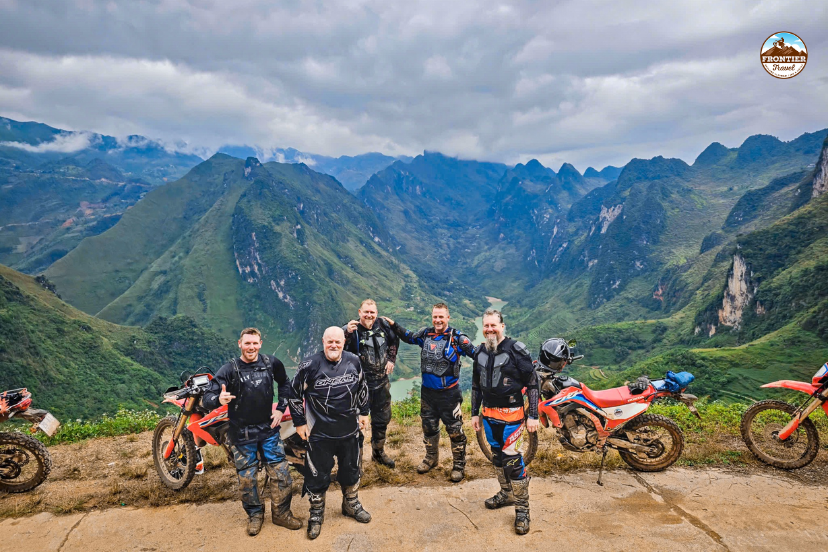
Cloud-drifting mountain peaks on legendary Northwest passes, ideal for riders seeking the best routes North Vietnam.
Several elements contribute to this cinematic experience:
Unrestricted viewpoints:
Mountain passes open up vast panoramic landscapes, allowing riders to take in sweeping views of valleys, ridgelines, and cloud layers.
The freedom to stop, observe, and connect:
Riding a big bike gives you full control over the journey. You can pause anywhere to take photographs, launch a drone, or interact with local villagers along the route.
A profound sense of freedom:
With quiet mountain roads, cool highland winds, and the powerful response of a big bike, the ride evokes a level of exhilaration that few other travel experiences can match.
Who Should Join a Big Bike North Vietnam Journey?
This adventure is particularly suitable for:
Riders with long-distance motorcycling experience who want to challenge themselves on major mountain passes.
Travelers seeking something different, beyond the structure of traditional tour itineraries.
Photography and filmmaking enthusiasts who wish to capture the iconic landscapes of Northern Vietnam.
Explore more through the suggested itinerary:
→ Vietnam Unleashed – 7-Day Northwest Motorbike Journey Conquering Mountain Passes
Choosing the Right North Loop Vietnam Tour Provider
A professional tour operator or experienced guide can make your journey significantly safer and more fulfilling, thanks to their knowledge of terrain, weather conditions, local culture, and essential mountain-riding techniques.
Reputable providers typically offer a variety of Vietnam big bike routes and the flexibility to customize itineraries according to each rider’s preferences and skill level.
Contact Frontier Travel Vietnam to experience an adventure-style North Vietnam exploration designed for big bike enthusiasts.
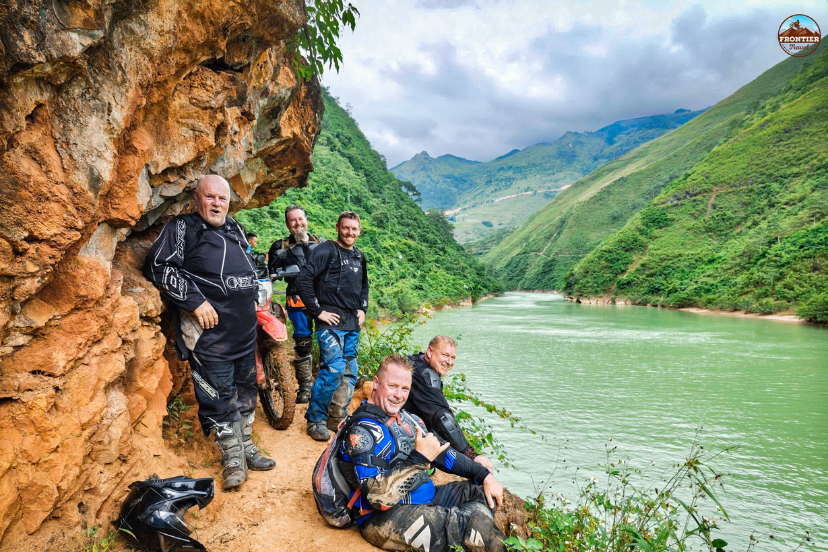
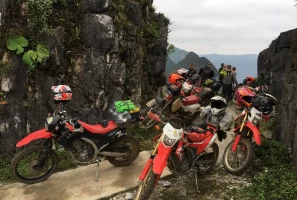
Experienced big bike riders seeking challenging passes, unique routes, and photography opportunities in North Vietnam.
Important Notes When Conquering the Best Routes North Vietnam on a Big Bike
Different from expressways:
Riding mountain passes is one of the highlights that many riders look forward to when exploring the best routes North Vietnam. However, these highland passes feature steep gradients, tight hairpin turns, and complex terrain conditions. They are entirely different from expressways. In addition, expressways in Vietnam do not allow motorcycles of any kind, including big bikes.
Riding skills:
Riders must be proficient in mountain riding techniques, including proper corner entry and exit, timely downshifting, and effective use of throttle, brakes, and clutch. Mastering these skills ensures safety and helps maintain stability when navigating steep and winding roads.
A2 motorcycle license:
To legally operate a big bike (motorcycles over 175cc) in Vietnam, an A2 license is mandatory according to national regulations. This applies to all riders participating in big bike tours.
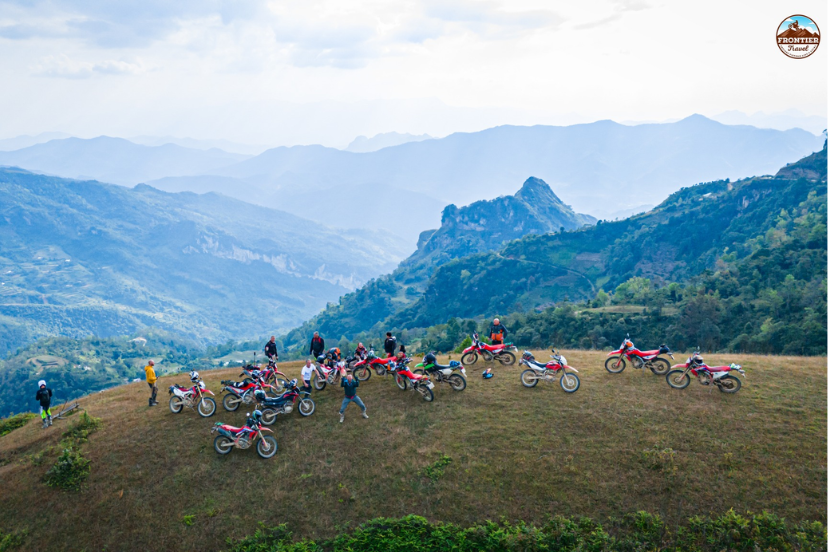
Important safety notes for big bike riders on North Vietnam mountain routes, including skills, licensing, and preparation.
Preparation before the trip:
Before starting your journey, thoroughly inspect your motorcycle—especially tires, brakes, lights, engine oil, and chain tension. Essential riding gear includes a certified helmet, protective armor, gloves, boots, and rain gear. It is also important to plan your route in detail, check weather conditions, and identify rest stops along the way.
Safety is the top priority:
Even experienced riders must maintain a safe speed and avoid entering corners too aggressively. Mountain roads may present fog, wet surfaces, loose rocks, or large vehicles approaching from the opposite direction. Constant focus and situational awareness are crucial when riding the best routes North Vietnam.
→ Read more: Four Great Mountain Passes In Vietnam: The Ultimate Adventure Through The North’s Mighty Peaks
FAQs – Frequently Asked Questions About Big Bike North Vietnam1. Is Big Bike North Vietnam suitable for beginners?
Yes, it can be suitable if you choose easier routes such as Hanoi – Mai Chau, Mai Chau – Moc Chau, or Sapa – Thac Ba. However, major passes like Khau Pha, Pha Din, and O Quy Ho require more advanced mountain-riding skills. Beginners should select beginner-friendly itineraries or join a group with experienced riders.
2. What type of motorcycle is best for riding a big bike tour in North Vietnam?
Popular and suitable models include the Honda CB500X, Honda Africa Twin, Kawasaki Versys 650, and BMW GS series. These touring bikes offer stable handling, comfortable riding posture, and strong performance on mountain roads.
3. What is the best time of year to ride a big bike in Northern Vietnam?
The ideal seasons are from September to November and from March to May. These months usually offer dry weather, good visibility, and mild temperatures. Winter may bring thick fog, while summer often has heavy rain that can make mountain roads slippery.
4. Are the passes in the “Four Great Mountain Passes” difficult?
Khau Pha, Pha Din, O Quy Ho, and Ma Pi Leng all feature significant elevation changes, steep gradients, and tight curves. Although the road surfaces are generally good, the difficulty ranges from moderate to high, making these passes best suited for riders experienced with mountain terrain. Safety warning about riding big bikes on the Ha Giang Loop, including the dangerous Ma Pi Leng Pass, with advice to seek guidance from Frontier Travel Vietnam.
5. Is riding a big bike in Northern Vietnam safe?
It can be safe with proper preparation: checking your motorcycle, maintaining a steady pace, staying alert, and avoiding night riding. Mountain areas may have fog, wet surfaces, falling rocks, or large vehicles approaching, so increased focus is essential.
7. Should I ride in a group or go solo?
Riding in a group is typically safer, especially in remote regions. If any issues arise, such as mechanical problems or sudden weather changes, a group can provide support. Solo riding is still possible for experienced riders but requires careful planning regarding navigation and communication.
8. Is accommodation easy to find along Big Bike North Vietnam routes?
Yes. Regions like Mai Chau, Moc Chau, Son La, Sapa, and Thac Ba offer many homestays and hotels. More remote areas like Dien Bien or Lai Chau have fewer options but still meet basic needs. Booking ahead is recommended during peak seasons.
9. Do I need additional protective gear?
Yes. Essential gear includes a certified helmet, body armor, gloves, windproof jacket, boots, and rain gear. Mountain weather can change quickly, so quality protection is highly advised. You may also contact Frontier Travel Vietnam for a guided experience that includes protective gear and full support.
10. How many kilometers per day are reasonable for a big bike trip in Northern Vietnam?
Between 120 and 200 kilometers per day is ideal for mountainous terrain. These roads cannot be ridden as fast as flat highways, and it’s important to allow time for breaks, photography, and enjoying the scenery.