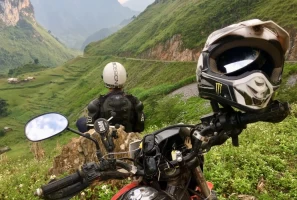
Vietnam road signs motorbike tourist guide serves as the ultimate passport to freedom for intrepid travelers aiming to explore the hidden gems of Southeast Asia on two wheels. Instead of viewing the bustling flow of local traffic as a daunting obstacle, learning these visual cues transforms your journey into an empowering and culturally immersive driving experience. To help you navigate every mile with absolute confidence, Frontier Travel Vietnam steps in as the premier expert in crafting unforgettable, safety-focused motorbike expeditions across the country.
1. Vietnam road signs motorbike tourist guide: Prohibitory Signs
Understanding restriction signs is the fundamental starting point for any rider who wants to travel safely and legally across Vietnam’s diverse road network, especially when moving between urban traffic zones and remote mountain routes where regulations can change quickly, particularly on popular adventure routes such as the North Vietnam motorbike tour. The Vietnam road signs motorbike tourist guide helps riders decode these visual restrictions in a structured and reliable way, ensuring they can respond correctly without hesitation in real-time riding situations.
1.1. Identification Features of Prohibitory Signs
Prohibitory signs are designed in a highly standardized visual format so that riders can instantly recognize them even when traveling at speed or under pressure in heavy traffic environments. The Vietnam road signs motorbike tourist guide emphasizes that their circular shape combined with a red border and a clean background is the most important visual clue that indicates restriction or prohibition.
Inside the sign, black symbols are used in a simplified and universal way to communicate specific rules such as entry bans or movement limitations. Riders who familiarize themselves with these visual patterns early will significantly reduce the risk of accidental violations during long-distance travel.
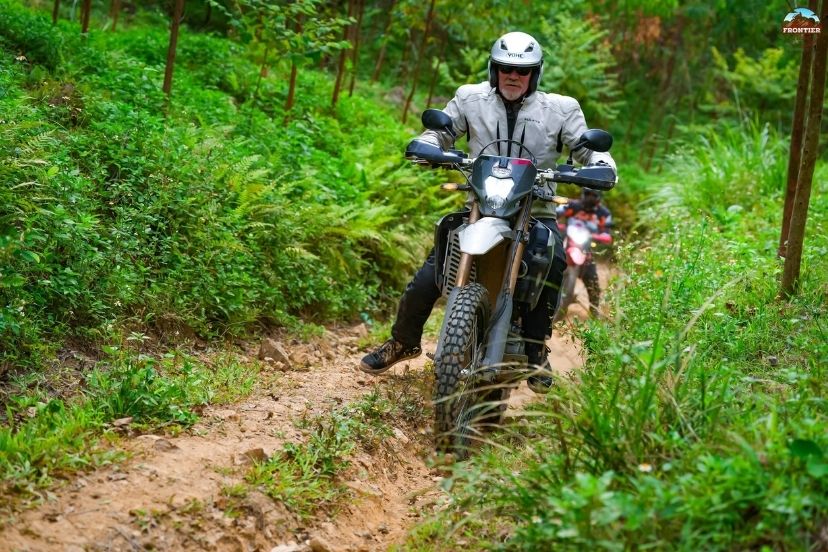
Understanding Vietnam road signs motorbike tourist guide safety
1.2. Critical Prohibitory Signs to Memorize
Some prohibitory signs appear repeatedly throughout both cities and rural regions, making them essential knowledge for every motorbike traveler who intends to navigate Vietnam independently. The Vietnam road signs motorbike tourist guide highlights key signs such as P.104 and P.102 as foundational rules that directly affect route selection and directional decision-making.
For example, P.104 strictly prohibits motorbikes from entering certain roads, while P.102 indicates a one-way system where opposing traffic movement is not allowed under any circumstances. Additional no-turn signs must also be carefully observed because ignoring them can easily lead to dangerous intersections or sudden traffic conflicts.
1.3. Parking and Speed Limit Restrictions
Parking regulations and speed limitations play a critical role in maintaining order and safety, especially in high-density traffic zones or narrow urban streets where space and reaction time are limited. The Vietnam road signs motorbike tourist guide helps riders understand that these restrictions are not optional but strictly enforced across the country.
Speed limit signs such as P.127 define the maximum allowable speed, which often changes depending on whether the rider is in urban or rural environments. Meanwhile, signs like P.130 and P.131 clearly define no-stopping and no-parking zones that must be respected to avoid fines or traffic disruptions.
2. Vietnam road signs motorbike tourist guide: Warning Signs
Warning signs serve as an early alert system designed to prepare riders for upcoming hazards, road changes, or environmental risks that may not yet be visible from a distance. The Vietnam road signs motorbike tourist guide trains riders to interpret these warnings quickly so they can adjust speed, posture, and attention level before entering dangerous sections.
2.1. Visual Identification of Danger and Warning Signs
Warning signs are typically constructed in a triangular shape with a red border and a bright yellow background, which makes them highly visible even in low-light or fast-moving traffic conditions. The Vietnam road signs motorbike tourist guide explains that this standardized design helps riders immediately distinguish warnings from other informational or regulatory signs.
Inside the triangle, black symbols represent the type of hazard ahead, such as curves, slopes, or road narrowing. Riders who develop the habit of scanning for these signs continuously will be able to anticipate danger earlier and react more safely.
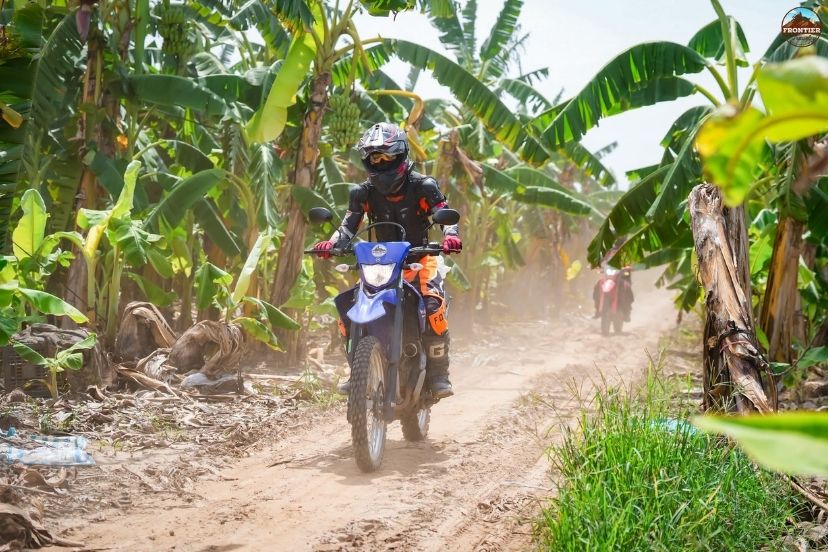
Recognize warning signs for safer motorbike riding decisions
2.2. Navigating Hazardous Terrains and Road Conditions
Mountain roads in Vietnam often feature sharp bends, steep inclines, and unstable edges that require constant attention and precise control from riders. The Vietnam road signs motorbike tourist guide highlights signs such as W.201 and W.219 as essential indicators of upcoming terrain challenges.
These warnings signal curves and steep slopes where braking and acceleration must be carefully managed to maintain traction and balance. Construction zones and landslide-prone areas further increase risk, requiring riders to slow down significantly and maintain full situational awareness.
2.3. Anticipating Traffic Obstacles and Pedestrians
Traffic intersections and pedestrian zones in Vietnam often involve unpredictable movement patterns, especially in rural or semi-urban areas where road discipline may vary significantly. The Vietnam road signs motorbike tourist guide helps riders anticipate these changes and adjust their behavior accordingly.
Villagers and children may cross roads suddenly without looking for traffic, which makes constant vigilance absolutely necessary. Reducing speed in populated zones is not just recommended but essential for avoiding unexpected collisions.
2.4. High-Risk Accident Zones Warning
Certain sections of road are statistically more dangerous due to past accident history, sharp bends, or poor visibility conditions, and these areas are clearly marked to alert riders in advance. The Vietnam road signs motorbike tourist guide identifies these zones as critical decision points where defensive riding must be prioritized.
Entering these areas requires reduced speed, increased scanning of surroundings, and readiness to react instantly to unexpected hazards. Night riding or poor weather conditions further increase risk levels, making caution even more important.
3. Mastering Mandatory and Command Signs on Your Journey
Mandatory signs provide clear instructions that define how vehicles must behave in specific areas, leaving no room for interpretation or personal adjustment by the rider, especially when navigating complex intersections or structured traffic systems across urban and rural routes. The Vietnam road signs motorbike tourist guide ensures that travelers understand these rules as essential parts of safe and legal road usage, particularly when traveling through high-demand routes such as the North Vietnam motorbike tour.
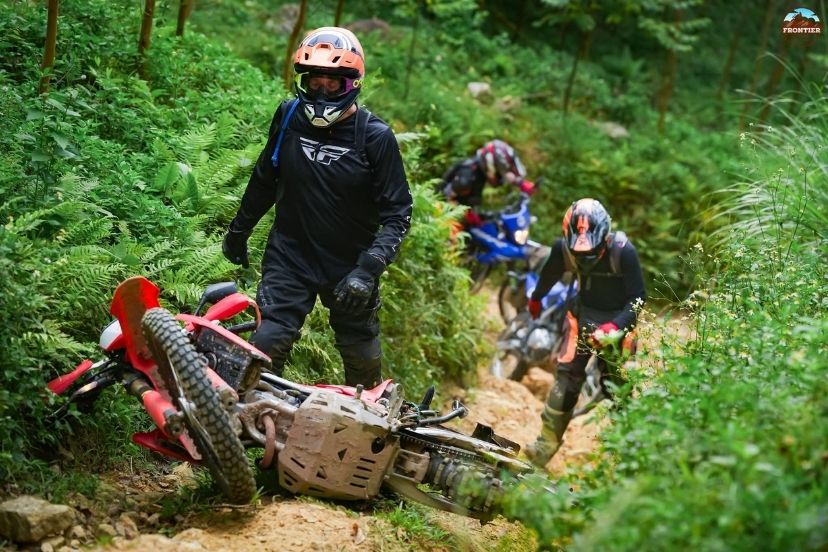
Mandatory road signs ensure safe structured traffic compliance
3.1. Identification of Mandatory Signs
Mandatory signs are always circular with a blue background and white symbols, making them visually distinct from warning or prohibitory categories. The Vietnam road signs motorbike tourist guide emphasizes that these signs indicate compulsory actions rather than optional guidance.
They may instruct riders to follow a specific direction, maintain a lane, or comply with structured traffic movement systems. Ignoring them can lead to both legal penalties and dangerous riding situations.
3.2. Mandatory Directional and Route Controls
Directional command signs play a key role in organizing traffic flow, especially in complex intersections or roundabouts where multiple directions are possible. The Vietnam road signs motorbike tourist guide explains that signs such as R.301 and R.303 ensure that all vehicles follow the same controlled movement pattern.
Motorbike-only lanes are also increasingly common in urban areas, helping reduce conflict with larger vehicles such as trucks and buses. Riders must always follow directional arrows precisely to avoid confusion and unsafe positioning.
3.3. Adapting to Traffic Flows in Roundabouts
Roundabouts require continuous attention and smooth coordination with surrounding vehicles to maintain safe and efficient traffic movement. The Vietnam road signs motorbike tourist guide emphasizes that yielding rules are essential because vehicles already inside the roundabout always have priority.
Riders must signal clearly when entering and exiting while maintaining a predictable speed to avoid confusing other road users. Smooth and controlled movement significantly reduces the risk of collisions in circular traffic systems.
4. Utilizing Guide Signs and Supplementary Information Effectively
Guide signs provide essential navigation support by offering directional, geographical, and service-related information that helps riders plan their journey more efficiently. The Vietnam road signs motorbike tourist guide ensures travelers can interpret these signs accurately to avoid getting lost in unfamiliar regions.
4.1. Visual Identification of Guide and Directional Signs
Guide signs are typically rectangular or square and use blue or green backgrounds to clearly distinguish them from warning or prohibitory categories. The Vietnam road signs motorbike tourist guide explains that these signs are designed to support long-distance navigation by providing clear route guidance.
They often display distances to cities, junctions, or important landmarks, helping riders confirm their direction during extended travel. This information becomes especially valuable when traveling through remote mountain regions with limited digital connectivity.
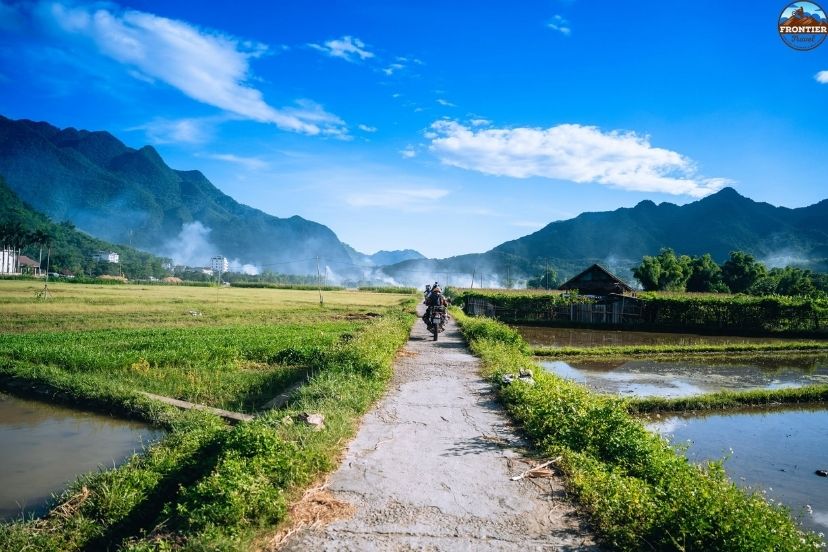
Guide signs help riders navigate long distance routes
4.2. Navigating Built-Up Areas and Speed Transitions
Speed transitions between rural highways and urban zones are clearly marked to ensure riders adjust their speed appropriately before entering populated areas. The Vietnam road signs motorbike tourist guide highlights that residential zones typically require reduced speeds to ensure pedestrian safety.
Exiting these areas allows riders to gradually increase speed again as road conditions become more open. Understanding these transitions helps maintain both legal compliance and riding safety.
4.3. Finding Essential Services and Route Directions
Service-related guide signs provide crucial information about fuel stations, hospitals, and rest stops along the route, which is especially important for long-distance riders traveling through rural or mountainous regions. The Vietnam road signs motorbike tourist guide emphasizes the importance of using these signs for trip planning.
These indicators help riders avoid fuel shortages and ensure access to emergency services when needed. Proper awareness of service locations significantly improves travel reliability.
4.4. Understanding Auxiliary Signs and Road Markings
Auxiliary signs provide additional context such as time restrictions, vehicle-specific rules, or operational conditions that help clarify the meaning of main traffic signs. The Vietnam road signs motorbike tourist guide explains that these supplementary indicators are essential for precise interpretation.
Road markings such as solid and dashed lines define overtaking rules and lane discipline in a very strict manner. Directional arrows painted on the road surface also guide riders into correct lanes well before intersections.
5. Official Traffic Laws and Speed Limits in Vietnam
Traffic regulations in Vietnam are designed to maintain order and safety across a wide range of road environments, from dense cities to remote mountain highways. The Vietnam road signs motorbike tourist guide ensures riders understand these laws as a core part of responsible riding behavior.
5.1. Strict Legal Regulations Every Rider Must Know
All riders must follow right-hand traffic rules consistently across the entire country without exception, regardless of road type or traffic conditions. The Vietnam road signs motorbike tourist guide also emphasizes that alcohol consumption while riding is strictly prohibited under all circumstances.
Passenger limits are also enforced to ensure vehicle stability and rider safety, especially on smaller motorbikes commonly used by tourists. Violating these regulations can result in serious legal consequences and increased accident risk.
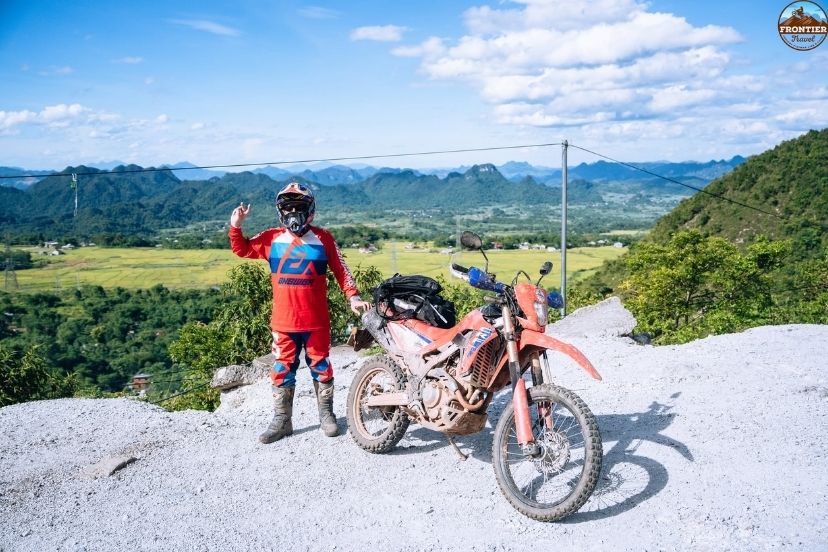
Follow strict traffic laws for safe motorbike travel
5.2. Standard Speed Limits and Road Classifications
Speed limits in Vietnam vary depending on whether the rider is traveling through urban areas, rural roads, or designated highways. The Vietnam road signs motorbike tourist guide explains that urban zones typically restrict speeds to lower limits for safety reasons.
Rural roads may allow higher speeds depending on posted signage, but riders must always adjust according to actual road conditions. This flexibility requires constant attention to both signage and environmental factors.
5.3. Expressway Restrictions and Key Designations
Vietnam uses a structured road classification system that helps riders understand the purpose and restrictions of each road type. The Vietnam road signs motorbike tourist guide clarifies that national highways serve as main travel routes while provincial roads connect rural areas.
Expressways are strictly off-limits for motorbikes, and riders must always plan alternative routes in advance. Understanding these classifications prevents legal violations and navigation errors.
6. Survival Etiquette and Cultural Communication on the Road
Riding in Vietnam is not only about following rules but also about understanding local traffic behavior and adapting to a dynamic road culture. The Vietnam road signs motorbike tourist guide incorporates these social and practical aspects into safe riding awareness.
6.1. The Art of Using Horns and Headlights
In Vietnam, horns are primarily used as safety communication tools rather than expressions of aggression or frustration. The Vietnam road signs motorbike tourist guide explains that horn signals help alert other road users in blind corners or during overtaking situations. Headlights must be used during nighttime and in tunnels to ensure visibility for all road users. This simple practice significantly reduces the risk of accidents in low-light conditions.
6.2. Reading Traffic Flow and Handling Local Hazards
Traffic flow in Vietnam often appears highly unpredictable to foreign riders, especially in mixed urban–rural environments where vehicles, pedestrians, and motorbikes move with flexible and sometimes non-standard behavior patterns that require constant attention. Riders must therefore adopt a defensive and adaptive riding style that prioritizes anticipation over reaction, allowing them to read movement patterns early and adjust positioning before potential conflicts develop.
Maintaining a safe distance from larger vehicles such as trucks and buses is essential because these vehicles frequently create blind spots, wide turning arcs, and sudden lane shifts that can catch inexperienced riders off guard. Continuous awareness of surrounding traffic behavior, combined with steady speed control and proper lane positioning, significantly improves safety and reduces the likelihood of unexpected incidents on busy or narrow roads.
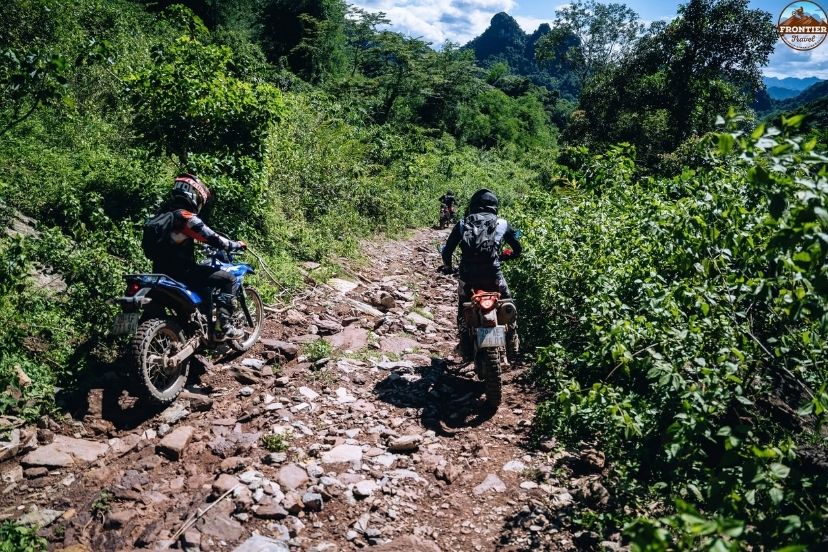
Adapt defensive riding for unpredictable traffic conditions
6.3. Long-Distance Riding Skills and Weather Management
Long-distance mountain riding in Vietnam demands strong preparation for rapidly changing weather conditions, including sudden heavy rain, dense fog, and slippery road surfaces that can dramatically reduce visibility and traction within minutes. Riders must remain flexible and adjust their riding technique continuously to match evolving environmental conditions rather than relying on fixed speed or handling habits.
Controlled braking, smooth throttle input, and balanced body positioning are essential skills for maintaining stability on wet or uneven terrain, particularly during extended rides through mountainous regions. In addition, livestock such as buffaloes or goats frequently appear on rural roads without warning, requiring immediate speed reduction and heightened alertness to avoid dangerous encounters.
6.4. Fueling Tips and Interacting with Traffic Police
Fuel planning plays a critical role in long-distance travel across Vietnam, especially in remote or mountainous areas where petrol stations may be widely spaced and not always clearly marked. Riders should prioritize reliable and well-established fuel stations whenever possible to avoid inconsistent fuel quality that could negatively affect engine performance over long journeys.
When encountering traffic police, riders are expected to remain calm, respectful, and fully cooperative while presenting all required documents such as driving permits and vehicle registration papers without hesitation. Proper preparation and organized documentation not only ensure smooth interactions with authorities but also contribute to a more confident and stress-free riding experience overall.
7. Preparing Your Ultimate Motorbike Road Trip in Vietnam
Successful motorcycle travel requires careful preparation, appropriate equipment selection, and realistic route planning. The Vietnam road signs motorbike tourist guide supports riders in building a complete and safe travel strategy.
7.1. Choosing the Right Motorbike for Vietnam's Terrains
Different motorcycle types are suited for different terrain conditions, ranging from city streets to steep mountain passes. The Vietnam road signs motorbike tourist guide helps riders select the most suitable bike based on route difficulty and riding experience. Manual bikes are generally preferred for mountainous regions due to better control. Scooters are more suitable for urban environments with lighter terrain demands.
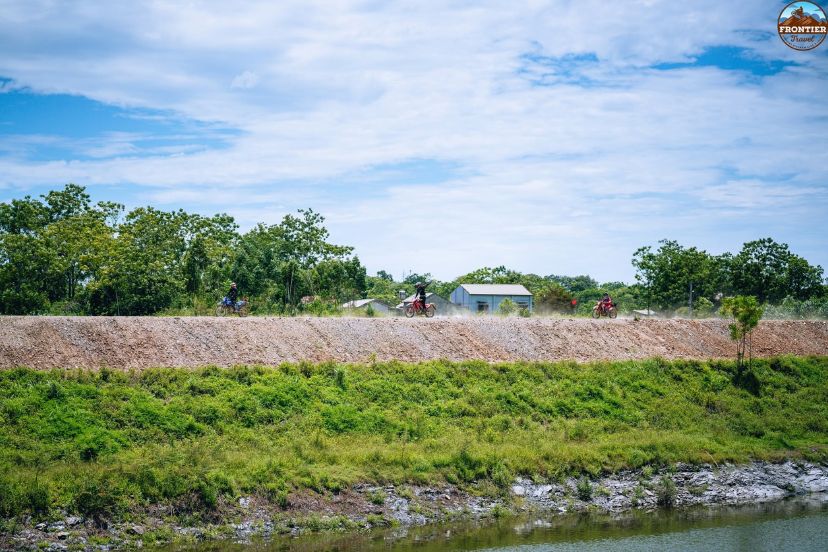
Choose suitable motorbike for different Vietnam terrains wisely
7.2. Essential Packing List for Long-Distance Riders
Proper packing plays a critical role in ensuring comfort, safety, and emergency readiness during long journeys. The Vietnam road signs motorbike tourist guide emphasizes protective gear and weatherproof equipment as essential items. Navigation tools and basic medical supplies should always be included for remote travel. Lightweight packing improves overall riding efficiency.
7.3. Route Planning and Safety Inspections Before Departure
Regular motorcycle inspections help prevent mechanical failures during long-distance travel. The Vietnam road signs motorbike tourist guide recommends checking tires, brakes, and engine condition before every departure. Daily route planning should include realistic distance expectations and rest stops. Finishing rides before sunset significantly improves safety in rural areas.
8. Conclusion
Vietnam road signs motorbike tourist guide knowledge acts as your ultimate shield, ensuring that your exploration of these breathtaking landscapes remains both safe and exhilarating. Mastering these visual road rules bridges the gap between being a mere spectator and truly connecting with the vibrant rhythm of local life. If you have any questions or want to secure a flawlessly planned itinerary, do not hesitate to contact Frontier Travel Vietnam to get your dream motorbike holiday started today!