Safety should always be your top priority when planning a Vietnam motorbike tour safety tips filled itinerary across the country's most legendary riding routes. If you want to experience the ultimate freedom of two wheels without compromising your well being, let Frontier Travel Vietnam equip you with the essential knowledge and premium bikes needed for a secure and smooth journey.
1. Essential riding documents and legal requirements
Operating a motorcycle legally requires strict adherence to local transportation frameworks to avoid severe financial penalties or vehicle confiscation. Ensuring your paperwork aligns perfectly with national statutes guarantees a stress-free journey through every provincial checkpoint. Following standard Vietnam motorbike tour safety tips protects your holiday from unexpected legal disruptions.
1.1. Securing a valid international driving permit and local registration papers
To ride legally in this country, you must possess an International Driving Permit issued under the 1968 Vienna Convention framework. Your home country’s motorcycle endorsement must be clearly visible and active on this document to maintain validity during roadside inspections.
Additionally, you must carry the original blue vehicle registration card, commonly known as the "Carvet," provided by your motorcycle rental agency. Failing to present these authentic documents triggers immediate vehicle impoundment lasting up to seven business days at your own expense.
1.2. Understanding travel insurance policies and motorcycle engine size restrictions
Standard international travel insurance policies explicitly exclude medical coverage for motorcycle accidents if the rider operates a machine over 150cc without a local license. You must thoroughly review the fine print of your insurance policy underwriter to confirm coverage details before starting a journey.
Most premium adventure touring motorcycles utilized for highland expeditions feature engine displacements ranging from 150cc to 300cc, necessitating specialized high-risk insurance add-ons. Verifying these insurance parameters prevents catastrophic out-of-pocket medical expenses in the event of an emergency evacuation. Incorporating these financial safeguards remains a key pillar of expert Vietnam motorbike tour safety tips recommendations.
1.3. Dealing with local traffic police checkpoints professionally and safely
When signaled by a uniformed traffic officer utilizing a reflective baton, you must immediately reduce your speed and pull over safely to the right shoulder. Maintain a calm, polite demeanor, switch off your motorcycle engine, and present your documents inside a transparent waterproof folder.
Avoid displaying large amounts of cash when opening your wallet, as such actions complicate standard regulatory interactions needlessly. If a legitimate fine is issued for a minor traffic violation, request an official written receipt to ensure the transaction complies fully with provincial legal standards.
2. Ultimate Vietnam motorbike tour safety tips route navigation map
Urban traffic patterns in major metropolitan areas like Hanoi and Ho Chi Minh City operate on a system of constant fluid motion rather than rigid lane discipline. Developing a keen eye for subtle spatial shifts allows you to flow seamlessly through seemingly chaotic roundabouts. Adhering to fundamental Vietnam motorbike tour safety tips keeps you clear of unpredictable urban collisions.
2.1. Mastering the unspoken rule of size priority where big vehicles always win
A critical element of safe riding involves acknowledging that vehicle size dictates absolute road priority on all national highways. Massive inter-provincial buses, heavy concrete mixers, and overloaded agricultural trucks will frequently occupy the center of narrow two-lane roads without warning.
Smaller motorcycles are collectively expected to yield the path by moving onto the unpaved right-hand shoulder to prevent collisions. Never attempt to assert your theoretical legal right-of-way against a larger vehicle, as commercial drivers operate under tight delivery schedules and possess massive blind spots. Practicing this defensive awareness embodies the core spirit of Vietnam motorbike tour safety tips on the highway.
2.2. Anticipating sudden movements and staying alert for oncoming overtaking lanes
Local commuters frequently execute sudden turns without activating directional indicators or checking rearview mirrors before changing lanes. You must maintain a continuous 360-degree awareness sweep, constantly scanning the road surface 50 meters ahead for erratic vehicular behavior.
Be especially vigilant when passing slow-moving agricultural vehicles, as they often make sharp left turns into hidden farm tracks without prior warning. Expect oncoming vehicles to enter your designated travel lane routinely while they attempt to overtake slower traffic on blind hill crests.
2.3. Using your horn effectively as a communication tool rather than an aggressive gesture
In Western traffic ecosystems, sounding a vehicle horn generally indicates extreme anger or an immediate warning of an impending collision. Conversely, local motorists utilize the horn as a polite acoustic radar signal to announce their physical presence to surrounding blind spots.
You should emit short, double taps on your horn button when approaching blind mountain curves, entering obscured intersections, or overtaking slower scooters from behind. This simple audio signal ensures surrounding drivers acknowledge your position, significantly reducing the likelihood of accidental side-swipe collisions.
3. Conquering mountain passes and rural terrain safely
The dramatic limestone peaks of the northern frontier offer unparalleled scenic vistas but present extreme geographical hazards for long-distance riders. Implementing specific adjustments to your cornering technique ensures you navigate these rewarding mountain highways with total confidence. Essential Vietnam motorbike tour safety tips emphasize mapping out your fuel stops ahead of time.
3.1. Handling blind corners and steep switchbacks in remote highland areas
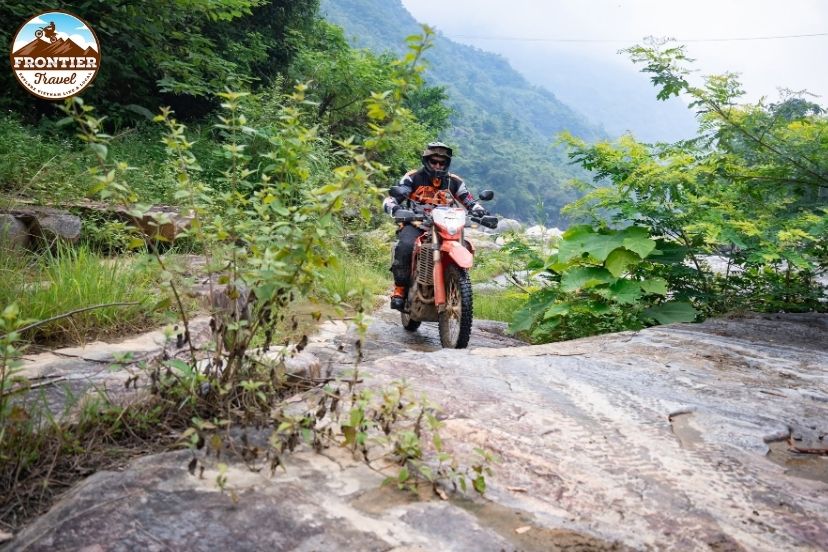
When executing a comprehensive tour through the highlands, especially on an Ultimate North Vietnam route, riders must strictly avoid cutting across the center yellow line during cornering maneuvers. Maintain a wide outside entry line when approaching blind corners to maximize your field of vision around rock faces.
Shift your weight slightly forward and look completely through the exit of the turn rather than focusing directly on the asphalt immediately in front of your front tire. This proven cornering methodology prevents panic braking situations if an oncoming tourist bus suddenly appears mid-turn.
3.2. Adjusting your speed for gravel mud and unexpected livestock on the road
Rural mountain roads are frequently contaminated with loose limestone gravel, deep agricultural mud, or fresh landslides caused by minor seismic shifts. You must instantly reduce your cruising velocity to under 30 kilometers per hour when encountering these unstable, low-traction track conditions. Additionally, free-roaming water buffalo, domestic pigs, and mountain goats frequently congregate directly on the warm asphalt surfaces of rural routes.
Approach these animals with extreme caution, avoiding aggressive revving or sudden horn blasts that could easily startle them into your direct riding path. These encounters highlight why regional Vietnam motorbike tour safety tips advocate for constant technical awareness.
3.3. Avoiding the extreme dangers of riding through mountain roads after dark
National highways outside major urban zones completely lack artificial street lighting systems, plunging rural passes into absolute darkness after 5:30 PM. Potholes, sudden road washouts, and unlit agricultural vehicles become completely invisible until they enter your direct headlight beam.
Furthermore, long-distance commercial trucks frequently operate with high-intensity LED light bars that can temporarily blind your vision during close passes. Plan your daily routing milestones defensively to ensure you arrive at your designated overnight destination well before the sun sets completely over the horizon.
4. Packing the right protective gear for the journey
Your personal protective equipment serves as the only definitive barrier between your body and the harsh asphalt surface in an accident scenario. Investing in high-performance, well-ventilated riding gear guarantees your skin remains fully protected against unpredictable environmental hazards. Experienced operators emphasize these physical gear choices within standard Vietnam motorbike tour safety tips checklists.
4.1. Investing in a high quality full face or three quarter helmet
Cheap novelty helmets purchased at local roadside markets offer zero structural protection during a high-impact collision. You must secure a certified full-face or three-quarter helmet that meets internationally recognized safety benchmarks such as ECE 22.06 or DOT standards.
A secure, properly fitted helmet prevents facial fractures and significantly mitigates the risk of traumatic brain injuries during a fall. Ensure the integrated helmet visor features an anti-scratch coating and provides clear visibility during low-light rainy conditions.
4.2. Wearing proper riding jackets gloves and sturdy ankle protecting boots
A comprehensive safety strategy places heavy emphasis on wearing a dedicated mesh riding jacket equipped with integrated CE-rated armor plates at the elbows and shoulders. Complement this upper-body protection with heavy-duty leather motorcycle gloves featuring reinforced carbon-fiber knuckle protectors to safeguard your hands during slides.
Never operate a motorcycle while wearing sandals or thin canvas sneakers; instead, utilize rigid, high-top leather boots that offer substantial mechanical protection for your delicate ankle joints. This comprehensive apparel configuration ensures your entire body remains resilient against abrasive road surfaces. Smart riders follow these structural Vietnam motorbike tour safety tips to minimize injury risks effectively.
4.3. Preparing a reliable two piece rain suit for sudden tropical downpours
Tropical weather patterns across Southeast Asia can shift from intense, blinding sunshine to torrential downpours within a matter of minutes, making rain protection essential for any Ultimate North Vietnam ride. Avoid cheap, billowing plastic ponchos sold at roadside stalls, as they catch the wind violently and can easily tangle inside your motorcycle's spinning rear wheel spokes.
Invest instead in a heavy-duty, high-visibility two-piece rain suit constructed from breathable, fully waterproof nylon materials. Wearing a proper rain suit prevents hypothermia during high-altitude mountain runs where ambient temperatures can drop rapidly during storm fronts.
5. Mechanical safety and daily bike maintenance checks
Mechanical reliability directly determines your overall safety when exploring remote border areas where professional repair shops are completely nonexistent. Treat your motorcycle with the mechanical respect a high-performance touring machine demands. Prioritizing mechanical checkups represents a core component of defensive Vietnam motorbike tour safety tips planning.
5.1. Checking tire pressure brake pads and chain tension every morning
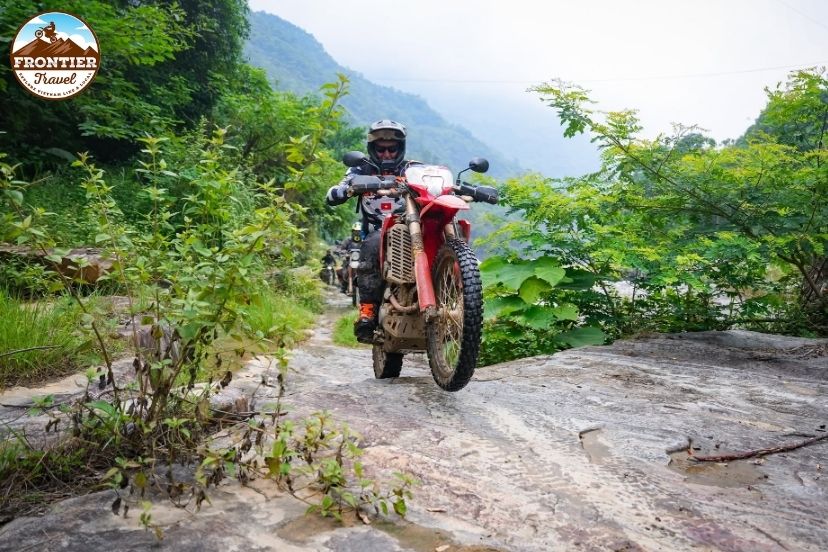
Before hitting the road each morning, you must check the tread depth and inflation pressure of both tires using a reliable pocket pressure gauge. Inspect the thickness of your front and rear brake pads visually to ensure at least two millimeters of friction material remains on the metal backing plates.
Lubricate the drive chain thoroughly with dedicated motorcycle chain wax and verify the total vertical slack measures between 25 and 35 millimeters. These quick mechanical verification steps guarantee optimal power delivery, short stopping distances, and predictable handling characteristics on complex mountain roads.
5.2. Identifying reliable roadside mechanics for quick fixes and oil changes
Every village across the country features at least one basic motorcycle repair shop, easily identifiable by prominent roadside signs reading "Sua Xe May." These local mechanics possess incredible technical resourcefulness and can patch inner tubes or replace broken control cables within minutes for a very nominal fee.
For major engine diagnostics or routine oil changes, try to locate larger shops authorized by major global brands like Honda or Yamaha to ensure genuine replacement components are utilized. Keep a spare spark plug and a basic multi-tool kit tucked inside your luggage for minor self-service tasks on isolated pass segments.
5.3. Choosing a safer rental bike with Vietnam motorbike tour safety tips
Selecting a reputable rental agency that prioritizes mechanical safety over cheap pricing models is a critical component of successful travel planning. Confirming the structural integrity of your machine before departure minimizes the risk of component failures on remote mountain highways. Securing a reliable machine remains a foundational rule among standard Vietnam motorbike tour safety tips parameters.
6. Ultimate Vietnam motorbike tour safety tips informational directory
Analyzing real-world scenarios through a collection of targeted inquiries helps clarify complex road situations before you experience them firsthand. This structured technical directory combines field data with practical solutions to address the most common challenges encountered along national highways.
6.1. Is it safe for a beginner rider to join a multi day motorbike tour?
No, embarking on a long-distance multi-day expedition across complex geographical terrain is highly dangerous for individuals lacking substantial motorcycle operating experience. The combination of intense tropical heat, unpredictable road surfaces, and aggressive commercial traffic requires advanced riding reflexes and deep muscle memory.
Beginner riders should instead book an "Easy Rider" tour option, where they sit comfortably as a pillion passenger behind a highly experienced, licensed local professional guide. This alternative approach allows you to absorb the spectacular scenery completely without managing the intense physical stress of driving. Following these protective Vietnam motorbike tour safety tips preserves your physical well-being.
6.2. What should I do immediately if I get into a minor road accident?
In the unfortunate event of a minor collision, immediately move your motorcycle to the right shoulder to prevent secondary accidents with oncoming traffic flows. Check yourself and your companions thoroughly for injuries, administering basic first aid from your medical kit if minor abrasions are present.
Photograph the final resting positions of all involved vehicles and collect contact information from any local witnesses who observed the incident occur. Contact your motorcycle rental provider's emergency support hotline immediately to receive step-by-step assistance with insurance claims and local police reporting procedures. Implementing these critical post-collision behaviors forms an advanced module of essential Vietnam motorbike tour safety tips instructions.
6.3. How do I handle riding in heavy flooding or tropical storm conditions?
When torrential rains cause severe flash flooding that covers the asphalt surface to a depth exceeding 15 centimeters, you must immediately seek elevated shelter. Entering deep, moving floodwaters risks stalling your engine due to water ingestion through the air intake box, causing permanent internal mechanical damage.
If you must navigate shallow standing water, select a low gear ratio, maintain a steady throttle position, and avoid using the front brake entirely to prevent washing out. Wait out intense tropical storm fronts inside a local cafe until visibility improves to a safe distance exceeding 100 meters. Developing this tactical patience under extreme weather reflects practical mastery of Vietnam motorbike tour safety tips doctrines.
Conclusion
Arming yourself with the right Vietnam motorbike tour safety tips ensures that your two-wheeled expedition remains a thrilling success rather than a dangerous ordeal. To ensure you are riding the safest, most well-maintained adventure bikes accompanied by expert guidance every step of the way, contact Frontier Travel Vietnam today and book your next epic journey with the true road professionals.