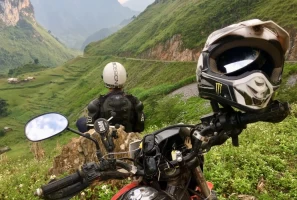
Vietnam motorbike tour medical kit first aid essentials are something every rider should prepare before starting an adventure across the country. A well-prepared first aid kit helps riders manage minor injuries, common travel illnesses, weather-related discomfort, and emergency situations before professional medical support is available. In this guide, Frontier Travel Vietnam explains what to pack, how to organize your kit, and how to ride more safely on Vietnam’s most exciting motorbike routes.
1. Why Vietnam Motorbike Tour Medical Kit First Aid Essentials Matter
Vietnam motorbike tour medical kit first aid essentials matter because road conditions can shift quickly from smooth highways to mud, gravel, rain, fog, heat, and steep mountain corners. Good preparation helps riders stay calm when small health problems appear.
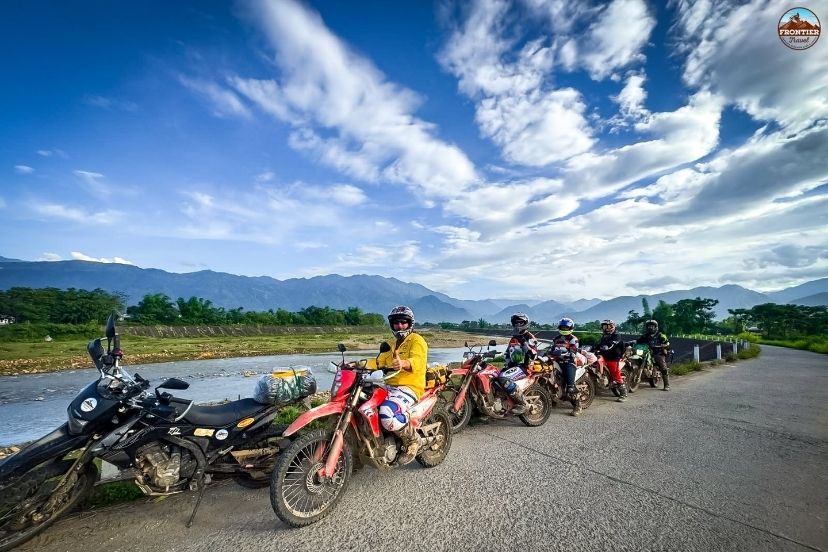
A compact first aid kit keeps riders ready for Vietnam’s unpredictable roads
Vietnam is one of Asia’s most rewarding motorbike destinations because each region feels different. One ride can include city traffic, quiet villages, misty passes, riverside roads, and sudden mountain rain. That variety creates the adventure, but it also creates safety challenges.
A medical kit helps with small wounds, blisters, mild pain, dehydration, insect bites, and basic hygiene. It gives riders temporary support when a clinic or pharmacy is not nearby. However, serious symptoms should never be ignored or self-treated casually. Deep wounds, head injuries, heavy bleeding, suspected fractures, breathing difficulty, severe allergy, confusion, or high fever need urgent care.
2. Basic First Aid Supplies Every Rider Should Carry
Every rider should begin with basic supplies before adding remote-route extras. These items are small, affordable, and useful for common situations on a Vietnam motorbike tour.
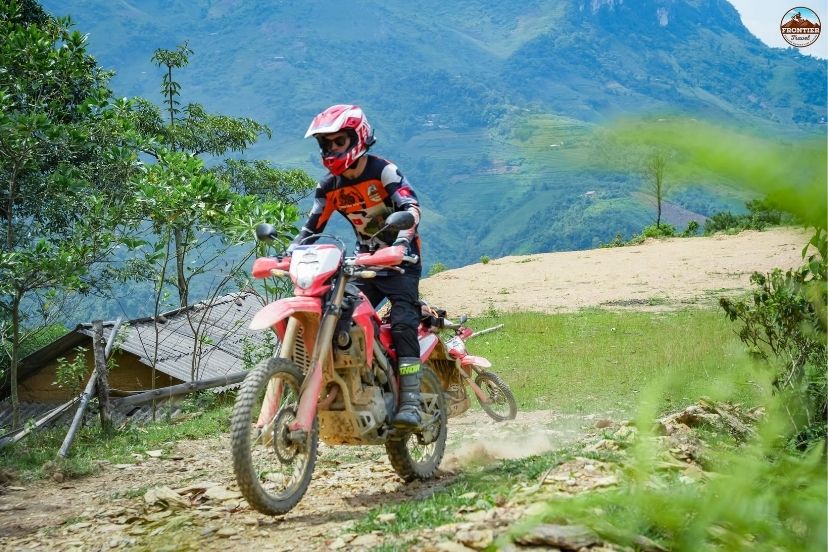
Essential wound care supplies packed for a safer motorbike adventure
2.1. Wound Cleaning Items
Small cuts and scrapes can happen while riding, parking, walking to viewpoints, or moving luggage. Carry antiseptic wipes, sterile saline, clean water, hand sanitizer, and simple wound-cleaning supplies.
Cleaning a wound early helps remove dust, mud, sweat, and bacteria. Vietnam motorbike tour medical kit first aid essentials should include cleaning items because humidity can make minor cuts worse.
2.2. Bandages and Dressings
A useful kit should include adhesive bandages, sterile gauze pads, medical tape, elastic bandages, blister pads, and waterproof dressings. Waterproof options are helpful because Vietnam’s rain and mud can arrive suddenly. Do not bring only tiny bandages for a multi-day ride. Riders may need larger dressings for knee scrapes, elbow cuts, or minor road rash.
2.3. Gloves and Hygiene Protection
Disposable non-latex gloves, hand sanitizer, small trash bags, and zip-lock bags are easy to pack but valuable. They reduce infection risk and separate used dressings from clean supplies. Hygiene matters when treating wounds beside a road or in a rural area. Vietnam motorbike tour medical kit first aid essentials should protect both the injured rider and the helper.
3. Injury Care for Motorbike Riders
Motorbike travel can be physically demanding even without a serious crash. Long riding days, uneven ground, luggage, boots, and short hikes can create small injuries that affect focus.
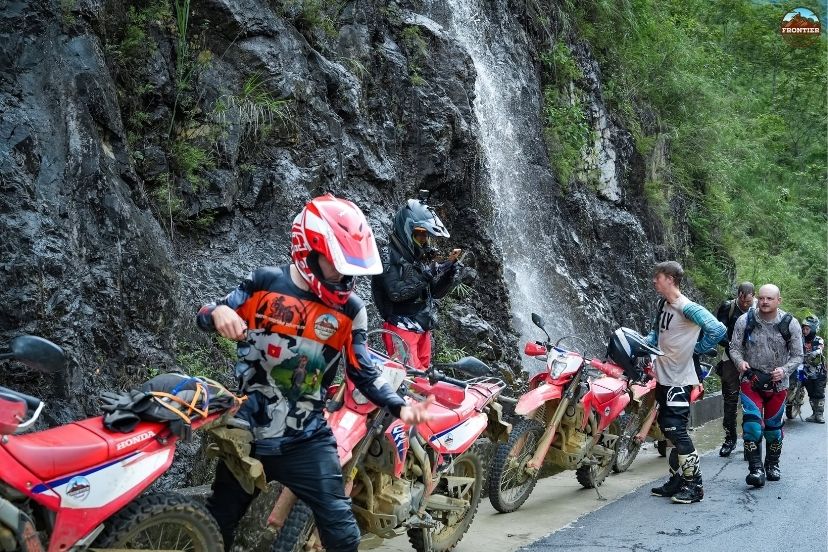
Simple injury care helps riders handle scrapes, sprains, and blisters on tour
3.1. Cuts, Scrapes, and Road Rash
A slip on gravel, mud, or wet concrete can cause abrasions on hands, elbows, knees, or ankles. Carry supplies to clean, cover, and protect these wounds. Road rash can become painful when exposed to dust, sweat, and repeated movement. Vietnam motorbike tour medical kit first aid essentials should include gauze, tape, antiseptic wipes, and waterproof dressings.
3.2. Sprains and Joint Support
Wrists, ankles, knees, and shoulders can be strained when riders slip or handle a heavy bike. Elastic bandages, athletic tape, and instant cold packs can provide temporary support. These items do not replace a medical examination, but they can help until you reach a clinic. If pain, swelling, or movement problems get worse, stop riding.
3.3. Blister Care for Long Riding Days
Blisters may come from riding boots, damp socks, walking to viewpoints, or trekking after a ride. Carry blister pads, moleskin, tape, clean socks, and small scissors. A blister sounds minor, but painful feet can reduce riding concentration. Vietnam motorbike tour medical kit first aid essentials should include foot care for multi-day comfort.
4. Medicines for Common Travel Problems
Travelers should bring medicines they already know are safe for them. Anyone with medical conditions should speak with a doctor before the trip and keep medication in original packaging.
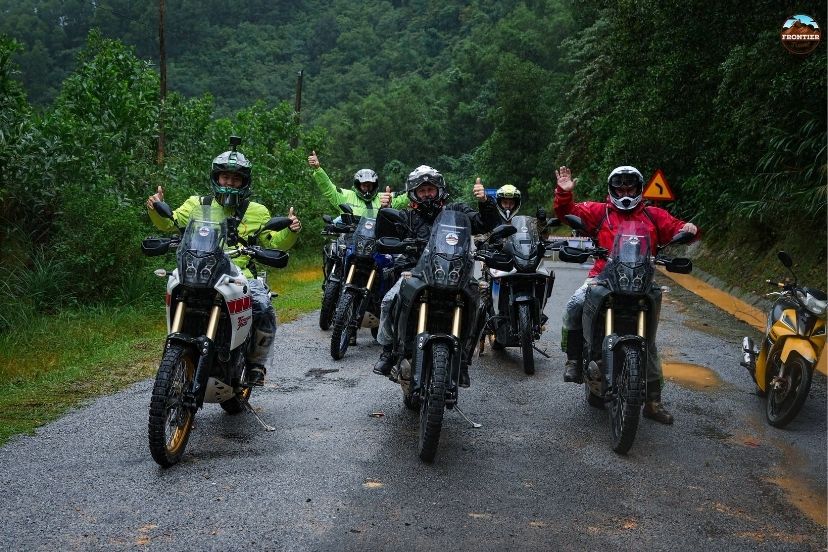
Travel medicines support riders through fever, stomach issues, and nausea
4.1. Pain and Fever Relief
Common pain and fever medicine, such as paracetamol, acetaminophen, or ibuprofen, can be useful during a motorbike journey. Riders should follow dosage instructions and avoid mixing medicine without advice.
Pain relief can help with headaches, mild fever, muscle soreness, or body aches after long days. Vietnam motorbike tour medical kit first aid essentials should include basic medicine, but riders should stop if symptoms affect focus.
4.2. Stomach and Digestive Support
Stomach issues can drain energy, cause dehydration, and make riding unsafe. Oral rehydration salts, antacid tablets, anti-diarrheal medicine, and doctor-recommended traveler’s diarrhea treatment can be useful.
Vietnamese food is a highlight, but changes in spice, water, schedule, and local dishes may affect some travelers. Vietnam motorbike tour medical kit first aid essentials should prepare for digestive problems.
4.3. Motion Sickness and Nausea
Winding mountain roads can make some riders or passengers feel dizzy or nauseous. Anti-nausea or motion sickness medicine may help, especially for pillion passengers. Choose medicine carefully because some options can cause drowsiness. If a medicine makes you sleepy, do not ride after taking it.
5. Vietnam-Specific Health Essentials for Riders
Vietnam’s climate changes by region and season, so riders should prepare for heat, humidity, cold, rain, insects, dust, and pollution. These conditions can affect health even when the road looks easy.
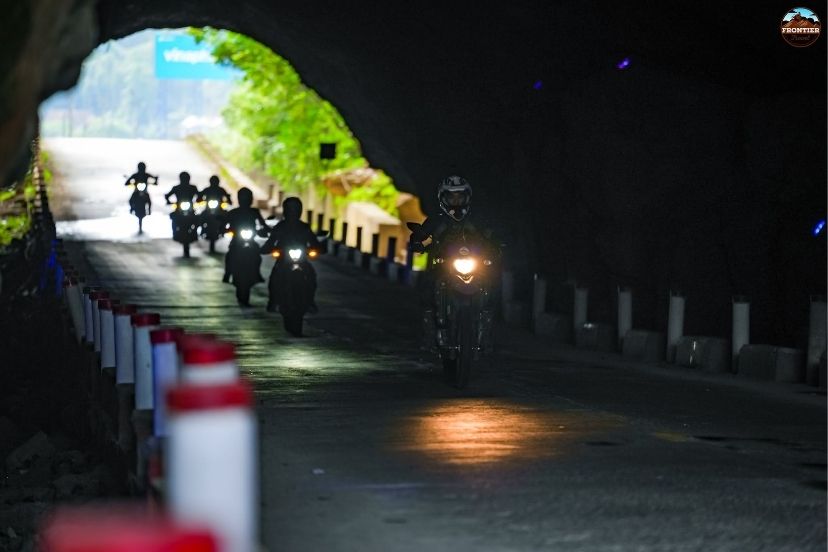
Vietnam motorbike tour medical kit first aid essentials for heat, rain, insects, and dust
5.1. Heat, Humidity, and Dehydration Support
Hot lowlands and long riding days can cause dehydration faster than travelers expect. Carry oral rehydration salts, electrolyte tablets, and a reusable water bottle. Drink regularly before you feel extremely thirsty. Vietnam motorbike tour medical kit first aid essentials should include hydration support because clear focus is essential for safe riding.
5.2. Rain, Cold, and Mountain Weather
Northern mountain weather can change quickly, especially in Ha Giang, Cao Bang, Sapa, and highland areas. Carry warm layers, dry socks, rain protection, a waterproof pouch, and a compact thermal blanket. Cold rain can drain energy and make small discomfort worse. A dry base layer or spare socks may seem simple, but it can save a difficult day.
5.3. Mosquito and Insect Protection
Rural, forested, riverside, and lowland areas may have mosquitoes and other insects. Pack insect repellent, bite treatment, and long-sleeve clothing for evenings. Insect bites can be itchy, distracting, and uncomfortable during the trip. Vietnam motorbike tour medical kit first aid essentials should include prevention, not only treatment.
5.4. Dust, Pollution, and Eye Protection
Dust, smoke, and city pollution can irritate eyes and breathing, especially on dry roads or busy highways. Sunglasses, riding goggles, masks, buffs, saline eye drops, and contact lens solution can help. Eye irritation reduces visibility and concentration on corners or in traffic. Simple protection makes the route safer and more enjoyable.
6. Emergency Documents and Contact Information
A medical kit should include emergency information, not only physical supplies. This is important in remote areas or places where language barriers make communication harder.
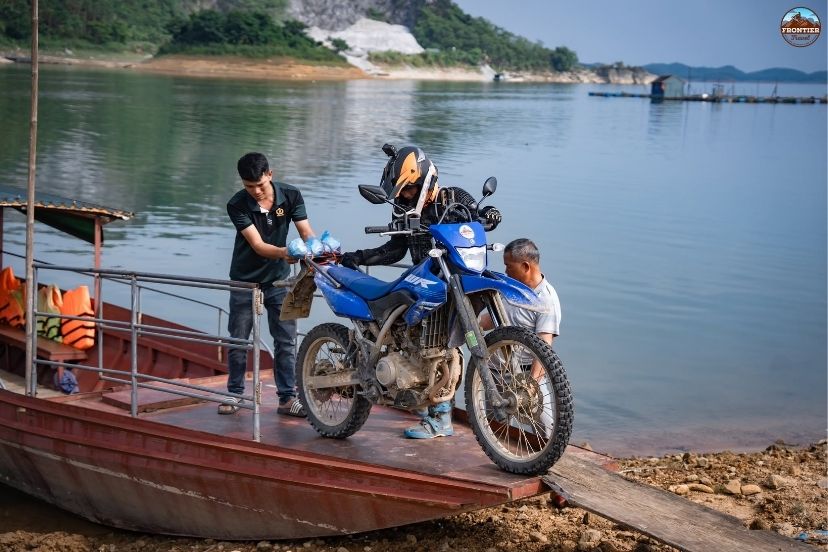
Emergency contacts and insurance details are vital for remote riding routes
6.1. Medical Information Card
Carry a small card with blood type if known, allergies, chronic conditions, emergency contact, insurance number, and current medications. Keep one copy in your wallet and another in your jacket. This card helps others support you faster after an accident or illness. Vietnam motorbike tour medical kit first aid essentials should include information that is clear, short, and easy to find.
6.2. Travel Insurance and Evacuation Details
Riders should carry travel insurance information and confirm coverage before the tour begins. Check motorbike riding, engine size, off-road riding, medical treatment, hospitalization, and emergency evacuation. Do not assume every travel insurance plan covers motorbike touring. Serious cases need professional care, so your medical kit should be supported by proper insurance.
6.3. Important Emergency Numbers in Vietnam
Important emergency numbers in Vietnam include ambulance 115, fire 114, police 113, and search and rescue 112. Save these numbers in your phone and write them on your medical card. Emergency lines may operate mainly in Vietnamese, so local support is valuable. Vietnam motorbike tour medical kit first aid essentials should also include your guide, hotel, operator, and insurance hotline contacts.
7. How to Pack and Organize Your Medical Kit
A first aid kit is useful only if you can find what you need quickly. Good organization keeps supplies dry, clean, and accessible during rain, vibration, dust, and emergency stops.
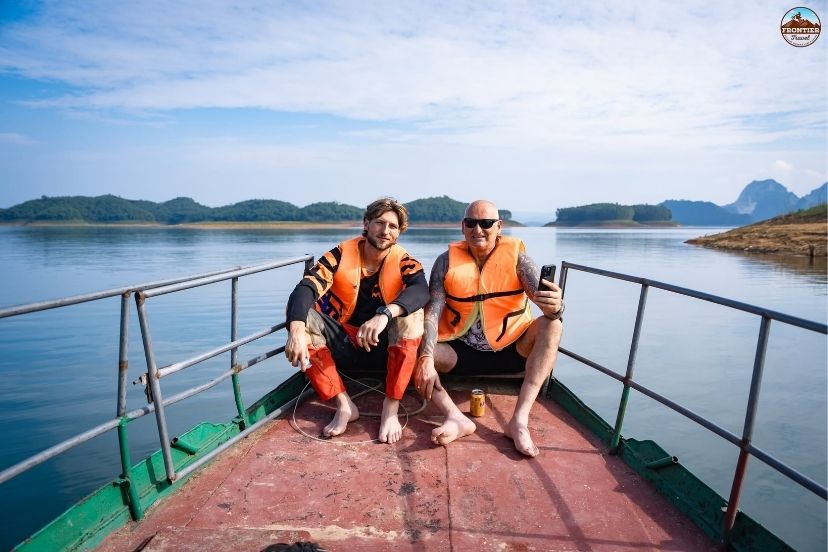
A waterproof medical kit keeps supplies clean, dry, and easy to reach
7.1. Use a Waterproof and Durable Container
Store your kit in a waterproof pouch, dry bag, or hard case. Rain, mud, river spray, and vibration can damage tablets, dressings, packaging, and paper documents. Choose a container that is compact but not overfilled. Vietnam motorbike tour medical kit first aid essentials should stay organized enough to open and use quickly.
7.2. Divide the Kit by Use
Divide the kit into wound care, medicine, prescriptions, emergency tools, and documents. Small zip-lock bags or labeled pouches make this easy. This system helps if a partner or guide needs to find supplies for you. Vietnam motorbike tour medical kit first aid essentials should be easy to understand, even for someone else.
7.3. Keep Essential Items Easy to Reach
Keep gloves, antiseptic wipes, bandages, pain relief, oral rehydration salts, and emergency contacts in an easy-access pocket. Do not bury important items under clothes, tools, or camera gear. During a roadside stop, speed and simplicity matter. The kit should be packed for real use, not just to look complete before the trip.
8. Extra Items for Remote or Off-Road Vietnam Tours
Remote routes need more preparation because help may take longer to arrive. Riders exploring Ha Giang, Cao Bang, the Ho Chi Minh Road, or deep northern tracks should carry extra backup items.
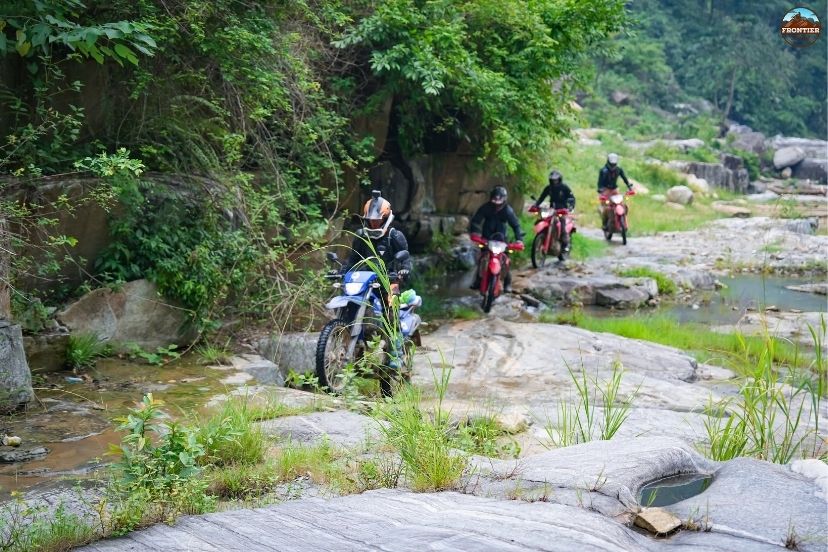
Remote mountain routes require extra backup, local support, and first aid knowledge
8.1. Remote Route Backup
For remote routes, add extra wound dressings, oral rehydration salts, an emergency blanket, whistle, small flashlight, spare cash, and offline document copies. These items are useful if weather, breakdowns, or delays extend the day.
Remote riding can also mean weak phone signal, fewer pharmacies, limited English support, and slower medical access. Vietnam motorbike tour medical kit first aid essentials should match route difficulty, not only trip length.
8.2. Group First Aid Kit vs Personal Kit
Each rider should carry personal medication, allergy information, and essential supplies. A guide or group kit can carry larger dressings, extra tools, cold packs, and extended backup items.
This balance keeps individual riders prepared without making everyone carry too much. Vietnam motorbike tour medical kit first aid essentials work best when personal and group needs are both considered.
8.3. First Aid Knowledge Matters
Supplies are useful, but knowledge makes them more effective. Riders should learn basic first aid, including wound cleaning, bleeding control, sprain support, dehydration signs, and when to call for help. A short first aid course can be more valuable than a large kit you cannot use. Preparation should include both gear and skills.
8.4. When to Stop Riding and Seek Medical Help
Stop riding and seek urgent medical support for deep wounds, head injuries, severe bleeding, suspected fractures, chest pain, breathing difficulty, severe allergy, confusion, repeated vomiting, or high fever. Do not continue only to stay on schedule.
A safe itinerary can be adjusted, but a serious health problem should not be ignored. Vietnam motorbike tour medical kit first aid essentials help with small issues, while professional care is necessary for serious symptoms.
9. Vietnam Motorbike Tour Medical Kit First Aid Essentials: FAQs and Conclusion
These quick answers summarize what riders should know before packing for a Vietnam motorbike adventure. Use them as a final checklist before departure.
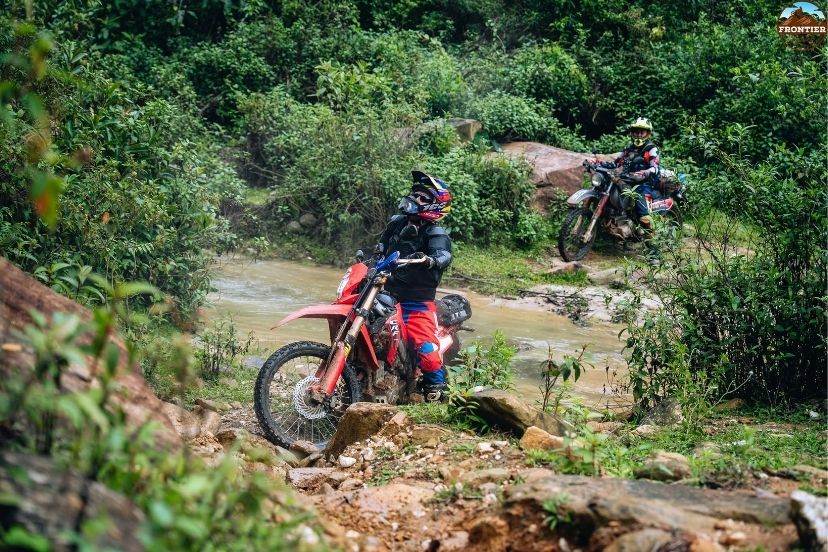
Vietnam motorbike tour medical kit first aid essentials help travelers ride prepared
9.1. Do I Really Need a Medical Kit for a Vietnam Motorbike Tour?
Yes, every rider should carry a medical kit, even on guided or easy routes. Most rides are safe, but small injuries, stomach problems, dehydration, blisters, insect bites, and delays are common enough to prepare for.
A compact kit can make the difference between a minor inconvenience and a ruined riding day. Vietnam motorbike tour medical kit first aid essentials are about being responsible, not being afraid.
9.2. What Are the Most Important First Aid Items for Riders?
The most important items include antiseptic wipes, gauze, bandages, tape, gloves, pain relief, oral rehydration salts, blister care, insect repellent, and personal medication. These items cover many common roadside issues without taking too much space.
Riders should also bring emergency contacts, insurance details, and prescription medicine. Vietnam motorbike tour medical kit first aid essentials should be practical rather than oversized.
9.3. Should I Bring Antibiotics?
Travelers should not self-prescribe antibiotics. Only bring antibiotics if recommended by a doctor, and keep them in original packaging with clear instructions. Using antibiotics incorrectly can be unsafe and may not treat the real problem. If symptoms are serious or persistent, seek medical advice instead of guessing.
9.4. What Should I Carry for Ha Giang or Remote Northern Routes?
For Ha Giang and remote northern routes, carry extra dressings, oral rehydration salts, warm layers, rain protection, emergency contacts, spare cash, and insurance information. Medical help may take longer to reach mountain areas, so preparation matters.
Guided support is also useful because weather, road conditions, and local communication can change quickly. Vietnam motorbike tour medical kit first aid essentials should be stronger for remote areas than for short city rides.
9.5. Can I Buy Medicine in Vietnam?
Many common medicines are available in Vietnamese pharmacies, especially in towns and cities. However, brands, language, availability, and instructions may vary, so travelers with personal prescriptions should bring their own supply.
Do not depend on finding the exact medicine you use at home in remote areas. Vietnam motorbike tour medical kit first aid essentials should include items you already trust and know how to use.
Conclusion
Vietnam motorbike tour medical kit first aid essentials are not about expecting something to go wrong; they are about riding responsibly and staying prepared. With the right medical kit, proper insurance, emergency contacts, and guided support from Frontier Travel Vietnam, travelers can explore Vietnam’s unpredictable but unforgettable roads with more confidence and peace of mind.