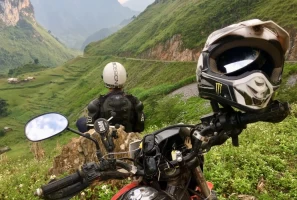
Navigating the official Vietnam motorbike license requirements is a critical first step for any traveler wishing to explore the country legally and safely. Depending on your home country and the engine size of your vehicle, you may need specific international permits to ensure your insurance remains valid. This guide breaks down the essential documentation you need to stay compliant with local regulations during your journey.
1. Introduction to motorbiking in Vietnam
The allure of the open road in Vietnam is not just about the destination; it is about the visceral connection to the environment. For foreigners, especially those accustomed to the sterile safety of Western highways, the organized chaos of Vietnam offers a profound sense of liberation.
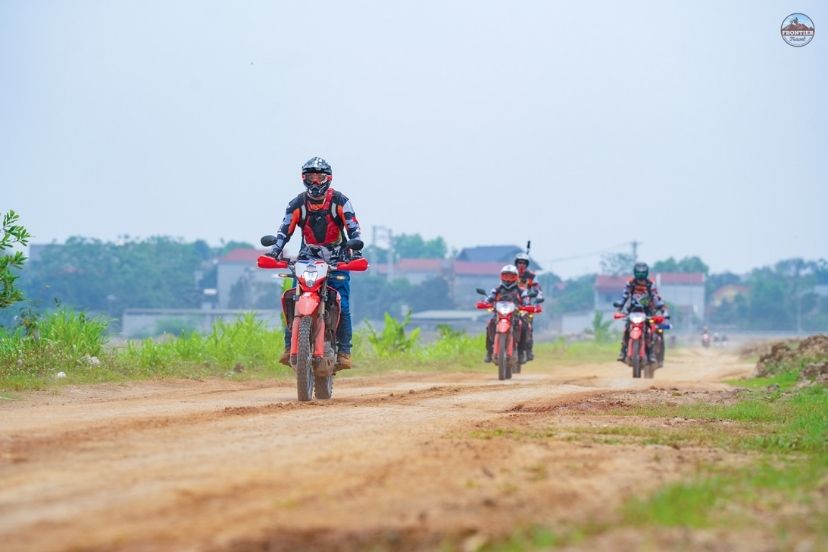
Motorbiking in Vietnam offers freedom and real-life connection
1.1. The appeal of authentic experiences through motorcycle travel
Unlike traveling by train or bus, a motorcycle allows you to stop at a roadside coffee shop in the middle of a mountain pass. You become part of the landscape while smelling the drying cinnamon in the sun and engaging in smiles with local farmers.
This authenticity is why thousands of travelers seek to fulfill Vietnam motorbike license requirements every year to earn the right to this intimacy. A bike allows you to reach remote ethnic minority villages where the pavement ends and the real adventure begins.
1.2. The flexibility of exploring cities and the countryside
In cities like Hanoi or Saigon, a motorbike is the ultimate key to navigating narrow "hems" or hidden alleys. It allows you to find the best street food stalls that are completely inaccessible to cars or tour buses.
In the countryside, that same bike becomes a rugged companion capable of traversing muddy paths and suspension bridges. If you don't meet the Vietnam motorbike license requirements, a simple city fender-bender can quickly escalate into a major legal hurdle.
1.3. Overview of the legal landscape for foreign riders
For a long time, foreigners rode in a "grey area," but the government has recently tightened its grip on road safety. Today, the Vietnam motorbike license requirements are clear regarding the necessity of a valid International Driving Permit (IDP).
Riding without the correct paperwork not only invites police fines but also completely voids your medical and travel insurance. This leaves you financially vulnerable in a foreign land should an accident occur during your tour.
2. Explore Vietnam motorbike license requirements
Navigating the legalities of Southeast Asian traffic laws can feel like a maze for the uninitiated. However, for those planning to pilot larger bikes, adherence to Vietnam motorbike license requirements is non-negotiable for insurance validity.
2.1. Legal framework and regulations
The backbone of road legality in Vietnam is Circular 12/2017/TT-BGTVT issued by the Ministry of Transport. This regulation dictates how foreign driving permits are recognized, converted, and enforced across all provinces.
- The Power of Circular 12: This decree outlines that Vietnam recognizes certain international permits while requiring long-term residents to exchange their home licenses.
- Dealing with Authorities: Local police have become increasingly strict regarding Vietnam motorbike license requirements, specifically targeting foreign riders on high-capacity adventure bikes.
- Shared Safety: Proper licensing ensures you have been vetted for the basic rules of the road, which reduces risks for everyone.
2.2. The license exchange process for foreigners
If you hold a valid motorcycle license from your home country, you do not necessarily need to take a new practical driving test. Instead, you can undergo a formal conversion process to meet the Vietnam motorbike license requirements.
- Eligibility Check: You must have a valid visa of at least three months and a current motorcycle license from your home country.
- Required Documentation: Prepare a folder containing your original passport, your home license, and three 3x4cm profile photos with a white background.
- Translation and Notarization: Your home license must be translated into Vietnamese and notarized by a recognized state office or your embassy to satisfy motorbike license requirements.
2.3. Professional assistance and logistics
The bureaucracy can be daunting if you do not speak the language or understand the local administrative flow. Fortunately, there are "fast-track" options to help you meet Vietnam motorbike license requirements without the headache.
- Agency Support: Many specialized travel agencies in Hanoi offer license conversion services for a fee to handle the paperwork on your behalf.
- Submission Procedures: If doing it solo, you must visit the Department of Transportation where they will take your digital photo on-site.
- The Timeline: It typically takes 7 to 10 working days to process the card, so plan this well before your actual tour starts.
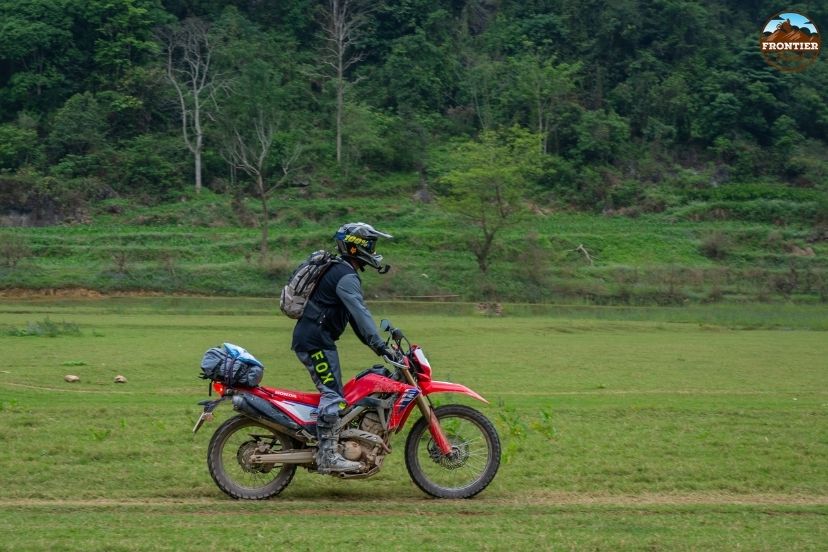
Navigating Vietnam motorbike license requirements made simple
3. Practical guide to getting your vehicle
The bike you choose will define your experience, especially when navigating steep mountain passes or muddy trails. While it’s tempting to go for a massive adventure bike, the reality of Vietnamese roads often favors something more nimble and manageable.
3.1. Renting vs. buying: Which is better?
For most travelers, renting is the gold standard because it ensures you receive a well-maintained machine. It also allows you to bypass the headache of verifying "blue card" ownership papers which is a key part of Vietnam motorbike license requirements.
- The Short-Term Winner: Renting is superior for trips under a month as it includes mechanical support and easy returns.
- Engine Size Matters: For most riders, a 150cc bike like the Honda XR150 is the "sweet spot" for power and weight.
- High-Capacity Risks: Riding a bike above 175cc requires an A2 license under Vietnam motorbike license requirements, which attracts much more police attention.
3.2. Steps to renting a bike safely
Don't just hand over your passport to the first shop you see on the street corner. Use a methodical approach to ensure you aren't being handed a "lemon" that will break down in the mountains.
- Check Social Credibility: Look for shops with high ratings on TripAdvisor that are well-versed in Vietnam motorbike license requirements.
- Understand the Fees: Expect to pay between $15 and $35 per day for a quality dual-sport bike intended for long-distance touring.
- Hotel Partnerships: Many high-end homestays act as intermediaries to provide better accountability for the rental quality.
3.3. Best routes and destinations
With your bike secured and your knowledge of Vietnam motorbike license requirements solid, you can finally head into the wild. Vietnam offers some of the most stunning riding routes in the world.
- The Ha Giang Loop: This is the "Holy Grail" of Asian motorbiking, featuring limestone karsts and dizzying altitude changes.
- The Ho Chi Minh Trail: This inland trail offers quiet, winding roads through lush jungles away from the dusty Highway 1.
- The First-Timer Warning: Avoid cross-country "Hanoi to Saigon" dashes if you only have two weeks, as you will spend too much time on busy highways.
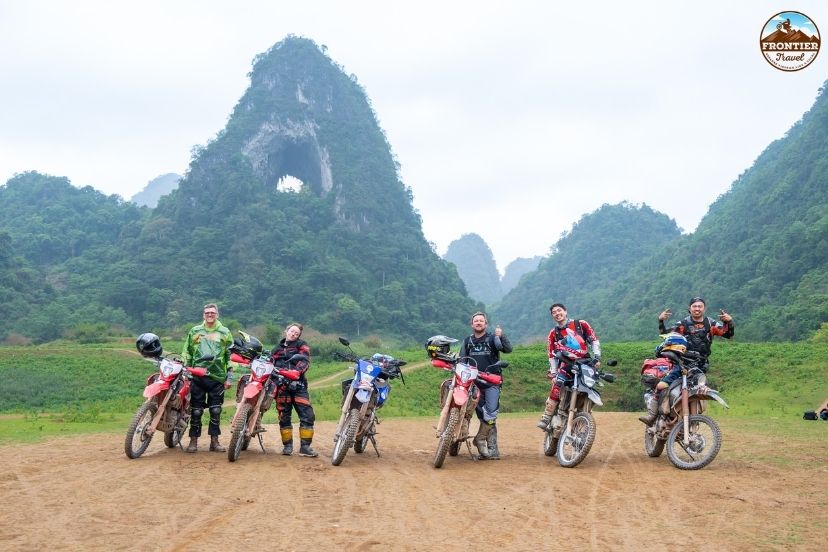
Ha Giang Loop and Ho Chi Minh Trail offer unforgettable riding experiences
4. Staying safe while traveling on Vietnam’s roads
Vietnamese traffic is a living, breathing organism that operates on a "flow" system rather than strict adherence to lanes. Understanding this rhythm is just as important as meeting the Vietnam motorbike license requirements.
4.1. Navigating traffic and road conditions
In the city, the traffic is a swarm; in the country, the road is an unpredictable obstacle course. You must learn to anticipate the movements of others who may merge without looking.
- City Crowds: The horn is used as a "I am here" signal, so do not take it as an expression of anger.
- Rural Hazards: Watch out for "unidentified objects" like bundles of rice stalks, loose gravel, or stray water buffalo.
- Seasonal Timing: August to October is the best window to visit when the weather is stable and the rice terraces are golden.
4.2. Avoiding dodgy businesses and scams
A key part of Vietnam motorbike license requirements is ensuring you aren't scammed into riding an illegal vehicle. Protecting your deposit and your documents is vital for a stress-free trip.
- Reputable Rental Services: A good shop will provide a rental contract and a clear copy of the bike's registration card.
- Local Liaisons: Having a local contact or guide can help negotiate "on-the-spot fines" if you are pulled over for minor infractions.
- Document Protection: Never leave your original passport as a deposit; offer a high-quality photocopy and a cash deposit instead.
5. Golden rules for long-distance touring
Riding 200km a day through Vietnamese terrain is physically demanding and mechanically taxing for any machine. Beyond just meeting Vietnam motorbike license requirements, you must be self-sufficient on the road.
- Master the "Bump Start": If your battery dies, put the bike in 2nd gear and release the clutch while moving to jump-start the engine. This is an essential skill when your electric starter fails in the middle of nowhere.
- Tire Maintenance: Check your pressure every morning to avoid "ninja nails" dropped by unscrupulous repair shops. Carrying a basic plug kit for tubeless tires can save you hours of pushing a heavy bike.
- The Golden Rule of Fuel: In the mountains, petrol stations can be 50km apart, so never let your tank drop below 30%. Always fill up at "Petrolimex" stations to avoid diluted "bottle gas" sold by roadside vendors.
- Basic Tool Kit: Always carry a 10mm wrench, a screwdriver, and some heavy-duty zip ties for emergency repairs. Zip ties can temporarily fix a broken indicator or a flapping fender until you find a shop.
- The "Sua Xe" Network: Every few kilometers, you will see a sign for "Sua Xe," which denotes a local mechanic. These wizards can weld or jury-rig almost anything to get you to the next major city.
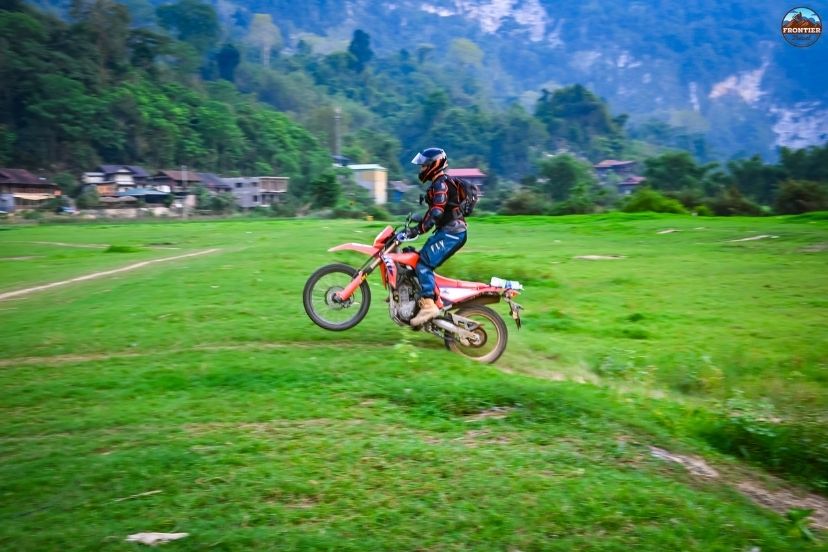
Preparation and basic skills ensure safer long rides
6. Frequently asked questions (FAQ) about Vietnam motorbike license requirements
To wrap up, let’s address the most common queries regarding Vietnam motorbike license requirements and general riding rules.
Why choose high-capacity motorcycles over 50cc scooters?
While 50cc engines might suffice for a quick grocery run, they act as a significant barrier to a true adventure. At Frontier, we provide high-performance machinery because a real touring experience demands more than just "moving" - it requires power, reliability, and precision.
Using a 50cc scooter for touring is not only a compromise on experience but also a safety risk. Here is why upgrading to a professional motorcycle is essential:
- Off-Road Performance: Modern dual-sport bikes like the Honda CRF300L or Kawasaki KLX250 are engineered to conquer the 15% gradients and rugged terrain of the Northern Highlands - challenges that a 50cc engine simply cannot overcome.
- Overtaking Safety: On Vietnam’s busy highways, the instant torque of a high-capacity bike allows you to overtake long trucks swiftly and safely. Being underpowered in these situations is a major safety hazard.
- The Ultimate Riding Experience: Your journey is defined by the machine you ride. A robust, durable motorcycle offers a sense of freedom and control that a fragile urban scooter can never replicate.
Is an International Driving Permit (IDP) valid in Vietnam?
The validity of an IDP depends entirely on which international convention your home country follows. Vietnam officially recognizes the 1968 Vienna Convention on Road Traffic, which includes most European and many Asian nations.
If your IDP is issued under the 1949 Geneva Convention (which includes the USA, Canada, and Australia), it is technically not recognized by Vietnamese law. In such cases, you must convert your home license to a Vietnamese one to legally meet Vietnam motorbike license requirements.
What happens if I get pulled over without a Vietnamese license?
If you are stopped by the police and cannot provide a valid license or a recognized IDP, you face several immediate penalties. The police have the legal right to impound your motorcycle for up to seven days, which can completely ruin a tight travel itinerary.
Furthermore, riding without a valid license is the most common reason insurance companies deny claims. If you are involved in an accident, you may be held personally liable for all medical expenses and vehicle damages, regardless of who was at fault, because you failed to meet Vietnam motorbike license requirements.

Common questions about Vietnam motorbike license requirements
Do I need a separate license for off-road motorcycling?
There is no specific "off-road" license category in Vietnam, but the standard engine capacity categories still apply to all terrain types. If you are riding a specialized dirt bike or enduro machine with a displacement of 175cc or higher, you must hold an A2 license.
Most high-end off-road tours will strictly check your paperwork before allowing you to join. Ensuring you have the correct category on your converted license is a critical step in fulfilling Vietnam motorbike license requirements for adventure seekers.
How can I convert my license if I am only on a 1-month tourist visa?
If you are staying in Vietnam on a 30-day tourist visa, you will generally not be eligible to convert your foreign driver's license into a Vietnamese license. If you are unable to obtain a 1968 Vienna Convention International Driving Permit (IDP) and do not have enough time to take a local driving test, the most practical option is to join a professionally organized motorcycle tour with a reputable company such as Frontier Travel Vietnam.
By joining a guided tour, you benefit from experienced tour leaders, support vehicles, and carefully planned routes designed with safety in mind. Your guide will supervise the journey, assist with any unexpected situations, and help coordinate logistics throughout the trip. This is one of the safest and most enjoyable ways to experience Vietnam’s spectacular roads, allowing you to focus on the adventure without the stress of handling legal requirements, insurance concerns, or trip planning on your own.
7. Conclusion
By fully understanding and adhering to the Vietnam motorbike license requirements, you ensure that your adventure across this stunning landscape remains safe, legal, and uninterrupted. Navigating these regulations is the most critical step for any rider wishing to explore the hidden gems of the North or the scenic coastal roads of the South. If you want to learn more about the most epic biking routes or need expert help planning your trip, visit Frontier Travel Vietnam - the leading specialists in authentic and adventurous travel across the country.