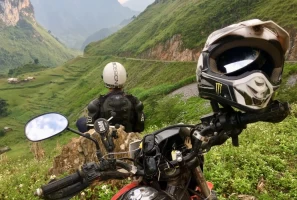
Vietnam motorbike accident what to do is an essential topic for every rider planning a two-wheeled adventure across the country. Vietnam offers unforgettable roads, from Ha Giang’s mountain passes and the Ho Chi Minh Road to coastal highways, remote villages, and off-road trails.
In this guide, Frontier Travel Vietnam explains what riders should do immediately after a motorbike accident, who to contact, what documents to collect, and how guided support can make a difficult situation safer and easier to manage.
1. Why Riders Should Know Vietnam Motorbike Accident What to Do
Vietnam motorbike accident what to do should be understood before the journey begins, not only after something happens. A clear plan can reduce panic and help riders make safer decisions in the first few minutes.

Vietnam motorbike accident what to do helps riders stay calmer after a crash
Vietnam is one of Asia’s most exciting motorbike tour destinations because every route feels different. Riders can move from city traffic to quiet rice fields, mountain passes, muddy tracks, coastal roads, and remote villages in one trip.
After an accident, the first reaction is often shock. Riders may feel confused, embarrassed, angry, or afraid, especially if the crash happens in a remote area or involves another road user. This guide explains immediate accident steps, first aid basics, emergency contacts, evidence collection, insurance issues, rental bike procedures, and prevention tips.
2. Immediate Steps After a Motorbike Accident in Vietnam
The first few minutes after a crash matter most. Riders should focus on safety, breathing, injuries, traffic, and communication before thinking about blame or money.
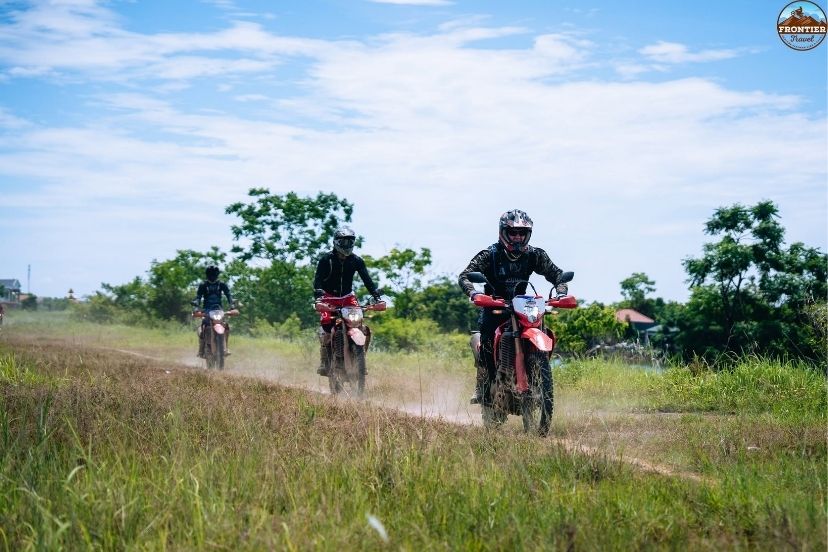
Stopping safely and checking injuries are the first priorities after an accident
2.1. Stop, Breathe, and Check the Situation
The first step in vietnam motorbike accident what to do is to stop safely and take a few seconds to breathe. Do not jump up immediately or rush to move the bike before understanding your condition. Look around and check whether traffic is still moving, whether fuel is leaking, and whether anyone is lying in danger. A calm first response helps prevent a second accident.
2.2. Move Out of Danger If Possible
In the unfortunate event of a vietnam motorbike accident what to do first is secure your safety. If the bike is blocking the road and it is safe to move it, place it somewhere visible but less dangerous. Do not move a seriously injured person unless they are in immediate danger. Neck, spine, or head injuries can become worse if someone is moved incorrectly.
2.3. Turn Off the Engine and Warn Others
Turn off the engine and remove the key if possible. When handling a vietnam motorbike accident what to do next to prevent further collisions is alert oncoming traffic. If the motorcycle has hazard lights, use them, or ask someone to slow traffic around the scene. On mountain roads, warning other drivers is very important because corners can be blind. A guide, local person, or another rider can stand at a safe distance to signal traffic.
3. First Aid and Injury Check
First aid after a motorbike accident should be simple, calm, and careful. The goal is to protect life, stop major bleeding, and wait for professional help when needed.
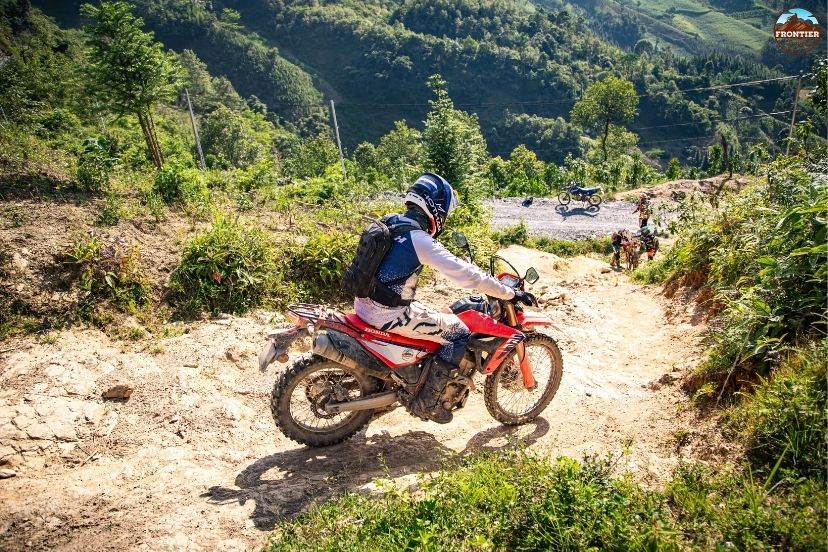
Basic first aid helps protect wounds and support injured riders quickly
3.1. Check Yourself First
Before helping others, check yourself for bleeding, strong pain, dizziness, confusion, breathing difficulty, or possible broken bones. Adrenaline can hide injuries, so take your time before standing or riding again. Vietnam motorbike accident what to do should always begin with personal safety. If you are injured but ignore it, you may put yourself and others at greater risk.
3.2. Check Other People Involved
If another rider, passenger, pedestrian, or local road user is involved, check whether they are conscious, breathing, bleeding, or in serious pain. During a vietnam motorbike accident, what to do if someone is unconscious, not breathing normally, or bleeding heavily is call emergency help immediately. Ask a Vietnamese speaker, guide, hotel, or nearby resident to help communicate clearly.
3.3. Control Bleeding and Cover Wounds
Use clean gauze, bandages, or cloth to apply firm pressure to bleeding wounds. For cuts, scrapes, or road rash, cover the area to protect it from dust, mud, and infection risk. When managing a vietnam motorbike accident what to do is avoid pouring random liquids or local alcohol into wounds. A basic first aid kit with gloves, antiseptic wipes, sterile gauze, and medical tape is much safer.
4. Emergency Contacts and Who to Call
Calling the right people can save time and reduce confusion. Foreign riders should prepare emergency numbers before the trip because stress makes it harder to search later.
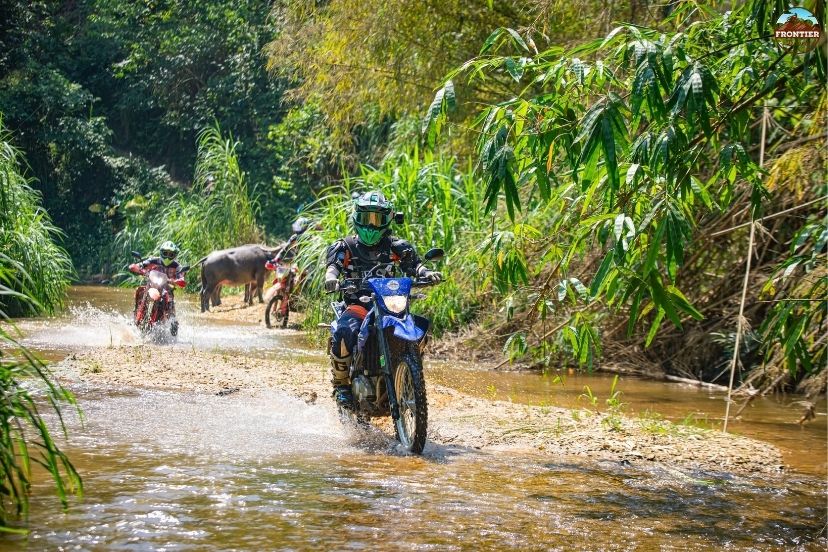
Emergency numbers and local support are vital after a Vietnam road incident
4.1. Vietnam Emergency Numbers
Important emergency numbers in Vietnam include ambulance 115, police 113, fire 114, and search and rescue 112. Save these numbers in your phone and write them on a paper card.
Vietnam motorbike accident what to do also includes knowing that emergency communication may happen mainly in Vietnamese. This is why local help can be extremely valuable.
4.2. Ask a Local Person or Guide to Help Communicate
If you do not speak Vietnamese, ask a local person, hotel staff, guide, or tour operator to help make the call. Clear communication can help explain the location, injury level, road name, nearby village, and what support is needed. Do not feel embarrassed about asking for help. In many Vietnamese communities, local people are willing to assist when they understand the situation.
4.3. Contact Your Tour Operator or Rental Company
Call your guide, rental provider, or support team as soon as possible, especially if the bike is damaged, the crash happens far from town, or translation is needed. They may help contact mechanics, arrange transport, speak with police, or advise on the next safe step.
For riders facing a vietnam motorbike accident what to do to get things sorted quickly is lean on local expertise. If you are traveling with Frontier Travel Vietnam, guided support can make accident response more organized. A local team understands route conditions, nearby services, and how to coordinate assistance.
5. Evidence, Documents, and Accident Reporting
After immediate safety and medical needs are handled, riders should collect basic evidence. This can help with insurance, rental bike damage, police reports, and later communication.
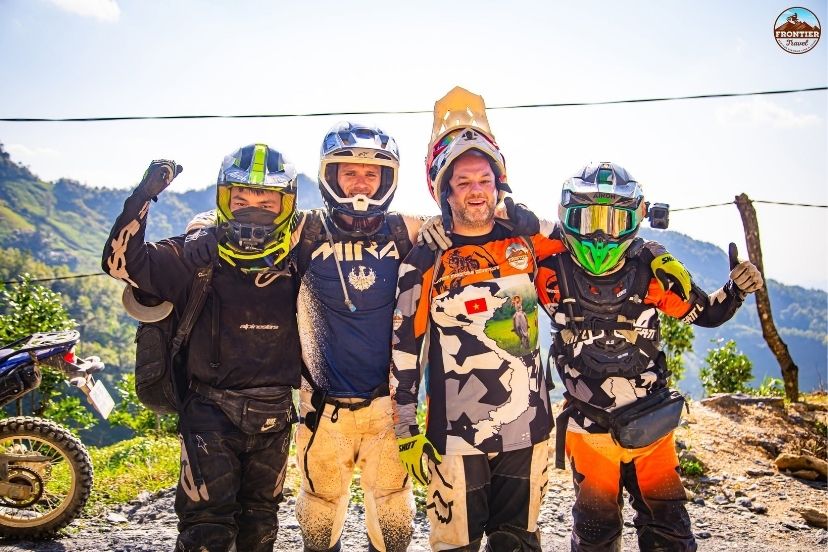
Photos, location details, and witness information help with accident reporting
5.1. Take Photos and Videos of the Scene
Photograph the bike damage, road condition, license plates, injuries if appropriate, skid marks, weather, traffic signs, and surrounding area. Take wide photos and close-up photos because both can be useful. Vietnam motorbike accident what to do includes documenting the scene before details disappear. However, do not block medical help or create conflict just to take photos.
5.2. Save Location, Time, and Route Details
Save the accident location on Google Maps or another map app. Note the time, road name, nearby village, direction of travel, and any weather conditions that affected the ride.
This information can help your tour operator, rental company, insurance provider, or emergency contact understand what happened. It is especially useful in remote areas where addresses may not be clear.
5.3. Exchange Information Carefully
Collect names, phone numbers, vehicle plate numbers, rental company contact, insurance details, and witness information when possible. If language is difficult, ask someone to write or type the details clearly. Stay polite and avoid angry arguments at the scene. A calm attitude helps reduce tension, especially if local road users are involved.
6. Rental Bike, Insurance, and Liability Issues
Accidents can create financial and legal questions, especially with rental motorbikes. Riders should understand the contract and insurance before the trip starts.
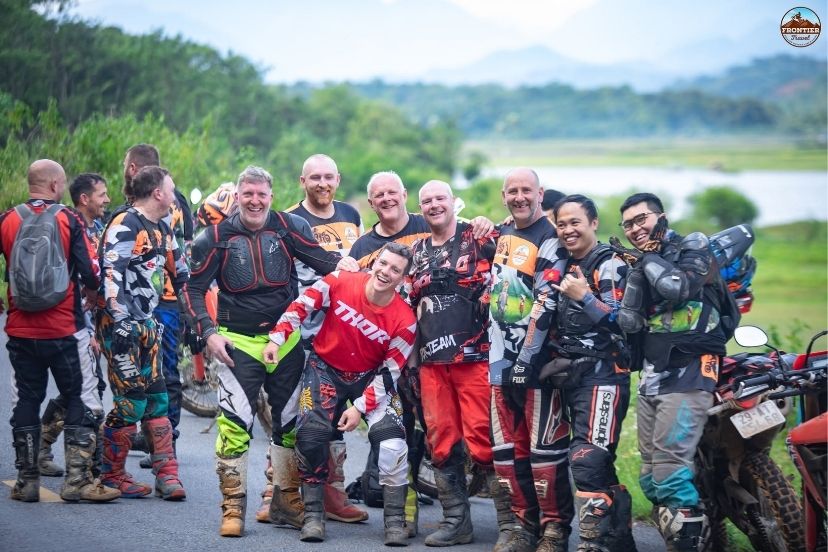
Rental contracts and insurance details matter when bike damage happens
6.1. Report Bike Damage Immediately
Do not hide bike damage or continue riding a damaged motorcycle without checking it. After a crash, inspect brakes, tires, steering, lights, mirrors, chain, luggage rack, and fluid leaks. Vietnam motorbike tour accident what to do means protecting yourself from a second crash. A bike that looks rideable may still have hidden damage that affects control.
6.2. Understand Your Rental Contract
Your rental contract should explain damage responsibility, deposit deductions, theft rules, repair responsibility, roadside support, and replacement-bike conditions. Read these terms before riding, not after an accident. If you are unsure, ask the rental provider to explain what happens after a crash. A clear contract reduces stress when decisions must be made quickly.
6.3. Know What Insurance Actually Covers
Compulsory vehicle insurance, personal travel insurance, and rental damage coverage are different things. Do not assume that one insurance document covers rider injury, bike damage, third-party damage, towing, or emergency evacuation.
Before riding, check whether your travel insurance covers motorbike riding, engine size, license status, off-road sections, medical care, and evacuation. Vietnam motorbike accident what to do is much easier when insurance is prepared in advance.
7. How to Prevent Accidents and Why Guided Tours Help
The best accident plan is prevention. Good riding habits, proper gear, realistic speed, and local knowledge reduce risk before problems happen.
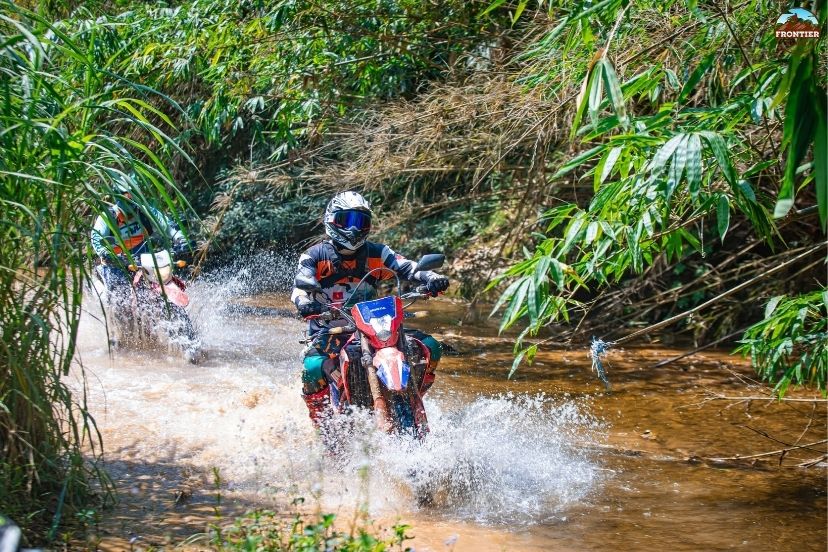
Safe riding habits and guided support reduce risks on Vietnam’s roads
7.1. Wear Proper Protective Gear
Wear a full-face helmet, gloves, riding jacket, knee protection, long pants, sturdy boots, rain gear, and reflective items. Proper gear cannot prevent every injury, but it can reduce damage in a fall.
A cheap helmet or sandals may feel convenient for short rides, but they are not suitable for serious touring. Vietnam motorbike accident what to do begins with dressing for the ride before leaving the hotel.
7.2. Ride Slowly and Avoid Night Riding
Vietnam’s roads can include blind corners, buses, trucks, animals, wet surfaces, gravel, potholes, and sudden village traffic. Slower riding gives you more time to react.
Avoid night riding whenever possible, especially in mountains or rural areas. Poor lighting, tiredness, and unexpected obstacles make night crashes more likely and harder to manage.
7.3. Do Not Drink and Ride
Do not drink alcohol before riding. Even small amounts can affect balance, reaction time, judgment, and emergency decision-making. Alcohol can also create legal, medical, and insurance problems after a crash. Enjoy local drinks only after the bike is parked for the night.
8. Vietnam Motorbike Accident What to Do: FAQs and Conclusion
Vietnam motorbike accident what to do becomes easier to remember when the steps are simple. These FAQs summarize the most important actions riders should know before starting the journey.
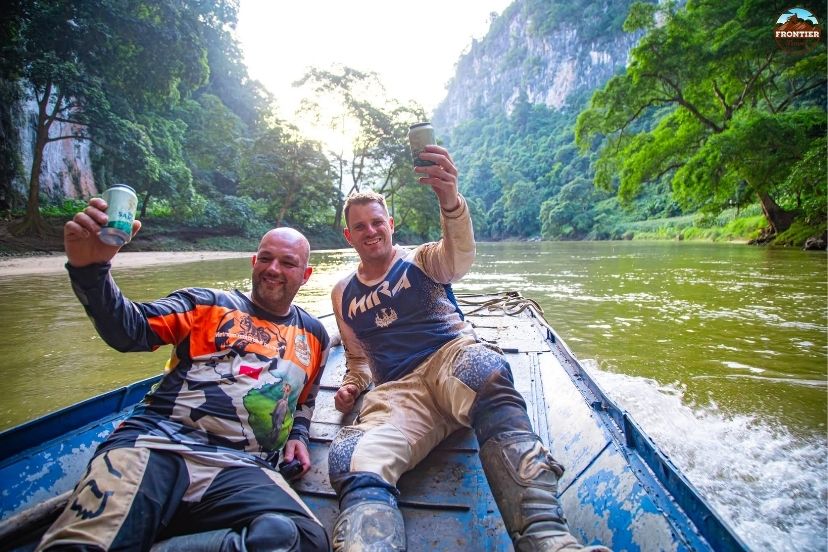
Vietnam motorbike accident what to do gives riders a clear emergency plan
8.1. Vietnam Motorbike Accident What to Do First?
The first thing to do is stop, stay calm, move out of danger if possible, check injuries, turn off the engine, and call for help if anyone is hurt. Do not rush to argue, blame, or continue riding. If the road is dangerous, ask someone to warn traffic while you move to a safer place. Safety comes before the bike, schedule, or photos.
8.2. What Emergency Number Should I Call After a Motorbike Accident?
Call 115 for ambulance, 113 for police, 114 for fire, or 112 for search and rescue. If you do not speak Vietnamese, ask a local person, guide, hotel, or tour operator to help explain the situation.
Give the location, injury level, number of people involved, and any immediate danger. Vietnam motorbike accident what to do should always include clear communication.
8.3. Should I Move the Bike After an Accident?
Move the bike only if it creates danger or blocks traffic, and only if it is safe to do so. For serious accidents, take photos first if possible, but do not delay medical help. If the bike has major damage, do not ride it again until it is checked. Brakes, steering, tires, and lights are especially important after impact.
8.4. Should I Remove a Rider’s Helmet After a Crash?
Do not remove a rider’s helmet unless the airway is blocked, they cannot breathe properly, or trained help says it is necessary. Neck and spine injuries can become worse if the helmet is removed incorrectly.
If the rider is conscious and breathing, encourage them to stay still and wait for medical help. Vietnam motorbike accident what to do should always protect breathing and avoid unnecessary movement.
8.5. Do I Need a Police Report?
A police report may be needed for serious accidents, injuries, insurance claims, third-party damage, disputes, or major bike damage. It may also help when dealing with rental companies or travel insurance providers.
Ask your guide, rental company, hotel, or embassy contact for help if the process is confusing. Keep copies of reports, photos, receipts, medical documents, and repair invoices.
Conclusion
Vietnam motorbike accident what to do is knowledge every rider should have before starting the journey. The most important steps are to stay calm, protect yourself from further danger, check injuries, call the right emergency contacts, document the scene, notify your guide or rental provider, and seek medical care when needed.
Vietnam’s roads are unforgettable, but responsible preparation makes the adventure safer. With professional support from Frontier Travel Vietnam, riders can explore Vietnam with more confidence, knowing that local guidance, mechanical help, translation support, and emergency coordination are available when it matters most.