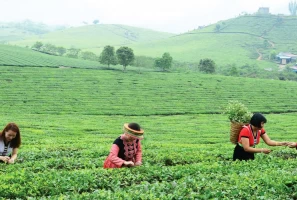
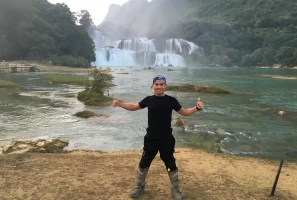
UNESCO World Heritage Sites in Vietnam represent the country’s outstanding cultural, historical, and natural values. As of today, Vietnam has 8 officially recognized World Heritage Sites, including 5 Cultural Heritage Sites, 2 Natural Heritage Sites, and 1 Mixed Heritage Site (both cultural and natural).
These sites play a vital role in preserving national identity and promoting sustainable tourism.

Cultural World Heritage Sites in Vietnam
1. Complex of Hue Monuments (Thua Thien Hue Province)
- Year of inscription: 1993
The Complex of Hue Monuments was the first UNESCO World Heritage Site in Vietnam. It preserves the nearly intact imperial architecture of the Nguyen Dynasty, including the Imperial City, royal palaces, temples, tombs, and pagodas. The site reflects traditional East Asian urban planning and royal aesthetics.

The Complex of Hue Monuments showing the Imperial City and Nguyen Dynasty royal architecture
→ Explore Mang Den By Motorbike - The Second Dalat Of The Central Highlands
2. Hoi An Ancient Town (Quang Nam Province)
- Year of inscription: 1999
Hoi An Ancient Town was a major international trading port from the 16th to the 19th century. The town is renowned for its well-preserved wooden houses, narrow streets, and unique blend of Vietnamese, Chinese, Japanese, and European architectural influences.

Hoi An Ancient Town famous with preserved wooden houses and colorful lanterns
→ Explore more Hoi An Motorbike Trip: Explore The Ancient Town On Two Wheels
3. My Son Sanctuary (Quang Nam Province)
- Year of inscription: 1999
My Son Sanctuary is a complex of Hindu temples built by the ancient Champa Kingdom between the 4th and 14th centuries. It served as an important religious and political center and holds exceptional value in architecture, sculpture, and Southeast Asian history.
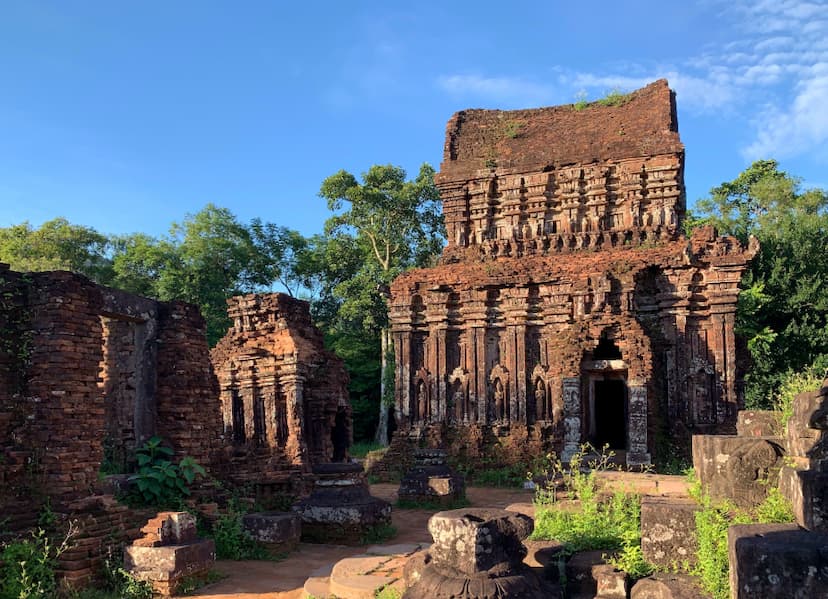
My Son Sanctuary featuring ancient Champa Hindu temple ruins surrounded by forest
→ Explore more Vietnam Is Not One Culture — It’s Many
4. Imperial Citadel of Thang Long (Hanoi)
- Year of inscription: 2010
The Imperial Citadel of Thang Long is a significant archaeological site that illustrates over 1,000 years of continuous political power in Vietnam, spanning multiple dynasties and historical periods.
.png)
The Imperial Citadel of Thang Long, an archaeological heritage site in Hanoi
→ Explore more about Vietnamese Food Is More Than Pho & Spring Rolls
5. Citadel of the Ho Dynasty (Thanh Hoa Province)
- Year of inscription: 2011
The Citadel of the Ho Dynasty is a unique military structure constructed entirely from massive stone blocks in the late 14th century. It demonstrates remarkable engineering techniques and innovative urban planning for its time.
.jpg)
The Citadel of the Ho Dynasty with massive stone walls built in the 14th century
→ Read more carefully Vietnam Weather Month 2026: A Complete Travel Climate Guide For Adaptive Travel & Seasonal Hunting
Natural World Heritage Sites in Vietnam
6. Ha Long Bay – Cat Ba Archipelago
- Year of inscription: 1994 (extended in 2023)
Ha Long Bay and the Cat Ba Archipelago are famous for thousands of limestone karst islands rising dramatically from emerald waters. The area features outstanding scenic beauty and rich marine and terrestrial ecosystems.
.jpg)
Ha Long Bay and Cat Ba Archipelago with limestone karst islands rising from emerald waters
7. Phong Nha-Ke Bang National Park (Quang Binh Province)
- Year of inscription: 2003
Phong Nha–Ke Bang National Park is home to one of the world’s most impressive karst landscapes, featuring extensive cave systems, including Son Doong Cave—the largest cave in the world. The park holds exceptional geological and biodiversity value.
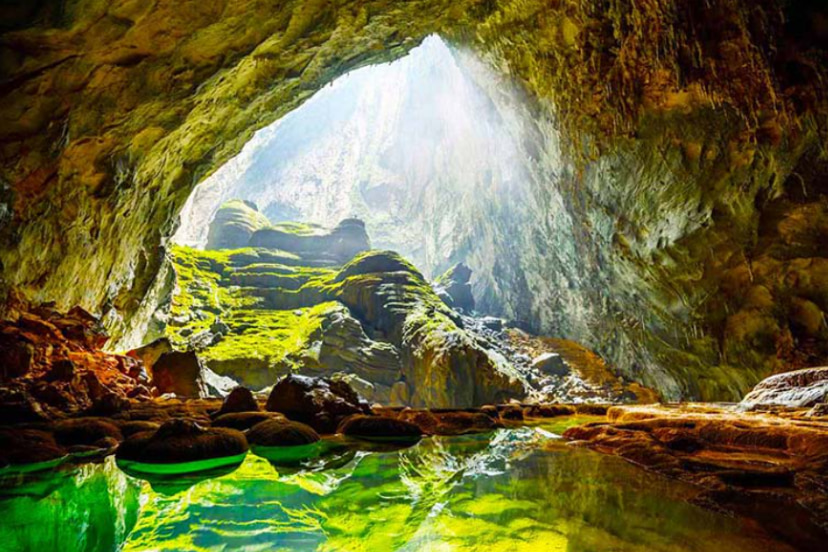
Phong Nha–Ke Bang National Park showing limestone caves and underground rivers.
Mixed World Heritage Site in Vietnam
8. Trang An Landscape Complex (Ninh Binh Province)
- Year of inscription: 2014
The Trang An Landscape Complex is Vietnam’s only Mixed World Heritage Site. It combines spectacular limestone karst scenery, river systems, caves, and archaeological sites that demonstrate long-term human interaction with the natural environment.
.jpg)
Trang An Landscape Complex with limestone mountains, rivers, and traditional boats
Intangible Cultural Heritage in Vietnam
In addition to tangible heritage sites, Vietnam has several elements inscribed on UNESCO’s Intangible Cultural Heritage Lists, such as:
- Hue Royal Court Music
- Quan Ho Folk Songs of Bac Ninh
- Xoan Singing of Phu Tho
- Then Ritual Practices of the Tay, Nung, and Thai ethnic groups
These living traditions contribute significantly to the preservation of Vietnam’s cultural identity.
The Importance of UNESCO World Heritage Sites to Vietnam
UNESCO World Heritage Sites in Vietnam:
- Enhance the country’s global cultural reputation
- Promote sustainable tourism development
- Support local economies
- Encourage heritage conservation and education
They serve as a bridge between the past, present, and future.
FAQs – UNESCO World Heritage Sites in Vietnam
1. How many UNESCO World Heritage Sites does Vietnam have?
Vietnam currently has 8 UNESCO World Heritage Sites, including cultural, natural, and mixed heritage properties.
2. What was the first UNESCO World Heritage Site in Vietnam?
The Complex of Hué Monuments, inscribed in 1993, was the first site in Vietnam to receive UNESCO recognition.
3. What is the only mixed World Heritage Site in Vietnam?
The Trang An Landscape Complex in Ninh Binh Province is Vietnam’s only mixed site, recognized for both cultural and natural values.
4. Are Ha Long Bay and Cat Ba Archipelago considered one heritage site?
Yes. In 2023, UNESCO officially expanded Ha Long Bay’s listing to include the Cat Ba Archipelago, forming a single natural heritage property.
5. Are intangible cultural heritages the same as World Heritage Sites?
No. World Heritage Sites are physical places, while intangible cultural heritage refers to living traditions, rituals, and performing arts safeguarded under a different UNESCO program.
6. Can Vietnam gain more UNESCO World Heritage Sites in the future?
Yes. Vietnam continues to prepare nomination dossiers for potential new sites, though the UNESCO evaluation process is rigorous and time-consuming.
Conclusion
With 8 UNESCO World Heritage Sites, Vietnam stands out as a country rich in cultural depth and natural beauty. Protecting and promoting these heritage sites is essential not only for tourism development but also for preserving the nation’s identity for future generations.