Nothing tests a rider's spirit quite like getting caught in a sudden tropical downpour, making raw riding motorbike in rain Vietnam tips essential reading for anyone exploring the country. To help you navigate these intense downpours without panicking or sliding out, Frontier Travel Vietnam shares these honest, battle-tested insights from years of wet-weather exploration.
1. What a real tropical monsoon downpour looks like
The dramatic scale of seasonal precipitation in Southeast Asia routinely shocks global travelers who are accustomed to light, predictable northern hemisphere rain showers. Calibrating your expectations to handle these powerful forces of nature prevents panic reactions when encountering heavy cloudbursts along isolated highways.
1.1. How quickly a sunny sky transforms into a wall of water
Atmospheric conditions across provincial highland sectors can deteriorate from completely clear blue skies to total convective storm output within twelve minutes. These rapid developments occur as hot, humid lowland air masses are forced upward over high limestone peaks, triggering massive localized condensation.
The resulting downpour creates a literal vertical wall of water that reduces ambient light levels to near-dusk conditions almost instantaneously. Tracking shifting wind patterns remains an essential part of executing riding motorbike in rain Vietnam tips successfully.
1.2. The sudden drop in temperature that causes instant shivering
The onset of a heavy monsoonal rain system causes local ambient temperatures to plunge by up to eight degrees Celsius within brief intervals. This rapid cooling effect combined with high wind speeds triggers immediate wind-chill symptoms, numbing the operator's hands and slowing down vital braking reflexes.
Unprotected riders will experience violent shivering fits that compromise their ability to modulate delicate throttle and clutch controls smoothly. Carrying high-performance insulation layers inside your luggage ensures you maintain proper core body warmth when these sudden thermal shifts occur.
1.3. Why standard cheap ponchos act like dangerous kites on bikes
The thin, inexpensive plastic ponchos sold at informal roadside stands represent a major safety hazard for long-distance motorcycle travelers. At speeds exceeding thirty kilometers per hour, the loose fabric catches the wind, billowing out like a massive kite and disrupting the rider's balance.
Furthermore, the long plastic tails can easily tangle in the moving rear wheel chain assembly, causing immediate mechanical lockups. Investing in a proper, form-fitting motorcycle garment is an essential component of professional safety planning.
Loose ponchos also reduce rear visibility because the flapping material can cover mirrors, block shoulder checks, and distract nearby riders in group formations. A compact two-piece rain suit keeps the body dry without creating drag, helping the rider maintain stable posture, clear vision, and safer control during sudden tropical downpours.
2. Practical riding motorbike in rain Vietnam tips for road survival
Operating a motorized vehicle across saturated public roadbeds requires discarding aggressive acceleration habits in favor of ultra-smooth, progressive control movements. Saturated asphalt surfaces suffer a dramatic reduction in friction coefficients, expanding your total required stopping distances by more than forty percent.
2.1. Reading the slick asphalt to avoid hidden oil slicks
The initial twenty minutes of a tropical downpour lifts accumulated diesel residues, engine oil drips, and fine agricultural dust to the surface. This chemical mixing process creates an incredibly slick, translucent film across the highway that is highly perilous for two-wheeled vehicles.
Motorcyclists should scan the road surface carefully for rainbow-colored reflections, which indicate highly concentrated patches of industrial lubricant contamination. Reviewing basic riding motorbike in rain Vietnam tips reminds operators to avoid these oily zones entirely to prevent front-wheel washouts.
2.2. Essential riding motorbike in rain Vietnam tips for braking safely
Stopping safely on a wet asphalt corridor requires applying progressive pressure to both brake levers simultaneously rather than grabbing them abruptly. Operators should initiate their braking sequence significantly earlier than normal, maintaining a generous four-second safety buffer behind preceding vehicles.
This measured deceleration strategy prevents the brake calipers from locking the wheel rims, which would trigger an immediate slide on wet pavement. Utilizing the natural compression of your engine transmission helps stabilize the chassis during complex deceleration phases.
2.3. How to navigate deep flooded city streets without stalling
Urban drainage systems inside major metropolitan areas like Hanoi regularly experience severe backflows during heavy cloudbursts, creating deep pools of standing water. Utilizing smart riding motorbike in rain Vietnam tips prevents water from entering your air intake when navigating these flooded sectors.
You must maintain a steady, high-RPM engine speed using a low first-gear ratio to keep exhaust pressure up continuously. This constant pressure prevents dirty floodwater from backflowing into the cylinder block, which would cause the engine to stall out completely.
3. Crucial gear modifications when the storm hits
Minimizing your physical vulnerability during heavy monsoonal weather requires adapting your personal apparel layout to isolate your body from external moisture. Applying reliable riding motorbike in rain Vietnam tips regarding apparel selection guarantees your body remains dry and resilient against changing environmental elements.
3.1. Why a two piece rain suit beats a traditional poncho
A premium two-piece rain suit constructed from heavy-duty polyurethane-coated nylon provides complete protection against high-velocity water intrusion. The matching jacket and trousers feature elasticized cuffs and secure Velcro storm flaps that seal out driving rain at highway speeds.
This form-fitting design eliminates dangerous aerodynamic drag while allowing the rider to move dynamically across the motorcycle seat. These structural advantages explain why a dedicated two-piece outfit is heavily favored over cheap plastic alternatives.
3.2. Dealing with foggy helmet visors and muddy road splatter
High humidity combined with warm exhalations causes helmet visors to fog up internally during rainstorms, severely obstructing your forward view. Implementing standard riding motorbike in rain Vietnam tips involves installing an aftermarket Pinlock anti-fog insert along the interior surface of your shield.
This transparent layer prevents condensation completely, ensuring you maintain a clear line of sight through the heavy downpour. Additionally, applying a hydrophobic water-repellent coating causes muddy road spray to bead up and slide off cleanly.
Keep a soft microfiber cloth in an accessible jacket pocket so you can wipe your visor during quick roadside stops. Avoid using your gloves to clean mud from the shield, as trapped grit can scratch the surface and create glare when riding under headlights or low afternoon light.
3.3. Keeping your phone and passport bone dry in your pack
Tropical downpours can penetrate standard zippered luggage bags easily, risking severe water damage to your sensitive electronics and critical travel documents. Experienced motorcyclists pack their high-value personal items inside heavy-duty, roll-top dry bags before placing them in their backpacks.
Utilizing separate, transparent waterproof pouches for your passport and international driver's license ensures these documents remain completely dry and ready for inspection. Implementing proper luggage waterproofing is a cornerstone of professional travel planning.
For extra security, keep one digital backup of your passport, visa, insurance policy, and bike rental contract stored offline on your phone before departure. This backup gives you quick access to essential information if the original papers become wet, lost, or difficult to reach during roadside checks. Practical riding motorbike in rain Vietnam tips also recommend separating electronics from documents so one leak does not damage everything at once.
4. Advanced riding motorbike in rain Vietnam tips for severe weather
Developing exceptional self-preservation instincts involves knowing exactly when environmental conditions have surpassed the safe operating limits of a two-wheeled vehicle. Continuing to drive through extreme weather events out of a desire to stick to a rigid itinerary represents a dangerous safety gamble. Cultivating this mature riding discipline protects you and your equipment from severe natural hazards.
4.1. Recognizing dangerous lightning and mountain landslide risks
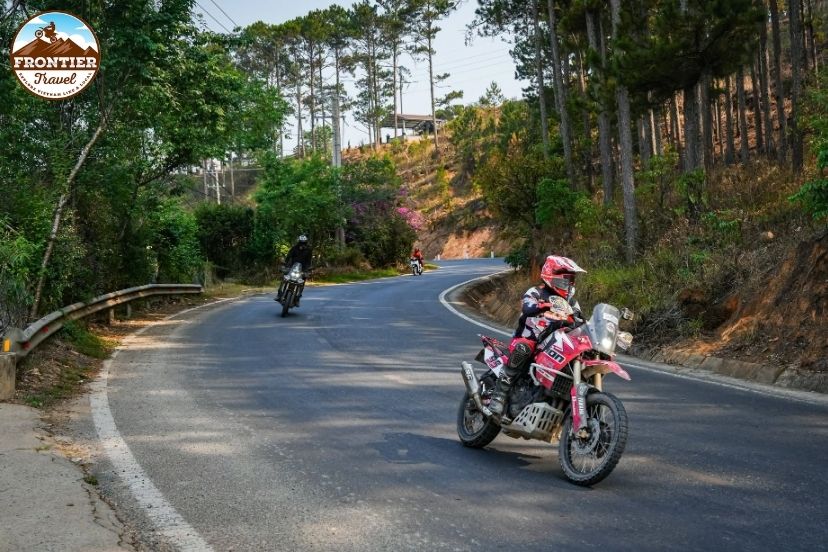
Severe electrical storms across high-altitude mountain passes present a direct risk of lightning strikes for exposed motorcycle operators on ridges. Furthermore, prolonged precipitation saturates the steep clay embankments along regional routes, increasing the probability of sudden, catastrophic mudslides.
When evaluating riding motorbike in rain Vietnam tips for alpine loops, operators must learn to read early warning signs like trickling shale rocks. Turning back to the nearest secure township is the only logical choice when facing active geological instability.
4.2. Utilizing local roadside cafes for shelter and hot coffee
The widespread network of informal roadside cafes found across every province provides excellent emergency shelter options during intense monsoonal downpours, especially on an Ultimate North Vietnam riding route. These welcoming local establishments feature wide corrugated tin roofs that allow you to park your machine completely out of the driving rain.
Following standard riding motorbike in rain Vietnam tips means pulling over immediately when visibility drops below ten meters. Taking a short break allows you to warm up your muscles and restore focus before continuing.
4.3. Why riding mountain passes at night in the rain is a no-go
Combining the hazards of mountain terrain with nighttime darkness and heavy rainfall creates an extremely high-risk scenario that must be avoided. The absolute absence of artificial highway lighting systems along remote passes reduces your forward headlight range to less than five meters.
Saturated road surfaces absorb your headlight beam completely, making deep washouts and unlit agricultural vehicles entirely invisible until impact occurs. Planning your daily travel itinerary to conclude by 5:00 PM ensures you never face these dangerous conditions.
Rain also makes painted lane markings, metal bridge joints, and loose limestone dust dangerously slick, especially when your tires are already cold from high-altitude air. If heavy rain begins late in the afternoon, the safest decision is to stop at the nearest guesthouse or roadside town instead of forcing the ride forward.
5. FAQ on riding motorbike in rain Vietnam tips from experts
Embarking on a long-distance motorcycle tour through tropical regions naturally creates critical safety and mechanical questions among international travelers. Reviewing these common technical inquiries with verified field data helps clear up ambiguity and sets realistic expectations for the demanding ride ahead. Knowledge remains your single best asset when navigating remote border territories under rainy conditions.
5.1. Should I deflate my tires slightly for better wet grip?
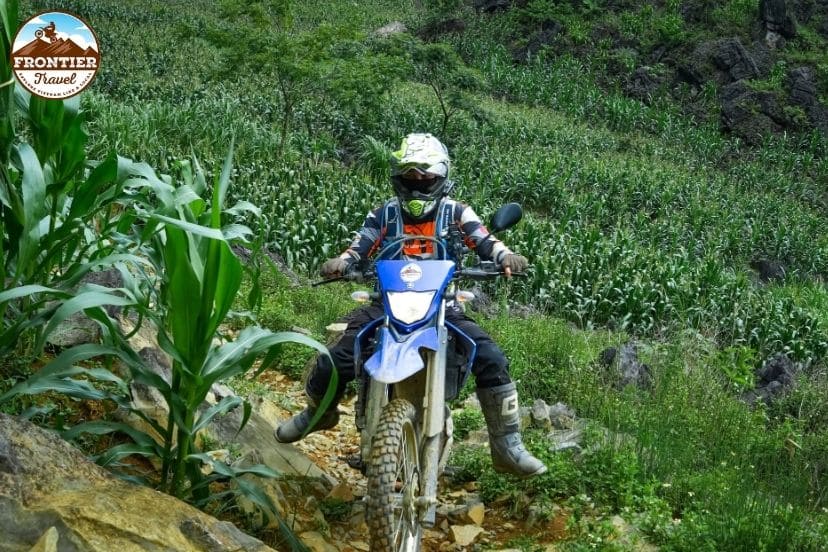
No, intentionally lowering your tire pressure below the manufacturer's specified recommendation is a dangerous practice that compromises your safety on wet roads. Utilizing accurate riding motorbike in rain Vietnam tips reveals that under-inflation causes the tread grooves to compress and deform under load.
This deformation prevents the tire from evacuating surface water efficiently, increasing the risk of sudden hydroplaning events. Maintaining your exact recommended tire pressure ensures the tread channels function perfectly to disperse standing water.
5.2. What should I do if water gets into the engine exhaust?
If your motorcycle stalls out inside a deep water pool and stalls, do not attempt to restart the engine using the electric starter button. Attempting to crank an engine with water inside the cylinder block can cause permanent mechanical damage known as hydrostatic lock.
Expert riding motorbike in rain Vietnam tips suggest pushing the machine safely onto dry ground and raising the front wheel to drain the tailpipe. If the engine fails to start after draining, remove the spark plug to clear any moisture from the combustion chamber.
5.3. Are mountain roads safe right after a heavy storm clears?
No, the immediate post-storm period requires extreme caution from motorcycle operators due to lingering environmental hazards along the cliffs. Following reliable riding motorbike in rain Vietnam tips requires riders to watch out for shifting limestone shale that continues to fall after rain stops.
Additionally, heavy mountain runoff creates fresh, fast-moving mud streams that cross over lower valley highway segments without warning. Reducing your average cruising speed by half during the post-storm period gives you the necessary reaction time to avoid these obstacles.
Conclusion
Mastering these riding motorbike in rain Vietnam tips is what separates an anxious tourist from a seasoned, resilient adventure rider. Do not let the threat of a rainy day dampen your travel spirit or compromise your safety. Contact Frontier Travel Vietnam today to grab a premium adventure bike equipped with top-tier tires and expert advice to tackle both wet and dry roads safely.