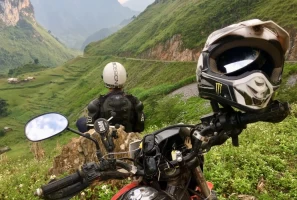
Many tropical travelers are caught completely off guard by how biting the winter months can be in the high-altitude regions, making practical riding cold weather motorbike Vietnam tips a lifesaver for northern expeditions. To keep your fingers warm, your vision clear, and your machine rubber-side down during the winter chill, Frontier Travel Vietnam has put together the ultimate cold-weather riding playbook.
1. The winter climate shock in the northern highlands
The dramatic scale of seasonal temperature drops in Southeast Asia routinely shocks global travelers who are accustomed to warm, predictable tropical weather profiles. A typical winter weather front releases cold air masses from northern continental regions, completely transforming regional alpine touring conditions within short timeframes. Reviewing comprehensive riding cold weather motorbike Vietnam tips prevents panic reactions when encountering sudden alpine temperature drops.
1.1. Why mountain altitudes feel significantly colder than Hanoi
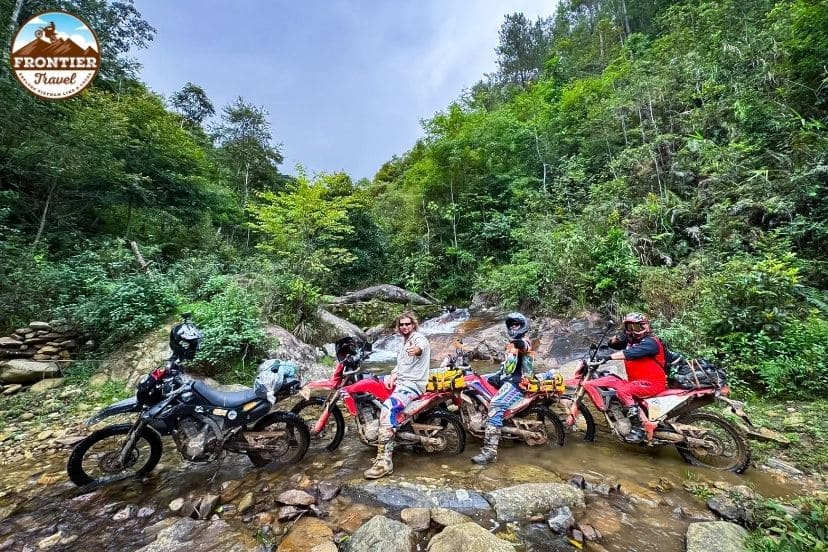
Atmospheric conditions across provincial highland sectors like Sa Pa or Dong Van drop by exactly 0.6 degrees Celsius for every one hundred vertical meters of altitude gained. While coastal plains enjoy moderate averages of twenty degrees Celsius, mountain loops at fifteen hundred meters routinely plunge down to five degrees Celsius during January nights.
These rapid elevation developments occur as cold, high-density air becomes trapped inside deep limestone valleys, remaining isolated from daily solar warming cycles entirely. Motorcyclists must quickly modify their apparel strategies before ascending into these colder geographic zones to prevent rapid physical exhaustion.
1.2. The dangerous effect of wind chill on a rider’s focus
Operating a two-wheeled vehicle at a steady cruising velocity of fifty kilometers per hour multiplies the cooling effect of ambient mountain air significantly. An official ambient thermometer reading of eight degrees Celsius transforms instantly into an effective wind chill temperature of minus two degrees Celsius on exposed skin surfaces.
This severe thermal drain triggers immediate shivering responses, which slow down vital muscular reaction times and impair split-second braking decisions during emergencies. Protecting your extremities against this continuous convective cooling effect represents a fundamental pillar of professional highway safety management.
1.3. Understanding how high humidity worsens mountain cold
The winter climate profile across northern border districts features exceptionally high humidity levels that regularly exceed eighty-five percent throughout December and January. This moisture-saturated air conducts thermal energy away from the human body approximately twenty-five times faster than completely dry alpine air can.
Utilizing smart riding cold weather motorbike Vietnam tips helps travelers choose the correct base fabrics rather than relying on standard denim. Synthetic material barriers ensure your body heat remains insulated from this pervasive, bone-chilling tropical dampness.
2. Dynamic body heat retention protocols
Minimizing your physical vulnerability during heavy winter weather requires adapting your personal apparel layout to isolate your body from external wind forces. High-quality cold-weather gear functions as an essential structural barrier that preserves your physical endurance and mental focus over long riding hours. Applying reliable riding cold weather motorbike Vietnam tips regarding apparel selection guarantees your body remains dry and resilient against changing environmental elements.
2.1. Mastering the three-layer system for winter loops
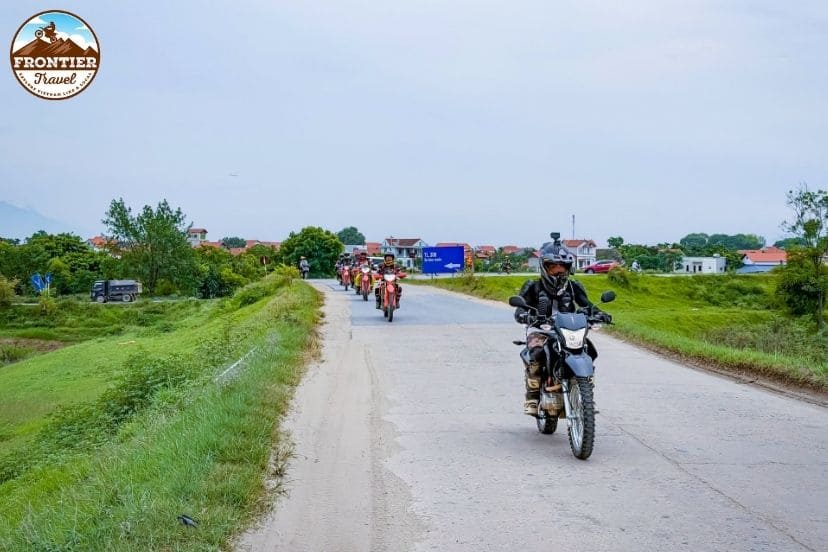
Implementing a precise three-layer technical clothing configuration creates a highly efficient thermal barrier against the most severe mountain cold fronts. The foundational base layer must consist of form-fitting synthetic polyester or merino wool garments that actively wick perspiration away from your skin surface.
The intermediate mid-layer utilizes a dense fleece or lightweight down jacket to trap warm ambient air molecules close to your body core. Incorporating proper riding cold weather motorbike Vietnam tips means completing this system with a windproof ballistic nylon shell.
2.2. Protecting your core and neck with lightweight fleece liners
Your neck region houses major vascular pathways that regulate blood flow volumes directly to your brain and upper motor control centers. Leaving this anatomical zone exposed to continuous highway wind drafts causes rapid core temperature drops, accelerating the onset of physical fatigue.
Utilizing a windproof microfiber neck gaiter pulled up directly beneath your helmet chin bar seals off this critical thermal vulnerability area completely. This simple accessory prevents freezing air from traveling downward into your jacket collar, preserving your physical comfort perfectly.
2.3. Keeping your fingers nimble with insulated gloves
Operating handle controls with freezing, numb fingers is an incredibly dangerous scenario that prevents accurate modulation of your hydraulic front brake lever. A proper pair of winter riding gloves must feature at least forty grams of Thinsulate insulation paired with an integrated windproof membrane element.
This material combination blocks freezing wind drafts completely while allowing moisture vapor to escape, keeping your palms dry and responsive during long transit hours. Learning detailed riding cold weather motorbike Vietnam tips prepares riders to select gloves that preserve tactile feedback.
3. Tactical road adjustments for damp tracks
Operating a motorized vehicle across saturated public roadbeds requires discarding aggressive acceleration habits in favor of ultra-smooth, progressive control movements. Saturated asphalt surfaces suffer a dramatic reduction in friction coefficients, expanding your total required stopping distances by more than forty percent. Implementing specific riding cold weather motorbike Vietnam tips regarding track reading ensures your tires maintain reliable mechanical adhesion.
3.1. Why cold tires take longer to gain grip on limestone switchbacks
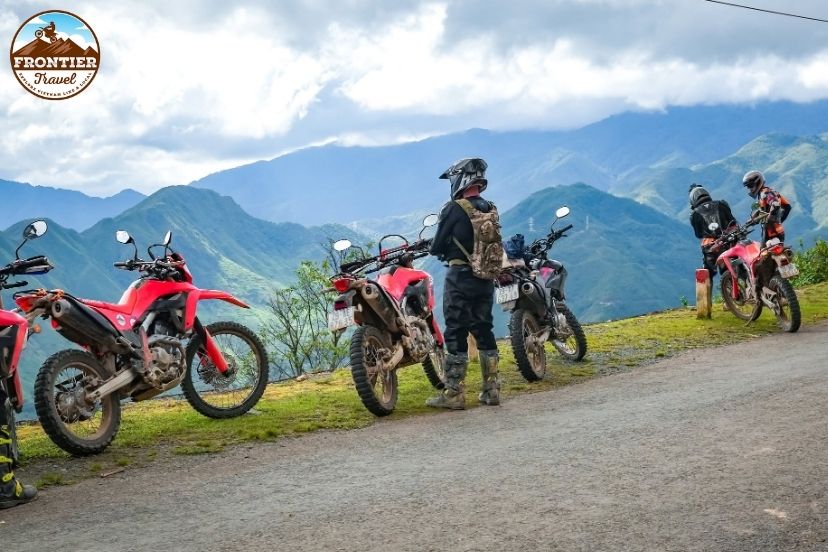
Motorcycle tire compounds require consistent friction-generated heat to reach their optimal operational temperature and provide reliable chemical grip against the asphalt. When driving through ambient conditions under ten degrees Celsius, the cold roadbed continuously absorbs heat away from the tire tread rubber.
This thermal dissipation process prevents the tire shoulder from becoming pliable, reducing available cornering traction levels by up to thirty percent initially. Motorcyclists must ride conservatively for the first fifteen kilometers of their daily journey to allow the rubber to warm up gradually.
3.2. Visibility frameworks for riding cold weather motorbike Vietnam tips application
Thermal mountain fog can instantly reduce your horizontal field of vision to less than three meters along high-altitude sections of provincial routes. This dense whiteout mist deposits a continuous layer of micro-moisture droplets onto the pavement, creating an extremely slick surface film.
Under these extreme visibility constraints, operators must reduce their cruising velocity to less than twenty kilometers per hour immediately. Following these specific tracking parameters represents an essential element of executing winter transit safely.
3.3. Modifying your lean angles on shaded corners where frost lingers
High-altitude mountain segments that remain permanently shaded by massive limestone cliff faces rarely receive direct sunlight during winter months. These dark, cold zones frequently harbor hidden patches of morning frost, damp decaying leaf litter, and slick green moss formations.
Entering these contaminated cornering sectors with an aggressive leaning angle destroys tire adhesion instantly, triggering an immediate low-side slide. Relying on advanced riding cold weather motorbike Vietnam tips dictates transitioning to a highly upright riding posture when crossing these dark sections.
Before entering a shaded bend, riders should finish most braking while the motorcycle is still upright and traveling in a straight line. Once inside the corner, throttle, steering, and braking inputs must remain extremely gentle to avoid disturbing the limited grip available on cold pavement. If the surface looks glossy, dark, or covered with wet leaves, choosing a wider line and reducing lean angle is far safer than trying to maintain normal cornering speed.
4. Mechanical preparation for low temperatures
Developing exceptional self-preservation instincts involves knowing exactly when environmental conditions have surpassed the safe operating limits of a two-wheeled vehicle. Continuing to drive through extreme weather events out of a desire to stick to a rigid itinerary represents a dangerous safety gamble. Frontier Travel Vietnam encourages a flexible approach to route management, emphasizing that waiting out a severe storm front is always the smart operational decision.
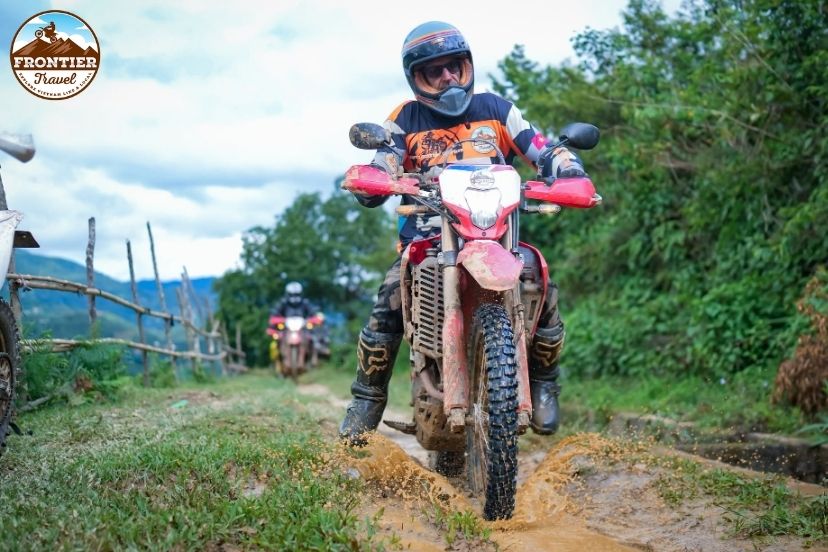
4.1. Allowing your engine to warm up properly before hitting steep climbs
Cold engine oil settles completely into the bottom oil pan overnight, increasing its viscosity values significantly under low ambient winter temperatures. Starting a cold motorcycle and immediately revving the throttle grip forces unlubricated mechanical components to rub together, causing severe internal cylinder wear.
Operators should allow their machine to idle smoothly at a standstill for at least three minutes before shifting into gear. Implementing seasonal riding cold weather motorbike Vietnam tips ensures your lubrication system matches the thermal demands of the environment.
4.2. Monitoring tire pressure changes caused by temperature drops
Basic thermodynamic principles dictate that internal air pressure levels inside a motorcycle tire decrease as ambient environmental temperatures drop. For every drop of ten degrees Celsius in ambient air temperature, your tire inflation pressure will decrease by approximately one to two pounds per square inch.
Operating a heavily loaded adventure bike on under-inflated tires causes the carcass to flex excessively, leading to unpredictable handling traits through corners. Executing routine riding cold weather motorbike Vietnam tips requires performing daily pressure checks with a manual pocket gauge.
4.3. Keeping your helmet visor treated to prevent dangerous fogging
High humidity combined with warm exhaled breath causes helmet visors to fog up internally during winter runs, severely obstructing your forward view. Installing an aftermarket Pinlock anti-fog insert along the interior surface of your shield creates a reliable air gap barrier.
This transparent double-pane layer prevents moisture condensation completely, ensuring you maintain a clear line of sight through freezing mountain passes. Keeping your ventilation ports partially open promotes continuous internal airflow, which remains a core recommendation of riding cold weather motorbike Vietnam tips.
5. FAQ on executing a winter loop successfully
Embarking on a long-distance motorcycle tour through tropical regions naturally creates critical safety and mechanical questions among international travelers. Reviewing these common technical inquiries with verified field data helps clear up ambiguity and sets realistic expectations for the demanding ride ahead. Understanding these specific operational parameters ensures you stay well ahead of potential weather challenges before starting your journey.
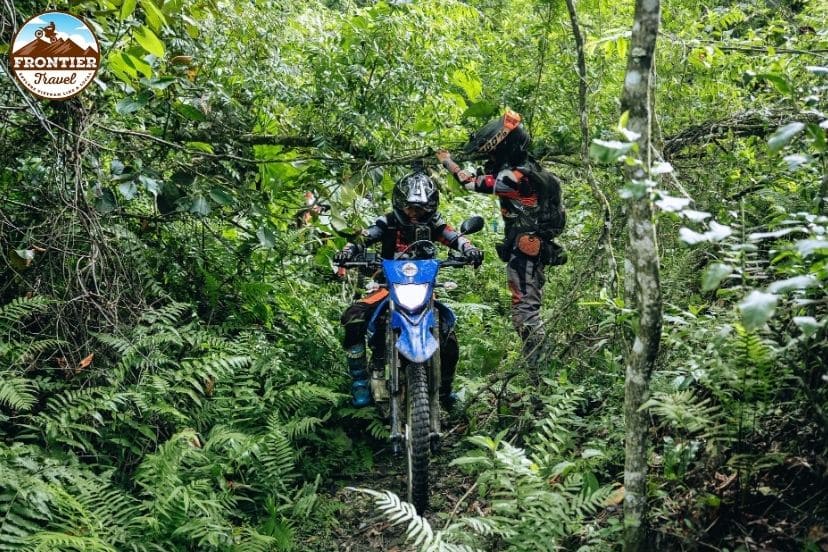
5.1. What are the absolute coldest months to ride the northern loops?
The absolute coldest timeframe to explore the northern mountain circuits extends from mid-December through the final week of February each year, especially during an Ultimate North Vietnam winter ride. During this winter window, powerful high-pressure weather systems from Siberia push freezing air masses directly across the northern border provinces.
Consulting localized riding cold weather motorbike Vietnam tips reveals that ambient temperatures along high ridges regularly drop below five degrees Celsius. Planning your tour outside this specific winter block guarantees significantly warmer temperatures and clearer driving conditions overall.
5.2. Can I easily buy heavy winter riding gear in remote border towns?
No, sourcing high-quality, international-standard motorcycle protective gear featuring CE-rated armor is virtually impossible inside remote frontier townships. Local open-air markets exclusively stock basic, single-layer civilian apparel items that lack any structural abrasion resistance or impact protection elements.
Applying strict riding cold weather motorbike Vietnam tips means securing your complete cold-weather riding outfit inside major metropolitan hubs like Hanoi before departure. Frontier Travel Vietnam maintains a comprehensive inventory of premium winter jackets and insulated gloves available for client rental.
5.3. How often should a rider take breaks to recover from mild hypothermia?
When operating a two-wheeled vehicle under ten degrees Celsius, you should schedule a mandatory fifteen-minute rest break every forty-five kilometers of travel. Utilizing these regular intervals to step off the machine allows you to restore circulation to your fingers and toes effectively.
Seeking shelter inside local roadside tea stalls provides access to hot beverages that help raise your core body temperature back to normal. Integrating these frequent recovery stops into your riding cold weather motorbike Vietnam tips prevents the dangerous cognitive slowdown associated with hypothermia.
Conclusion
Embracing the rugged beauty of a Vietnamese winter on two wheels is a magical experience, but it requires respecting these riding cold weather motorbike Vietnam tips long before you pack your panniers. Don't let a sudden cold front ruin your dream highland expedition. Get in touch with Frontier Travel Vietnam today to rent winter-ready adventure bikes and get professional advice on how to conquer the northern peaks comfortably, no matter what the thermometer says.