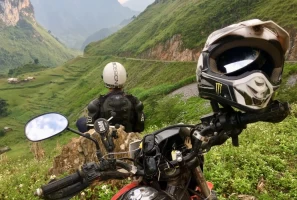
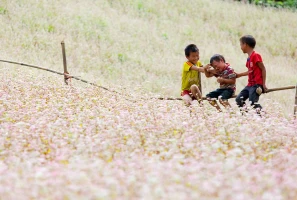
Planning daily route Vietnam motorbike tour is one of the most important steps for creating a safe, enjoyable, and unforgettable adventure. Vietnam offers incredible riding diversity, from Ha Giang’s mountain passes and Northwest rice terraces to the Ho Chi Minh Road, Central Coast, and remote village trails.
However, a good route is not only about distance on the map. Riders must consider terrain, weather, road conditions, fuel stops, accommodation, daylight, rest time, and energy levels. In this guide, Frontier Travel Vietnam explains how to plan each riding day smartly so your journey feels balanced, flexible, and full of real adventure.
1. Why Planning Daily Route Vietnam Motorbike Tour Matters
Vietnam is a country where distance can be misleading. One hundred kilometers on a smooth coastal road may feel easy, while the same distance in Ha Giang, Cao Bang, or Mu Cang Chai can take many hours because of steep bends, rough sections, fog, markets, animals, trucks, and photo stops. That is why planning daily route Vietnam motorbike tour should focus on real riding conditions, not only map numbers.
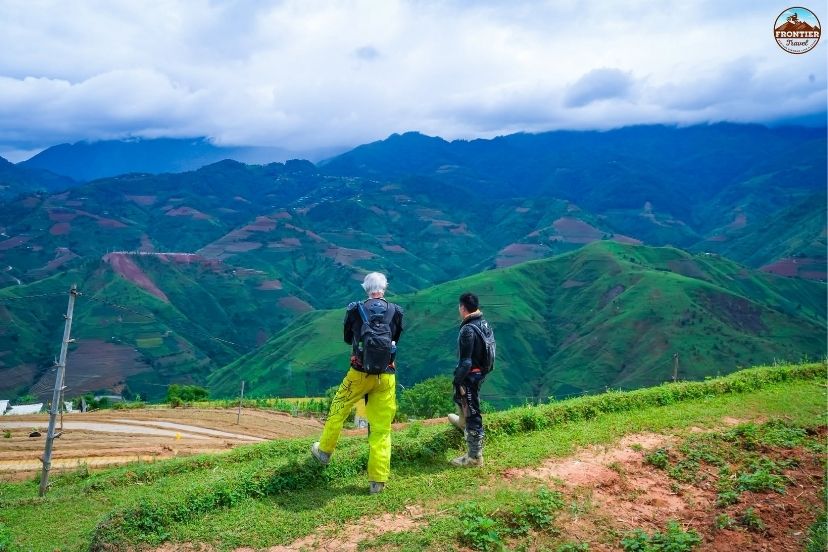
Planning daily route Vietnam motorbike tour helps riders avoid rushed and unsafe days
A route is just a line until it becomes a realistic riding day. Riders need safe timing, fuel planning, food stops, rest breaks, accommodation, group pace, and backup options. For first-time riders, planning daily route motorbike tour also prevents the common mistake of doing too much and enjoying too little.
2. Start with the Big Picture: Tour Length, Region, and Riding Style
Before choosing daily roads, riders should understand the full journey. A short weekend route, a classic 4-day mountain loop, and a 14-day cross-country expedition all need different planning logic. In planning daily route Vietnam motorbike tour, the big picture helps prevent overloaded days and unrealistic expectations.
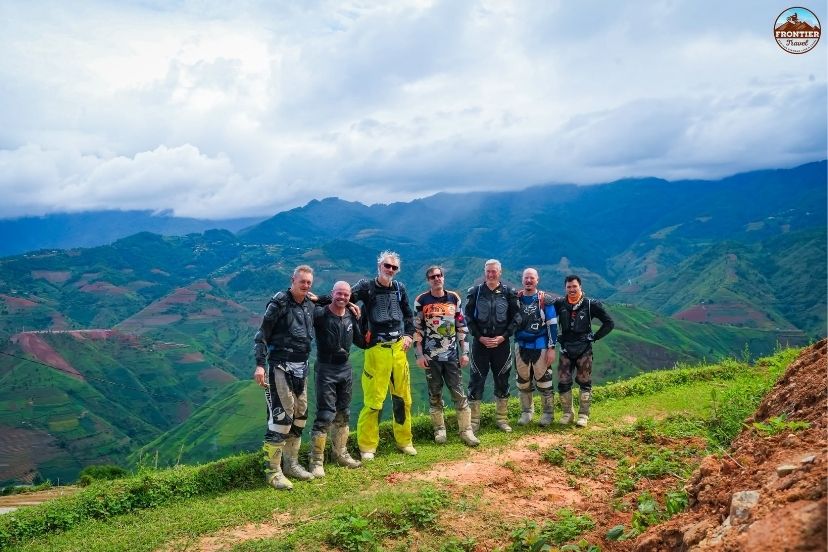
Choosing the right region and pace creates a smoother Vietnam riding plan
2.1. Choose the Right Tour Duration
Short 1–3 day rides need simple access, clear timing, and limited detours because there is little space for weather delays. Medium 4–7 day tours allow better rhythm, more cultural stops, and more comfortable overnight planning. Long 8–14 day expeditions require stronger backup planning because fatigue, laundry, maintenance, and changing regions become part of the trip.
2.2. Pick the Right Region for Your Goal
Ha Giang is best for dramatic passes, cliff roads, and mountain culture, while Northwest Vietnam offers rice terraces, remote valleys, and highland villages. The Ho Chi Minh Road is better for long-distance adventure, the Central Coast suits scenic touring, and Northeast Vietnam rewards riders who enjoy quieter landscapes. For planning daily route Vietnam motorbike tour, the region should match the rider’s dream, not only the most famous route online.
2.3. Define Your Riding Style
Some riders want scenic paved roads, while others want light off-road, technical trails, photography stops, cultural immersion, premium touring, or slow travel. A rider who wants photos and village visits should not plan the same schedule as someone chasing distance. Once the riding style is clear, daily distance and stop selection become easier.
3. Calculate Daily Distance for Planning Daily Route Vietnam Motorbike Tour
The smartest route planners do not ask only how many kilometers they can ride. They ask how those kilometers feel, how much energy they require, and what conditions may slow the day. A balanced planning daily route Vietnam motorbike tour strategy treats kilometers as only one part of the calculation.
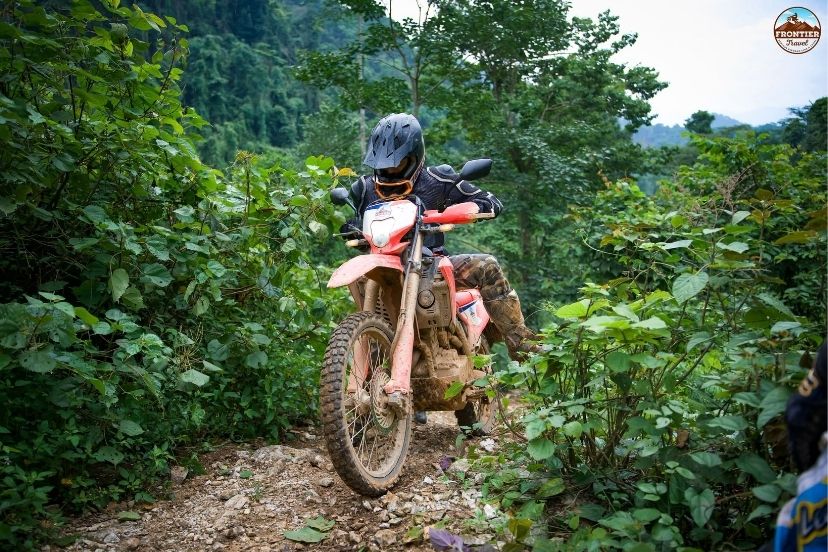
Mountain roads require realistic distance, riding hours, and extra buffer time
3.1. Do Not Trust Kilometers Alone
A 150-kilometer highway day may feel relaxing, but 150 kilometers in the mountains can involve hairpins, gravel, fog, villages, and narrow passes. Google Maps may suggest a time, yet it cannot fully understand your group’s pace, bike type, photo stops, or road fatigue. Riders should always add buffer time when the route includes mountains, dirt roads, ferry crossings, or remote areas.
3.2. Use Riding Hours Instead of Only Distance
Planning by riding hours is often more useful than planning by kilometers. A comfortable day should leave time for breakfast, gear checks, fuel, lunch, viewpoints, weather delays, and arrival before dark. For planning daily route Vietnam motorbike tour, 4–6 actual riding hours can already feel full when the terrain is demanding.
3.3. Suggested Daily Distance by Terrain
On mountain or off-road days, shorter distances are usually safer and more enjoyable. Mixed-road days can be medium length if fuel, food, and accommodation are easy to reach. Longer days should be kept for smoother highways, coastal routes, or transfer stages where the goal is covering distance rather than exploring every viewpoint.
4. Planning Daily Route Vietnam Motorbike Tour Around Key Anchors
A great riding day should not feel random. It should have a clear start, a main highlight, planned rest points, fuel confidence, and a realistic overnight destination. In planning daily route Vietnam motorbike tour, these anchors keep the day organized while still allowing adventure.
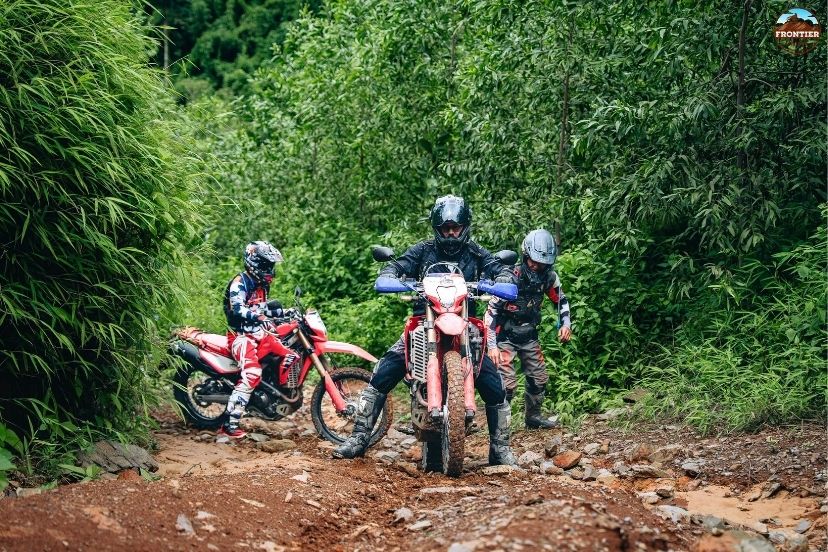
Fuel stops, lunch breaks, and scenic highlights shape a balanced riding day
4.1. Morning Departure Point
Start every day with a clear departure point, bike check, weather check, fuel status, and group briefing. Riders should inspect tires, brakes, lights, mirrors, luggage straps, rain gear, and water before leaving. A calm morning reduces mistakes and makes the first hour safer.
4.2. Midday Stop and Fuel Point
Lunch and fuel should be planned before the group becomes tired or hungry. In remote mountain areas, petrol stations and restaurants may not appear exactly when riders want them, so early refueling is a smart habit. Good planning also prevents the group from making rushed decisions in unfamiliar places.
4.3. Main Scenic or Cultural Highlight
Every day should have one main highlight rather than too many competing goals. It might be Ma Pi Leng Pass, Nho Que River, O Quy Ho Pass, Mu Cang Chai terraces, Ban Gioc Waterfall, a local market, or a village homestay. This approach makes planning daily route Vietnam motorbike tour more memorable because each day has one clear story.
5. Plan Around Weather, Seasons, and Road Conditions
Vietnam weather changes by region, elevation, and season, so route planning must stay flexible. A road that feels easy in dry weather can become slippery, foggy, or slow after rain. Serious planning daily route Vietnam motorbike tour means preparing alternatives before conditions become stressful.
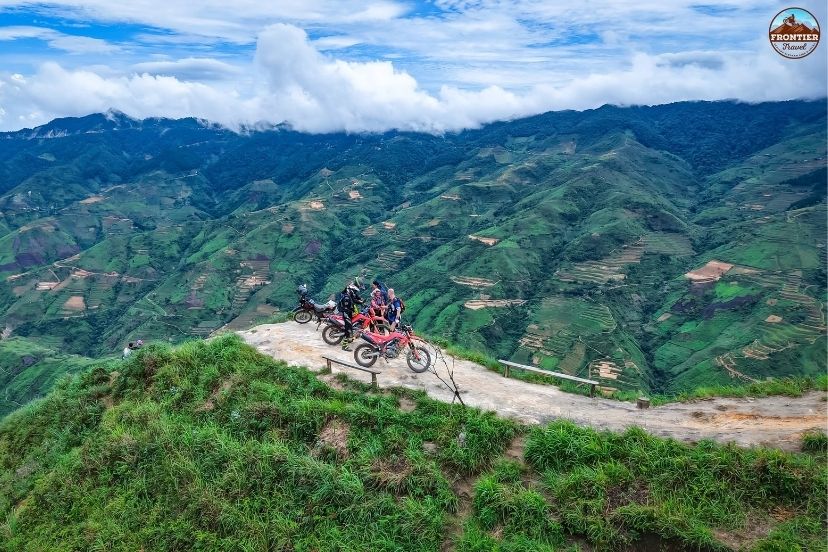
Changing weather can turn simple roads into slow and challenging routes
5.1. Northern Mountain Weather
Ha Giang, Sapa, Cao Bang, and Mu Cang Chai can experience fog, rain, cold mornings, landslides, and sudden visibility changes. Riders should avoid pushing long mountain distances when the weather looks unstable. Warm layers, rain gear, and flexible timing are essential for northern routes.
For safe planning daily route Vietnam motorbike tour, riders should check the forecast every morning and still expect surprises in the mountains. A good plan includes easier road alternatives, earlier arrival targets, and backup accommodation options when weather turns difficult.
5.2. Central and Coastal Weather
Central and coastal routes can bring strong sun, sudden storms, crosswinds, and heavy rain depending on the season. Riders should plan hydration, sun protection, and shaded rest stops on hot days. During stormy periods, coastal highways may require shorter stages and more conservative timing.
5.3. Rainy Season Route Adjustments
During heavy rain, avoid steep muddy tracks, deep river crossings, technical trails, and long remote sections without backup. Choose easier road alternatives, shorter daily stages, and safer overnight stops. A good guide will adjust the route early instead of waiting until the group is already exhausted.
6. Manage Rider Energy, Safety, and Group Pace
Daily route planning is also about people, not only roads. Riders have different skill levels, confidence, fitness, reaction speed, and comfort with traffic. Strong planning daily route Vietnam motorbike tour means protecting the slowest rider and keeping the whole group calm.
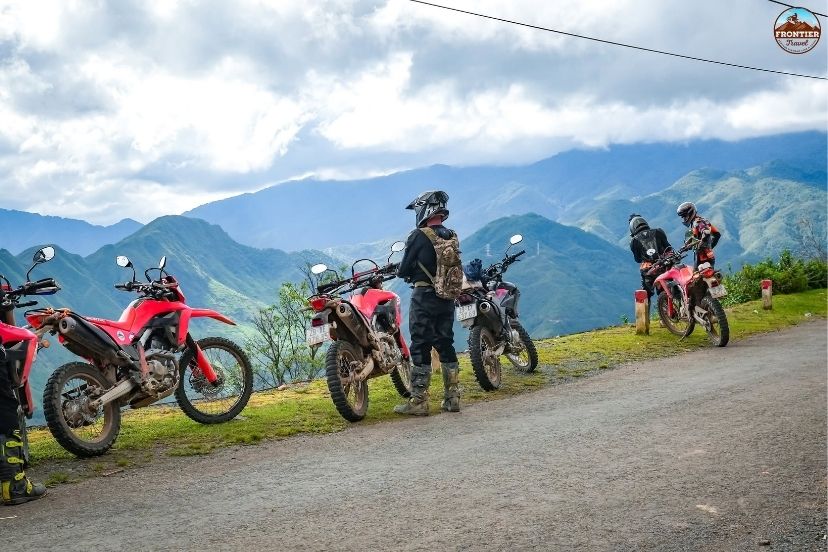
A safe route protects the slowest rider and keeps the group steady
6.1. Plan for the Slowest Rider
A group route should be planned around the least experienced or most cautious rider, not the fastest person. If one rider feels pressured, the whole group becomes less safe because mistakes increase with stress. A steady group pace creates better morale and a more enjoyable tour.
6.2. Avoid Riding After Dark
Vietnam motorbike routes are safer in daylight because riders can see potholes, animals, trucks, gravel, road edges, and village traffic more clearly. Night riding brings poor visibility, unlit roads, unfamiliar hazards, and fewer repair options. The daily plan should always aim to reach accommodation before sunset.
6.3. Schedule Breaks Before Fatigue Hits
Breaks should happen before riders become tired, not only after problems appear. On demanding mountain roads, rain, heat, or off-road sections, short stops every 60–90 minutes can help riders reset focus. Drinking water, stretching, and checking luggage straps can prevent bigger issues later.
7. Route Planning Tools, Local Knowledge, and Guided Support
Digital tools are useful, but they cannot replace local experience. Road quality, weather, construction, ferry timing, police checks, fuel availability, and seasonal issues can change quickly. For planning daily route Vietnam motorbike tour, maps should support judgment, not replace it.
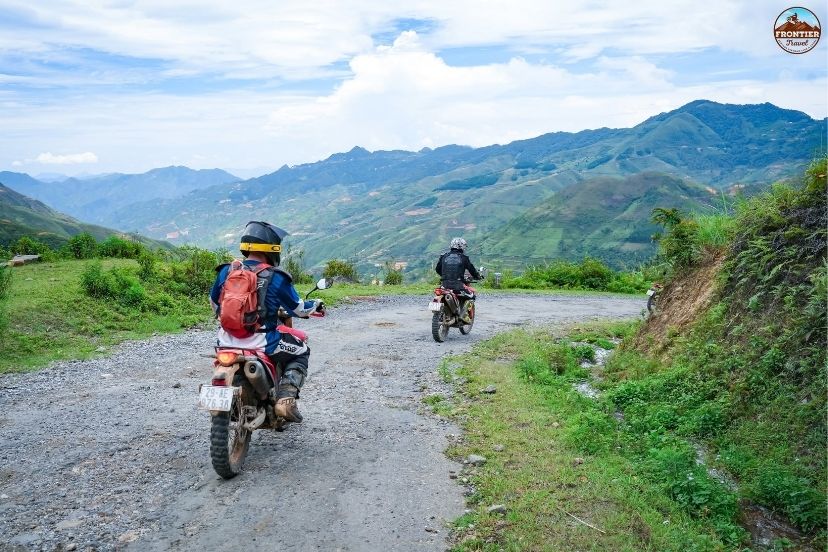
Local advice helps riders avoid bad roads, delays, and risky shortcuts
7.1. Use Digital Maps Carefully
Google Maps is helpful for orientation, distance, and basic navigation, but it can underestimate time in mountain areas. It may also suggest shortcuts that are unsuitable for loaded bikes, big adventure motorcycles, or inexperienced riders. Always compare map information with local advice before taking remote roads.
7.2. Create a Daily Route Card
A daily route card keeps the plan simple and visible. It should include start point, end point, main stops, fuel points, lunch stop, backup route, emergency contact, estimated riding time, and arrival target. This is especially useful for group tours because everyone understands the day’s structure.
7.3. Ask Local Experts Before Remote Sections
Before entering remote sections, ask local guides, homestays, mechanics, or tour operators about road conditions. They may know about landslides, roadworks, flooding, closed bridges, or better alternatives. Frontier Travel Vietnam uses local knowledge to keep routes realistic, safe, and rewarding.
When planning daily route Vietnam motorbike tour in remote Vietnam, local knowledge can save hours and reduce risk. A homestay owner, mechanic, guide, or tour operator may know about landslides, damaged bridges, muddy tracks, or better food stops before any app updates.
8. Planning Daily Route Vietnam Motorbike Tour: FAQs and Conclusion
Many riders make the same route planning mistakes before their first Vietnam adventure. They plan too far, trust map times too much, ignore weather, or forget that sightseeing also takes energy. These planning daily route Vietnam motorbike tour FAQs give simple answers before you build your itinerary.
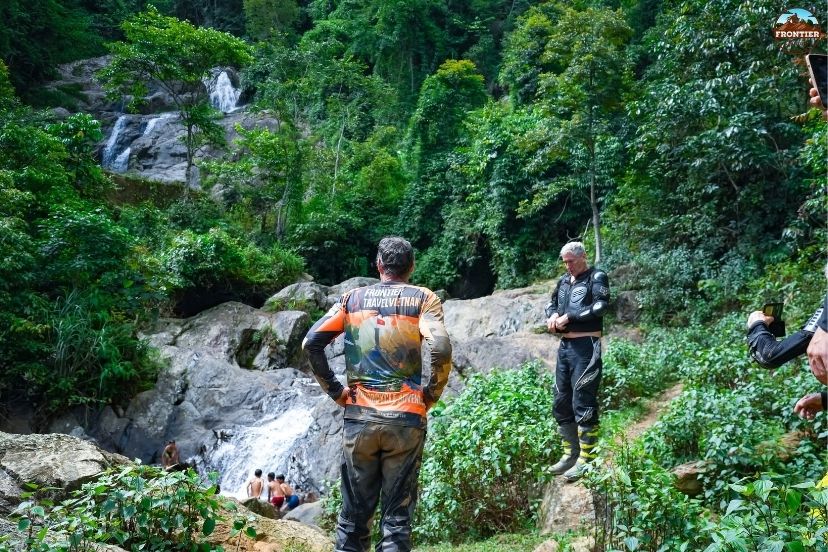
Planning daily route Vietnam motorbike tour makes every riding day safer and more memorable
8.1. Planning daily route Vietnam motorbike tour: How many kilometers should I ride per day?
The right distance depends on terrain, skill level, weather, bike type, and route purpose. Mountain and off-road days should be shorter, while smoother highway or coastal days can be longer. As a simple rule, choose a distance that allows breaks, fuel, meals, viewpoints, and arrival before dark.
8.2. How many hours should a daily motorbike route take?
A comfortable daily route should allow time for riding, rest breaks, photos, fuel, food, and unexpected delays. Many riders enjoy Vietnam more when they plan 4–6 real riding hours instead of chasing a full day of constant movement. If the terrain is difficult, reduce the distance and increase recovery time.
8.3. Should I plan my route with Google Maps?
Yes, but riders should not rely on Google Maps alone. Use it for direction, then confirm road quality, weather, and realistic timing with local people or a tour expert. Maps are tools, but local knowledge protects the ride.
8.4. What is the biggest mistake in daily route planning?
The biggest mistake is planning too much distance and leaving no time for weather delays, road conditions, fatigue, or scenic stops. Riders often underestimate Vietnam because the map distance looks short. A better plan gives the day space to breathe.
8.5. Is a guided tour better for route planning?
For first-time Vietnam riders, remote routes, off-road tours, and group rides, a guided tour is often better. Guides help manage timing, fuel, accommodation, road changes, safety, and local communication. Frontier Travel Vietnam can design each day around rider ability, route goals, and real conditions.
Conclusion
Planning daily route Vietnam motorbike tour is not about covering the maximum distance each day. It is about building a route that feels safe, realistic, flexible, and memorable. Riders should consider terrain, weather, daylight, fuel, accommodation, rest time, and group ability before deciding each day’s plan. With smart preparation and local support from Frontier Travel Vietnam, every riding day can become a balanced mix of adventure, culture, scenery, and confidence.