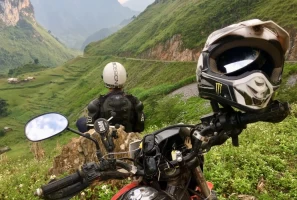
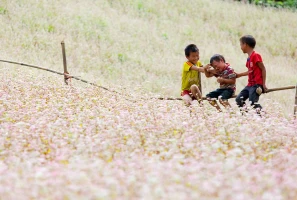
Mu Cang Chai stands as one of the most spellbinding motorcycling destinations in Northern Vietnam, captivating riders with its dramatic mountain passes and majestic terraced fields. To fully experience the adrenaline and beauty of this high-altitude journey, partnering with Frontier Travel Vietnam ensures a seamless and thrilling adventure. Whether you are tackling famous hairpin turns or exploring local ethnic villages, this comprehensive guide provides everything you need to know for the ultimate trip.
1. Overview of Mu Cang Chai and Its Appeal to Motorcyclists
Nestled deep within Yen Bai province, the district of Mu Cang Chai sits perched high upon the Hoang Lien Son mountain range. The surrounding topography features dramatic scenery characterized by towering alpine ridges, sheer granite cliffs, and deep alluvial valleys carved out by ancient river networks. Connecting these remote communities is a network of ribbon-like mountain asphalt and rugged dirt tracks that trace the edges of massive abysses, creating a thrilling environment where every corner reveals breathtaking panoramas of man-made rice terraces clinging to vertical mountainsides.
The magnetic pull of this remote region lies in its raw, unfiltered challenge to a rider's focus and machinery. Negotiating steep ascents while inhaling crisp mountain air delivers a sense of freedom that few highways can match. Experiencing Northwest Vietnam motorbike tours through this rugged terrain connects riders with nature and local heritage, transforming a simple vacation into a genuine life experience.v
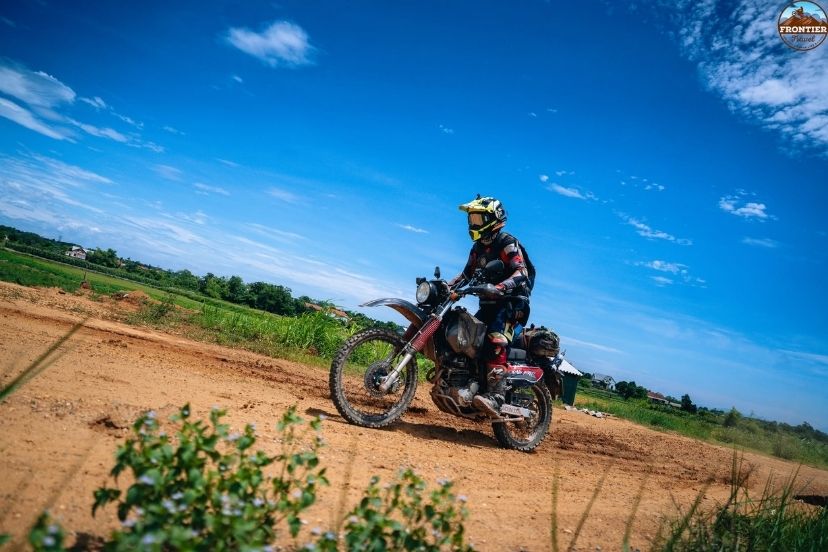
Mu Cang Chai showcases breathtaking mountain rice terrace landscapes
2. Preparing Your Motorcycle and Riding Skills for Mu Cang Chai’s Steep Slopes
Proper preparation forms the backbone of every successful high-altitude journey through rugged mountain terrain. Taking time to inspect your machine and refine technical riding skills ensures you handle extreme elevation changes safely.
2.1. Overall Motorcycle Check and Maintenance Before the Trip
A comprehensive mechanical inspection must be performed before turning the ignition key for a long mountain journey to ensure your vehicle is fully roadworthy. You should verify that your tire tread depth is substantial, check that brake pads are not worn, and confirm that all chain tension and lighting systems are in perfect working order. Carrying essential items such as extra inner tubes, a compact tire repair kit, and basic hand tools will ensure you remain self-sufficient even when riding through the most isolated Mu Cang Chai mountain passes.
2.2. Cornering, Descending, and Safe Braking Techniques on Steep Inclines
Descending long mountain slopes requires continuous engine braking to keep braking systems cool and fully operational throughout the duration of your trip. You should shift down into lower gears before starting your descent so the engine naturally retards your forward speed without placing excessive strain on your hydraulic components. Mastering balanced braking distribution by using both front and rear levers simultaneously will help you maintain stability while navigating the loose gravel surfaces often found on remote roads in Mu Cang Chai.
2.3. Essential Personal Protective Gear for Bikers
High-altitude touring demands heavy-duty impact protection that can withstand harsh contact with asphalt or sharp mountain gravel during an unexpected tumble. Every rider must wear a certified full-face or three-quarter helmet along with an armored jacket and sturdy riding boots that provide vital ankle support. Carrying a high-quality waterproof rain suit and thermal base layers is equally essential because the weather at Mu Cang Chai can shift from intense sunshine to freezing rainfall within mere minutes.
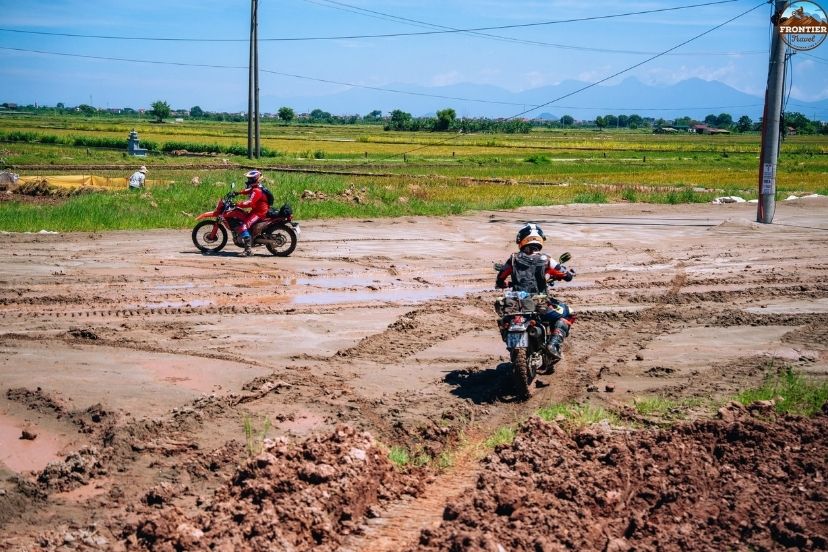
Protective riding gear enhances safety on mountain roads
3. Ideal Time of Year for a Mu Cang Chai Motorcycle Tour
Timing your journey correctly allows you to experience the highlands during their most visually stunning seasons. Understanding seasonal weather variations helps you pack the right gear and prepare for changing road conditions.
3.1. The Water-Pouring Season (May – June) with Sparkling Terraced Fields
During early summer, local farmers flood the carved hillsides to prepare the soil for the annual rice planting cycle. The flooded paddies act as vast natural mirrors that reflect passing clouds and golden sunlight across entire mountain valleys in a display of natural beauty. Riding through Mu Cang Chai during this period offers panoramic views of shimmering water staircases that make for an incredible backdrop for your high-contrast photography.
3.2. The Golden Ripe Rice Season (September – October) – Simply Breathtaking
3.3. Weather Considerations and Slippery Road Conditions in Other Months
Riding from November through April presents distinct challenges due to plummeting temperatures and thick alpine fog that severely limits visibility on the road. Dense moisture clings to mountain passes, keeping the asphalt permanently damp and slick throughout the early morning hours for anyone traveling through the region. Riders exploring Mu Cang Chai during these winter months must pack severe cold-weather gear and exercise extreme caution on every shaded mountain corner.
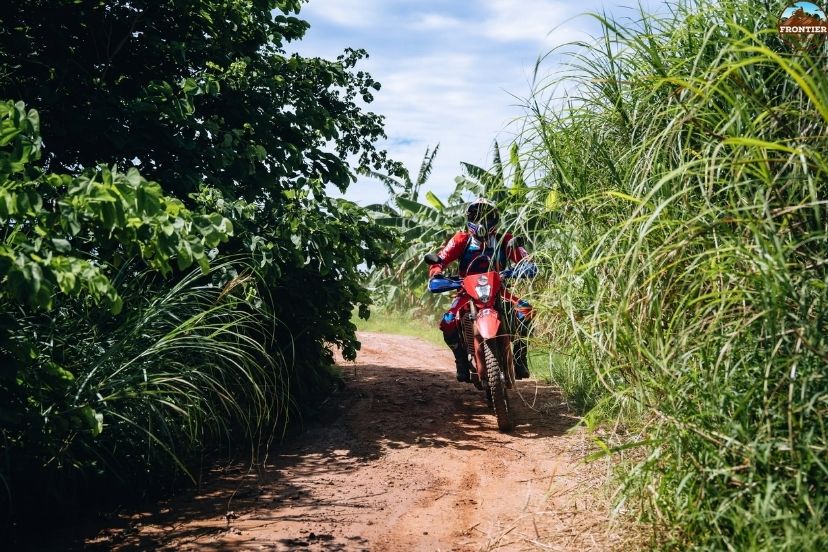
Foggy mountain roads require extra riding caution year-round
4. Route and Detailed Itinerary from Hanoi to Mu Cang Chai
Selecting the right route transforms a standard transfer day into an extraordinary riding experience through changing landscapes. Planning your rest stops and understanding rural logistics ensures a smooth, stress-free journey from the capital city into the highlands.
4.1. Selecting the Route via National Highway 32 and Khau Pha Pass
The classic overland route departs Hanoi westward along National Highway 32, passing through scenic towns like Son Tay and Thanh Son. Beyond the flatlands of Nghia Lo, the road climbs into Tu Le before tackling the dramatic and winding ascents over the famous Khau Pha Pass. This direct arterial road offers an incredible transition from bustling city streets to the high-mountain pass riding that Mu Cang Chai is rightfully famous for.
4.2. Recommended Rest Stops and Photography Spots Along the Way
Strategic break points allow riders to stretch, hydrate, and capture iconic Northern Vietnamese landscapes without rushing their busy daily itinerary. Plan your first major break among the rolling green tea hills of Thanh Son to stretch your legs and enjoy the fresh air before continuing forward. Stopping in Tu Le to sample famous local culinary specialties provides a perfect energy boost before you climb high into the challenging mountain passes of Mu Cang Chai.
4.3. Handling Mechanical Breakdowns on Remote Mountain Roads
Experiencing a mechanical failure on isolated mountain slopes requires immediate composure and systematic safety precautions to ensure you remain out of harm's way. Safely pull your motorcycle entirely off the active travel lane onto a wide gravel turnout and check your mobile device for regional cellular coverage. If a mechanical issue exceeds your toolkit capabilities, search for small local repair shops scattered along the Mu Cang Chai highway where rural mechanics excel at solving common problems.
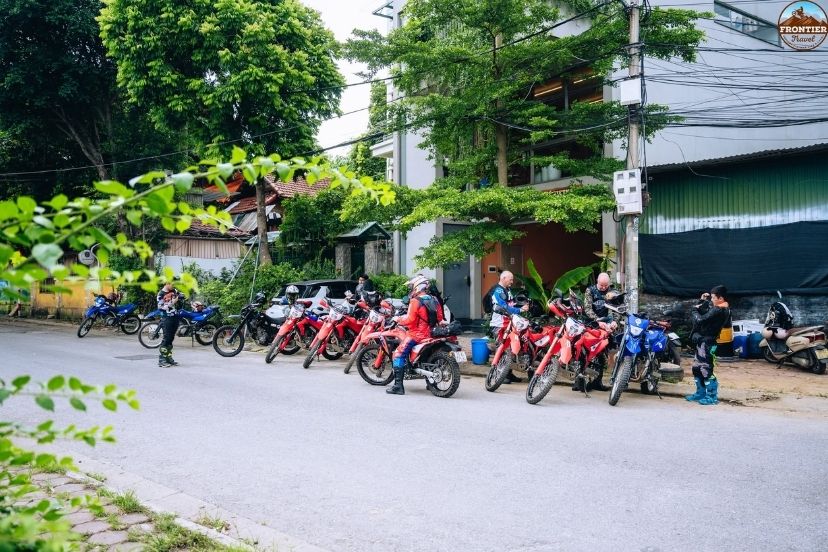
Roadside motorcycle repairs keep adventurous journeys moving safely
5. Must-Visit Check-in Spots for Bikers in Mu Cang Chai
The surrounding district holds some of the most celebrated geographic landmarks in Southeast Asia. Exploring these iconic locations on a motorcycle provides unmatched access to remote viewpoints that standard tour buses simply cannot reach.
5.1. Conquering Khau Phạ Pass – One of Vietnam’s Four Great Mountain Passes
Stretching roughly 30 kilometers across high alpine ridges, this pass ranks among the most legendary motorcycle roads in the entire nation. Riders navigate tight hairpin turns while banking past sheer vertical drop-offs that look out over the expansive Cao Pha Valley floor. The summit serves as a prime spot to watch paragliders launch into the air, making it a mandatory stop on any serious Mu Cang Chai riding adventure.
5.2. Admiring the Mâm Xôi (Sticky Rice Tray) and Móng Ngựa (Horseshoe) Rice Terraces
The famous Mam Xoi Hill features a circular terraced structure that perfectly resembles a traditional wooden tray of sticky rice sitting on the hillside. Accessing the base requires navigating extremely steep, narrow concrete paths that will certainly test your low-speed balance and throttle control skills. Further away, the Mong Ngua Hill features a dramatic horseshoe curve that is legendary for late afternoon photography when the sun hits the golden terraces.
5.3. Exploring Lìm Mông Village Nestled in the Mist
Descending from the main pass into the floor of the valley leads riders directly to the peaceful and secluded enclave of Lim Mong village. The ride involves descending steep, narrow concrete trails that wind through bamboo groves and over mountain streams hidden in the lush landscape. Nestled deep within the Mu Cang Chai mist, this remote settlement offers an authentic and quiet glimpse into traditional rural highland life.
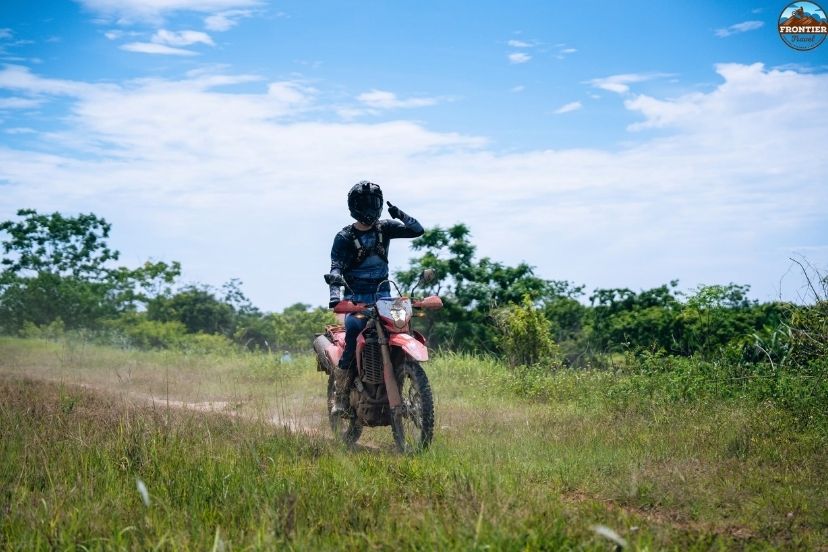
Peaceful mountain village surrounded by mist and bamboo
6. Accommodations and Local Culinary Specialties for Motorcyclists
After a full day of riding through demanding mountain passes, comfortable lodging and rich food are essential for recovery. Embracing local hospitality and traditional mountain cuisine adds deep cultural value to your adventure.
6.1. Top Budget-Friendly Homestays with Stilt-House Views in Mu Cang Chai
Choosing an authentic homestay offers a unique immersion into the local ethnic hospitality that defines the mountain experience. These traditional wooden stilt houses provide cozy, budget-friendly accommodations with commanding views of the surrounding Mu Cang Chai rice valleys. Resting on open timber balconies while watching the evening mist settle over the mountains is the perfect way to conclude a long day of riding.
6.2. Savoring Tú Lệ Sticky Rice and Grilled Mountain Pork
Sampling authentic regional dishes provides essential energy and introduces you to centuries of culinary tradition passed down by local families. The sweet fragrance of Tu Le sticky rice is famous throughout the country, and pairing it with savory grilled mountain pork is the ultimate treat. Sharing these meals in Mu Cang Chai fosters a warm sense of camaraderie among touring groups as they reflect on the day's high-altitude achievements.
6.3. Refueling with High-Altitude Cuisine in Town
The main township features numerous family-run eateries that cater directly to passing travelers and adventurous motorcycle riders. Stopping for a steaming bowl of hot beef noodle soup provides instant warmth after a cold morning ride through the high mountain passes. It is vital that you remember to stock up on water and fuel in Mu Cang Chai town to ensure you stay prepared for your next day.
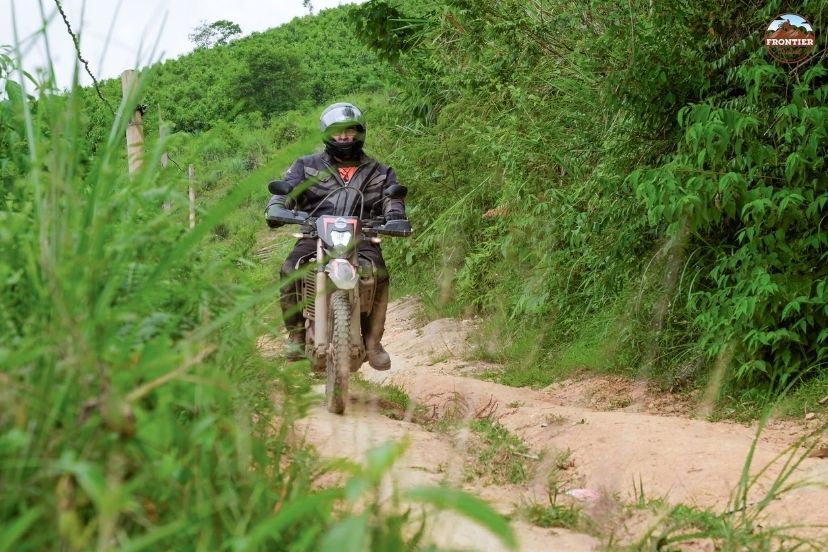
Hot local meals restore energy after mountain rides
7. Suggested 3-Day 2-Night Mu Cang Chai Motorcycle Itinerary
A structured three-day itinerary provides the perfect balance between exciting highway transit, technical pass riding, and immersive sight-seeing. Following this proven schedule ensures you experience all regional highlights without feeling rushed on the road.
7.1. Day 1: Departure Hanoi – Nghia Lo – Tu Le – Khau Pha Pass – Mu Cang Chai
Departing Hanoi early allows you to clear city traffic before heading west along the scenic routes toward the mountains. You will ride through the rolling tea hills before descending into the valley of Nghia Lo for a local lunch stop. The afternoon concludes with the thrilling climb up the hairpin curves of the pass before you check into your Mu Cang Chai homestay.
7.2. Day 2: Full Day Exploring Mu Cang Chai’s Iconic Rice Valleys
Spend your morning riding out toward La Pan Tan to tackle the steep trails leading up to the world-famous Mam Xoi Hill. You should spend the afternoon heading toward Sang Nhu to capture the golden hour light at the spectacular Mong Ngua Hill. Finally, ride down into the quiet village of Lim Mong to explore the peaceful valley streams as the sun begins to set.
7.3. Day 3: Local Specialty Shopping and the Scenic Ride Back to Hanoi
Visit the local morning market in Mu Cang Chai to buy wild mountain honey and handcrafted souvenirs for your friends back home. After performing a final mechanical check, you will begin your return ride along the highway toward the capital city. Stopping for a final lunch in Nghia Lo ensures you have enough energy to navigate the last stretches back into the busy streets of Hanoi.
8. Conclusion
Mu Cang Chai remains a bucket-list destination that every motorcycle enthusiast should experience at least once in their lifetime. Booking a guided trip with Frontier Travel Vietnam provides expert ride leaders, safety support, and authentic local access to maximize your journey. Gear up, check your motorcycle, and get ready to conquer the unforgettable mountain passes of Northern Vietnam!