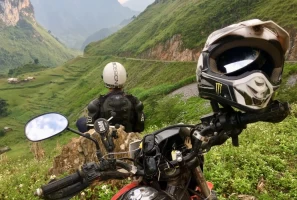
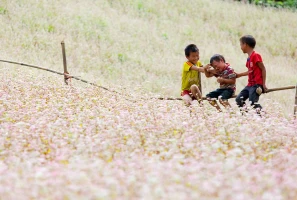
Motorcycle trip Vietnam is widely considered the ultimate bucket-list adventure for riders worldwide. There is no experience on earth quite like it the smell of mountain air, the grit of red-dirt trails, and the absolute freedom of the open road make this country a premier destination for two-wheeled exploration. With Frontier, that adventure feels more rewarding through thoughtful planning, local expertise, and reliable support along the way.
1. Why a Motorbike trip Vietnam is a must-do experience?
A great ride in Vietnam is not only about scenery. It is about the way the landscape, culture, and road all merge into one continuous story. A motorbike trip can feel adventurous without becoming artificial, and immersive without becoming inaccessible. That balance is rare, and it is one of the main reasons riders keep returning.
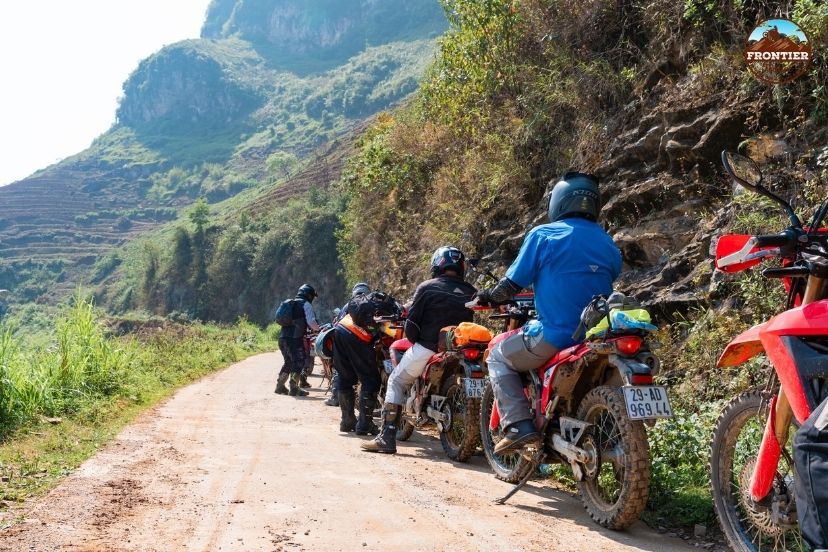
Motorbike trip Vietnam starts with freedom on the open road
1.1. Unrivaled geographical diversity
One of the biggest reasons to choose a motorbike trip Vietnam is the extraordinary geographical range packed into one country. In the north, riders face limestone karsts, mountain passes, and deep valleys that feel almost unreal. In the center, the road opens into coastlines, historic towns, and dramatic sea-facing curves. In the highlands, the terrain changes again into cool forests, red-dirt backroads, and coffee-growing plateaus.
1.2. Deep cultural immersion
The second reason a motorbike trip Vietnam stands out is the access it gives to places that standard travel often misses. Cars, buses, and package tours usually stay on the obvious routes. A motorcycle allows riders to enter remote mountains, pass through ethnic villages, and reach rural landscapes where daily life feels untouched by mass tourism. This is not tourist Vietnam. This is the Vietnam that reveals itself between the cities.
1.3. Ultimate two-wheeled freedom
Freedom is the third major reason riders choose a motorbike trip Vietnam over more conventional travel. On a bike, the journey stays flexible. You can stop for a mountain view, linger at a café, slow down through a market town, or change the day’s pace when the weather shifts. That responsiveness creates a kind of travel rhythm that buses and private cars rarely offer.
2. Top 10 iconic routes for your journey
Vietnam offers far more than one famous loop. The best route depends on what kind of scenery, terrain, pace, and cultural atmosphere you want. Some riders crave mountains and sharp passes. Others want coast roads, highlands, or quieter rural exploration. The routes below show how varied a motorbike trip Vietnam can become.
2.1. The Ha Giang Loop: The “Mecca” of riding featuring the Ma Pi Leng Pass
For many riders, the Ha Giang region is the most iconic motorbike trip Vietnam can offer. The road cuts through towering limestone mountains, dramatic switchbacks, and cliffside passes that deliver some of the most memorable views in Southeast Asia. Ma Pi Leng Pass is the headline moment, but the full loop also includes Dong Van, Meo Vac, and smaller villages that make the route feel alive beyond the viewpoints.
This is a route built for visual drama. Every day feels elevated, exposed, and unforgettable. It is also a route that rewards focus, because mountain conditions can shift quickly. Riders who want the classic northern adventure often begin here, and many leave feeling that no photo fully captured the scale of the place.
Ha Giang is famous for towering limestone mountains, cliffside passes, and dramatic switchbacks. Ma Pi Leng Pass is the highlight, while villages and valleys bring the route to life. The roads are rough and challenging, rewarding focus and skill with unforgettable views.
2.2. The Northwest Frontier: Conquering the rice terraces of Mu Cang Chai and Sapa
The northwest offers a broader and more expansive mountain experience. A motorbike trip Vietnam through Mu Cang Chai and Sapa blends misty ridgelines, terraced rice fields, mountain weather, and winding roads that seem to flow endlessly across the landscape. The world-famous rice terraces in Mu Cang Chai make this route especially attractive for riders who want scenery with a softer, greener personality than the stone drama of Ha Giang.
This route is about immersion through distance. It suits riders who enjoy long mountain days, changing visibility, and a stronger sense of remote travel. The road is both scenic and atmospheric, with enough variety to keep every day emotionally distinct.
The northwest features misty ridges, terraced rice fields, and flowing mountain roads. Long rides, changing weather, and scenic variety create a sense of remote adventure. Riders enjoy a softer, greener contrast to Ha Giang’s stone drama.
2.3. The Ho Chi Minh Trail: A historical deep-dive through jungle paths and the Truong Son range
A motorbike trip Vietnam along the Ho Chi Minh Trail carries a unique combination of nature and history. The road moves through jungle landscapes, mountain corridors, and historically significant areas linked to the Truong Son range and wartime logistics. Stops around Phong Nha, Khe Sanh, and surrounding regions give the journey unusual narrative weight. For historical background, the Ho Chi Minh Trail provides helpful context.
This route is not only about one landmark or one famous pass. It is about sustained atmosphere. Riders who choose it often want a deeper and longer-form experience, one where the road feels reflective as well as adventurous. It is one of the most meaningful options for travelers who want their ride to tell a bigger story.
The Ho Chi Minh Trail winds through jungles, mountain corridors, and historic areas like Phong Nha and Khe Sanh. Roads vary from smooth to rugged, offering reflective and adventurous riding with historical depth.
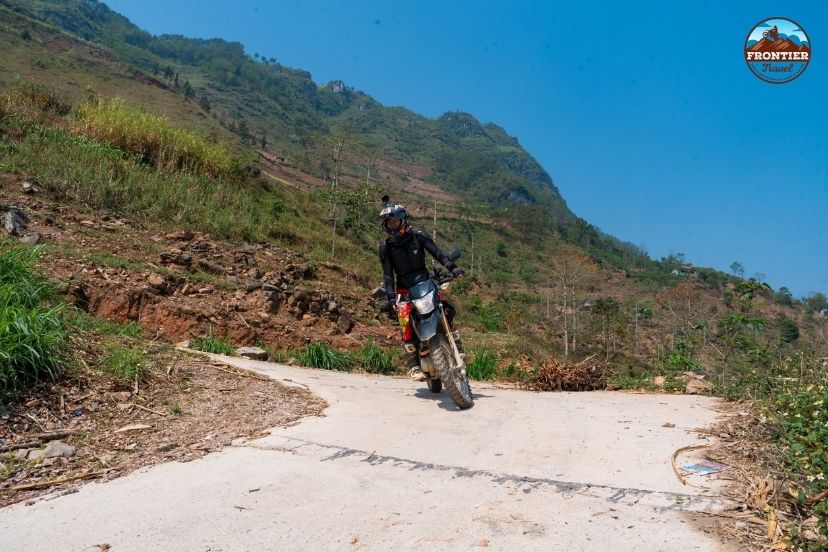
Every region offers a different riding experience
2.4. Central Highlands Odyssey on a Motorbike trip Vietnam
The Central Highlands deliver a completely different type of motorbike trip Vietnam. Here, the mood shifts toward red basalt roads, agricultural landscapes, pine forests, and cooler air. Coffee plantations stretch across the region, while waterfalls and plateau roads around Da Lat add visual texture and a softer riding rhythm.
This route feels grounded and soulful. The scenery is less extreme than some northern mountain loops, but it is deeply atmospheric. Riders who enjoy a balance of countryside, highland culture, and varied road textures often find this one of the most satisfying parts of Vietnam to explore on two wheels. The Central Highlands offer red-earth roads, pine forests, coffee plantations, and waterfalls near Da Lat. Roads are winding but less extreme than the north, providing a grounded and scenic ride.
2.5. The Hai Van Pass: The world-famous coastal run between Hue and Hoi An
Few short routes are as famous as the Hai Van Pass. A motorbike trip Vietnam that includes this stretch gains one of the most photogenic coast roads in the country. The pass rises above the sea, offering sweeping views, smooth curves, and the dramatic contrast of mountain and ocean in the same frame. It is often the route people imagine when they think about romantic road travel in central Vietnam.
What makes it so strong is not only the scenery but the accessibility. Even a shorter ride between Hue and Hoi An can feel iconic here. For riders who want a compact but memorable coastal experience, the Hai Van Pass is hard to ignore. Hai Van Pass combines smooth curves, sea views, and mountains in a compact coastal ride. Even a short trip here feels iconic and photogenic, ideal for scenic coastal motorcycling.
2.6. Northeast Adventure: Discovering Ban Gioc Waterfall and the caves of Cao Bang
The northeast remains less famous than Ha Giang, but it deserves far more attention. A motorbike trip Vietnam through Cao Bang brings riders into bamboo forests, limestone valleys, riverside roads, and the wider borderland atmosphere near Ban Gioc Waterfall. Nguom Ngao Cave and surrounding landscapes add more depth to the route, making it feel rich without being overcrowded.
This route suits riders who want beauty with a quieter profile. It feels more spacious, more meditative, and often more personal than the best-known loops. That makes it ideal for travelers who want scenery and authenticity without the same level of route fame. Cao Bang features bamboo forests, rivers, limestone valleys, and borderland terrain near Ban Gioc. Quiet roads make for a spacious, meditative, and authentic northern ride.
2.7. The Coastal Road: Skirting the turquoise waters from Mui Ne to Quy Nhơn
The central and south-central coast offer a lighter but very rewarding motorbike trip Vietnam for riders who love sea views, dry light, and open roads. From Mui Ne northward toward Quy Nhơn, the coastline delivers beaches, fishing towns, rocky headlands, and roads that feel brighter and more relaxed than mountain routes. The mood is less intense but still deeply memorable.
This is an excellent route for travelers who want visual beauty without the full pressure of high mountain riding. The sea remains part of the journey almost constantly, giving the road a breezy, open character that feels distinct from inland Vietnam. The coastal route offers beaches, fishing towns, rocky headlands, and open roads. It’s less intense than mountains but visually rewarding, with a breezy, relaxed character.
2.8. Mekong Delta Backroads: Navigating narrow concrete paths and ferry crossings in the water world
The Mekong Delta offers a motorbike trip Vietnam that is completely different from passes and mountain loops. Here the appeal comes from narrow concrete paths, ferry crossings, fruit orchards, canals, and the living rhythm of a river world shaped by trade and agriculture. The famous floating market atmosphere around places like Cai Rang adds cultural depth to the route.
This ride is flatter, but it is not dull. It demands attention in a different way. Riders must adapt to local traffic, narrow roads, and frequent changes in direction and pace. That intimacy is what makes the delta so rewarding. The Mekong Delta features narrow concrete paths, ferries, orchards, and riverside roads. Flat terrain requires focus on balance, creating an intimate and culturally rich ride.
2.9. Pu Luong & Mai Chau: A serene escape into Thai ethnic valleys and stilt houses
For riders seeking calm rather than intensity, Pu Luong and Mai Chau offer one of the most peaceful motorbike trip Vietnam experiences. The route moves through Thai ethnic valleys, stilt-house communities, limestone hills, and green agricultural landscapes that feel restorative rather than overwhelming. The roads are scenic, but the real appeal is the overall mood.
This route works beautifully for travelers who want nature, culture, and a slower pace. It is one of the best options for riders who want to feel immersed without committing to the hardest terrain. The result is often a deeply human and visually gentle journey. Pu Luong and Mai Chau offer valleys, stilt-house villages, and forest tracks. Gentle roads create a peaceful, restorative ride, ideal for immersive nature and culture.
2.10. The Southern Borderlands: Off-the-beaten-path exploration along the Cambodian frontier
The southern borderlands offer a rarer version of motorbike trip Vietnam, one defined by red dirt, plantation landscapes, smaller local roads, and very little tourist traffic. Riding near the Cambodian frontier brings a feeling of discovery that is hard to manufacture. The journey feels raw, local, and genuinely off the mainstream radar.
This region is not about famous landmarks. It is about atmosphere and the pleasure of seeing a side of the country that most international travelers overlook. Riders who want something less polished and more original often find the borderlands especially compelling. The southern borderlands feature red dirt roads, plantations, and minimal traffic. Riders experience a raw, authentic, and adventurous Vietnam off the beaten path.
3. How to plan the perfect motorcycle trip Vietnam
Good planning makes the trip feel effortless later. A motorbike trip Vietnam may look spontaneous from the outside, but the best rides usually come from smart decisions made before the first departure. Time of year, skill level, terrain expectations, accommodation style, and food standards all shape the experience.
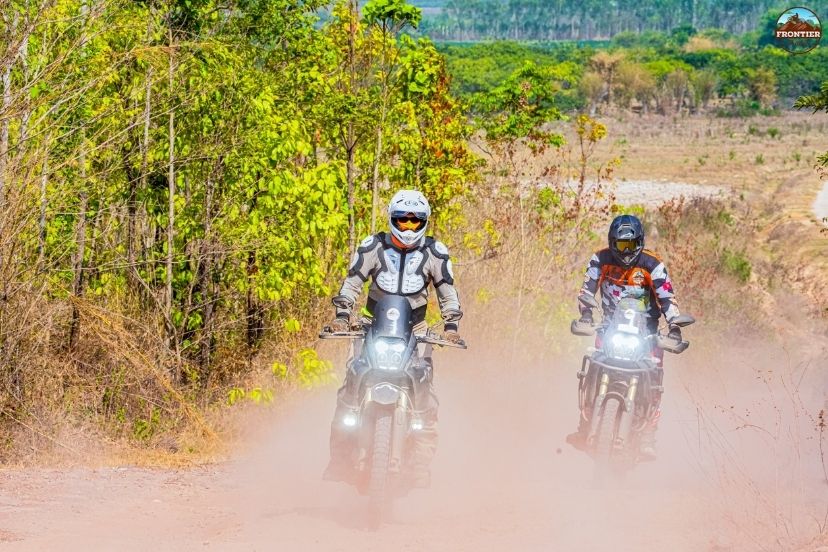
The right route depends on time and skill
3.1. Choosing the right time to ride: Seasonal weather patterns for the North, Center, and South
Timing matters because Vietnam’s weather changes significantly by region. A motorbike trip Vietnam in the north may bring colder mountain air and fog during some months, while the center can shift between clear coast weather and heavy seasonal rain. The south stays warmer overall, but rainfall and humidity still shape road conditions.
3.2. Skill assessment: “Is this tour suitable for beginners?”
This is one of the most important questions any rider can ask. Not every motorbike trip Vietnam is beginner-friendly, and not every route marketed as adventure is equally technical. Some routes are best for confident riders with mountain or off-road experience, while others are more suitable for first-timers who want scenic roads and a gentler learning curve.
3.3. Terrain expectations: “How much off-road vs on-road riding?”
The phrase “adventure ride” can mean many different things. On one motorbike trip, it may mean smooth scenic roads with occasional broken surfaces. On another, it may mean a route with 50 to 60 percent off-road trails, red dirt, rocky sections, or muddy connectors in wet weather. Those are very different experiences.
3.4. Accommodation standards: “What are the accommodations like?”
Accommodation shapes the recovery side of any multi-day ride. A motorbike trip usually works best with a mix of clean hotels and authentic homestays, depending on the region and the route style. Hotels bring privacy, showers, and easier rest. Homestays add cultural depth and a more personal sense of place.
3.5. Food and hygiene: “Is the food safe and good?”
Food should add pleasure, not anxiety. A professionally planned motorbike trip Vietnam should include fresh, local Vietnamese food prepared daily at trusted restaurants or by reliable local hosts. The country’s cuisine is one of its greatest joys, and riders should be able to experience it confidently. Good route planning includes thought about where riders eat, how meals support energy levels, and how hygiene is handled.
4. Technical Breakdown: The best bikes for the terrain
The bike can either support the route beautifully or make it harder than it needs to be. A motorbike trip Vietnam should always begin with practical bike selection, not vanity. Weight, height, control, reliability, and route compatibility matter much more than image.
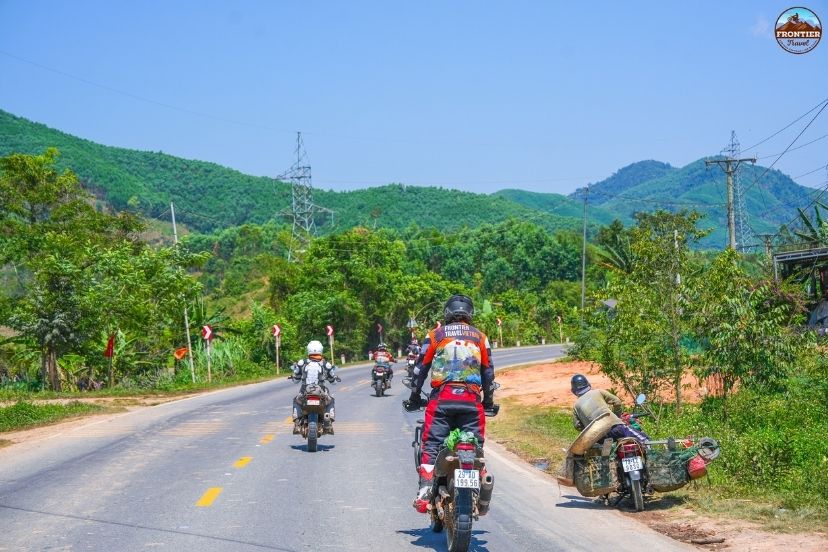
Weather can change the whole journey
4.1. Professional Enduro Fleet: Features of the Honda CRF300L, Yamaha WR250R, and Kawasaki KLX
For many riders, dual-sport and enduro-style bikes create the most practical motorbike trip Vietnam setup. The Honda CRF300L, especially in its newer version, offers approachable power, balanced ergonomics, and strong versatility for mixed terrain. The Yamaha WR250R is known for reliability and lighter handling, while the Kawasaki KLX range often feels agile and confidence-friendly on rougher sections.
4.2. Big Bike Adventures: The power of the Yamaha Tenere 700 and Honda Transalp 750
Some riders prefer more power, longer travel-bike comfort, and a stronger sense of road presence. In those cases, the Yamaha Tenere 700 and Honda Transalp 750 can turn a motorbike trip Vietnam into a bigger, more muscular adventure. They are especially appealing on scenic road-heavy routes and for experienced riders who are comfortable managing heavier machines.
4.3. Rider ergonomics: “Can tall or heavy riders join?”
Yes, with the right setup. A motorbike trip Vietnam does not need to exclude tall or heavy riders, including those up to around 2 meters tall and 200 kilograms or more. What matters is adjusting the bike to fit the body properly. Seat setup, bar position, suspension feel, and the general riding posture all influence comfort.
5. Logistics: All-Inclusive Peace of Mind
Logistics are where many great ideas either become easy to book or too stressful to pursue. A motorbike trip Vietnam feels much more achievable when support, footage, inclusions, and transfers are already handled. Good logistics do not remove adventure. They remove noise around the adventure.
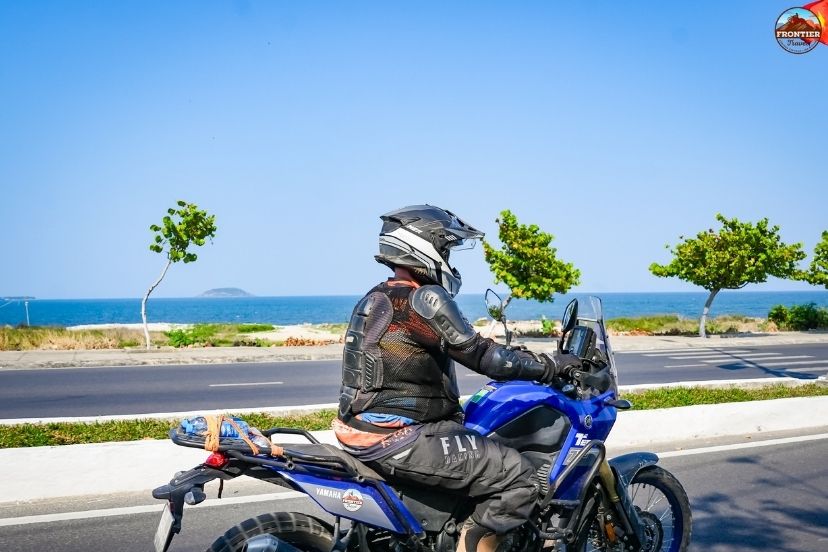
Good planning makes the ride smoother
5.1. Professional support: English-speaking guides and a dedicated support team
Support changes the emotional tone of the journey. A guided motorbike trip Vietnam becomes much less intimidating when English-speaking guides manage the route and a support team, whether mechanics or van assistance, can help when necessary. Riders then spend less energy thinking about problems and more energy enjoying the ride.
5.2. Capturing the adventure: Included GoPro and drone footage for every rider
Some of the best moments on a motorbike trip happen too quickly to capture properly while riding. That is why included GoPro and drone footage can become a real part of the experience rather than just a luxury extra. Good visual documentation helps preserve the scale, atmosphere, and emotion of the route long after the ride ends.
5.3. All-inclusive package: “What is included in the tour?”
An all-inclusive motorbike trip Vietnam package should be judged by value, not only by headline price. Important inclusions often cover fuel, meals, entrance fees, airport pick-up, transfers, accommodation, guide support, and sometimes footage or backup assistance. These details matter because they shape how smooth the trip really feels.
6. Detailed FAQs: Important notes before you book
Before committing, most riders want a few direct answers. That is normal. A motorbike trip Vietnam often sounds exciting immediately, but confidence usually comes from clear explanations about skill level, terrain, privacy, and food quality.
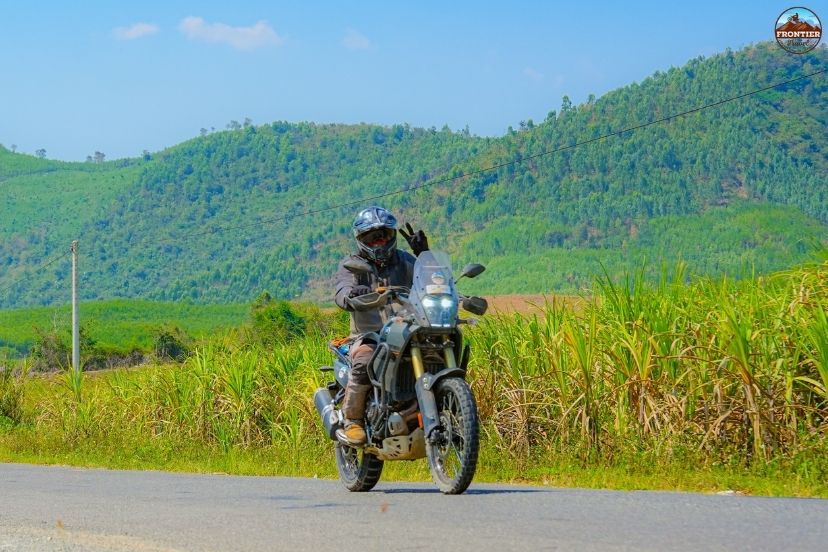
The right bike and gear improve every mile
6.1. Is this motorcycle trip Vietnam suitable for beginners?
It can be, depending on the route. Many iconic rides include technical sections, but beginner-friendly options also exist and can focus more on scenic, paved backroads than off-road challenges. A motorbike trip Vietnam does not have to be extreme to feel adventurous. It simply has to be matched correctly.
6.2. How much off-road vs on-road riding should I expect?
The answer depends entirely on the itinerary. Some versions of a motorbike trip Vietnam are around 90 percent scenic tarmac, while more demanding packages can include 50 to 60 percent off-road trail riding. That is a huge difference, and it should always be explained clearly before booking.
6.3. What are the accommodations like and are they private?
Accommodation on a motorbike trip Vietnam usually works best as a mix of high-quality clean hotels and selected local homestays. Hotels bring modern comfort, while homestays offer meaningful cultural contact and a stronger sense of place. Both have value, and the best routes often combine them well. Private rooms can often be arranged for almost every night when requested.
6.4. Is the food safe and of good quality during the trip?
Yes, when the trip is organized properly. A strong motorbike trip should include fresh, local food prepared daily using regional ingredients at trusted restaurants or by reliable hosts. The goal is to enjoy authentic Vietnamese cuisine without worrying about hygiene standards.
Conclusion
Motorbike trip Vietnam is one of those rare travel experiences that feels larger than its route map. It is scenic, personal, challenging, and deeply human all at once. Whether you choose stone mountains in the north, coast roads in the center, red-dirt highlands, or quiet river paths in the south, the key is to match the route to your real experience and travel style. With Frontier, that choice becomes easier through thoughtful planning, local support, and a better fit between rider and road.