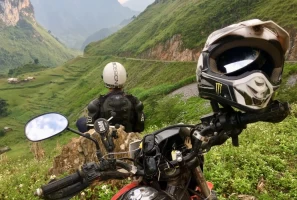
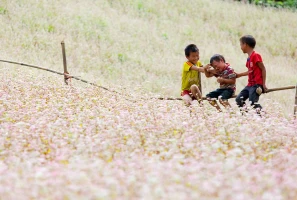
Motorbike touring in Vietnam is a journey of freedom, skill, and emotion. For big bike riders, every curve, mountain pass, and change in weather directly affects the experience. With diverse terrain but increasingly unpredictable climate, choosing the best time motorbike Vietnam and identifying the right big bike season Vietnam are essential for safe riding, stable road conditions, and clear visibility.

Why Timing Defines the Motorbike Touring Experience
From the rider’s perspective, Vietnam unfolds in layers: rugged northern mountains, dramatic coastal passes in the central region, and wide-open highlands in the south. However, this diversity also brings weather challenges:
- Northern Vietnam: cold winters and dense fog
- Central Vietnam: typhoons and floods toward the end of the year
- Southern Vietnam: long rainy seasons with sudden downpours
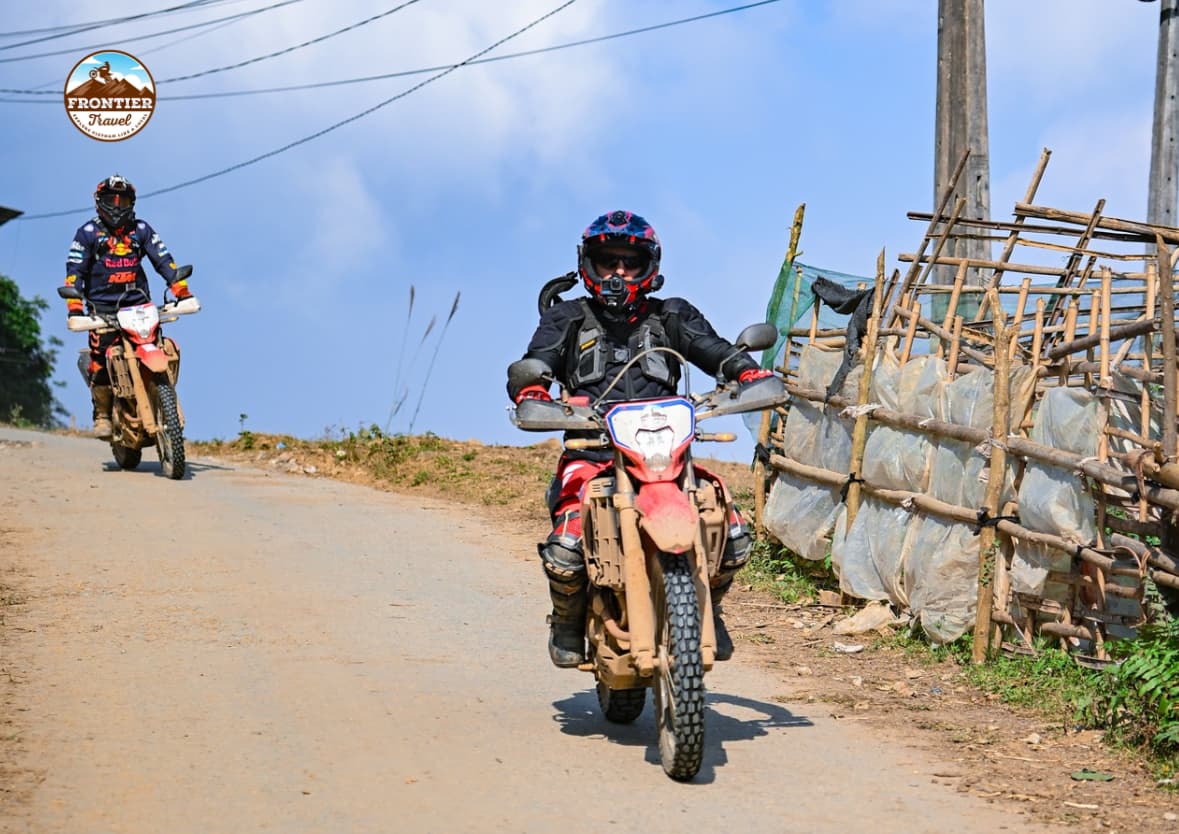
Motorbikes cruising through the golden rice fields of Mu Cang Chai in October, the most beautiful season for backpacking in Northern Vietnam.
While smaller bikes can adapt more easily, big bikes, touring motorcycles, and ADV machines demand stricter conditions:
- Dry and predictable road surfaces
- Comfortable temperatures
- Clear visibility
- Minimal natural disaster risk
Choosing the right travel season Vietnam enhances not only visual enjoyment but also safety and overall cost efficiency.
Vietnam Travel Seasons by Region
Northern Vietnam – Challenging Terrain, Ultimate Reward
Northern Vietnam—especially the Northeast and Northwest—is a paradise for adventure riders. Destinations like Ha Giang, Sapa, Y Ty, and Mu Cang Chai offer some of the most dramatic riding in the country. Yet, this region is also the most weather-sensitive.
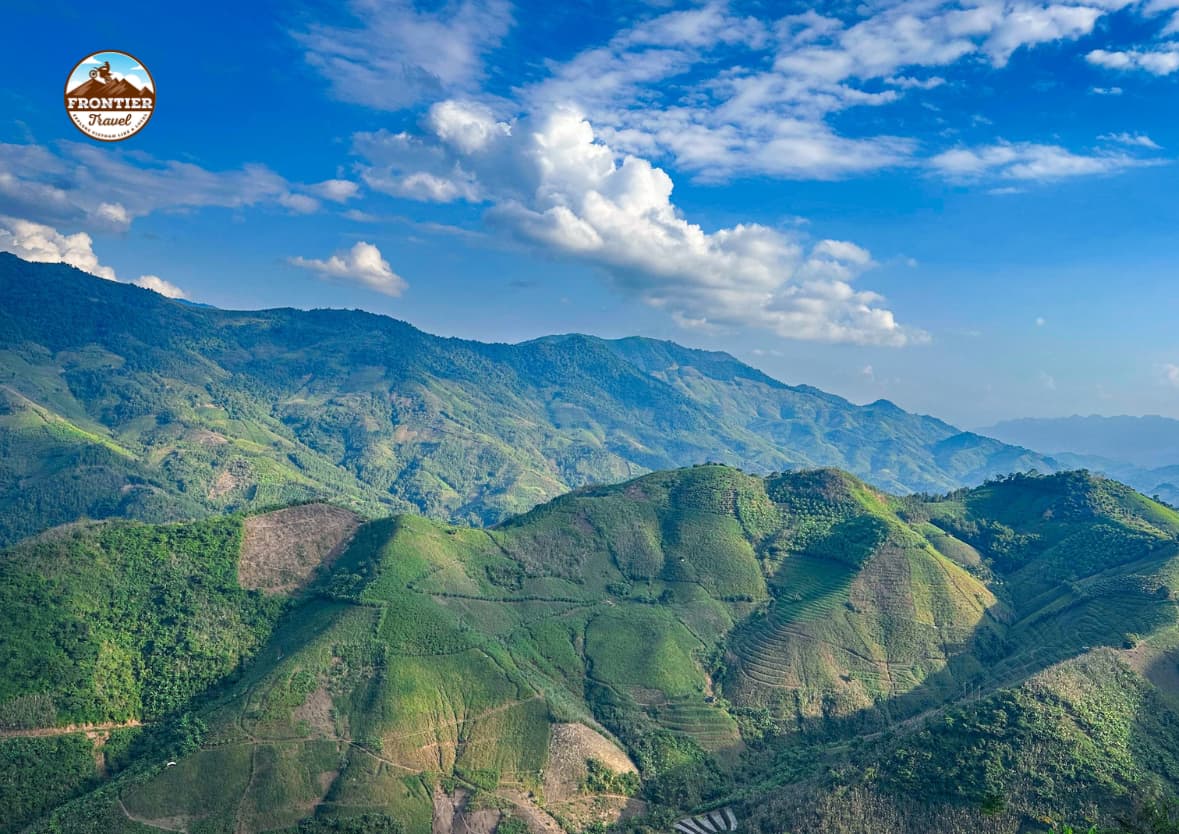
The majestic nature engulfs the small path, creating a breathtaking landscape in the vast wilderness.
Best time to ride:
September – November Dry autumn weather, cool temperatures, and golden rice terraces. Ideal for conquering high mountain passes with stable roads and long visibility.
March – May Spring warmth, minimal rain, and blooming landscapes. Comfortable riding conditions for both touring and adventure setups.
Avoid:
June – August Peak rainy season. Landslides, mud, and slippery mountain roads pose serious risks for heavy motorcycles.
December – February Cold temperatures and thick fog reduce visibility, making downhill riding dangerous—especially for those unfamiliar with the terrain.
Central Vietnam – Stunning Coastlines with Seasonal Limits
Central Vietnam is home to some of the most scenic coastal roads in the country, including Hai Van Pass and routes stretching toward Nha Trang. However, seasonal contrast is sharp.
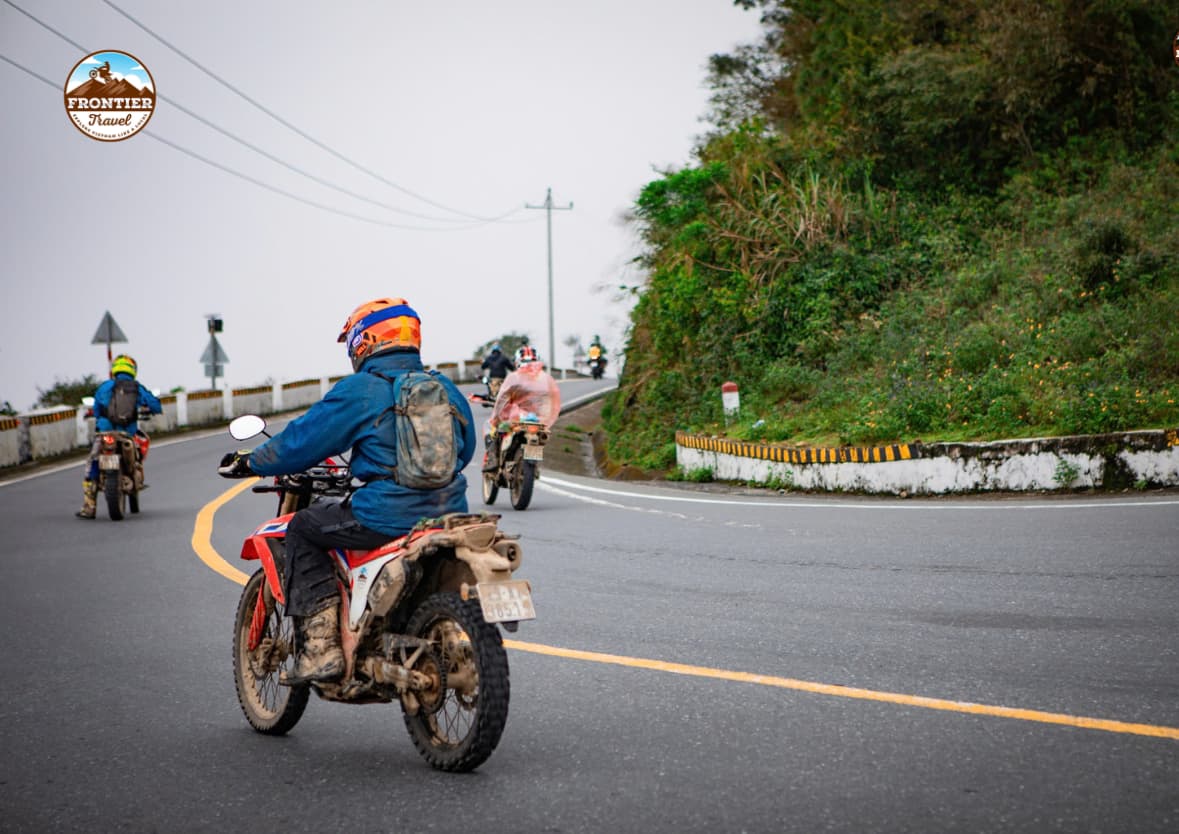
The biker's smooth cornering technique on a sport-touring motorcycle on the coastal mountain pass.
Best time to ride:
February – August Dry, sunny weather with clear seas and excellent coastal road conditions. This is the golden season for long-distance big bike touring combined with beach stops.
Avoid:
September – December Storm and flood season. Heavy rain, strong winds, and waterlogged roads significantly increase riding risks.
Southern Vietnam – Stable Climate with Clear Boundaries
Southern Vietnam, including the Central Highlands and the Mekong Delta, is generally considered the most climate-stable region.
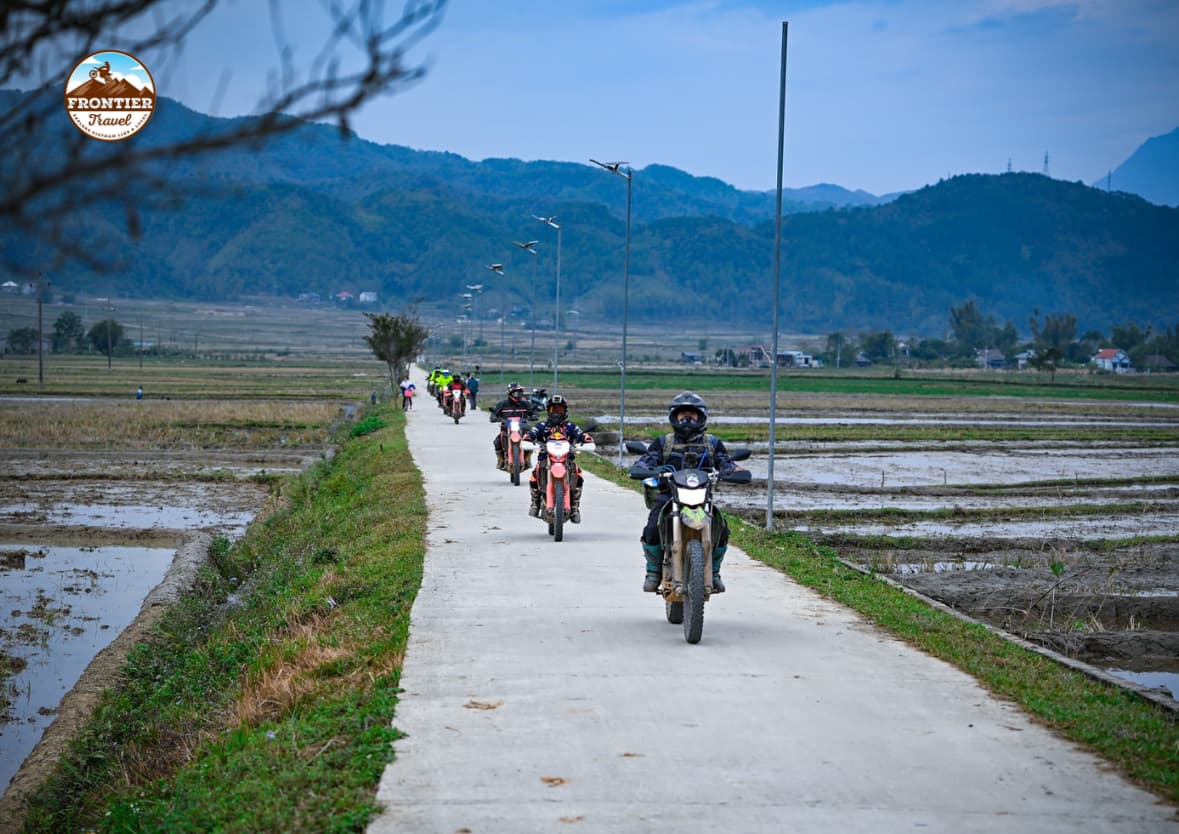
Enjoy the feeling of freedom as you ride a motorbike, conquering the hairpin bends amidst the clouds of Northwest Vietnam.
Best time to ride:
November – April Dry season with consistent sunshine and good road quality. Ideal for multi-day rides and cross-regional journeys.
Avoid:
May – October Rainy season. Showers are often short but frequent, leading to slippery roads and reduced visibility on long rides.
Big Bike Riding Conditions: More Than Just Weather
Top Priority: Dry Roads
Big bikes are heavy and powerful, requiring strong tire grip. Dry-season riding is always the safest choice.
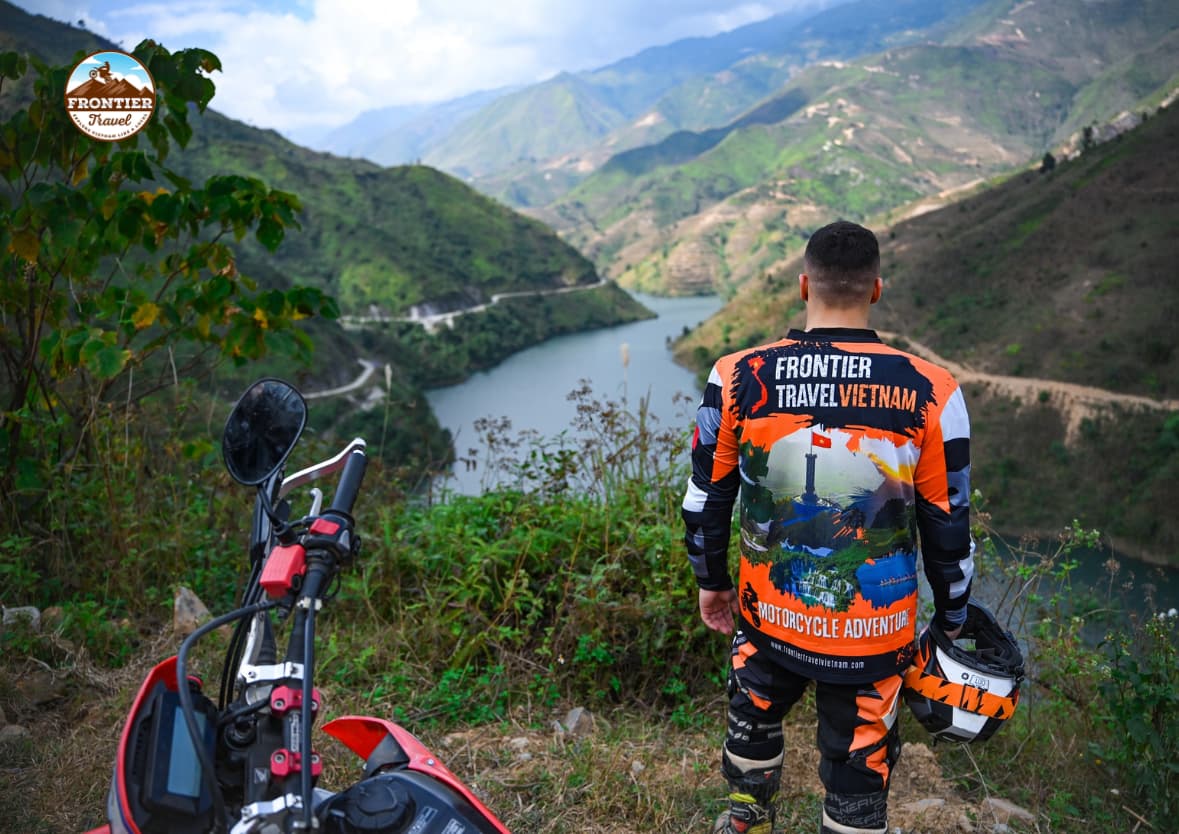
A moment of quiet rest for free spirits beside a dusty vehicle after a long journey.
Rainy Season Challenges
- Mud and debris on mountain passes
- Sudden landslides
- Reduced visibility due to rain and mist
Winter Riding Challenges (Northern Vietnam)
- Professional thermal riding gear
- Anti-fog helmet visors
- Advanced downhill riding skills in low visibility
Technical conclusion: The most balanced big bike season Vietnam typically falls between December and March, especially for riders planning a north–south journey.
Suggested Routes & Professional Support
Recommended Routes
South Central Coast (Nha Trang – Binh Thuan) Smooth roads, open views, and consistent pacing—perfect for stable touring speeds.
Central Highlands (Dry Season) Wide landscapes, fewer heavy trucks, and diverse terrain create an ideal big bike playground.
Choosing the Right Partner
For long-distance or group big bike tours, working with a professional operator who understands terrain and seasonal timing is a major advantage. Frontier Travel Vietnam specializes in motorcycle tours and provides season-based route planning tailored to different bike types—from dirt bikes to large ADV and touring motorcycles.
Final Thoughts: The Golden Riding Window for Big Bike Enthusiasts
If you had to choose one optimal period for motorbike touring in Vietnam—especially on big bikes—December to March offers the best balance of weather stability, safety, and overall experience.
No matter the season, thorough preparation, proper bike checks, and smart timing will always matter more than speed or distance.
Plan your once-in-a-lifetime Vietnam motorbike journey today.