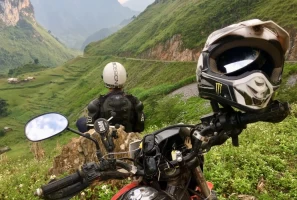
Packing for a tropical ride often leaves travelers confused about motorbike safety gear Vietnam what is required to balance legal compliance with real-world survival on the road. To help you pack efficiently based on thousands of kilometers of actual highway experience, Frontier Travel Vietnam has put together the definitive gear checklist for your upcoming tour.
1. What is the legal minimum for riding gear?
Operating a motorized two-wheeled vehicle within national borders requires strict adherence to specific personal protective regulations to avoid immediate roadside citations. Many global adventurers mistakenly assume that local traffic authorities overlook documentation or protective equipment omissions committed by international tourists.
1.1. Understanding basic helmet laws enforced by police
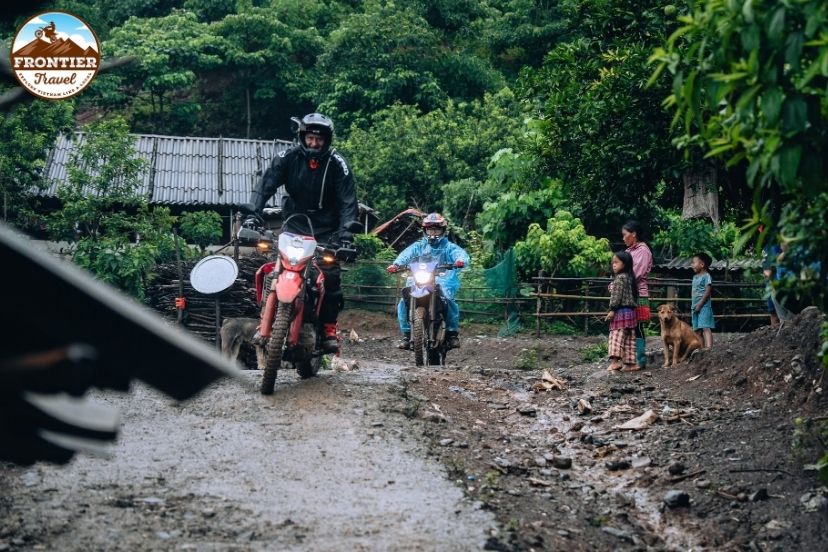
National transportation decree number 100 mandates that every operator and pillion passenger on a motorcycle must wear a properly fastened crash helmet. For travelers asking about motorbike safety gear Vietnam what is required, a secured helmet is the first legal rule to understand.
Local traffic safety agents monitor busy urban intersections and rural highway bottlenecks to verify that chin straps are actively secured. Failing to wear an approved head protection unit results in an immediate monetary fine and potential temporary vehicle seizure. Ensuring your head protection piece remains securely latched remains an absolute non-negotiable requirement from the moment you start your engine.
1.2. Why standard brain buckets fail on open highways
The cheap plastic shell pieces sold at local open-air markets provide zero structural impact protection during a high-speed highway collision. These flimsy novelty items regularly shatter into sharp, dangerous fragments upon experiencing a minor impact against hard concrete surfaces.
Serious adventure enthusiasts should exclusively look for head protection units that carry recognized international safety certifications like ECE 22.06 or DOT indicators. Upgrading to a robust three-quarter or full-face configuration guarantees substantial protection for your jawline and temporal bone regions.
1.3. Realizing why proper footwear saves your ankles
Riding public transit pathways while wearing open-toe sandals or soft canvas sneakers exposes your lower extremities to severe crush injuries. Your feet remain constantly active while managing manual gear shifters and rear hydraulic brake levers over rough mountain terrains.
If a stationary tip-over incident occurs on loose shale, an unarmored ankle can easily be pinned beneath a one hundred and fifty kilogram machine chassis. Wearing sturdy, high-top leather boots prevents complex orthopedic fractures while providing stable traction when planting your feet on slippery river gravel tracks. This is why footwear should always be included when checking motorbike safety gear Vietnam what is required before departure.
2. Motorbike safety gear Vietnam what is required for torso safety
Protecting your vital internal organs and shoulder structures requires a specialized approach that addresses intense tropical humidity alongside impact absorption needs. Selecting the proper upper body garment ensures your torso remains cool, dry, and fully protected against sudden roadway hazards.
2.1. Choosing mesh riding jackets to combat humidity
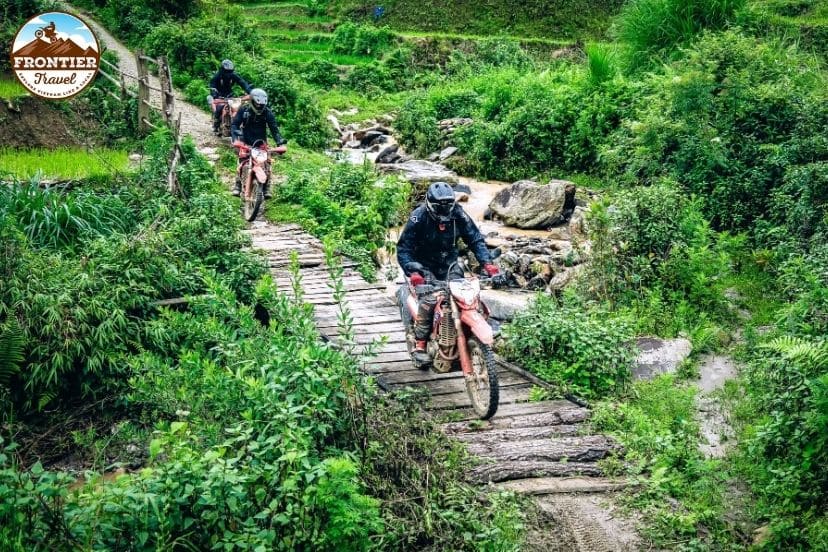
High-performance textile jackets featuring open-weave mesh panels across the chest and underarms provide continuous cooling ventilation during hot lowland transits. These advanced garments utilize high-denier ballistic nylon strands along high-impact zones like the elbows and shoulders to prevent tearing during slides.
This specific material layout maintains constant airflow to regulate your core body temperature while providing an incredibly tough layer against abrasion. Investing in a dedicated tropical riding jacket eliminates the temptation to ride unprotected during hot afternoon hours.
2.2. Torso armor in motorbike safety gear Vietnam what is required
A premium adventure jacket must come equipped with removable, impact-absorbing armor inserts that meet or exceed European CE level 1 standards. These specialized polymer pads remain relatively flexible during normal movements but stiffen instantly into a solid protective shield upon experiencing sudden mechanical force.
Placing these protective units directly over your major joint configurations prevents painful dislocations and severe bone bruising during low-speed single-vehicle spills. Verifying that your jacket holds these certified armor inserts is an essential step when determining motorbike safety gear Vietnam what is required for torso safety.
2.3. How lightweight windbreakers serve as a base layer
Ascending into high-altitude mountain passes like the Ma Pi Leng corridor triggers a rapid drop in ambient temperature levels within very short distances. Carrying an ultra-thin, windproof nylon shell jacket allows you to adapt to these sudden climate shifts by layering it directly underneath your main mesh armor.
This technical layering strategy creates an effective thermal barrier that blocks chilly mountain crosswinds without adding unnecessary bulk to your luggage setup. Keeping a compact windbreaker easily accessible ensures you preserve your physical comfort and muscle responsiveness as the altitude increases.
3. Lower body defense against road rash and burns
The lower extremities suffer the highest statistical frequency of injuries during minor motorcycle stability losses on loose rural surfaces. Prioritizing robust leg coverage allows you to navigate challenging, unpaved terrain variations with total confidence and peace of mind.
3.1. Why heavy denim fails when sliding on sharp gravel
Standard consumer denim jeans feature thin cotton fibers that offer virtually no protection against high-speed friction forces on public highways. When evaluating motorbike safety gear Vietnam what is required, riders should understand that regular denim fabric wears through completely in less than half a second when dragged across standard coarse concrete roadbeds.
This rapid material failure results in deep, painful road rash injuries that require extensive medical scrubbing and sterile dressing changes at local clinics. Relying on basic casual clothing options represents an unacceptable safety gamble that can permanently disrupt your holiday travel schedule.
3.2. Selecting comfortable riding pants with knee pads
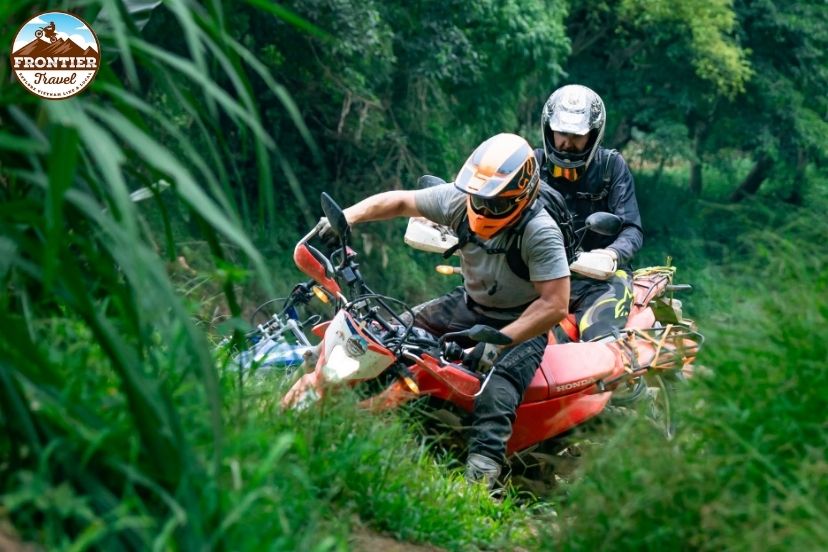
Dedicated motorcycle touring trousers utilize reinforced aramid or Kevlar lining patches stitched directly into the seat and knee impact zones, giving riders better protection during Off-Road Thrills on rough mountain terrain. These advanced technical pants feature adjustable pocket sections designed to hold ergonomic CE-rated knee protectors firmly in place while you ride.
This mechanical setup ensures the armor plates do not shift away from your joints during an unexpected slide down a mountain pass. Choosing highly breathable cargo style riding pants provides excellent utility while keeping your lower body safe from structural impacts.
3.3. Surviving hot exhaust pipe burns with high boots
Exhaust expansion chambers on manual underbone motorcycles operate at extreme operating temperatures that regularly exceed two hundred degrees Celsius during long alpine climbs. Unintentional physical contact with these unshielded metal components during short rest stops causes deep, severe third-degree burns that scar easily.
Wearing tall, thick leather boots creates an impermeable thermal barrier that completely insulates your lower calves from these extreme operational heat sources. Ensuring your footwear choices address this common burning hazard is a vital aspect of verifying motorbike safety gear Vietnam what is required for lower body defense.
4. Small gear items that make a massive difference
A complete personal protective equipment configuration requires careful attention to detail, especially regarding small accessories that manage comfort and visibility over long hours. Integrating specialized accessories into your daily outfit ensures you preserve your energy reserves and tracking accuracy across complex highway systems.
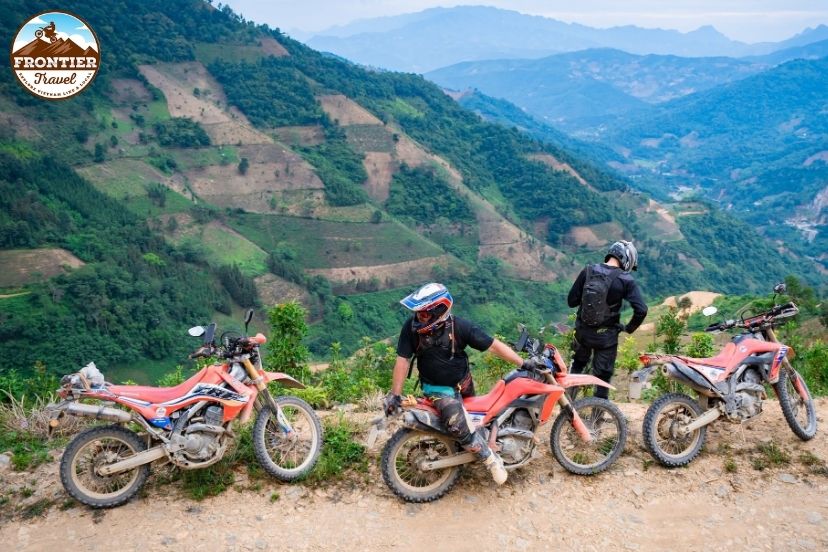
4.1. Protecting your hands with breathable armored gloves
Operating a motorcycle for several consecutive hours creates significant friction along your palms, leading to painful blisters if you ride without gloves. A proper pair of tropical riding gloves must feature ventilated mesh backings combined with reinforced leather palms and hard carbon-fiber knuckle guards.
If an unexpected slide occurs, your natural human instinct is to extend your hands forward to break your fall against the ground. Wearing armored gloves ensures your hands remain fully protected against deep lacerations while preserving your ability to operate the handle controls.
When reviewing motorbike safety gear Vietnam what is required, gloves should never be treated as optional comfort accessories. They protect your fingers from sharp gravel, hot engine parts, sudden rain chill, and long-term vibration fatigue during demanding mountain routes.
4.2. Why polarized sunglasses or clear visors are vital
High-velocity road dust, small flying insects, and loose gravel kicked up by large commercial trucks present constant hazards to your eyes on open highways. Utilizing a scratch-resistant, optically clear helmet visor blocks these airborne particles effectively, preventing sudden, dangerous instances of temporary blindness while driving.
Additionally, integrating a pair of polarized sunglasses inside your head protection unit cuts down intense tropical road glare during bright afternoon transits. Maintaining clear, unobstructed vision allows you to spot deep potholes and changing traction surfaces early.
4.3. Utilizing lightweight neck gaiters to block dust
When researching motorbike safety gear Vietnam what is required for respiratory health, a breathable microfiber neck gaiter emerges as an essential daily item. Unpaved rural tracks and construction sectors along major mountain loops generate large clouds of fine silica dust and diesel exhaust particles.
Wearing a soft neck gaiter pulled up over your nose and mouth filters out these airborne irritants, protecting your lungs during long transits. This simple accessory also prevents painful sunburns on your neck area during long exposure to high-altitude sunlight.
Choose a neck gaiter made from quick-drying fabric so it does not stay wet with sweat during humid lowland rides. Carrying a spare clean gaiter in your luggage is also smart, especially on multi-day routes where dust, rain, and engine fumes can quickly reduce comfort and hygiene.
5. FAQ on motorbike safety gear Vietnam what is required to pack
Organizing an international motorcycle expedition naturally creates important questions regarding equipment sourcing, weather adaptability, and baggage management strategies. Knowledge remains your single best asset when organizing protective equipment configurations for remote border territories.
5.1. Can I easily rent high quality armor in Hanoi?
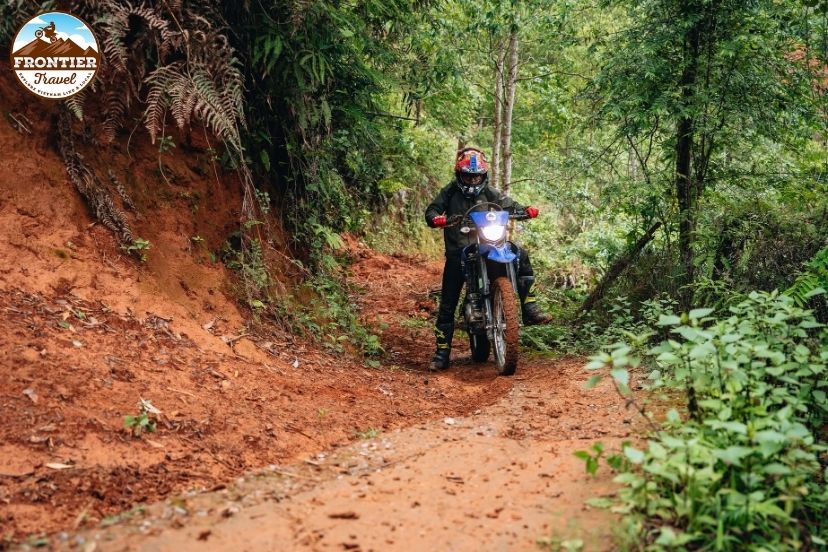
Yes, reputable adventure touring agencies like Frontier Vietnam Travel maintain extensive inventories of international-standard protective gear available for rent at reasonable rates. Our central Hanoi garage supplies certified full-face helmets, armored mesh jackets, knee guards, and waterproof luggage bags from premium brands.
Renting your protective equipment locally eliminates the logistical hassle of hauling heavy, bulky protective gear items through international airport terminals. Our expert team ensures every rental item is thoroughly sanitized and carefully fitted to match your exact physical body dimensions before departure.
5.2. What is the best rain gear setup for monsoons?
The absolute best rain gear arrangement consists of a dedicated two-piece waterproof suit constructed from heavy-duty, high-visibility PVC or polyurethane-coated nylon. When assessing motorbike safety gear Vietnam what is required for wet weather, this setup offers far better control than loose roadside ponchos. Avoid cheap, thin plastic ponchos sold at roadside stalls, as they flap violently at highway speeds, blocking your vision and snagging on moving motorcycle parts.
A high-quality two-piece rain suit fits snugly over your existing armored jacket and trousers, keeping your inner clothing completely dry during intense tropical downpours. This configuration ensures you maintain excellent physical warmth and full control over your machine during sudden monsoonal storm fronts.
5.3. How do I pack heavy safety equipment in a backpack?
When planning your packing layout, you should avoid wearing a heavy backpack on your shoulders, as this causes rapid muscular fatigue and compromises your balance on sharp corners. Instead, place your heavy tools and extra safety gear items inside a fully waterproof dry bag secured firmly to the motorcycle's rear luggage rack using heavy-duty bungees.
Keeping the weight low and centered on the machine's chassis preserves optimal suspension performance and predictable handling characteristics across rough terrains. This smart loading strategy leaves your body free to move dynamically as you navigate complex mountain switchbacks.
Conclusion
Figuring out your motorbike safety gear Vietnam what is required setup is not just about avoiding local police fines; it is about ensuring you walk away from your adventure with only incredible memories. Do not risk your dream vacation with subpar equipment or guesswork. Contact Frontier Travel Vietnam today to access our premium fleet of adventure bikes and top-tier safety gear rentals designed to protect you across every square kilometer of your Vietnamese journey.