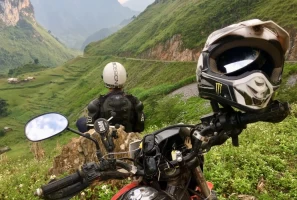
Motorbike riding boots Vietnam mountain terrain is an important topic for any rider planning to explore the country’s dramatic highlands, winding passes, remote villages, waterfalls, and off-road trails. In Vietnam, mountain riding is not only about beautiful views. Riders may face gravel, mud, rain, steep descents, wet corners, livestock, loose stones, and sudden weather changes.
The right riding boots can protect your ankles, improve grip, support your body on the footpegs, and make long riding days more comfortable. In this guide, Frontier Travel Vietnam explains how to choose the right boots for Vietnam’s mountain terrain and what riders should expect on the road.
1. Why Motorbike Riding Boots Vietnam Mountain Terrain Matters
Vietnam’s mountain routes are among the most scenic motorbike experiences in Asia, with limestone valleys, terraced fields, waterfalls, remote villages, and high mountain passes. However, beauty does not remove risk, especially when riders face sudden braking, gravel corners, steep slopes, or wet viewpoints. That is why motorbike riding boots Vietnam mountain terrain planning should come before the first riding day.
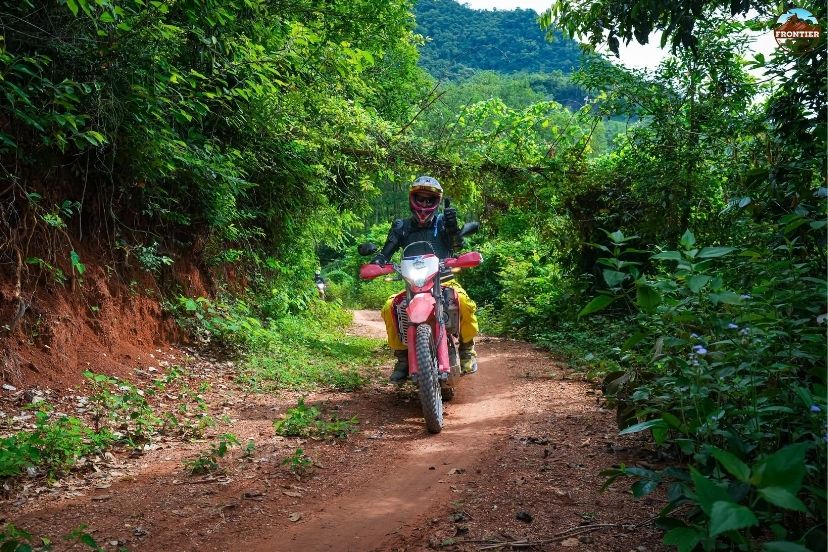
Motorbike riding boots Vietnam mountain terrain help protect riders on steep highland roads
Good riding boots protect the foot, ankle, shin, heel, and lower leg while helping riders control the motorcycle. They also support standing on footpegs, slow-speed balance, braking pressure, and safe walking on uneven ground. This guide explains boot features, boot types, terrain challenges, route choices, comfort tips, and preparation advice for Vietnam mountain tours.
2. What Makes Vietnam Mountain Terrain Hard on Your Feet?
Vietnam’s mountain terrain is challenging because the road surface rarely stays the same for long. Riders may move from smooth asphalt to broken concrete, gravel, mud, wet stone, and steep village paths in a short distance. In this section, motorbike riding boots Vietnam mountain terrain is explained through the real conditions that affect your feet and lower legs.
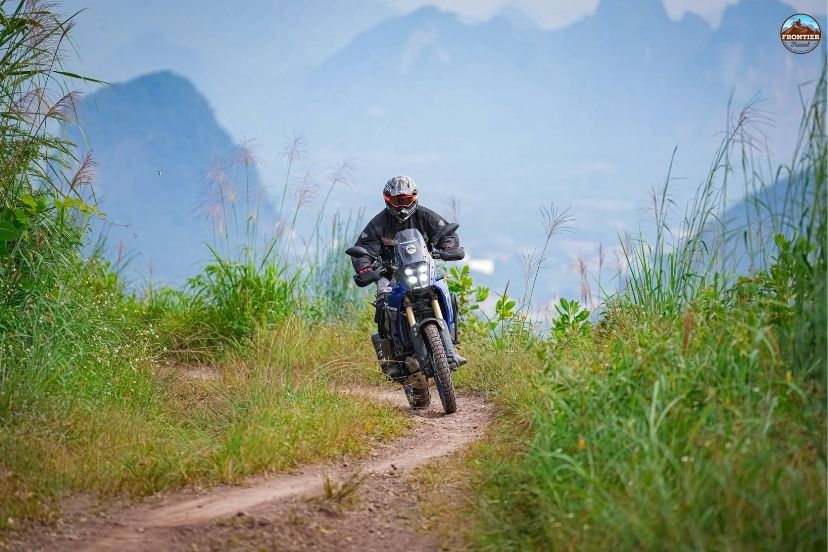
Gravel, mud, rain, and steep stops make strong riding boots essential
2.1. Steep Passes and Long Descents
Mountain routes such as Ma Pi Leng Pass, O Quy Ho Pass, and Khau Pha Pass require controlled braking and stable foot placement. Long descents can make riders shift body weight, manage pressure on the footpegs, and prepare for sudden corners. A supportive boot helps riders stay more stable when the road drops sharply or bends without clear visibility.
2.2. Gravel, Broken Roads, and Loose Stones
Loose stones and broken roads can cause riders to put a foot down suddenly. If the boot is weak, the ankle may twist or the foot may be hit by stones, bike weight, or hard ground. Strong adventure or off-road boots reduce the risk of impact and give riders more confidence during slow-speed mistakes.
2.3. Rain, Mud, and Slippery Stops
Rainy-season conditions can make homestay entrances, fuel stations, viewpoints, and waterfall paths slippery. Riders often walk on mud, wet concrete, loose gravel, or uneven village tracks after parking the bike. For motorbike riding boots Vietnam mountain terrain, outsole grip is important because many accidents happen when the bike is stopped or moving slowly.
2.4. Cold Mornings and Wet Mountain Weather
Northern Vietnam can feel surprisingly cold at higher elevations, especially around Ha Giang, Sapa, Hoang Su Phi, and winter cloud zones. Wet socks and cold feet can reduce comfort and concentration during long riding days. Waterproof or water-resistant boots with proper socks can make mountain rides safer and more enjoyable.
3. Key Features of Good Motorbike Riding Boots for Vietnam
The best riding boots for Vietnam should balance protection, comfort, grip, and weather resistance. A smart motorbike riding boots Vietnam mountain terrain choice starts with features, not brand names.
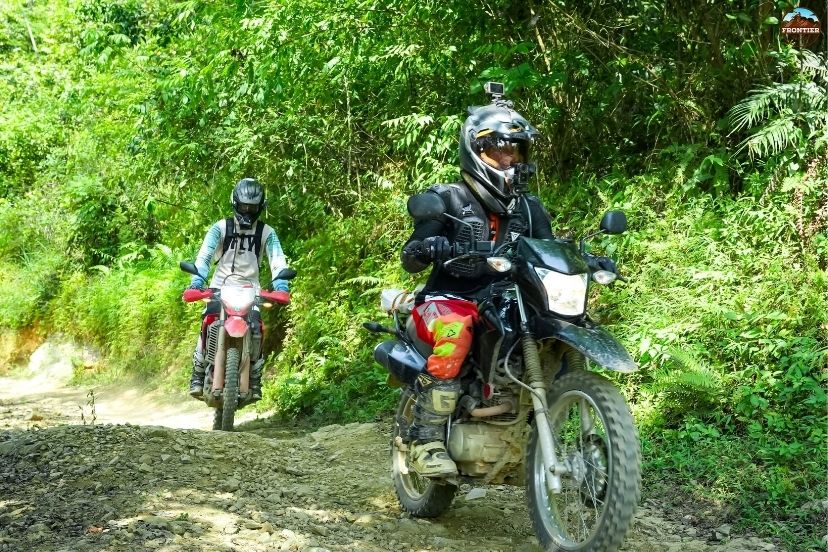
Ankle support, stiff soles, and reinforced toes improve mountain riding safety
3.1. motorbike riding boots Vietnam mountain terrain: Ankle Protection and Support
Ankle support is one of the most important features because riders may twist their foot when stopping, dropping the bike, or stepping on uneven ground. A proper motorcycle boot should feel supportive around the ankle without completely blocking natural control. This matters on mountain roads where balance changes quickly.
3.2. Stiff Sole for Footpeg Control
A stronger sole reduces foot fatigue and improves control when standing on the pegs. This is helpful on gravel, potholes, muddy roads, and rough mountain sections where the rider’s weight shifts often. Soft casual shoes may feel comfortable at first, but they do not give the same support over long days.
3.3. Shin, Toe, and Heel Reinforcement
Reinforced toes, heel cups, and shin panels help protect against stones, footpeg pressure, bike impact, and accidental contact with the ground. These areas are exposed during low-speed falls, rocky stops, and rough trail sections. Even if the ride is not extreme, Vietnam’s mountain roads can still punish weak footwear.
4. Best Boot Types for Motorbike Riding Boots Vietnam Mountain Terrain
Different tours need different boots because not every Vietnam route is equally technical. A paved coastal ride does not require the same boot as a muddy northern trail, and a passenger may need different priorities from an off-road rider. This motorbike riding boots Vietnam mountain terrain section compares the main boot types for real travel conditions.
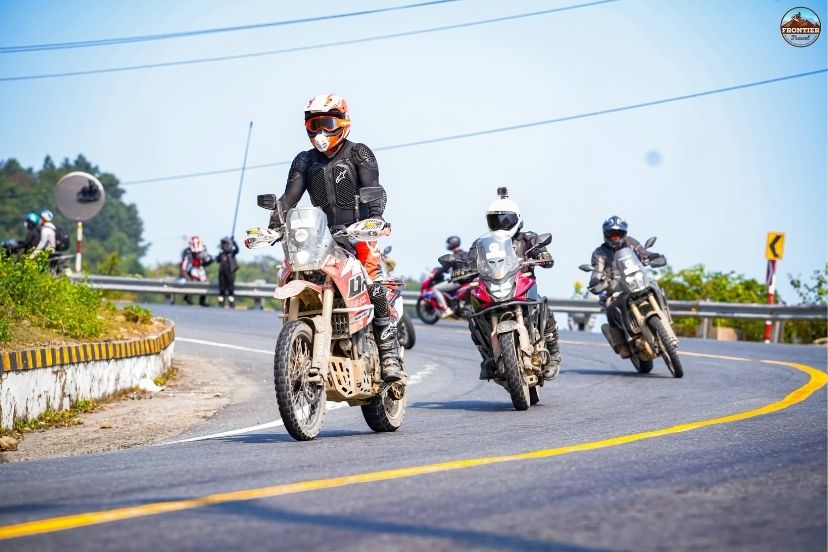
Adventure and off-road boots suit different Vietnam mountain riding styles
4.1. Adventure Touring Boots
Adventure touring boots are often the best all-round choice for Vietnam because they balance protection, waterproofing, comfort, and walkability. They usually protect the ankle and shin better than short shoes while remaining easier to walk in than full enduro boots. For most guided mountain tours, this is the safest and most practical category.
4.2. Enduro or Off-Road Boots
Enduro and off-road boots are best for technical trails, muddy tracks, rocky climbs, river crossings, and serious off-road sections. They offer strong shin, ankle, toe, and lower-leg protection, but they can feel stiff and heavy when walking. Experienced riders who plan real off-road riding should consider this level of protection.
4.3. Short Riding Shoes
Short riding shoes are comfortable in towns and easier to pack, but they are not ideal for mountain terrain. Their ankle and shin protection is limited, which becomes a problem on gravel, mud, steep stops, and rough village roads. For motorbike riding boots Vietnam mountain terrain, short shoes should only be used on easy routes, not serious highland touring.
5. Top Routes Where Motorbike Riding Boots Vietnam Mountain Terrain Matters
Some Vietnam routes make proper boots far more important than others. The more remote, wet, steep, rocky, or mountainous the route becomes, the more your footwear matters. This motorbike riding boots Vietnam mountain terrain route guide shows where protective boots make a real difference.
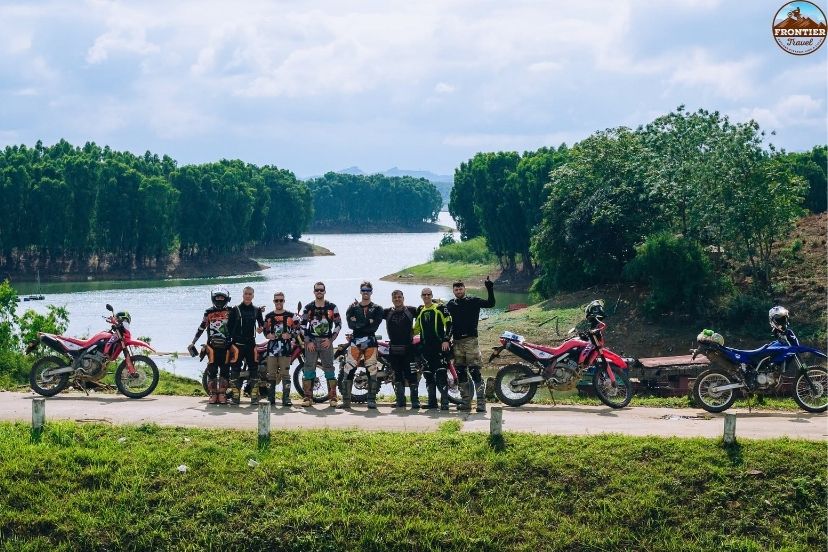
Ha Giang, Cao Bang, and Sapa demand better grip and foot protection
5.1. Ha Giang Loop: Ma Pi Leng, Dong Van, Meo Vac, and Du Gia
Ha Giang has steep passes, narrow roads, gravel sections, wet corners, viewpoint stops, and sudden weather changes. Riders may also walk around markets, river viewpoints, homestays, and uneven village paths. Protective boots are highly recommended because Ha Giang combines beauty with real mountain riding demands.
5.2. Cao Bang and Ban Gioc Waterfall
Cao Bang is a beautiful but remote region with limestone valleys, rural roads, waterfall stops, caves, and village paths. The ride can include smooth sections as well as rougher rural roads that require careful foot placement. Boots with grip and ankle support help riders stay comfortable when exploring beyond the main road.
5.3. Sapa and O Quy Ho Pass
Sapa and O Quy Ho Pass can bring cold air, fog, high elevation, wet mountain roads, and dramatic pass riding. Waterproof boots and warm socks are useful, especially in winter or after rain. Riders should prepare for both riding comfort and walking around viewpoints, villages, and accommodation areas.
5.4. Mu Cang Chai and Khau Pha Pass
Mu Cang Chai and Khau Pha Pass are famous for rice terraces, winding mountain roads, and photography stops. During harvest season or rainy weather, the ground near fields and viewpoints can be muddy and uneven. For motorbike riding boots Vietnam mountain terrain, this route shows why walkability and protection should work together.
5.5. Ho Chi Minh Road and Central Highlands
The Ho Chi Minh Road and Central Highlands involve long riding days, forest roads, highland rain, red dirt, coffee regions, and mixed terrain. Riders may spend many hours on the bike, so boot comfort matters as much as protection. A supportive waterproof touring or adventure boot is usually a strong choice here.
6. Choosing Boots by Riding Style and Experience Level
The right boots depend on how you ride, where you ride, and how much protection you need. Beginners may need comfort and confidence, while experienced off-road riders may need maximum support. A good motorbike riding boots Vietnam mountain terrain decision should match the rider, not only the route.
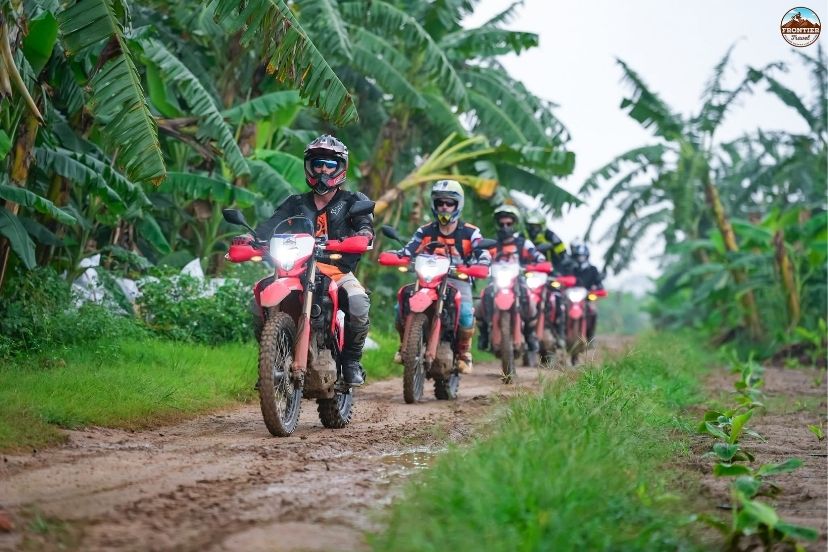
Beginners, off-road riders, and big bike travelers need different boot protection
6.1. Beginner Guided Tour Riders
Beginner guided tour riders should choose comfortable adventure boots or protective touring boots. The boots should be easy enough to walk in but still support the ankle and grip well on wet surfaces. A beginner does not need the stiffest enduro boot unless the route includes serious trails.
6.2. Experienced Off-Road Riders
Experienced off-road riders tour should consider stronger enduro-style boots if they expect standing on pegs, muddy trails, rocky climbs, and technical terrain. These boots may feel stiff, but they protect better when the ride becomes physical. For serious adventure routes, protection should come before casual walking comfort.
6.3. Big Bike Adventure Riders
Big bike riders need stronger boots because heavier motorcycles create more force during low-speed drops. A large adventure bike can trap or hit the foot more severely than a small dual-sport. In motorbike riding boots Vietnam mountain terrain planning, big bike riders should avoid weak footwear even on moderate routes.
7. Comfort, Packing, and Boot Care on Vietnam Motorbike Tours
Even the best boots can become uncomfortable if riders do not prepare properly. Breaking in boots, choosing socks, drying them overnight, and packing smartly all affect the tour experience. This motorbike riding boots Vietnam mountain terrain section focuses on small habits that protect comfort over many riding days.
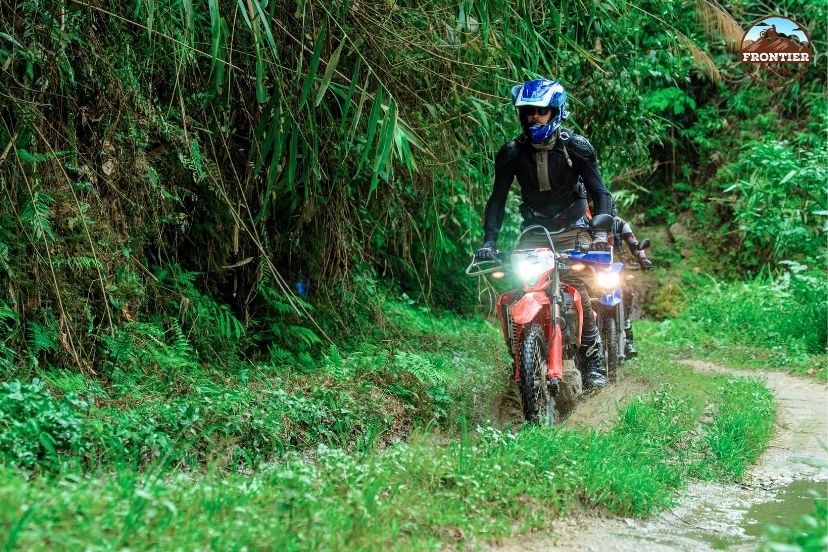
Broken-in boots and dry socks keep long riding days more comfortable
7.1. Break In Your Boots Before the Trip
Do not wear brand-new riding boots for the first time on a multi-day Vietnam tour. New boots can feel stiff, cause blisters, and reduce control when shifting, braking, or walking. Wear them before the trip until they feel natural on your feet.
7.2. Wear the Right Socks
Moisture-wicking socks help reduce sweat and friction during long riding days. Warm socks are useful in Ha Giang, Sapa, Hoang Su Phi, and other high mountain areas during cold periods. Always carry spare dry socks for rainy days because dry feet improve comfort and focus.
7.3. Pack Around Your Boots
Riding boots are bulky, so it is usually better to wear them during travel days instead of packing them inside a small bag. If you are flying into Vietnam, pack lighter casual shoes and reserve space carefully. For guided tours with Frontier Travel Vietnam, riders can ask what level of footwear is best for the planned route.
8. Motorbike Riding Boots Vietnam Mountain Terrain: FAQs and Conclusion
Riders often ask whether boots are truly necessary, especially if they already own hiking boots or strong sneakers. The answer depends on the route, but mountain terrain makes protection more important than convenience. These motorbike riding boots Vietnam mountain terrain FAQs help first-time riders make safer decisions.
.jpg)
Motorbike riding boots Vietnam mountain terrain give riders better control and confidence
8.1. Motorbike riding boots Vietnam mountain terrain: Do I really need riding boots?
Yes, riding boots are highly recommended because Vietnam’s mountain roads can include gravel, mud, rain, steep descents, tight corners, and uneven stops. They protect the foot and ankle better than sneakers or casual shoes. Even careful riders can face slippery stops or sudden low-speed mistakes.
8.2. Are hiking boots good enough for a Vietnam motorbike tour?
Hiking boots are better than sneakers, but they are not the same as motorcycle boots. Riding boots are designed for motorcycle risks such as ankle impact, abrasion, footpeg pressure, toe impact, heel protection, and bike drops. For motorbike riding boots Vietnam mountain terrain, hiking boots should be seen as a compromise, not the best option.
8.3. Should I choose waterproof or breathable boots?
Waterproof boots are useful for Northern Vietnam, rainy season, and long mountain tours. Breathability matters in hot regions, especially on coastal roads or lower elevations. The best choice depends on your route, season, riding pace, and how much rain exposure you expect.
8.4. What boots are best for Ha Giang Loop?
Adventure touring boots are usually the best balance for the Ha Giang Loop because they offer protection, comfort, grip, and walkability. Riders doing tougher trails may prefer enduro boots, while passengers should still wear sturdy protective footwear. For motorbike riding boots Vietnam mountain terrain, Ha Giang is one of the clearest examples of why boots matter.
8.5. Can I wear short riding shoes?
Short riding shoes may be acceptable for easy city or coastal rides, but they are not ideal for mountain terrain. They offer less ankle and shin protection, which matters on steep, rocky, muddy, or wet surfaces. If the route includes Ha Giang, Cao Bang, Sapa, or Mu Cang Chai, taller protective boots are smarter.
8.6. What should I wear with riding boots?
Wear long riding pants, proper socks, knee protection, gloves, a riding jacket, and a full-face helmet. Boots work best as part of a complete protective setup, not as one isolated item. Good gear helps riders enjoy Vietnam’s mountains with more confidence and peace of mind.
Conclusion
Motorbike riding boots Vietnam mountain terrain should be treated as essential gear for serious riders. The right boots protect your feet and ankles, improve grip, reduce fatigue, and help you feel more stable on steep, wet, rocky, or muddy roads. With careful preparation and guidance from Frontier Travel Vietnam, riders can enjoy Vietnam’s highlands with more confidence, control, and peace of mind.