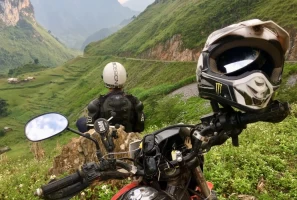
Motorbike daily check before riding Vietnam tour is the most crucial step to ensure a safe, smooth, and unforgettable adventure across the country's challenging terrains. Riding through unpredictable mountain passes requires a flawlessly maintained vehicle to avoid dangerous breakdown situations. If you are planning a thrilling road trip, look no further than Frontier Travel Vietnam, a premier agency specializing in professional motorcycle tours across Vietnam, to get the ultimate support and well-prepared fleets.
1. Essential Tires and Wheels Safety Protocols for Mountain Passes
Tires and wheels serve as the foundation of motorcycle safety because they directly affect grip, balance, and handling performance. Before moving on to other components, every rider should include these inspections in their daily motorbike daily check before riding Vietnam tour routine.
1.1. Inspecting Tire Pressure and Standard Specifications
Tires are the only components that maintain constant contact with the road surface, making their condition extremely important on Vietnam's steep mountain passes. For this reason, every motorbike daily check before riding Vietnam tour should begin with a careful tire pressure inspection.
Use a quality pressure gauge to measure both front and rear tires before the motorcycle has been ridden for the day. After obtaining the readings, compare them with the manufacturer's recommended specifications usually printed on the motorcycle frame or listed in the owner's manual.
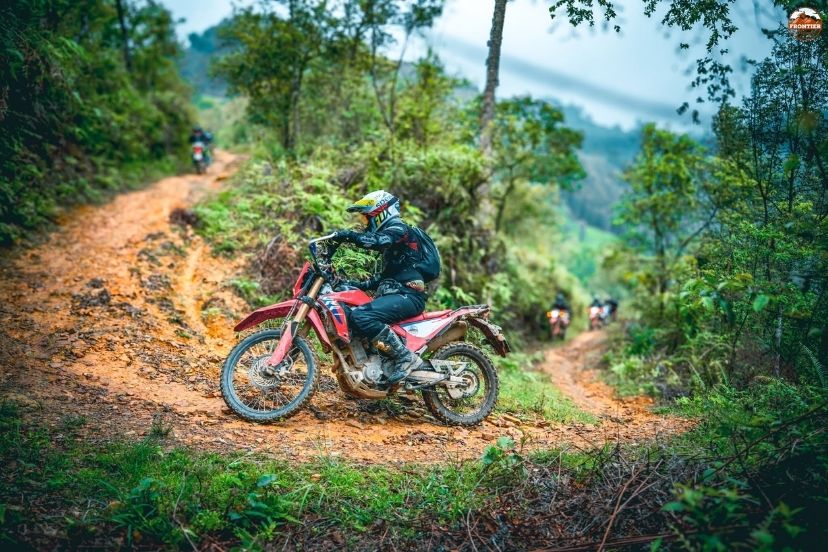
Proper tire pressure ensures safe motorbike daily check before riding Vietnam tour
1.2. Evaluating Tread Depth and Surface Damage
After confirming correct tire pressure, riders should evaluate the overall condition of the tire surface. This step helps detect wear issues that may compromise safety during long-distance travel.
Inspect the tread grooves carefully to ensure they still provide sufficient depth for proper traction on wet or muddy roads. At the same time, check for bald spots, cracks, cuts, or sidewall damage that could lead to tire failure during a demanding motorbike daily check before riding Vietnam tour journey.
1.3. Examining Spokes, Rims, and Foreign Objects
A complete wheel inspection extends beyond the tire itself and includes the surrounding structural components. Damage to rims or spokes can significantly affect stability when riding across rough terrain.
Visually examine the wheel rims for bends, dents, or deformations caused by previous impacts and ensure all spokes remain properly tensioned. Riders should also inspect the tire surface for embedded nails, sharp gravel, glass fragments, or other foreign objects that may create punctures later in the motorbike daily check before riding Vietnam tour route.
2. Critical Brake Systems and Fluid Level Inspection Techniques
Once the wheels have been thoroughly inspected, attention should shift toward the braking system. Reliable braking performance is a non-negotiable requirement for a successful motorbike daily check before riding Vietnam tour, especially on mountainous roads.
2.1. Monitoring Brake Fluid Levels and Leakages
Steep descents throughout Ha Giang and the Central Highlands place tremendous demands on motorcycle braking systems. Maintaining proper brake fluid levels is therefore a critical aspect of every motorbike daily check before riding Vietnam tour procedure.
Inspect both front and rear brake fluid reservoirs and ensure the fluid level remains between the MIN and MAX markings. Riders should also carefully check hoses, brake lines, and calipers for any signs of leakage that could reduce braking effectiveness during the journey.
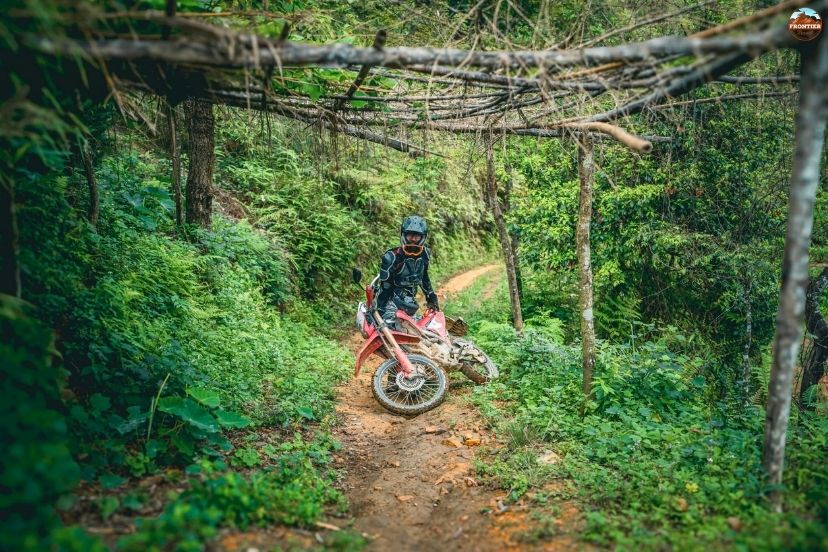
Check brake fluid regularly for safer mountain descents
2.2. Checking Brake Pad Thickness for Replacements
Brake pads gradually wear down over time and require regular monitoring to maintain safe stopping performance. Ignoring excessive wear can create serious risks on steep downhill sections.
Observe the brake pads directly and verify that sufficient friction material remains available for continued use. If the pads appear excessively thin or worn beyond recommended safety limits, immediate replacement should be arranged before continuing the motorbike daily check before riding Vietnam tour adventure.
2.3. Testing Lever and Pedal Travel Responsiveness
After inspecting brake fluid and pad condition, riders should evaluate how the brakes actually respond during operation. This simple test can reveal hidden issues that are not visible during a visual inspection.
Firmly squeeze the front brake lever and press the rear brake pedal while paying attention to resistance and feedback. A soft or spongy sensation often indicates air trapped within the brake lines, requiring prompt maintenance before proceeding with the motorbike daily check before riding Vietnam tour schedule.
3. Comprehensive Drive Chain and Driveline Maintenance Checklist
With braking performance verified, riders should continue by examining the drivetrain system responsible for transferring power to the rear wheel. A proper motorbike daily check before riding Vietnam tour would be incomplete without careful chain and sprocket maintenance.
3.1. Adjusting Chain Slack and Sag Measurements
The drive chain experiences constant stress during long-distance riding and must remain correctly adjusted to function efficiently. Excessive slack or tension can create jerky acceleration, drivetrain wear, or even chain failure in remote locations.
Measure the chain sag according to the motorcycle manufacturer's recommendations and compare the result with standard specifications. In most cases, acceptable chain movement falls between 2.5 and 3.5 centimeters, although exact values may vary depending on the model used for the motorbike daily check before riding Vietnam tour.
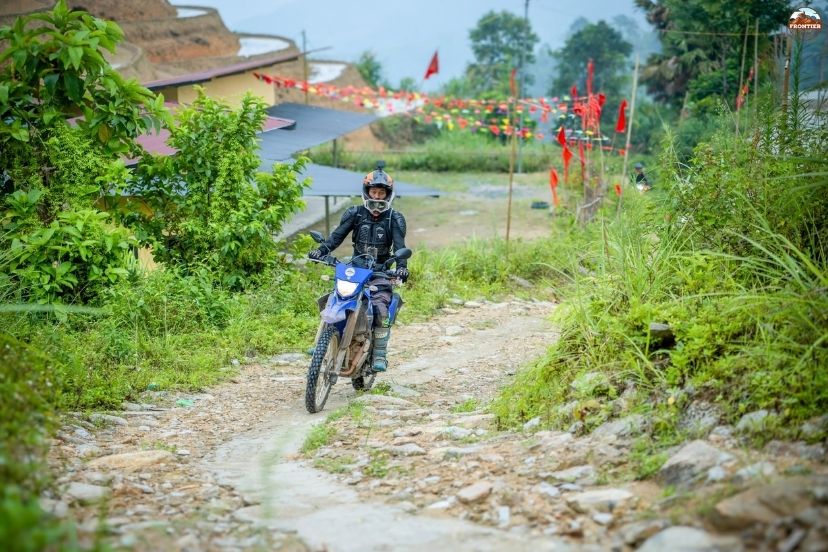
Proper chain tension improves performance and riding safety
3.2. Checking Sprocket Wear and Tooth Conditions
Healthy sprockets are essential for smooth power delivery and long-term chain durability. Because these components work together continuously, they should always be inspected as a complete system.
Carefully examine both front and rear sprocket teeth for signs of excessive wear, sharp edges, deformation, or breakage. Worn sprockets accelerate chain deterioration and reduce transmission efficiency, creating avoidable complications during a North Vietnam motorbike tour or any extended expedition.
3.3. Executing Proper Chain Cleaning and Lubrication
Dust, mud, and road grime accumulate quickly on Vietnam's diverse riding routes and can shorten chain lifespan significantly. Regular cleaning and lubrication help maintain smooth performance while minimizing unnecessary wear.
Clean the chain thoroughly using suitable products before applying a dedicated motorcycle chain lubricant evenly across the rollers. Riders undertaking a motorbike daily check before riding Vietnam tour should perform this task regularly throughout long journeys, particularly after riding through rain, mud, or dusty mountain roads.
4. Master Your Motorbike daily check before riding Vietnam tour Now
Beyond tires, brakes, and the drivetrain, the engine and fluid systems deserve equal attention before every departure. A complete motorbike daily check before riding Vietnam tour should always include inspections that protect the motorcycle’s most important mechanical components.
4.1. Checking Engine Oil Levels and Quality
Engine oil serves as the lifeblood of the motorcycle by lubricating moving parts, reducing friction, and helping regulate operating temperatures. For this reason, checking oil condition is one of the most important stages of a motorbike daily check before riding Vietnam tour.
Place the motorcycle on level ground and keep it fully upright before using the dipstick or sight glass to verify the oil level accurately. Riders should also examine the oil color and consistency, ensuring it remains within acceptable limits and is not excessively dark, burnt, or contaminated.
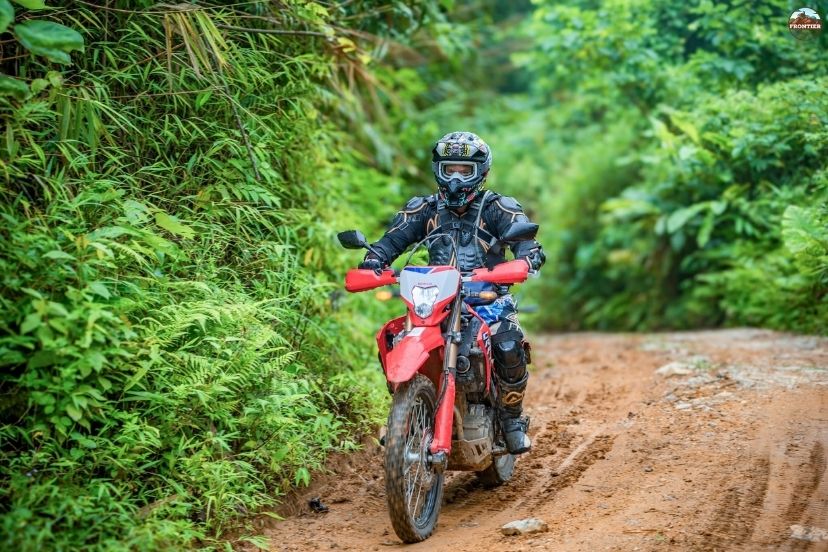
Clean engine oil ensures smooth operation during journeys
4.2. Monitoring Coolant Levels in Auxiliary Tanks
Motorcycles equipped with liquid-cooled engines rely on coolant to maintain stable operating temperatures during long riding days. This becomes especially important when tackling mountainous terrain or enduring prolonged periods of slow-moving traffic.
Inspect the auxiliary coolant reservoir and confirm that the fluid level remains between the minimum and maximum indicators. Maintaining proper coolant levels helps prevent overheating and ensures the motorcycle performs reliably throughout the motorbike daily check before riding Vietnam tour route.
4.3. Scanning for Fluid Leaks Underneath
Even small fluid leaks can develop into major mechanical problems if they remain undetected for several days. Identifying these issues early allows riders to arrange repairs before serious damage occurs.
Before starting the engine, look underneath the motorcycle and inspect the ground beneath the chassis for unusual stains or puddles. Fresh engine oil, coolant, or other fluids may indicate developing mechanical faults that should be addressed immediately during the motorbike daily check before riding Vietnam tour process.
5. Electrical Systems and Lighting Verification Steps for Safety
After confirming that all major mechanical systems are functioning correctly, riders should verify the electrical components responsible for visibility and communication. A reliable motorbike daily check before riding Vietnam tour includes ensuring every light and electrical accessory operates exactly as intended.
5.1. Testing Headlights and Rear Braking Lights
Good visibility is one of the most important safety factors when riding on Vietnam’s highways, mountain roads, and rural routes. Functional lighting allows riders to see obstacles clearly while remaining visible to surrounding traffic.
Test both low-beam and high-beam functions of the headlight to confirm consistent illumination under different riding conditions. Riders should also activate the front and rear brakes individually to ensure the brake light responds immediately during the motorbike daily check before riding Vietnam tour inspection.
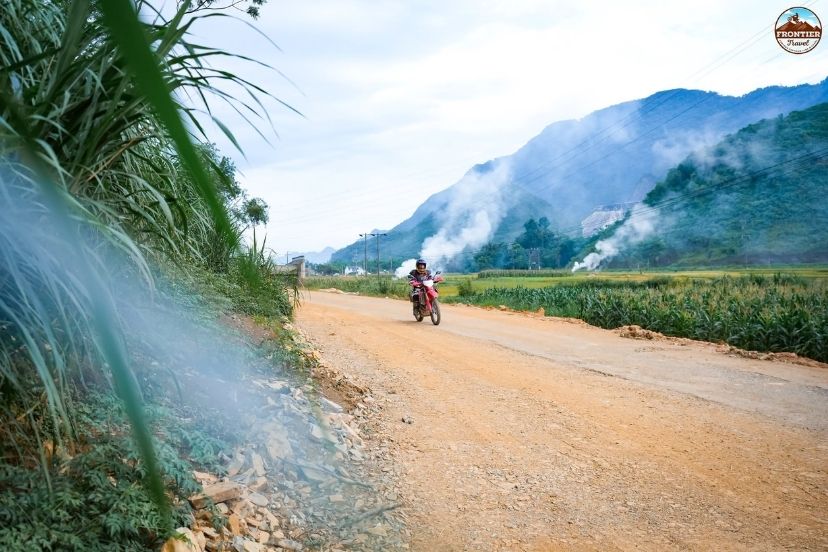
Functional lights improve visibility and safety on roads
5.2. Verifying Turn Signals and Hazard Warnings
Turn signals provide essential communication between riders and other road users, particularly when overtaking or changing lanes. Malfunctioning indicators can easily create confusion and increase the risk of accidents.
Activate the left and right turn signals and verify that they blink at a normal and consistent speed. If the motorcycle includes hazard warning lights, ensure they function properly before continuing the motorbike daily check before riding Vietnam tour routine.
5.3. Checking Horn Performance and Battery Voltage
The horn serves as an important safety tool on Vietnamese roads where traffic density and unpredictable movements are common. Riders frequently rely on audible signals to communicate their presence when overtaking or approaching blind corners.
Press the horn several times to ensure it produces a clear and strong sound while also testing the starter motor for normal operation. Dim instrument lights, sluggish engine cranking, or inconsistent electrical performance may indicate a weakening battery that requires attention before a North Vietnam motorbike tour or any extended expedition.
6. Managing Cockpit Controls and Personal Riding Gear Correctly
Once the motorcycle itself has been inspected, riders should focus on cockpit controls and personal protective equipment. A thorough motorbike daily check before riding Vietnam tour extends beyond mechanical systems and includes ensuring comfort, visibility, and rider readiness.
6.1. Adjusting Rearview Mirrors and Throttle Response
Proper mirror positioning improves situational awareness and helps riders monitor surrounding traffic without unnecessary head movements. Good visibility contributes significantly to safer riding on busy roads and narrow mountain passes.
Adjust both mirrors to achieve the widest practical rearward field of view while minimizing blind spots. Riders should also twist the throttle grip several times to confirm that it returns smoothly and instantly to its original position during the motorbike daily check before riding Vietnam tour.

Correct mirror adjustment enhances awareness and riding confidence
6.2. Evaluating Clutch Play and Lever Smoothness
Motorcycles equipped with manual transmissions depend on a properly adjusted clutch for efficient gear changes and rider comfort. An incorrectly adjusted clutch can quickly become frustrating during long hours in the saddle.
Check the free play of the clutch lever and ensure it falls within the manufacturer's recommended range. The lever should feel smooth and predictable without sticking, excessive resistance, or rough engagement that could negatively affect the motorbike daily check before riding Vietnam tour experience.
6.3. Inspecting Helmets, Riding Gear, and Rainwear
Personal protective equipment provides the final layer of defense against road hazards and changing weather conditions. Riders should never underestimate the importance of maintaining their gear in excellent condition.
Inspect the helmet’s chin strap mechanism, clean the visor thoroughly, and verify that all protective clothing remains free from significant damage. Rain jackets, waterproof pants, gloves, boots, and backpack covers should remain easily accessible because sudden weather changes are common during a motorbike daily check before riding Vietnam tour adventure.
7. Emergency Tool Kits for Motorbike daily check before riding Vietnam tour
Even the most carefully maintained motorcycle can encounter unexpected situations during a long-distance journey. That is why every motorbike daily check before riding Vietnam tour routine should include verifying that emergency tools and backup supplies are packed and ready for immediate use.
7.1. Organizing the Standard On-Board Tool Kit
Prepared riders are often able to solve minor mechanical issues quickly without depending on distant repair shops. Carrying a well-organized toolkit can save valuable time and prevent unnecessary disruptions during the trip.
Ensure the motorcycle's standard toolkit contains essential items such as open-ended wrenches, Allen keys, and screwdrivers suitable for your specific model. These tools can be used to tighten mirrors, adjust levers, secure loose body panels, and handle many small repairs discovered during a motorbike daily check before riding Vietnam tour.

A complete toolkit helps resolve roadside issues quickly
7.2. Preparing an Emergency Tire Repair Kit
Flat tires can occur unexpectedly on mountain roads, gravel tracks, or remote rural routes throughout Vietnam. Having the correct repair equipment allows riders to continue their journey safely without lengthy delays.
Pack tire plugs, puncture strips, repair glue, and a puncture insertion tool that matches the motorcycle's tire type. Riders should also carry a compact hand pump or portable CO2 inflator to restore tire pressure quickly whenever a puncture interrupts a motorbike daily check before riding Vietnam tour schedule.
7.3. Stocking Spare Small Parts and Consumables
Small backup items often prove invaluable when dealing with unforeseen situations far from major towns or service centers. These inexpensive supplies occupy little space while providing significant practical benefits during an extended adventure.
Carry durable cable ties, electrical tape, spare fuses, and strong utility rope that can be used for temporary repairs or luggage management. Including these essentials ensures riders are better prepared to handle unexpected complications encountered after completing a motorbike daily check before riding Vietnam tour inspection.
8. Conclusion
Motorbike daily check before riding Vietnam tour should always be your top priority before hitting the open roads to guarantee a safe and memorable expedition. Taking just ten minutes every morning to inspect these vital components protects you from unexpected breakdowns and severe safety hazards in isolated regions. If you have any questions or need professional assistance, do not hesitate to contact Frontier Travel Vietnam to get top-tier motorbike rentals, expertly guided itineraries, and dedicated support for your dream loop!