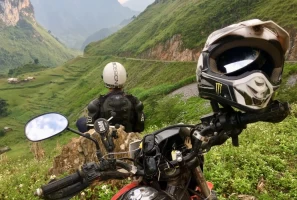
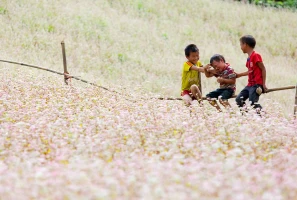
Hue Imperial Citadel is the historic heart of Hue, where grand gates, royal palaces, temples, and peaceful courtyards reveal the legacy of Vietnam’s Nguyen Dynasty. With Frontier Travel Vietnam, travelers can combine this cultural landmark with royal tombs, countryside roads, Hai Van Pass, Da Nang, and other highlights of Central Vietnam.
1. Discover the Story Behind Hue Imperial Citadel
Before exploring the gates and palaces, it helps to understand why this historic complex remains so important to Vietnam. Hue Imperial Citadel was built as the political and cultural centre of the Nguyen Dynasty, creating a royal landscape where architecture, religion, ceremony, and daily court life came together.
Ancient gates and royal grounds reveal Hue Imperial Citadel the rich history of Vietnam
Hue became the capital of unified Vietnam in 1802 under Emperor Gia Long, beginning the Nguyen Dynasty’s rule. The imperial capital remained the country’s political centre until 1945, when Emperor Bao Dai abdicated and the monarchy came to an end.
The location was also influenced by traditional Eastern concepts of geography and balance. Ngu Binh Mountain and the Perfume River played important roles in the landscape, while the wider complex was designed to connect natural surroundings with royal architecture.
2. Step Inside the Most Iconic Areas of Hue Imperial Citadel
The scale of the complex means that visitors can easily spend several hours discovering its major buildings and quieter corners. Hue Imperial Citadel is not simply one palace or monument but a layered royal environment containing ceremonial spaces, temples, residences, gardens, gates, and defensive structures.
 Grand ceremonial halls and historic structures highlight the scale of the royal complex
2.1 Enter Through Ngo Mon Gate and Discover the Imperial City
Ngo Mon Gate is one of the most recognizable entrances to Hue Imperial Citadel and an essential first stop for visitors. The impressive structure once served as an important ceremonial entrance where major royal occasions and official events took place. Its distinctive architecture, multiple levels, tiled roofs, and carefully arranged proportions immediately establish the grandeur of the imperial complex.
Passing through the gate leads into the Imperial City, where broad courtyards and historic buildings reveal the scale of the former royal centre. Take time to look at the decorative details rather than simply walking from one attraction to another. Roof ornaments, wooden elements, stone pathways, and traditional motifs all contribute to the character of the site.
2.2 Explore Thai Hoa Palace and Royal Ceremonial Spaces
Thai Hoa Palace was among the most important buildings in the imperial court. Major ceremonies and formal occasions were held here, making the palace closely connected with the political life of the Nguyen Dynasty. Its architecture reflects the importance of hierarchy and ceremony through its layout, decoration, and relationship with the surrounding courtyard.
Visitors can imagine how different the atmosphere would have been when emperors, mandarins, and royal officials gathered for important events. The building’s traditional design also provides insight into how Vietnamese royal architecture combined function with symbolism. For travelers interested in history, this is one of the places where the story of the Nguyen court becomes particularly tangible.
2.3 Wander Through the Forbidden Purple City
The Forbidden Purple City formed the innermost area of the royal complex and was historically associated with the emperor, royal family, and selected court personnel. Much of the original structure was damaged or lost over time, but surviving and restored sections still help visitors understand how the royal household was organized.
Rather than focusing only on grand architecture, take a moment to consider the daily life that once existed behind the ceremonial spaces. Servants, members of the royal family, officials, and craftsmen all contributed to the functioning of the imperial household. Exploring these remains adds a more personal dimension to Hue Imperial Citadel and makes the former royal city feel less distant.
3. Experience Hue Imperial Citadel Beyond the Main Landmarks
The most rewarding visit does not have to follow only the busiest attractions. Hue Imperial Citadel contains quieter courtyards, weathered walls, gardens, temples, and architectural details that can easily be overlooked when travelers focus only on famous landmarks. Slowing down and taking an on road adventure tour allows the atmosphere of the former royal city to become part of the experience.
Quiet courtyards and ornate royal temples offer a deeper look into courtly life
3.1 Photograph Ancient Architecture and Quiet Courtyards
Photography is one of the best ways to appreciate the changing character of the complex. Weathered brick walls, ornate roofs, wooden structures, stone pathways, and green vegetation create a natural contrast that works beautifully in photographs. Early morning and late afternoon are particularly appealing because softer light can highlight textures and architectural details.
Rather than photographing only the largest buildings, look for smaller visual details throughout the site. Doorways, decorative roof elements, old walls, courtyards, and reflections after rain can tell their own stories. Visitors should always keep photography respectful, especially around religious areas and restricted spaces.
3.2 Discover Royal Temples and Ancestral Spaces
Religion and ancestor worship played an important role in the Nguyen imperial court. Several temple areas within the complex were dedicated to emperors and members of the royal family, creating spaces where ceremonies and remembrance formed an important part of court life.
These temples also demonstrate how religious traditions were integrated into the wider imperial landscape. Their architecture can be quieter than the main ceremonial buildings, but they provide valuable context for understanding the spiritual side of the dynasty. For history-focused travelers, these areas can be among the most meaningful sections of the visit.
3.3 Follow the Layers of History
One of the most interesting aspects of Hue Imperial Citadel is the contrast between beautifully restored structures and areas that still carry visible traces of age and conflict. This contrast tells a more complete story than a perfectly preserved monument ever could.
Restoration has helped recover important parts of the imperial complex, while conservation work continues to protect its remaining structures. Visitors can therefore see both the grandeur of the Nguyen Dynasty and the challenges faced by a historic site that has experienced decades of change. Understanding this layered history makes the visit more meaningful.
4. Turn a Visit to Hue Imperial Citadel Into a Central Vietnam Adventure
A trip to Hue becomes even more rewarding when the imperial complex is connected with other destinations across Central Vietnam. Instead of treating the visit as a standalone city attraction, travelers can build an itinerary combining history, countryside, mountains, coastline, and local culture.

Riding from hue to hai van pass combines imperial heritage with dramatic coastal views
4.1 Combine the Citadel With Royal Tombs and Thien Mu Pagoda
The Nguyen emperors built elaborate tomb complexes in the countryside surrounding Hue, creating another fascinating chapter of the city’s royal heritage. Tombs such as those of Minh Mang, Khai Dinh, and Tu Duc showcase different architectural styles and relationships with the surrounding landscape.
Thien Mu Pagoda provides another important cultural stop along the Perfume River. Combining the pagoda, royal tombs, and Hue Imperial Citadel creates a fuller picture of how religion, royal authority, architecture, and nature shaped the former capital.
4.2 Ride Through the Scenic Roads Around Hue
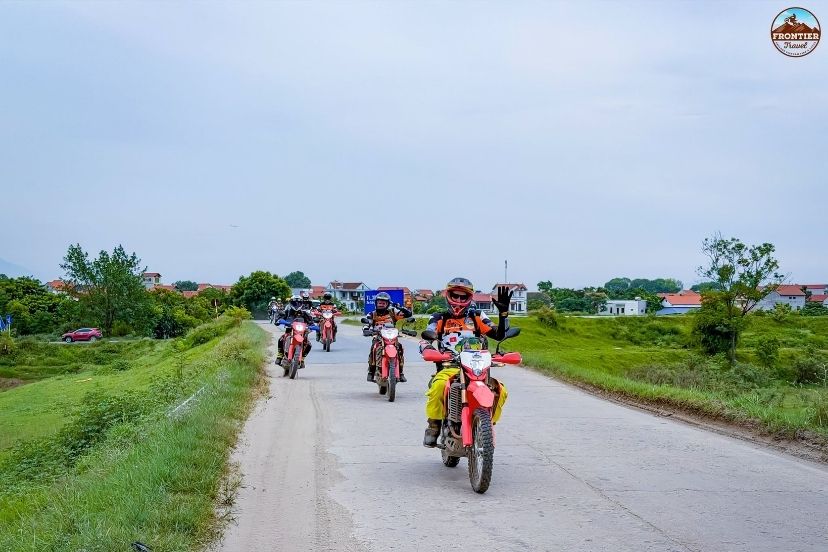
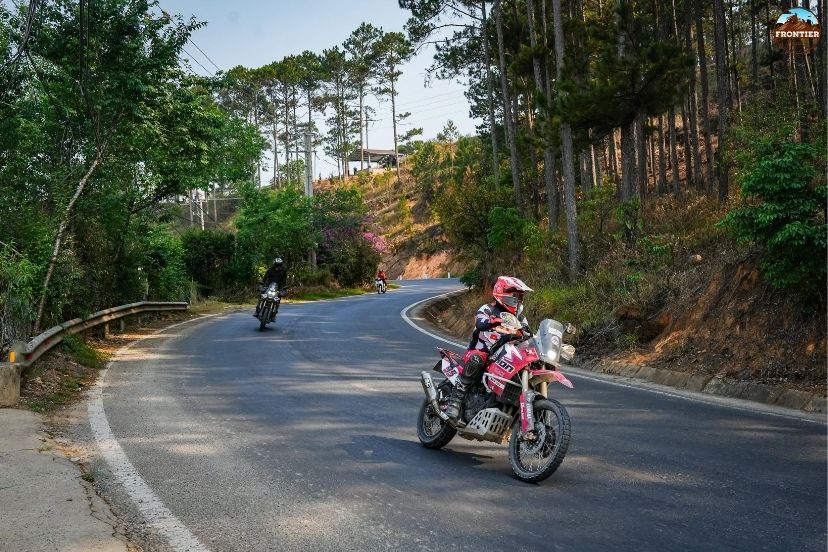
Travelers who prefer exploring by motorcycle can use Hue as a starting point for discovering quieter roads beyond the city centre. Countryside routes reveal rice fields, rivers, villages, gardens, and local communities that are difficult to appreciate when traveling only between major attractions.
A motorcycle itinerary also gives visitors greater flexibility to stop at small cafés, roadside viewpoints, local food stalls, and rural landmarks. This slower style of travel creates a natural balance between cultural sightseeing and outdoor exploration.
4.3 Continue Toward Central Vietnam’s Iconic Destinations
From Hue, travelers can continue toward Lang Co, Hai Van Pass, Da Nang, and Hoi An. The scenery changes dramatically along the way, moving from historic architecture and river landscapes toward mountains, coastal roads, beaches, and heritage towns.
For motorcycle travelers, this creates one of the most rewarding combinations in Central Vietnam. A journey can begin with the history of Hue Imperial Citadel, cross the mountains of Hai Van Pass, and finish among the lantern-lit streets and countryside of Hoi An.
5. Best Time and Practical Tips for Visiting Hue Imperial Citadel
Planning matters because the complex is extensive and much of the experience takes place outdoors. A comfortable visit requires enough time for walking, suitable clothing, protection from the sun or rain, and a little flexibility around Hue’s changing weather. These considerations are especially useful for travelers including the Vietnam - Laos Motorbike Tours route in their wider journey.

Morning visits and respectful attire ensure a comfortable and meaningful experience
5.1 Choose the Right Time for Exploring
Early morning is often a comfortable choice for exploring the site because temperatures are generally more pleasant and the atmosphere can feel quieter. Late afternoon can also be attractive, particularly for travelers interested in photography and softer architectural light.
Hue experiences a tropical climate with distinct periods of rain and heat, so checking the forecast before traveling is useful. If the visit is part of a motorcycle itinerary, weather conditions should also be considered when planning the roads beyond the city.
5.2 Allow Several Hours for the Visit
Trying to rush through the complex can make the experience feel like a checklist. Allowing several hours provides enough time to explore the major gates, palaces, temples, courtyards, and surrounding structures without constantly watching the clock.
Comfortable walking shoes are particularly important because the complex covers a large area. Water, sunscreen, sunglasses, and a lightweight rain jacket can also make the visit easier depending on the season.
5.3 Dress and Behave Respectfully
Although the complex is a major tourist attraction, some areas retain strong cultural and religious significance. Visitors should dress appropriately when entering temples and ancestral spaces and follow any posted restrictions.
Avoid touching fragile architectural details, climbing restricted structures, or entering areas closed to visitors. Responsible behavior helps protect the heritage while allowing future generations to experience Hue Imperial Citadel in the same meaningful way.
6. Why Explore Hue With Frontier Travel Vietnam?
For travelers who want more than a conventional sightseeing trip, Frontier Travel Vietnam can place Hue's royal heritage within a wider Central Vietnam motorcycle adventure. Instead of spending the entire journey inside the city, travelers can combine cultural landmarks with scenic roads, coastal landscapes, mountain passes, and local communities.

Tailored motorcycle journeys seamlessly connect cultural landmarks
A professionally planned route can connect Hue Imperial Citadel with royal tombs, Thien Mu Pagoda, countryside roads, Hai Van Pass, Da Nang, Hoi An, and other destinations. This approach creates a more varied experience while allowing riders to discover how dramatically the scenery changes across Central Vietnam.
Experienced guides can also help with route planning, riding conditions, timing, accommodation, and local communication. The result is a journey that balances adventure with cultural discovery, allowing travelers to focus on the road and the places they encounter rather than managing every logistical detail themselves.
CTA:The story of Hue Imperial Citadel does not end at its ancient walls. Ride beyond Hue with Frontier Travel Vietnam to combine royal heritage with mountain roads, coastal landscapes, local villages, and the unforgettable scenery of Central Vietnam.
7. FAQs About Hue Imperial Citadel
For first-time visitors, a few practical questions can help make planning easier. Whether you are interested mainly in history or are adding the site to a longer motorcycle journey, understanding the basics will help you make better use of your time.

Essential answers regarding visiting hours dress code
7.1 Is Hue Imperial Citadel Worth Visiting?
Absolutely, particularly for travelers interested in Vietnamese history, architecture, and royal culture. The site forms part of the Complex of Hue Monuments, which UNESCO inscribed as a World Heritage Site in 1993.
The combination of palaces, gates, temples, courtyards, gardens, and surviving historic structures makes it one of Hue’s essential attractions. Even travelers who are not normally interested in history can appreciate the scale, atmosphere, and architectural details.
7.2 How Long Do You Need at Hue Imperial Citadel?
Several hours is a reasonable starting point for exploring the main areas without rushing. Travelers who enjoy photography, architecture, or detailed historical exploration may prefer to spend longer.
If you want to visit royal tombs or Thien Mu Pagoda on the same day, plan the route carefully. A full-day heritage itinerary provides enough flexibility to experience the major landmarks while avoiding an overly rushed schedule.
7.3 Can You Visit Hue Imperial Citadel by Motorbike?
Yes. The complex is located within Hue City and is easily accessible by motorcycle. This makes it particularly convenient for travelers who are already exploring Central Vietnam on two wheels.
Motorcycle travel becomes even more useful when the visit is combined with attractions outside the city centre. Riders can explore the Citadel in the morning before continuing toward royal tombs, countryside roads, coastal destinations, or the Hai Van Pass.
7.4 What Should You Wear When Visiting?
Comfortable clothing and walking shoes are recommended because the complex involves considerable walking. Lightweight layers can be useful because Hue can become hot during the day, while rain protection is helpful during wetter periods.
When entering temples or religious spaces, visitors should choose clothing that is respectful of the cultural setting. A light scarf or additional layer can be useful if you want extra coverage during the visit.
7.5 Can You Combine the Citadel With Hai Van Pass?
Yes, and this can create an excellent Central Vietnam itinerary. Travelers can explore the imperial complex in Hue before riding south through Lang Co and across the Hai Van mountain route toward Da Nang.
This combination brings together two very different experiences: the history and architecture of the former imperial capital and the dramatic mountain-and-ocean scenery of the Central Coast. With careful planning, the route can also continue toward Hoi An.
7.6 Is Hue Imperial Citadel Suitable for a Motorcycle Tour?
Yes. The attraction works particularly well as a cultural stop within a longer motorcycle journey rather than as the only destination. Riders can spend several hours exploring the complex before continuing through Hue’s countryside or toward the coast.
For travelers who want to combine history with adventure, this makes Hue Imperial Citadel a valuable stop on a Central Vietnam route. With Frontier Travel Vietnam, the experience can be connected with scenic roads, historic landmarks, local food, mountain passes, and coastal destinations.
Conclusion
For travelers who want to experience Central Vietnam beyond conventional sightseeing, Frontier Travel Vietnam can connect the heritage of Hue Imperial Citadel with motorcycle routes toward Lang Co, Hai Van Pass, Da Nang, Hoi An, and beyond. The result is a journey where history meets adventure, allowing you to discover not only where Vietnam’s emperors once ruled, but also the landscapes and communities that continue to define Central Vietnam today.