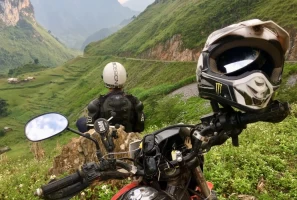
Hanoi to Saigon motorbike coastal route tours are among the best ways to discover Vietnam’s breathtaking seaside roads, mountain passes, and authentic coastal life. With Frontier Travel Vietnam, riders can explore legendary routes like Hai Van Pass, hidden fishing villages, scenic backroads, and peaceful beaches through a fully supported motorcycle adventure from north to south.
1. Why Vietnam’s Coastal Route Is a Dream Ride for Motorcyclists
The Hanoi to Saigon motorbike coastal route offers a completely different riding atmosphere compared to Vietnam’s remote mountain trails. Instead of technical off-road terrain and isolated highlands, riders experience ocean breezes, scenic seaside highways, colorful fishing villages, and long relaxing stretches of road beside the coast.
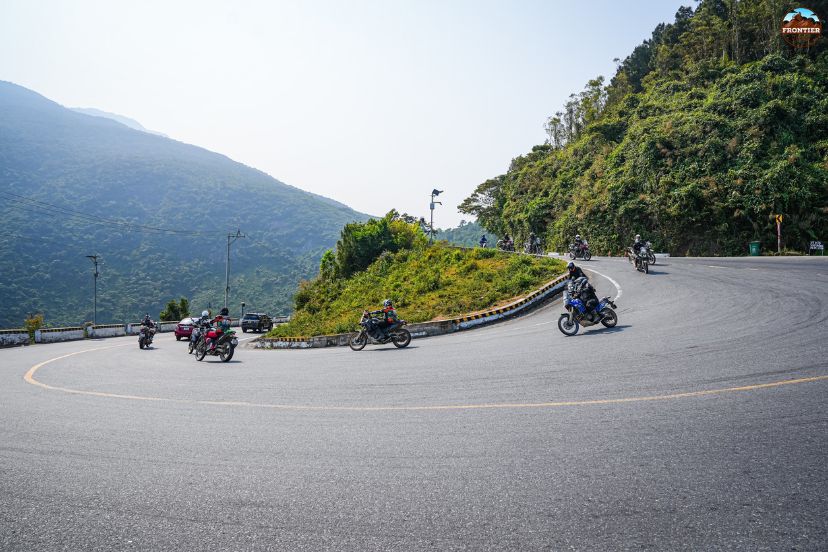
Chasing misty peaks and winding passes across the country
1.1 Endless Ocean Views From North to South
One of the biggest highlights of the Hanoi to Saigon motorbike coastal route is the constant connection to the sea. Riders spend days following Vietnam’s coastline, where the scenery changes from dramatic cliffs and lagoons to tropical beaches and peaceful fishing harbors.
Early morning rides often become unforgettable moments during the journey. Watching fishing boats return at sunrise while riding quiet coastal roads creates an atmosphere that feels calm, cinematic, and deeply connected to local life.
Unlike mountain-heavy adventures that demand constant technical focus, coastal touring allows riders to enjoy the scenery at a smoother pace. In contrast, the Hanoi to Saigon – HCM Trail tour offers a different kind of adventure, combining challenging mountain roads, historical landmarks, and remote countryside landscapes.
1.2 The Perfect Mix of Mountains, Beaches, and Local Culture
What makes the Hanoi to Saigon motorbike coastal route special is the balance between different types of scenery. Riders experience mountain passes like Hai Van Pass while also enjoying beach towns, countryside roads, and traditional fishing communities.
At Frontier, we avoid turning the journey into a simple highway transfer between destinations. Instead, we focus on connecting scenic coastal sections with authentic local experiences, allowing riders to stop for seafood lunches, local coffee shops, hidden beaches, and cultural encounters along the way.
This balance makes the trip feel dynamic from start to finish. One day you may be riding above the ocean through mountain curves, while the next day you are cruising through quiet villages beside endless beaches.
1.3 Why Many Riders Prefer the Coastal Route Over Highway 1A
Many travelers assume that Highway 1A is the only option for riding across Vietnam, but that is far from reality. The Hanoi to Saigon motorbike coastal route uses quieter backroads and scenic alternatives whenever possible to avoid heavy truck traffic and stressful riding conditions.
Frontier carefully selects routes that prioritize scenery and riding enjoyment rather than simply reaching destinations quickly. This creates a smoother and more immersive experience for riders who want to truly enjoy Vietnam instead of rushing through it.
For many travelers, this approach completely changes how they experience the country. The journey becomes less about transportation and more about exploration, connection, and discovering places that large tour buses never reach.
2. What Makes the Hanoi to Saigon Coastal Route Special?
The coastal route is not only about beaches and ocean views. It is also about rhythm, atmosphere, and the feeling of freedom that comes from riding beside the sea for days at a time. At Frontier Travel Vietnam, we build the Hanoi to Saigon motorbike coastal route around roads that feel enjoyable to ride, not just famous tourist checkpoints. This creates a journey that feels natural, scenic, and memorable throughout every stage of the adventure.
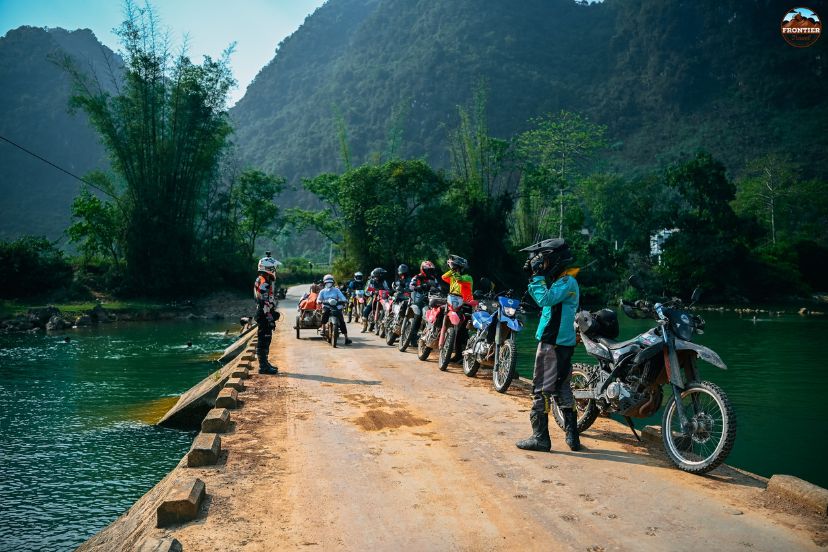
A nature lovers guide to biking the Vietnamese Highlands
2.1 Riding Vietnam’s Most Famous Coastal Passes
Vietnam’s coastline is home to several iconic riding roads that have become legendary among international motorcyclists. Even riders on the Hanoi to Saigon – HCM Trail tour often consider these coastal passes among the most memorable sections of their journey thanks to the combination of ocean views, mountain curves, and ever-changing scenery.
Hai Van Pass is widely considered the most beautiful coastal road in Vietnam and one of Southeast Asia’s most iconic motorcycle routes. The combination of mountain curves, ocean cliffs, panoramic viewpoints, and constantly changing scenery creates one of the country’s most unforgettable riding experiences.
The road became internationally recognized after appearing on Top Gear, but it still feels incredible in real life. Riders climb through misty mountain sections before descending toward Da Nang with panoramic ocean views appearing around nearly every curve. On clear days, the contrast between deep blue coastline, green jungle mountains, and winding asphalt roads makes Hai Van Pass one of the visual highlights of the entire Hanoi to Saigon motorbike coastal route.
At Frontier, we usually avoid rushing through this section because the experience is about more than simply crossing the pass. Riders often stop at scenic viewpoints, old bunkers, roadside coffee spots, and hidden photography locations that many travelers would normally miss.
Beyond Hai Van Pass, the coastal route also includes smaller mountain roads near Quy Nhon, Tuy Hoa, and Mui Ne. These sections may be less internationally famous, but they provide smoother traffic conditions and equally beautiful riding scenery throughout the journey.
2.2 Discovering Hidden Fishing Villages and Quiet Beaches
One of the biggest reasons riders choose the Hanoi to Saigon motorbike coastal route is the opportunity to experience local coastal life beyond tourist cities. Instead of staying only in major destinations, Frontier includes smaller fishing communities and quieter beach roads that feel far more authentic.
Many coastal villages still maintain a slower rhythm of life where fishing boats line the shore every morning and seafood markets begin operating before sunrise. Riders often stop for fresh seafood lunches, Vietnamese coffee beside the beach, or short breaks overlooking peaceful harbors filled with colorful wooden boats.
These smaller coastal roads also create a stronger sense of immersion compared to crowded tourist zones. You are not simply observing Vietnam through a bus window because the experience becomes physical, immediate, and constantly connected to the surrounding environment.
Frontier intentionally selects quieter backroads near lagoons, fishing areas, and rural beach communities whenever possible. This allows riders to experience parts of Vietnam that feel more personal and less commercialized while still enjoying safe and scenic riding conditions.
Another highlight of this route is the variety of beach scenery throughout the journey. Some areas feature dramatic rocky coastlines and cliffs, while others offer long empty beaches, sand dunes, or tropical palm-lined roads closer to Southern Vietnam.
2.3 A More Relaxed Long-Distance Riding Experience
Compared to Northern Vietnam’s steep mountain loops and technical off-road sections, the Hanoi to Saigon motorbike coastal route generally feels more accessible for long-distance touring. Many roads are wider, smoother, and easier to navigate, allowing riders to spend more time enjoying scenery instead of concentrating entirely on difficult terrain.
This makes the coastal route especially attractive for beginner and intermediate riders who still want a full cross-country motorcycle adventure. While there are exciting mountain sections like Hai Van Pass, the overall riding pace remains more comfortable and manageable throughout the trip.
Another advantage of coastal touring is the more balanced daily rhythm. Riders can spend the morning crossing scenic passes, stop for seafood lunches beside the ocean, and finish the afternoon riding quieter beach roads toward the next destination.
At Frontier, we also carefully structure daily riding distances to reduce unnecessary fatigue during longer touring days. Instead of pushing riders through exhausting schedules, we focus on creating enough flexibility for photography stops, cultural experiences, and proper rest throughout the journey.
The atmosphere changes gradually as riders move south, creating a strong sense of progression during the trip. Northern regions feel cooler and more mountainous, Central Vietnam delivers dramatic coastal passes, and Southern Vietnam introduces warmer tropical scenery with flatter roads and open ocean highways.
Because of this variety, the Hanoi to Saigon motorbike coastal route never feels repetitive despite covering a large distance. Every few days, the landscapes, riding conditions, local culture, and overall atmosphere evolve into something completely different.
3. Best Coastal Roads Between Hanoi and Saigon
Vietnam’s coastline offers an incredible variety of riding conditions and scenery. Some sections feature dramatic mountain curves above the ocean, while others deliver peaceful roads through fishing villages and quiet beach towns.We carefully combine these sections into one connected journey that showcases the best parts of Vietnam’s coastal riding experience.
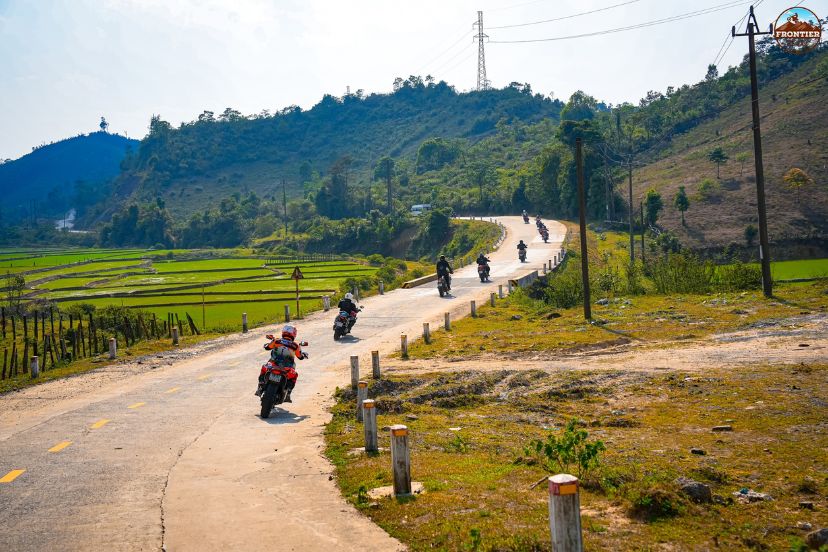
Deep green adventure motorcycling Vietnams interior forests
3.1 Hai Van Pass – Vietnam’s Legendary Coastal Ride
Hai Van Pass is often considered the most famous coastal road in Vietnam, and for good reason. The combination of mountain curves, ocean cliffs, and panoramic viewpoints creates one of the country’s most unforgettable riding experiences.
The road became internationally recognized after appearing on Top Gear, but it still feels incredible in real life. Riders climb through misty mountain sections before descending toward the coastline with breathtaking ocean views appearing around every curve.
At Frontier, we usually plan multiple photography stops along the pass because the scenery changes constantly. Early morning rides through Hai Van Pass often provide the best visibility and lighter traffic conditions.
3.2 Hue to Da Nang Coastal Backroads
The road between Hue and Da Nang includes some of Central Vietnam’s most scenic coastal sections. Instead of rushing through the tunnel or following busy highways, Frontier prefers quieter backroads beside lagoons and fishing villages.
These smaller roads create a more authentic riding experience while avoiding unnecessary traffic stress. Riders can stop beside the water, explore local markets, and enjoy the slower pace of coastal life along the way.
This section of the Hanoi to Saigon motorbike coastal route also offers excellent opportunities for cultural experiences. Hue’s historic atmosphere contrasts beautifully with Da Nang’s modern coastal energy.
3.3 Quy Nhon to Nha Trang Ocean Roads
The coastal roads between Quy Nhon and Nha Trang feel more peaceful compared to Vietnam’s larger tourist cities. Long stretches of ocean highway create smooth and enjoyable riding conditions for multi-day touring.
Fishing villages, empty beaches, and seafood towns appear regularly throughout this section. Riders often describe these roads as some of the most relaxing parts of the entire Hanoi to Saigon motorbike coastal route.
At Frontier, we often include smaller coastal detours in this region to avoid unnecessary highway traffic. These hidden roads usually become some of the most memorable sections for riders.
3.4 Mui Ne Coastal Highways and Sand Dunes
As riders approach Southern Vietnam, the scenery begins changing dramatically again. Dry coastal landscapes, red sand dunes, and tropical weather create a completely different atmosphere compared to Northern Vietnam.
Mui Ne is especially popular because of its unique desert-like scenery beside the ocean. Riders can explore fishing harbors, coastal roads, and colorful sand dunes before continuing toward Saigon.
The warmer weather and flatter terrain also create easier riding conditions during the final stages of the journey. This gives riders time to enjoy the last days of the Hanoi to Saigon motorbike coastal route before entering Ho Chi Minh City.
4. Suggested Hanoi to Saigon Coastal Motorbike Itinerary
A successful long-distance motorcycle journey depends heavily on pacing. At Frontier Travel Vietnam, we design itineraries that balance riding hours, sightseeing opportunities, rest time, and cultural experiences to avoid unnecessary exhaustion. The Hanoi to Saigon motorbike coastal route is best enjoyed gradually, allowing riders to fully appreciate the changing scenery and atmosphere throughout Vietnam’s coastline.
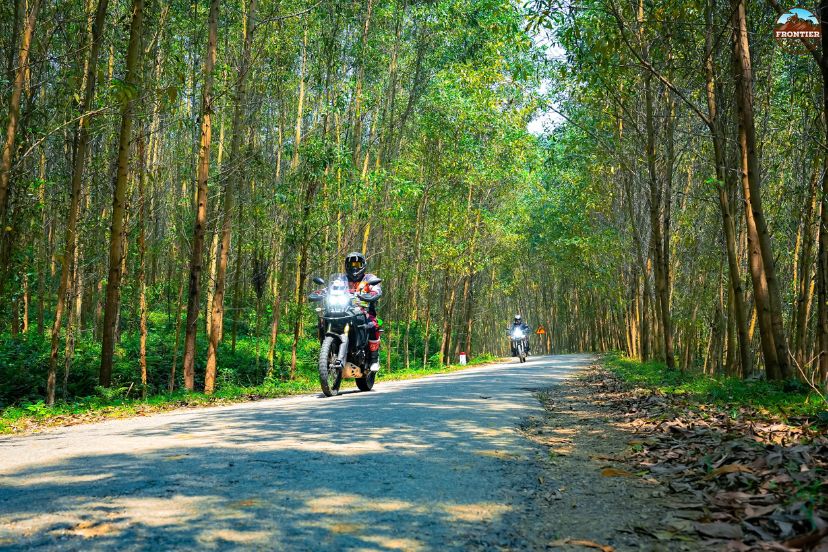
Navigating Vietnams jungle spine a North to South ride
4.1 Days 1–3: Hanoi to Central Vietnam Coastline
The early riding stages focus on leaving Hanoi behind and transitioning into quieter countryside roads. Riders begin adjusting to Vietnam’s traffic flow while enjoying increasingly scenic landscapes as the journey moves south.
Rather than rushing immediately into long highway sections, Frontier gradually introduces riders to Vietnam’s touring rhythm through manageable daily distances and comfortable stops. These first days help establish confidence, group rhythm, and riding comfort before reaching the more iconic coastal sections later in the trip.
4.2 Days 4–6: Riding Through Hue and Hai Van Pass
This stage includes one of the highlights of the Hanoi to Saigon motorbike coastal route: Hai Van Pass. Riders experience dramatic mountain curves, panoramic ocean views, and some of Vietnam’s most famous riding scenery.
The atmosphere changes significantly during this section of the journey. Coastal landscapes become more dramatic while local culture, historic cities, and seafood cuisine create a richer travel experience. At Frontier, we also include scenic coastal backroads around Hue and Da Nang to avoid turning this famous section into a rushed tourist stop.
4.3 Days 7–10: Coastal Towns, Beaches, and Fishing Villages
Central Vietnam’s quieter coastline becomes the focus during this stage of the journey. Riders explore beach towns like Quy Nhon and Tuy Hoa while experiencing roads that feel calmer and less crowded than Vietnam’s larger cities.
The riding becomes smoother and more relaxed, allowing travelers to spend more time enjoying scenery, local seafood restaurants, and peaceful beaches. This section of the Hanoi to Saigon motorbike coastal route often creates some of the strongest emotional memories because of its slower pace and authentic atmosphere.
4.4 Days 11–14: Southern Coastal Roads to Saigon
As the journey enters southern Vietnam, the climate becomes warmer and the roads gradually flatten out. Riders pass tropical scenery, coastal fishing communities, and long seaside highways before approaching Ho Chi Minh City.
The emotional atmosphere begins to shift during these final riding days. Many travelers realize the adventure is nearing its conclusion, creating a mixture of excitement, reflection, and accomplishment. By the time riders arrive in Saigon, they have experienced nearly 2,600km of Vietnam’s coastline, mountain passes, fishing villages, and scenic backroads.
This gradual transition from Northern Vietnam to the tropical south creates a much deeper connection to the country compared to conventional travel itineraries. Arriving in Saigon after completing the Hanoi to Saigon motorbike coastal route feels incredibly rewarding because riders have experienced Vietnam gradually, mile by mile, from north to south.
5. Why Ride With Frontier Travel Vietnam?
Choosing the right tour company can completely shape the quality of a motorcycle adventure. At Frontier Travel Vietnam, we focus on creating immersive riding experiences rather than simply transporting riders between destinations. Our approach combines local expertise, scenic route design, and full touring support to ensure the Hanoi to Saigon motorbike coastal route feels smooth, authentic, and memorable from beginning to end.
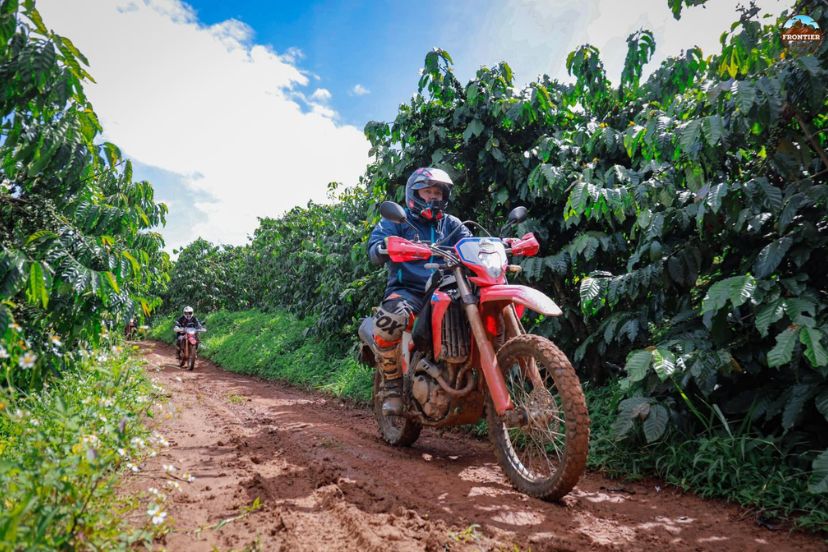
Rugged Vietnam conquering remote trails and valleys
5.1 Carefully Designed Scenic Backroad Routes
Frontier avoids crowded highways whenever possible by using carefully selected scenic backroads. This allows riders to experience quieter coastal roads, local villages, and landscapes that many tourists never see. Instead of prioritizing speed, we prioritize riding enjoyment and authentic travel experiences. This approach creates a much more rewarding long-distance journey.
5.2 Experienced Local Motorcycle Guides
Our guides are experienced riders who understand both Vietnam’s roads and the needs of international travelers. They provide navigation support, cultural insights, and real-time riding assistance throughout the journey.
Beyond safety and logistics, guides also help create a more personal and immersive travel experience. This local knowledge often becomes one of the most valuable parts of the tour.
5.3 Small Group and Private Motorcycle Tours
Frontier offers both small group and private touring options to match different travel styles. Smaller groups allow for more flexibility, smoother pacing, and stronger group dynamics during the journey. Private tours also allow riders to customize the Hanoi to Saigon motorbike coastal route based on preferred riding pace, scenery, and travel goals.
5.4 Full Support for Long-Distance Touring
Long-distance motorcycle touring becomes far more enjoyable when logistics are professionally handled. Frontier provides accommodation planning, luggage support, mechanical assistance, and safety coordination throughout the ride. This support system allows riders to focus entirely on enjoying the journey instead of worrying about operational details or unexpected issues on the road.
6. Best Motorbikes for Vietnam Coastal Touring
Choosing the right motorcycle can completely change the comfort and quality of a long-distance ride across Vietnam. At Frontier Travel Vietnam, we help riders select bikes based on experience level, route conditions, and overall touring goals rather than simply engine size.
6.1 Choosing Between Adventure Bikes and Touring Bikes
Adventure bikes are often the preferred choice for riders who want stronger suspension and more flexibility across mixed terrain. These motorcycles handle mountain passes, rough coastal sections, and countryside backroads more comfortably during long riding days.
Touring bikes, on the other hand, focus more heavily on comfort and smoother highway performance. Riders who prioritize relaxed cruising and stable road handling along Vietnam’s coastline may prefer this style of motorcycle for the Hanoi to Saigon motorbike coastal route.
6.2 Best Motorbikes for Coastal Highways and Mountain Passes
Vietnam’s coastal routes combine ocean highways, mountain curves, smaller countryside roads, and occasional rough surfaces. Because of this variety, motorcycles need to remain comfortable, reliable, and easy to control throughout the journey.
At Frontier, popular touring options often include models like the Honda CRF300L, Kawasaki KLX, and Honda CB500X depending on rider preference and experience. These bikes perform well across long-distance touring conditions while still remaining manageable on scenic coastal passes like Hai Van Pass.
6.3 Which Bikes Are Best for Beginners?
Beginner riders usually benefit more from lightweight and easy-to-handle motorcycles rather than overly powerful bikes. Smaller adventure motorcycles create more confidence during low-speed riding, mountain curves, and urban traffic conditions.
Semi-automatic or lower-displacement manual bikes are often ideal for riders joining the Hanoi to Saigon motorbike coastal route for the first time. At Frontier, we always prioritize rider comfort and confidence to help travelers enjoy the journey safely and comfortably.
7. What Riders Should Expect on Vietnam’s Coastal Route
The coastal route offers one of the most relaxing long-distance motorcycle experiences in Vietnam, but riders should still prepare for changing weather, daily riding fatigue, and varying road conditions. Understanding these factors beforehand helps travelers feel more confident throughout the journey.
7.1 Road Conditions and Traffic
Many sections of the Hanoi to Saigon motorbike coastal route feature smooth coastal highways and quieter countryside roads. Compared to Highway 1A, Frontier’s selected backroads generally feel less stressful and more enjoyable for long-distance touring.
However, riders should still expect occasional rough surfaces, construction zones, and busier traffic near larger cities like Da Nang or Ho Chi Minh City. Road conditions can also vary significantly between remote fishing villages and modern coastal towns.
7.2 Weather Changes Along the Coast
Vietnam’s coastline experiences constantly changing weather conditions throughout the year. Riders may encounter strong sunshine, coastal winds, tropical rain, and occasional storms depending on the season and region.
Central Vietnam especially becomes more unpredictable during monsoon months. At Frontier, we monitor weather conditions closely and adjust riding plans when necessary to maintain safer and more comfortable touring conditions.
7.3 Daily Riding Distance and Fatigue
The Hanoi to Saigon motorbike coastal route usually covers around 2,600km over approximately 14 days. Most riders average around 185km per day with roughly 6–7 hours of riding depending on road conditions and sightseeing stops.
Although the riding is generally more relaxed compared to mountain-heavy routes, fatigue still becomes a factor during consecutive touring days. Proper hydration, regular breaks, stretching, and comfortable pacing all play important roles in maintaining rider energy throughout the adventure.
8. Pros and Cons of the Hanoi to Saigon Coastal Route
Every motorcycle journey across Vietnam offers both incredible highlights and realistic challenges. Understanding both sides helps riders prepare more effectively before starting the Hanoi to Saigon motorbike coastal route.
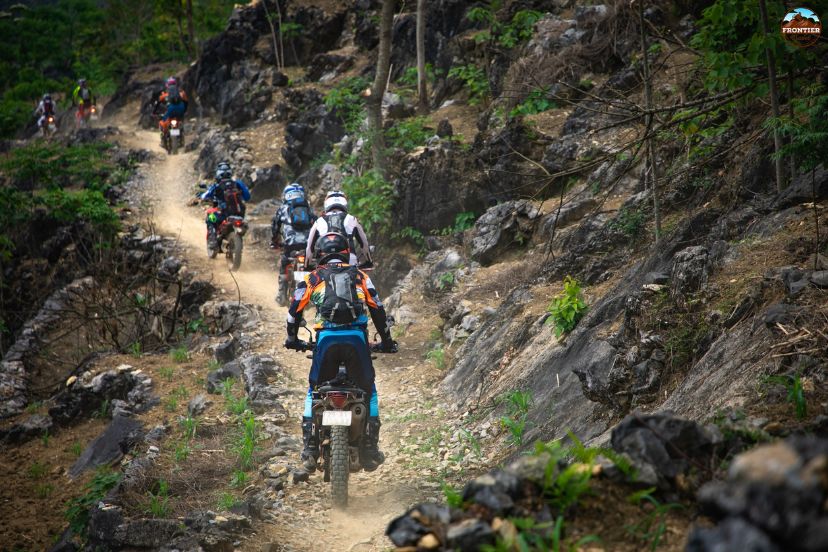
Vietnam off grid the ultimate jungle road expedition
8.1 Pros of Riding Vietnam’s Coastline
One of the biggest advantages of the coastal route is the incredible ocean scenery that changes constantly throughout the journey. Riders experience beach roads, fishing villages, mountain passes, tropical coastlines, and seafood towns within a single adventure.
The riding conditions also tend to feel smoother and more beginner-friendly compared to remote northern mountain routes. Combined with fresh seafood, relaxing beach destinations, and a slower touring atmosphere, the coastal route creates a more comfortable long-distance riding experience for many travelers.
8.2 Challenges Riders Should Prepare For
Despite the beautiful scenery, riders should still prepare for realistic challenges during the trip. Summer temperatures can become extremely hot, especially during long afternoon riding sections near Central and Southern Vietnam.
Heavy rain and storms may also affect visibility and road conditions during monsoon season. Tourist traffic near destinations like Da Nang, Nha Trang, or Mui Ne can occasionally create busier riding conditions as well.
8.3 Who This Route Is Best Suited For
The Hanoi to Saigon motorbike coastal route is especially suitable for beginner and intermediate riders looking for a scenic but manageable cross-country adventure. The smoother roads and more relaxed pace create a less intimidating touring experience compared to technical mountain routes.
This journey is also highly popular among couples, photographers, and leisure-focused travelers who prioritize scenery, local culture, and coastal atmosphere over difficult off-road riding. Riders who enjoy ocean views and cultural immersion usually find this route extremely rewarding.
9. Essential Tips Before Starting the Journey
Preparation plays an important role in making long-distance motorcycle touring safer and more enjoyable. At Frontier Travel Vietnam, we always encourage riders to prepare carefully before beginning the Hanoi to Saigon motorbike coastal route.
9.1 Best Time of Year for Coastal Riding
The best riding periods for Vietnam’s coastal route are usually between March and May or September and November. During these months, temperatures are generally more comfortable while road conditions remain safer and more predictable.
These seasons also provide clearer skies and better visibility for coastal riding and photography. Riders planning to travel during monsoon months should prepare more carefully for changing weather conditions and possible storms.
9.2 What to Pack for a Coastal Motorbike Tour
Packing efficiently becomes extremely important during long motorcycle journeys because storage space is naturally limited. Riders should focus on lightweight, breathable, and practical travel essentials.
Recommended items include waterproof gear, lightweight clothing, sunscreen, sunglasses, gloves, hydration supplies, and comfortable riding shoes. Small essentials like power banks and dry bags can also improve comfort during longer riding days.
9.3 International Driving Permit Requirements
Foreign travelers should research Vietnam’s legal riding requirements before starting the journey. In many cases, an International Driving Permit is strongly recommended for travelers operating motorcycles legally in Vietnam.
Requirements may vary depending on nationality and motorcycle category. Frontier can also provide practical guidance regarding riding documentation and local travel regulations before the tour begins.
9.4 Safety Tips for Riding Coastal Passes
Coastal mountain roads like Hai Van Pass are visually spectacular, but riders should still approach them carefully. Curves, changing weather, fog, and occasional tourist traffic all require proper concentration and controlled riding speeds.
At Frontier, we always encourage riders to avoid unnecessary speed and focus on smooth, predictable riding techniques instead. Riding defensively and maintaining safe spacing helps create a much safer and more enjoyable experience throughout the Hanoi to Saigon motorbike coastal route.
10. Frequently Asked Questions About Hanoi to Saigon Coastal Motorbike Tours
Before starting a long-distance motorcycle journey in Vietnam, many riders naturally have practical questions about road conditions, riding difficulty, and travel planning. At Frontier Travel Vietnam, we believe preparation is one of the keys to a smoother and safer adventure. Below are some of the most common questions riders ask before joining the Hanoi to Saigon motorbike coastal route.
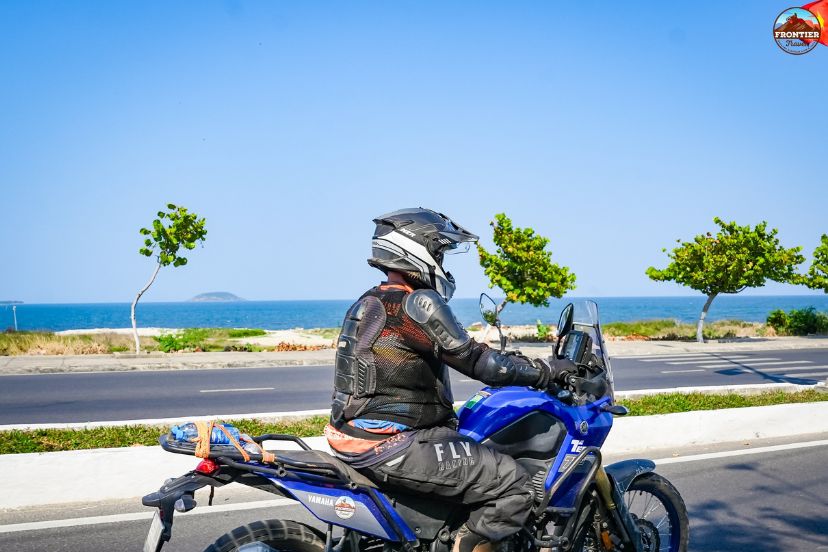
Stunning seaside vistas along the Vietnam coastline
10.1 Is the coastal route easier than the Ho Chi Minh Trail?
Yes, in general the coastal route is considered easier and more beginner-friendly compared to the Ho Chi Minh Trail. Roads are usually smoother, less technical, and involve fewer demanding mountain sections. However, riders should still be prepared for changing weather conditions, urban traffic near larger cities, and occasional rough coastal sections during the journey.
10.2 How many days are ideal for the coastal route?
Most riders find that 12–14 days provides the best balance between riding, sightseeing, and rest. Shorter trips can feel rushed, especially if you want time to enjoy beaches, local culture, and scenic photography stops.We typically recommend a relaxed pace because the Hanoi to Saigon motorbike coastal route is best experienced gradually rather than treated like a race across the country.
10.3 Is Hai Van Pass suitable for beginner riders?
Hai Van Pass is generally suitable for beginner and intermediate riders because the road quality is good and the curves are manageable under normal weather conditions. That said, riders should still remain cautious during rain or fog, especially on downhill sections. Guided tours also make the experience much safer and more comfortable for less experienced travelers.
10.4 Can solo travelers join Frontier group tours?
Absolutely. Many solo travelers join Frontier group tours each year because it allows them to experience Vietnam safely while meeting other riders from around the world. Small-group touring also creates a more social and supportive atmosphere during long-distance rides across the country.
10.5 What is the best coastal section in Vietnam for motorbike touring?
Different riders prefer different sections depending on their riding style and travel preferences. Hai Van Pass is famous for dramatic mountain curves and ocean views, while Quy Nhon offers peaceful coastal scenery with fewer tourists.
Mui Ne is also highly popular because of its tropical atmosphere, seaside highways, and unique sand dune landscapes. Together, these sections create the unforgettable experience that defines the Hanoi to Saigon motorbike coastal route.
11. Conclusion
Hanoi to Saigon motorbike coastal route is more than just a long-distance ride across Vietnam. It is a journey filled with ocean roads, mountain passes, hidden fishing villages, and unforgettable moments that constantly change from north to south. With Frontier Travel Vietnam, riders experience carefully selected backroads, experienced local guidance, and full touring support designed to make the adventure smoother, safer, and far more immersive. Contact Frontier Travel Vietnam today and let us help you plan a fully supported coastal motorcycle journey built around your riding style, experience level, and travel goals.