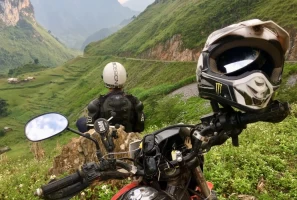
Nestled among the rugged folds of Vietnam’s northernmost mountains, Ha Giang captivates travelers with its raw, cinematic beauty. Understanding Ha Giang weather allows you to choose the perfect moment to witness the purest charm of the stone plateau—from the delicate morning mist draped across the peaks to golden sunlight cascading over the legendary mountain passes. In this guide, we’ll walk you through everything you need to make the most of these unforgettable moments—while also highlighting curated, safe, and seamless experiences crafted by Frontier Travel Vietnam, the ideal companion for every journey through Ha Giang.
An Introduction to Ha Giang – Where Time Stands Still
Like a natural masterpiece carved by centuries of wind and stone, Ha Giang rises with monumental granite ridges and deep-cut valleys—an untouched sanctuary for travelers who appreciate refined, meaningful experiences. Located at the northernmost edge of Vietnam, this region gathers the cultural richness of the Hmong, Dao, Lo Lo, Tay and many other ethnic communities, creating a vibrant tapestry of life along the frontier.
Beyond iconic landmarks such as Ma Pi Leng Pass and the Dong Van Karst Plateau, what truly captivates travelers—and lingers in memory long after the journey ends—is Ha Giang’s weather. The region’s mystical climate transforms every moment on the road into a cinematic frame: a cool breeze brushing past your shoulders, the liberating feeling of leaving worries behind, and the sensation of immersing yourself in a landscape that shifts between colors, moods, and atmospheres. These experiences blend into a powerful emotional imprint that stays with every traveler long after they return home.
Ha Giang Weather – The “Language of the Mountains,” a Majestic Symphony
To explore Ha Giang in a more elevated, luxurious way, think of the weather as a silent guide—one that leads you to the most exquisite moments on the highlands. The province’s unique blend of mountain climate and monsoon influence brings a poetic rhythm to each day:
Cool, misty mornings A refreshing and almost mysterious chill greets the early hours. Thin layers of fog soften the sharp karst lines, setting the tone for a calm yet enchanting beginning.
Clear noon sunlight As the mist lifts, the mountains open themselves to warm, golden light. This is when the sky turns an immaculate blue and photography becomes irresistible—fueling your excitement for the journey ahead.
Afternoons brushed by wandering winds By mid-afternoon, soft breezes drift across the passes, carrying the scent of pine, earth, and the gentle hush of the mountains.
Evenings falling quickly into silence As daylight retreats, the highlands become still again—a quiet, elegant darkness that invites introspection and connection with nature.
This seamless transformation across the day is what makes Ha Giang special. Only those who truly love mountains will feel the depth of this experience.
For more inspiration on where to go and what to see, explore: Conquering The Ha Giang Loop – A Motorcycle Adventure Like No Other
.png)
Aerial view of winding mountain roads in northern Ha Giang
Ha Giang Weather by Month – A Curated Climate Portrait for Luxury Travellers
Understanding Ha Giang weather month by month is the most refined way to plan your journey through the northern highlands. The experience of the Ha Giang Loop changes dramatically with each season, and selecting the right time can elevate your entire trip—whether your focus is scenery, culture, or the ideal ha giang riding season for motorbike adventurers.
.png)
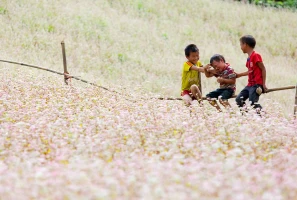
Buckwheat flower fields blooming across the Dong Van Plateau
January — Crisp Air and Ethereal Mountain Mist
January is cold, quiet, and atmospheric. Mist drifts between the peaks and valleys, giving Hà Giang a mysterious cinematic beauty. This month is ideal for travelers who enjoy solitude and moody landscapes, though it is not considered part of the optimal ha giang riding season due to cold temperatures.
February — Blossoms Emerging in the Highland Chill
February brings early blossoms—plum and peach trees begin to paint soft colors across stone villages. The air remains cool, and ha giang loop weather can be foggy in the mornings, but it is still a beautiful time for cultural exploration and photography.
March — One of the Best Months of the Year
March marks a turning point toward warmth and clarity. Temperatures rise, the loop becomes easier to ride, and spring flowers bloom across the plateau. Many consider March part of the best season ha giang thanks to its mild climate and excellent visibility. This month is also highly favorable for the ha giang riding season.
April — Bright Skies and Stable Weather
April is reliable, balanced, and visually stunning. Clear skies illuminate the terraced fields and limestone mountains. This is one of the best times for the Ha Giang Loop, offering the perfect combination of scenic beauty and safe, predictable ha giang loop weather.
.png)
terraced fields in the ripe rice season in Ha Giang
May — The First Rains and the Start of Rice Season
May introduces brief rains that transform the terraced fields into mirrors reflecting the sky. Although showers become more frequent, this month is still manageable for experienced riders. However, beginners may prefer to wait for a drier period in the ha giang riding season.
June — Lush, Rainy, and Intensely Green
June is warm and tropical. Rainfall increases, cloud formations grow dramatic, and the mountains radiate deep shades of green. Because ha giang loop weather can vary significantly during this month, it is recommended to plan flexible itineraries or seek guidance from experienced operators like Frontier Vietnam.
July — Stormy Skies and Dramatic Mountain Moods
July offers sweeping cloudscapes and powerful natural contrasts. While visually captivating, it is not ideal for novices riding the Loop due to slippery passes. Adventurous travelers, however, will find July uniquely compelling.
August — A Calm Transition Toward Autumn
August becomes more stable as the rains lessen. The mountains appear refreshed, vibrant, and bright. Crowds are fewer, making this a comfortable month for those wanting a relaxed experience without sacrificing scenic views.
September — The Beginning of the Best Season Ha Giang
September is widely recognized as part of the best season ha giang, especially for travelers seeking golden rice terraces in Hoàng Su Phì. Weather conditions are near perfect—mild, dry, and ideal for long scenic rides. This is also one of the finest months of the ha giang riding season.
October — Buckwheat Blossoms and Ideal Loop Conditions
October is iconic. Vast fields of buckwheat flowers color the plateau in soft pinks and purples. Dry, cool, and beautifully clear, October is often praised as prime ha giang loop weather and is highly recommended for first-time riders.
November — Cool, Quiet, and Exceptionally Clear
November continues Hà Giang’s peak weather phase. The landscapes are crisp and serene, and the tail end of the buckwheat season remains visible. This month provides some of the best conditions of the year for trekking and photography.
December — Winter’s Quiet Elegance
December brings cold temperatures and frequent mist, especially in Dong Van and the higher passes. While not peak riding season, December offers rare and beautiful atmospheres perfect for travelers seeking stillness, culture, and intimate mountain scenes.
Choosing the Perfect Month for Your Trip
If you wish to match your travel goals with the ideal climate—whether that means scenery, comfort, culture, or the optimal ha giang riding season—a curated itinerary can make all the difference. For a seamless, safe, and highly personalized experience, Frontier Vietnam offers expert guidance tailored to real-time ha giang weather patterns and local insights.
Converting °F to °C When Checking Ha Giang Weather
When using international weather apps to track Ha Giang weather, temperatures often appear in Fahrenheit. To interpret the climate accurately—especially in a region where just a few degrees can change the riding experience—it’s helpful to convert °F to °C quickly and precisely.
Quick Conversion Formula
°C=(°F−32)÷1.8°C = (°F - 32) div 1.8°C=(°F−32)÷1.8
This simple equation allows you to translate any Fahrenheit reading into Celsius, ensuring you understand the actual temperature conditions before beginning your ride or planning your day on the Ha Giang Loop.
°F | °C |
50°F | 10°C |
68°F | 20°C |
77°F | 25°C |
86°F | 30°C |
95°F | 35°C |
Ha Giang Riding Season – When Is the Perfect Time to Conquer the Loop?
For travelers planning to discover Ha Giang on two wheels, understanding the ha giang riding season is essential. The shifting nature of ha giang loop weather throughout the year shapes not only the riding conditions but also the quality of the landscape you’ll experience along the way.
There are two periods widely regarded as the most ideal for motorbike exploration:
March – April: These early spring months offer dry, comfortable weather and excellent visibility. The mountains come alive with peach, plum, and pear blossoms, and the roads remain stable—making this one of the safest and most enjoyable windows of the year for both beginners and seasoned riders.
September – October: Often celebrated as the best season Ha Giang, this period delivers some of the region’s finest scenery. Golden rice terraces sweep across Hoàng Su Phì, the sky turns crystal-clear, and the limestone passes reveal their full grandeur. With minimal rainfall and superb visibility, this is considered peak ha giang riding season.
Together, these two intervals offer the most balanced combination of comfort, safety, and breathtaking scenery—ideal conditions for completing the legendary Hà Giang Loop.
Complete Guide to the Ha Giang Loop → Complete Guide, Itinerary & Big Bike Tips For 2026
Ha Giang Loop Weather – A Landscape That Shifts With Every Meter of Elevation
Along the Ha Giang Loop, the weather changes as subtly—and as dramatically—as a gradient of shifting mountain tones. Each section of the route carries its own atmospheric identity.
Quan Ba – Yen Minh: Cool, refreshing air with occasional layers of soft fog drifting through the pine valleys. The scenery feels calm, muted, and almost dreamlike.
Yen Minh – Dong Van: Dry, crisp, and distinctly highland. The sunlight sharpens, the limestone cliffs grow more defined, and the temperature drops noticeably as you ride deeper into the plateau.
Dong Van – Meo Vac: Clear skies and stronger winds accompany sweeping canyon views. The terrain opens dramatically, revealing vast valleys and some of the most magnificent karst formations in northern Vietnam.
This continuous shift in Ha Giang Loop weather—influenced by altitude, terrain, and seasonal airflow—is what makes the Loop one of the most emotionally engaging routes in Asia. Every turn reveals a new atmosphere, a new color palette, a new feeling.
→ Explore more tour about Northwest Vietnam Ride of Frontier Travel Vietnam
Explore the Ha Giang Loop with Frontier Vietnam
For travelers who want to experience Ha Giang at a higher level of comfort and sophistication—without worrying about the weather, road conditions, or logistical details—Frontier Vietnam offers a curated, premium way to explore the Loop.
Their approach to travel embodies the essence of “luxury adventure,” combining refined service with authentic highland exploration.
What Frontier Vietnam provides:
- Personalized itineraries designed around real-time Ha Giang weather
- Local expert guides with deep regional knowledge
- High-quality service that enhances comfort and safety
- Premium motorbikes, vehicles, and handpicked high-standard homestays
With Frontier Vietnam, every kilometer becomes smoother, safer, and more meaningful—allowing you to fully immerse yourself in the landscapes, cultures, and emotions of the northern frontier.
→ Explore more: Ha Giang Loop Tour with Frontier Vietnam
FAQs – Frequently Asked Questions About Ha Giang Weather
1. What is considered the best season Ha Giang?
The most beautiful periods are September–November and March–April. These months offer the most stunning scenery: peach and plum blossoms in spring, and golden rice terraces in autumn. Weather conditions are stable, skies are clear, and the landscapes are at their most vibrant.
2. Is Ha Giang Loop weather dangerous?
Not if you choose the right season. The Loop is generally safe during the dry months, but caution is needed in the rainy season due to slippery mountain passes.
For a seamless and well-organized journey—especially to reach hidden spots that Google Maps doesn’t guide you to—consider joining a professionally curated tour. Many travelers recommend Frontier Travel Vietnam for a safe, expertly-led, and elevated Ha Giang Loop experience.
3. Is the Ha Giang riding season suitable for beginners?
Yes. The ideal months for first-time riders are March–April and September–October. The roads are dry, visibility is excellent, and ha giang riding season during these periods offers the best balance of safety and scenic beauty.
4. Which months are the coldest in Ha Giang?
Ha Giang is coldest from December to February, especially in Đồng Văn and Mèo Vạc, where temperatures can drop close to 0°C. Travelers should prepare warm clothing if visiting during winter.
5. Should I book a tour with Frontier Travel Vietnam?
Absolutely. Frontier Travel Vietnam is known for offering high-quality, safe, and well-curated “luxury adventure” itineraries. Their deep local knowledge, premium service, and flexible planning—aligned with real-time Ha Giang weather conditions—make them a top choice for travelers seeking an elevated experience.