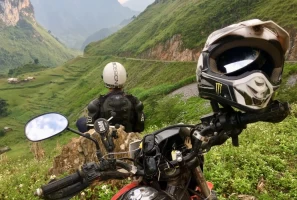
Packing for a Ha Giang loop packing list requires a strategic balance between lightweight utility and heavy-duty protection. Unlike standard backpacking destinations, conquering Northern Vietnam’s rugged frontier on a motorcycle exposes you to rapid elevation changes, unpredictable weather, and demanding terrain. Whether you are executing a self-drive adventure or joining a guided expedition, this comprehensive checklist ensures you pack exactly what you need to ride comfortably and safely with Frontier Travel Vietnam.
1. Essential Travel Documents, Finances, and Essentials
Operating a motorized vehicle through the northernmost districts of Vietnam requires absolute compliance with national transportation laws and border security frameworks. The proximity of the circuit to sensitive international boundary zones means that local authorities maintain active monitoring networks over foreign nationals.
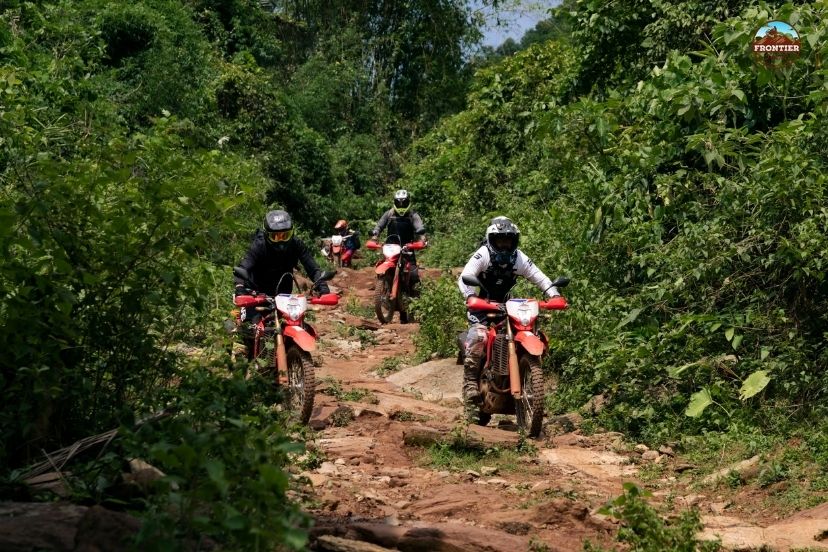
A Ha Giang loop packing list prevents checkpoint delays
1.1. Mandatory Documents & Credentials
When preparing for your Ha Giang Loop Motorbike Tour, keeping your core documents secure is the top priority. Your original passport must have at least 180 days of validity from your entry date, and it is highly recommended to store it, along with your visa, inside a heavy-duty waterproof zip-lock bag. Additionally, entering the restricted northern border zones of Dong Van and Meo Vac requires a specialized Ha Giang Border Permit, which is essential for checking into local ethnic homestays.
We understand that international driving regulations can be confusing and converting to a local Vietnamese license takes time you might not have. To ensure a smooth journey, simply carry your original national motorcycle license, passport, and visa with you at all times. Booking with a reputable tour operator is the easiest solution, as they will handle your border permits and provide immediate on-the-ground support during the trip.
1.2. Cash and practical items in a Ha Giang loop packing list
Isolated mountain villages operate entirely on physical paper currency. The high-altitude economies of the far north operate almost exclusively on physical cash transactions, meaning that digital credit cards or mobile payment applications are completely useless outside of major towns. Independent riders must carry a minimum of 500,000 to 1,000,000 Vietnamese Dong in cash per day to cover roadside fuel, homestay meals, and hand-woven ethnic minority textiles.
Beyond finances, your Ha Giang loop packing list should include high-quality polarized sunglasses to reduce intense mountain glare and visual fatigue. Pack durable trail-running shoes with aggressive rubber tread for walking at steep viewpoints, exploring limestone caves, and following local village footpaths after stepping off the motorcycle.
2. Professional Riding Gear: The Ultimate Protection Checklist
The extreme vertical topography of the northern loop features tight hairpin turns, loose gravel beds, and unpredictable traffic patterns that demand premium protective apparel. Wearing low-quality plastic pads or standard casual streetwear leaves your body completely vulnerable to severe friction burns and orthopedic fractures during a low-speed slide.
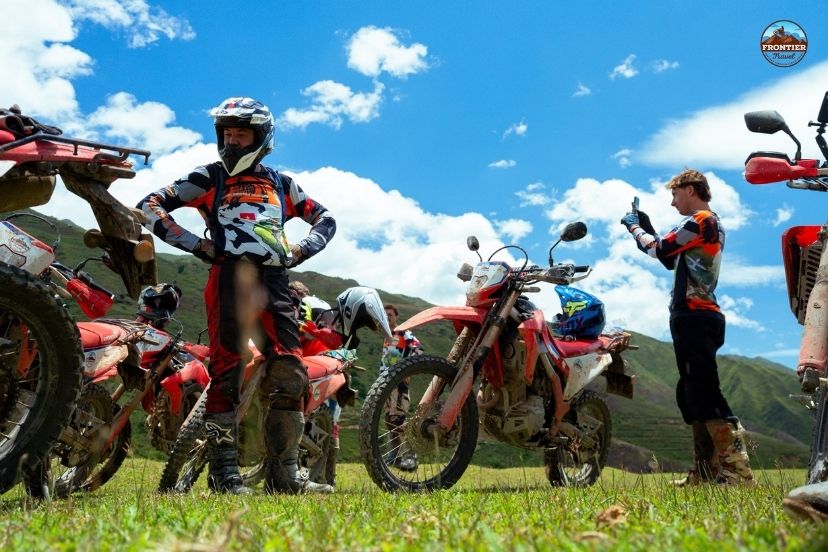
Certified armor reduces injury on rough terrain
2.1. Head and Eye Protection
Certified full face helmets offer comprehensive facial impact mitigation. An internationally certified helmet featuring either an ECE 22.06 or DOT safety rating represents your primary piece of survival equipment on these technical mountain roads. We strongly advise against using basic open-face shells, as full-face or high-grade modular configurations offer critical structural jaw protection if a collision occurs on steep gradients.
If your chosen helmet style utilizes a specialized motocross configuration without an integrated face shield, you must pack a pair of heavy-duty sealed goggles. These specialized lenses protect your vision from fine limestone dust particles, flying stone chips thrown by construction trucks, and high-velocity insects that can instantly blind a rider during high-altitude descents. Adding these robust optical safety elements to your comprehensive Ha Giang loop packing list layout dramatically lowers the probability of debris-induced riding accidents.
2.2. Upper and Lower Body Armor
Reinforced textile fabrics deliver superior abrasion protection across asphalt. Managing your physical safety across varying altitudes on Ha Giang Loop Motorbike Tour requires specialized body armor configurations tailored to specific seasonal temperatures. During the hot summer months, riders should employ a lightweight, high-airflow mesh armor rig that positions CE Level 2 protective pads firmly over the spine, shoulders, and elbows.
For winter expeditions, your Ha Giang loop packing list should include an insulated, windproof riding jacket with integrated impact padding to block cold mountain winds. Pair it with durable 600-denier textile riding pants featuring built-in hip and knee guards to help protect against abrasion during an unexpected slide on sharp limestone terrain.
2.3. Extremity Protection
Stiff ankle supports protect your lower joints from unexpected stalls. Your hands require well-fitted, pre-curved motorcycle gloves featuring carbon-fiber knuckle sliders and reinforced palm sliders to absorb the primary impact forces during a forward fall.
True safety requires a Ha Giang loop packing list that includes high-top motocross or heavy adventure touring boots with stiff ankle support, reinforced soles, and hard shin protection. These rigid boots help reduce ankle twists, protect the feet if the motorcycle tips over, and provide stable grip on wet footpegs.
3. Clothing Layering Strategy for Rapid Altitude Shifts
The complex geography of the northern provinces creates extreme microclimate variations where temperatures can shift by up to 15°C within a single hour of driving. A rider can easily transition from a sweltering 35°C alluvial river valley up into a freezing, rain-slicked mountain gap sitting inside a dense cloud layer.
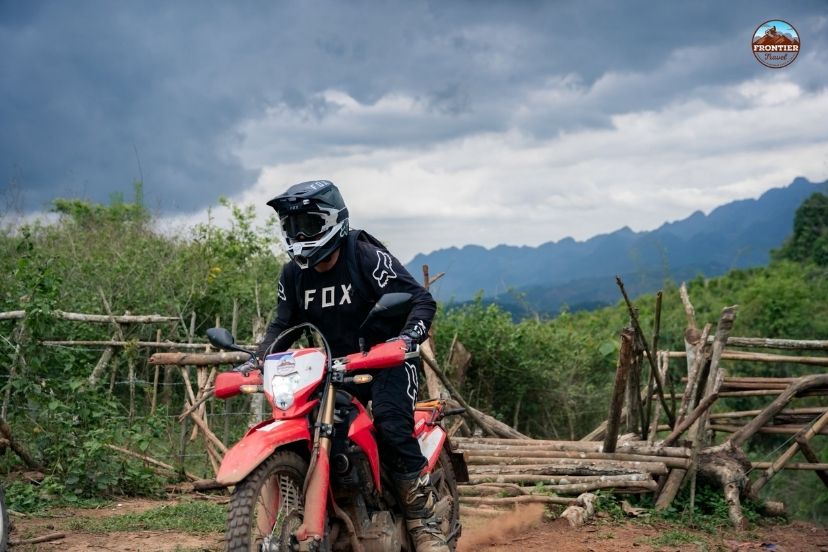
Insulated clothing adapts to sudden temperature changes
3.1. Riding in the Heat vs. High-Altitude Chills
Polyester base layers accelerate sweat evaporation during technical riding sections. Your primary base layer must consist of premium, moisture-wicking synthetic polyester fabrics that quickly pull sweat away from your skin during intense, technical low-valley driving segments. When your convoy climbs into the high-altitude zones of Dong Van or Meo Vac, you must immediately add a compact fleece or thermal mid-layer to trap your body heat.
Relying on heavy cotton sweaters or bulky denim jackets is an operational mistake, as these materials absorb moisture, dry slowly, and lead to rapid wind-chill hypothermia during long descents. Incorporating specialized thermal liners into your core Ha Giang loop packing list targets ensures your physical reflexes remain completely sharp when temperatures drop unexpectedly.
While managing your core temperature is critical, you must also prepare for the sudden tropical storms that regularly sweep across the high mountain passes. Let us analyze why heavy-duty monsoon protection is an essential component of your gear list regardless of your departure date.
3.2. Monsoon Preparedness
Heavy duty rain sets maintain core dryness during sudden downpours. Sudden, high-velocity tropical storms can hit the northern mountains at any time, making a professional-grade, two-piece motorcycle rain suit a non-negotiable requirement for every rider. Cheap, disposable plastic ponchos are incredibly dangerous on a motorcycle because they flap violently at speed, block your peripheral vision.
Your packing list must include a heavy-duty nylon or Gore-Tex rain jacket and matching trousers featuring heat-sealed seams and high-visibility reflective strips. This specialized wet-weather gear keeps your inner layers dry, acts as a highly effective wind breaker, and ensures you remain visible to large commercial vehicles during heavy downpours.
4. Electronics, Medical Kit, and Luggage Management
A well-organized Ha Giang loop packing list is essential when carrying expensive cameras, personal medication, and sensitive electronics over unpaved terrain. Continuous motorcycle vibrations and sudden moisture exposure can affect delicate equipment, so cameras and critical supplies should be stored in padded, waterproof compartments securely fastened to the bike.
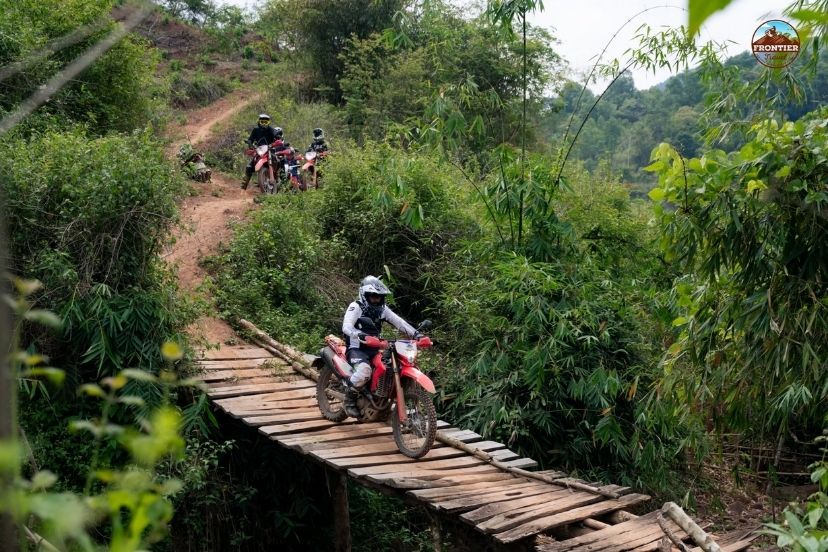
Durable storage protects electronics from strong vibrations
4.1. Keeping Your Electronics Alive
High capacity lithium batteries require complete insulation from moisture penetration. Documenting the spectacular scenery of the far north requires a reliable power management system to keep your action cameras, and navigation smartphones functional throughout long tracking days. Your gear must include an IP67-rated waterproof power bank with a minimum capacity of 20,000mAh, paired with heavy-duty multi-port wall chargers for your evening homestay stops.
Utilizing robust, vibration-dampening handlebar mounts featuring integrated silicone dampers is essential to protect your smartphone's internal camera sensors from the continuous vibrations of the road. Allocating space for these specialized charging cells within your dynamic Ha Giang loop packing list assembly guarantees uninterrupted digital documentation across the entire border run.
Alongside securing your expensive electronics, you must prioritize your physical well-being by packing a compact medical kit designed for remote environments. Let us review the essential emergency medical items required to handle minor roadside incidents independently.
4.2. Compact Roadside Medical Kit
Antiseptic treatments prevent secondary infections from remote road dust exposure. Because professional medical facilities and western pharmacies are incredibly rare along the isolated border tracks, carrying a compact, highly organized first-aid kit is an essential safety requirement. Your kit must contain high-grade antiseptic wipes, sterile gauze compresses, medical tape, multi-size adhesive bandages, and specialized blister pads to treat minor friction injuries.
Additionally, your Ha Giang loop packing list should include oral rehydration salts for hot valley riding days, basic pain relief medication, and any personal prescriptions. Store these essentials in a clearly marked, easily accessible waterproof pocket so you can reach them quickly without unpacking your entire motorcycle luggage.
Once your documents, safety armor, and support gear are fully organized, your final step is mastering the weight distribution rules of motorcycle luggage packing. Let us analyze why large suitcases are dangerous on mountain roads and establish the standard bike rack mounting protocols.
4.3. Luggage Rules: Backpack vs. Bike Rack
Heavy tail rack cargo configurations require secure industrial ratchet ties. Attempting to drive through tight mountain switchbacks while wearing a heavy, oversized 60L travel backpack is an operational mistake that causes severe lower back strain and throws off your natural center of gravity. The definitive rule of the road is to leave your primary hard-shell suitcase securely at our base station and pack your essentials into a compact 20L to 30L waterproof dry bag.
This compact bag is then strapped directly to your motorcycle's heavy-duty steel rear rack using industrial-grade ratchet straps or high-tension bungee cords. Keeping the weight low, centered, and tightly secured to the motorcycle chassis improves your handling dynamics, balances your suspension compression, and ensures total comfort through the tight mountain curves during your personal Ha Giang loop packing list journey.
5. Frequently Asked Questions Regarding Ha Giang Packing
Planning a long-distance motorcycle tour through extreme alpine terrain naturally introduces multiple questions regarding equipment availability and luggage logistics. Our professional mechanical and guiding teams have compiled answers to the most common questions asked by incoming riders.
5.1. Do I need to be fully prepared with riding gear before joining the trip?
While it is always best to bring your own broken-in, favorite riding gear for the ultimate fit and comfort, you don’t need to pack everything if space is tight. Frontier provides basic, essential protective gear items on-site to help get you ready for the road.
However, because our stock and sizing options may vary, we highly recommend preparing your own specialized, professional-grade protective equipment in advance. Fine-tuning your Ha Giang loop packing list with your own trusted gear ensures the best personal fit and maximum impact protection throughout the journey.
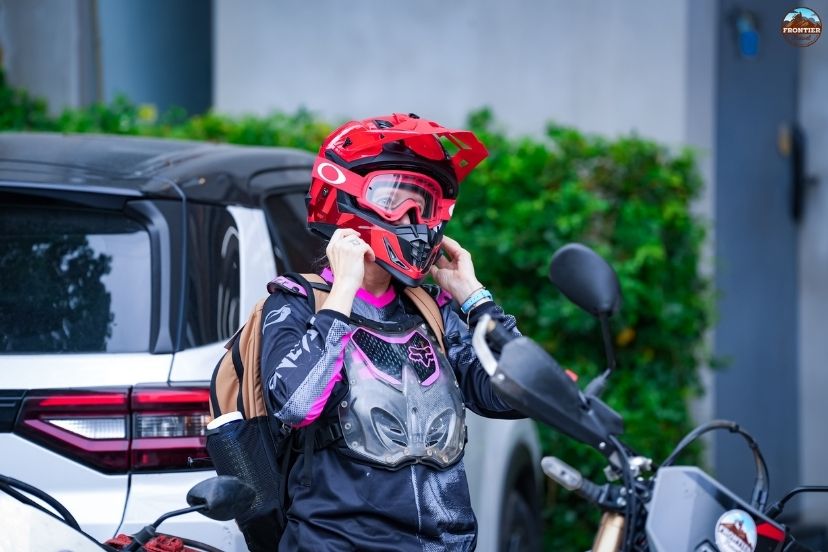
Rental stations provide protective gear support
5.2. How do I keep my valuables dry during sudden mountain downpours?
You must implement a multi-tiered waterproofing defense system by packing your passport, electronics, and paper currency into individual silicone zip-lock pouches before placing them into your main luggage.
That entire inner kit must then reside inside an industrial-grade PVC dry bag that seals tightly via a roll-top mechanism, ensuring total protection against sustained rain and deep water crossings. Securing these protective plastic layers inside your primary Ha Giang loop packing list layout keeps your digital storage drives completely dry.
5.3. What happens to my main luggage while I am out riding the loop?
Our professional tour headquarters provides secure, complimentary long-term luggage storage facilities at our base station, allowing you to ride light with only a compact, rack-mounted dry bag containing your essential gear components. Relying on this luggage preservation service means you never have to overload your dual-sport machine with non-essential items on your Ha Giang loop packing list run.
Conclusion
Perfecting your Ha Giang loop packing list is the foundational step toward a safe, comfortable, and truly epic journey through Vietnam’s final frontier. By packing smart, prioritizing professional protective armor, and carrying the right documentation, you free your mind to focus entirely on the sweeping mountain curves and breathtaking vistas ahead. Book your tour or premium dual-sport rental with Frontier Travel Vietnam today.