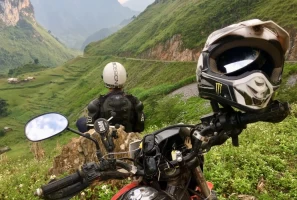
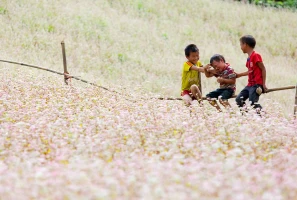
Ha Giang local food what to eat is one of the most exciting questions for travelers exploring Vietnam’s northern mountains. Beyond dramatic passes, limestone peaks, and winding motorbike roads, Ha Giang is also a land of rich ethnic cuisine, warm homestay meals, highland markets, and unique mountain specialties. In this guide, Frontier Travel Vietnam will take you through the must-try dishes, local drinks, food markets, and authentic eating experiences that make every Ha Giang adventure even more memorable.
1. Introduction Ha Giang food is part of the adventure
Ha Giang is not only a destination for motorbike riders and photographers. It is also a place where food reflects the daily life of Hmong, Tay, Dzao, Lo Lo, Nung, and other ethnic communities living across the mountains. This ha giang local food what to eat guide helps travelers experience the province through flavors, not only viewpoints.
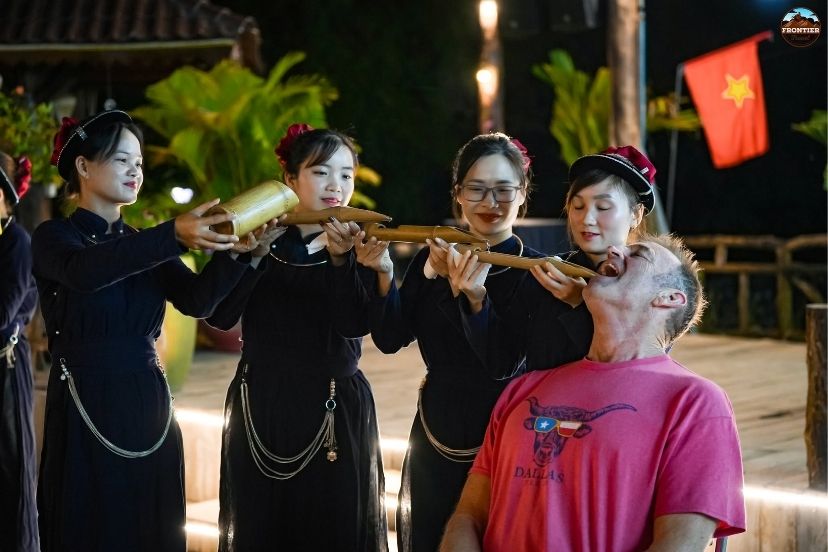
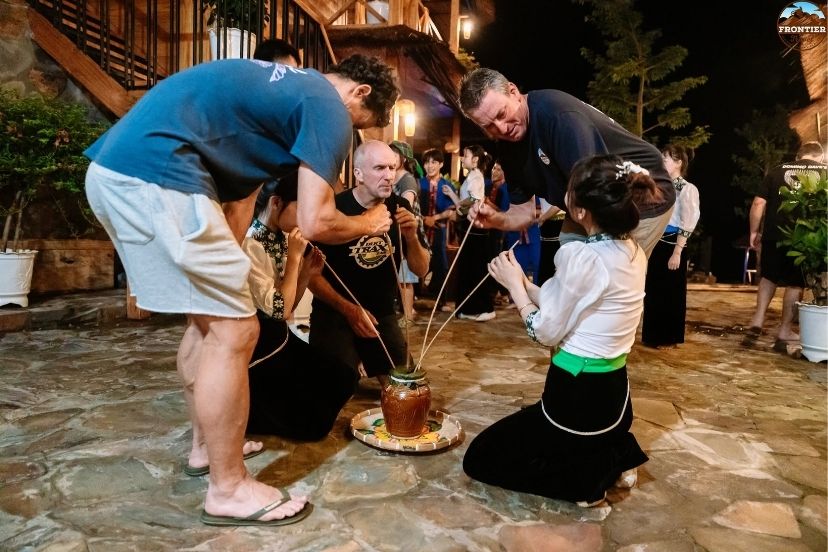
Ha giang local food what to eat traditional ethnic minority meal
The food here is usually simple, hearty, seasonal, and closely connected to the land. Corn, rice, vegetables, herbs, forest ingredients, livestock, honey, tea, and local wine all appear naturally in meals along the loop.
Travelers will discover traditional dishes, market food, homestay meals, local drinks, edible souvenirs, and practical eating tips. With Frontier Travel Vietnam, food can become a cultural highlight of the journey rather than just a quick stop between riding days.
2. Must-try traditional dishes in Ha Giang
Traditional food is the heart of any local food. Some dishes may feel familiar, while others are bold, rustic, or completely new for foreign travelers. Before judging by appearance, try to understand the story behind each dish and the mountain lifestyle that created it.
A serving of traditional Ha Giang five colored sticky rice and local mountain specialties
2.1. Thang Co: The iconic highland stew
Thang co is one of the most famous traditional dishes in Ha Giang and is often found at local markets. It is a highland stew with a strong flavor, usually connected with Hmong culture, market gatherings, and cold mountain weather.
For adventurous eaters, thang co is worth trying at least once because it represents the old food culture of the region. It may not be the easiest dish for everyone, but it is one of the clearest answers to ha giang local food what to eat if you want something truly local.
2.2. Au Tau Porridge: A warm dish for cold mountain nights
Au tau porridge is a comforting evening dish that many travelers remember after a cold riding day. It has a warm, slightly bitter, rich taste and is usually eaten slowly when the temperature drops in the highlands. If you are tired after a long day on the loop, au tau porridge is one of the best local comfort foods to try.
2.3. Five-colored sticky rice
Five-colored sticky rice is beautiful, symbolic, and often linked with ethnic festivals, family celebrations, and highland markets. The colors are usually created with natural leaves and plants, giving the dish a festive appearance.
It is not only a photogenic food but also a cultural dish that shows how local communities connect cooking with tradition. For travelers asking ha giang local food what to eat, this is a gentle, easy-to-enjoy dish that still feels meaningful.
2.4. Bac me bamboo-tube rice
Bac Me bamboo-tube rice is simple but memorable because the rice is cooked inside bamboo tubes. This gives it a natural fragrance, soft texture, and rustic mountain character. Compared with stronger dishes like thang co, bamboo-tube rice is friendly for most travelers and works well as part of a local lunch.
3. Best street food and market food in Ha Giang
Markets are where Ha Giang food culture feels most alive. You can see people buying vegetables, selling livestock, eating breakfast, drinking tea, and meeting friends after traveling from mountain villages. This ha giang local food what to eat section focuses on easy street foods and market dishes that travelers can enjoy during the loop.
Local food stalls bustling with travelers at a weekend highland market
3.1. Dong Van Rice Rolls
Dong Van rice rolls are one of the best breakfast dishes before a riding day. Unlike some rice rolls in other parts of Vietnam, they are often served warm with broth, herbs, and local toppings. The texture is soft, the flavor is light, and the meal is filling without being too heavy. This makes it perfect before mountain roads, especially if you want something warm but not oily.
3.2. Buckwheat Cake
Buckwheat cake is one of the most recognizable snacks in Ha Giang, especially during buckwheat flower season. It has a soft, earthy taste and is strongly connected with the province’s highland identity.
Travelers often see buckwheat cake at markets, festivals, and small food stalls. In a ha giang local food what to eat list, this snack deserves a place because it represents both the landscape and the food culture of the region.
3.3. Grilled Skewers and Mountain Snacks
Grilled skewers are easy to find around markets, small towns, and evening food areas. You may see grilled pork, sausage, eggs, sweet potatoes, corn, and other simple snacks cooked over charcoal. They are especially enjoyable in cool weather when riders want a quick bite before returning to the road or walking around town.
3.4. Local Market Breakfast Experience
Eating breakfast at Dong Van Market, Meo Vac Market, or small village markets is one of the best ways to experience real highland life. It is not only about the food but also about the sounds, colors, clothing, conversations, and morning energy. If you want ha giang local food what to eat with real atmosphere, do not skip the local markets.
4. Ha Giang homestay meals: What to expect
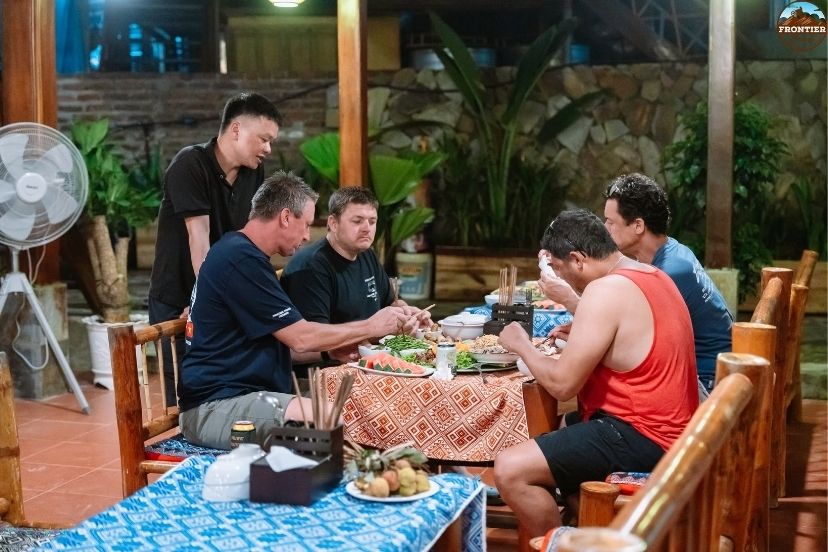
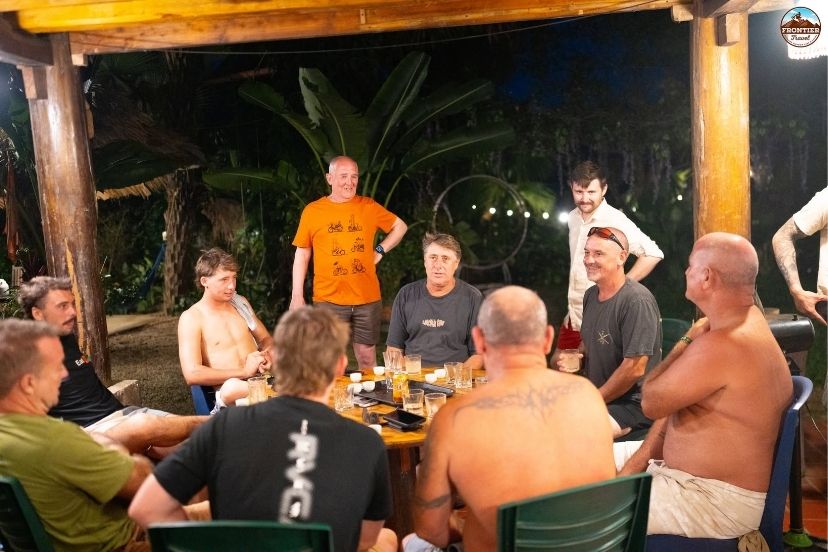
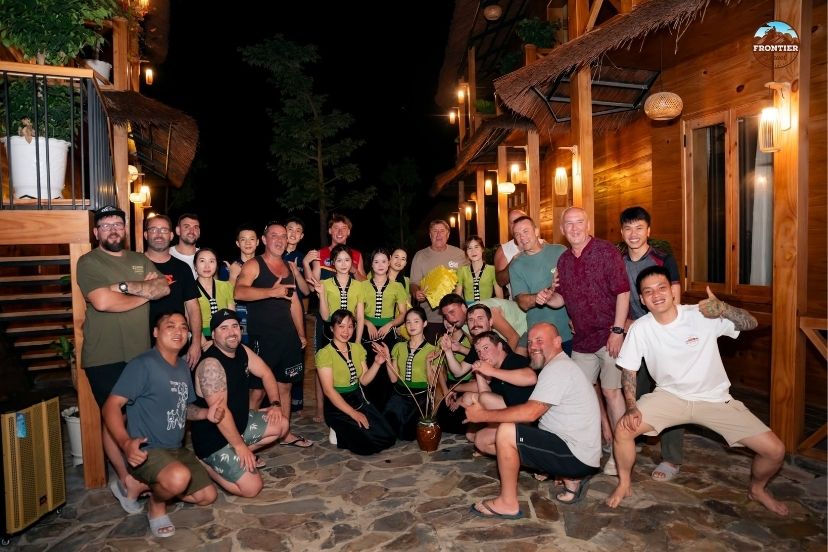
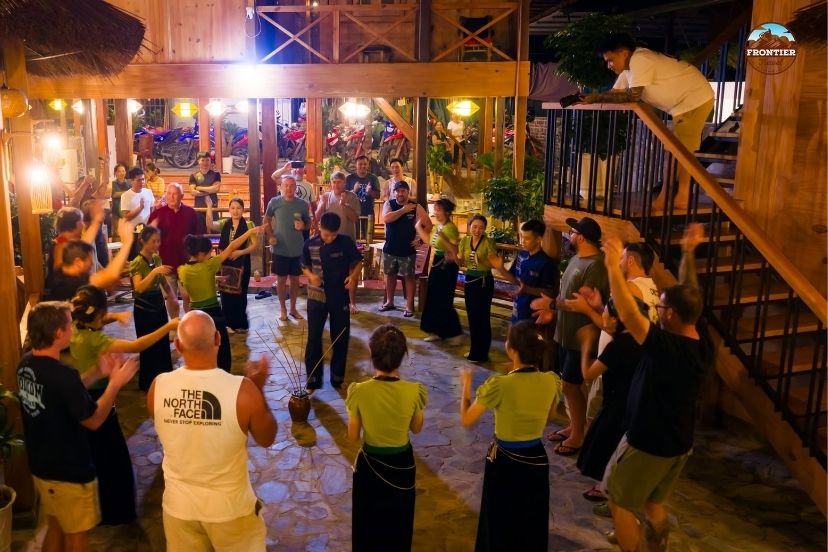
Homestay meals are one of the most memorable parts of traveling in Ha Giang. After hours of riding through passes, valleys, and villages, sitting down to a shared dinner feels warm and human. This ha giang local food what to eat experience is less about restaurant style and more about hospitality.
Riders sharing a cozy family style dinner at a local valley homestay
4.1. Family-Style Dinner After a Riding Day
A typical homestay dinner includes shared dishes, rice, vegetables, grilled meat, soup, dipping sauces, and local specialties. Guests usually sit together, talk about the day, and enjoy the slower rhythm of village life.
4.2. Black Chicken and Local Hotpot
Black chicken and mountain-style hotpot are comforting choices for groups, especially during cold evenings. The broth is warm, the meal is social, and everyone can share vegetables, meat, tofu, and noodles at the same table.
Hotpot is also practical after a physically demanding riding day because it is filling and easy to enjoy. For many travelers, it becomes one of the best answers to ha giang local food what to eat after finishing a tough mountain section.
4.3. Fresh Mountain Vegetables
Vegetables in Ha Giang are often simple but fresh. They may be stir-fried with garlic, boiled, added to soup, or served as part of a shared meal. Even basic greens can taste excellent after a day of riding through cold air and mountain roads.
4.4. Corn Wine and Local Hospitality
When exploring ha giang local food what to eat, corn wine is one local specialty that often appears at gatherings and homestay dinners. It is commonly offered as a gesture of hospitality, especially in ethnic communities where drinking together is part of social connection. A small taste can be a memorable cultural experience, but too much alcohol can make the next riding day unsafe and uncomfortable.
5. Local drinks and specialties to buy in Ha Giang
Ha Giang is also known for drinks and food souvenirs that travelers can bring home. These products reflect mountain farming, local plants, old trees, household kitchens, and market traditions. If your ha giang local food what to eat journey includes gifts, these are the specialties worth looking for.
Authentic Shan Tuyet tea and premium mint honey packaged as local gifts
5.1. Ha Giang Corn Wine
Ha giang local food what to eat corn wine is traditionally made from mountain corn and local fermentation methods. It is strongly connected with Hmong culture, local meals, and highland hospitality. The flavor can be strong, so visitors should drink slowly and respectfully. If buying corn wine as a gift, choose a reliable seller and check packaging carefully before traveling.
5.2. Mint Honey
Mint honey is one of Ha Giang’s most famous specialties, especially from the Dong Van Karst Plateau area. It has a light sweetness, gentle fragrance, and strong gift value for travelers who want something local but easy to carry.
5.3. Shan Tuyet Tea
Shan Tuyet tea is a highland tea specialty connected with old tea trees and misty mountain areas. It has a distinct aroma and is often appreciated by travelers who enjoy tea culture. Buying tea can also support local communities when purchased from trusted producers. For a ha giang local food what to eat souvenir, Shan Tuyet tea is elegant, practical, and deeply connected to the mountains.
5.4. Smoked Buffalo Meat
Smoked buffalo meat is a popular mountain specialty, often seasoned and dried above the kitchen fire. It has a smoky, savory flavor and is commonly bought as a food gift. The texture is firmer than fresh meat, and the taste can be intense. If you plan to bring it home, ask for proper packaging and check whether it fits your travel restrictions.
5.5. Seasonal Fruits
Ha Giang markets and roadside stalls may offer seasonal fruits such as persimmons, oranges, plums, peaches, or other local produce depending on the time of year. These fruits are simple, refreshing, and useful during long travel days.
6. Where to eat local food in Ha Giang
Knowing what to eat is only half of the experience. Knowing where to eat helps travelers enjoy local dishes at the right time and in the right setting. This ha giang local food what to eat guide now follows the route from Ha Giang City into the mountains.
Famous food stops and traditional restaurants along the Ha Giang loop route
6.1. Ha Giang City Before Starting the Loop
Ha Giang City is a good place to try local restaurants, simple rice meals, breakfast shops, and cafes before starting the journey. It is convenient because most travelers stay near tour offices, hotels, hostels, and bike rental locations.
6.2. Quan Ba and Yen Minh
Quan Ba and Yen Minh are useful stops for noodle soup, rice dishes, local snacks, and simple mountain meals. These towns are often part of the early loop, so they work well for lunch or a short rest. Riders should choose meals that are filling enough for the road but not too heavy before more mountain riding.
6.3. Dong Van Old Town
Dong Van Old Town is one of the best places to enjoy rice rolls, coffee, hotpot, market food, and evening meals. The atmosphere is especially pleasant after a long day of riding through the karst plateau. Travelers can walk around, eat slowly, and enjoy the old-town feeling. If you are building a ha giang local food what to eat plan, Dong Van should be one of your main food stops.
6.4. Meo Vac Market and Local Food Stalls
Meo Vac Market is a lively place to experience ethnic market food and weekend culture. Travelers may see people from nearby villages coming to trade, eat, socialize, and shop. Food stalls here can offer a direct look into local life. Even a simple breakfast or snack feels more memorable because the market atmosphere is so strong.
6.5. Homestays in Du Gia or Local Villages
Village homestays in Du Gia or smaller communities are ideal for slower meals and family-style dining. They allow travelers to experience food as part of daily life rather than as a restaurant service. These dinners often become the emotional highlight of the journey because they connect food, people, and place.
7. Food tips for first-time visitors in Ha Giang
Food in Ha Giang is exciting, but first-time visitors should eat smartly. Strong flavors, alcohol, remote roads, and cold weather can affect how you feel during the ride. A safe ha giang local food what to eat plan balances curiosity with comfort.
Important dining advice and health tips for first time motorbike travelers
7.1. Be Open-Minded but Know Your Comfort Level
Travelers should try new dishes, but they should also understand their own limits. Some local foods may have strong flavors, unfamiliar ingredients, or textures that are very different from Western meals.
7.2. Eat Warm Food During Cold Mountain Weather
Warm food is especially helpful during cold weather, fog, or rainy riding days. Porridge, noodle soup, hotpot, grilled dishes, rice meals, and hot tea can help your body recover. It is also smart to bring water, fruit, energy bars, or simple snacks for remote roads. Some sections may not have many food stops, especially outside main towns.
7.3. Drink Alcohol Responsibly
Corn wine can be part of local hospitality, but riders must be careful. Do not drink before riding, and avoid drinking too much at homestays if you need to ride early the next morning. A guided tour can help create a safer rhythm around meals, rest, and riding. Frontier Travel Vietnam encourages travelers to enjoy local culture while keeping safety first.
7.4. Support Local Markets and Family-Run Restaurants
Eating locally helps small businesses, families, and communities along the loop. Markets, homestays, roadside shops, and family-run restaurants are part of the real Ha Giang travel experience. Instead of only choosing familiar tourist restaurants, try local meals when possible. This makes your ha giang local food what to eat journey more authentic and more meaningful.
8. Ha Giang local food what to eat: FAqs and final food guide
Travelers often ask similar questions before visiting Ha Giang for the first time. These answers help you choose dishes, plan meals, and avoid common mistakes. Use this ha giang local food what to eat FAQ as a simple guide before your northern adventure.
Frequently asked questions about ingredient safety and authentic dishes in Ha Giang
8.1. Ha Giang local food what to eat: What is the most famous food?
The most famous foods include thang co, au tau porridge, buckwheat cake, Dong Van rice rolls, smoked buffalo meat, and corn wine. Five-colored sticky rice, bamboo-tube rice, black chicken, and mint honey are also important local specialties.
8.2. Is Ha Giang food suitable for foreigners?
Yes, many dishes are easy for foreigners to enjoy, especially rice rolls, hotpot, grilled meat, sticky rice, bamboo-tube rice, noodle soup, and fresh vegetables. More adventurous dishes like thang co may require an open mind and a willingness to try stronger flavors.
8.3. Where is the best place to try local food in Ha Giang?
If you are wondering ha giang local food what to eat, some of the best places to start are Dong Van Market, Meo Vac Market, Dong Van Old Town, local homestays, Ha Giang City, and small family-run restaurants along the loop. Markets are ideal for trying street food and enjoying the lively highland atmosphere, while homestays offer a more authentic experience through shared meals.
8.4. What food should I buy as a gift from Ha Giang?
Good food gifts include mint honey, Shan Tuyet tea, smoked buffalo meat, buckwheat cake, corn wine, and seasonal fruits. Choose clean packaging, trusted sellers, and products that can travel safely.
8.5. Can Frontier Travel Vietnam help me experience local food?
Yes, Frontier Travel Vietnam can help travelers enjoy authentic local meals, market stops, homestay dinners, regional specialties, and safe food choices during a well-planned motorbike tour. This makes ha giang local food what to eat easier because guides know where to stop and what dishes fit each part of the route.
9. Conclusion
Ha giang local food what to eat is not only a question about dishes. It is a question about culture, people, weather, markets, ethnic communities, and the mountain lifestyle of Northern Vietnam. From thang co, au tau porridge, Dong Van rice rolls, and buckwheat cake to corn wine, mint honey, Shan Tuyet tea, smoked buffalo meat, and warm homestay meals, every flavor tells a story. With Frontier Travel Vietnam, your ha giang local food experience can become one of the most memorable parts of your northern motorbike journey.