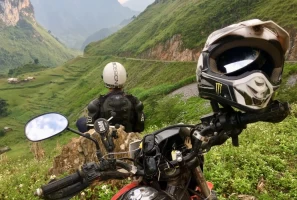
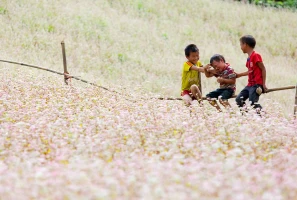
The Du Gia Ha Giang motorbike loop detour is one of the most rewarding additions to Northern Vietnam’s legendary mountain adventure. Hidden deep among limestone valleys and winding mountain roads, Du Gia offers a quieter and more authentic side of the Ha Giang Loop away from the busier tourist sections.
From peaceful rice fields and remote ethnic villages to jungle roads and natural waterfalls, this detour transforms the classic loop into a deeper cultural and scenic exploration. With expert guidance from Frontier Travel Vietnam, travelers can experience the raw beauty, local traditions, and breathtaking landscapes that make Du Gia one of the most unforgettable highlights of the Ha Giang Loop.
1. What Is the Du Gia Ha Giang Motorbike Loop Detour?
The Du Gia Ha Giang motorbike loop detour is an extended route added to the classic Ha Giang Loop, taking riders deeper into the remote mountain regions of Northern Vietnam. Instead of returning directly from Meo Vac to Ha Giang City via the standard highway, travelers ride south through Du Gia village and its surrounding valley matrix to experience a quieter, more isolated part of the province.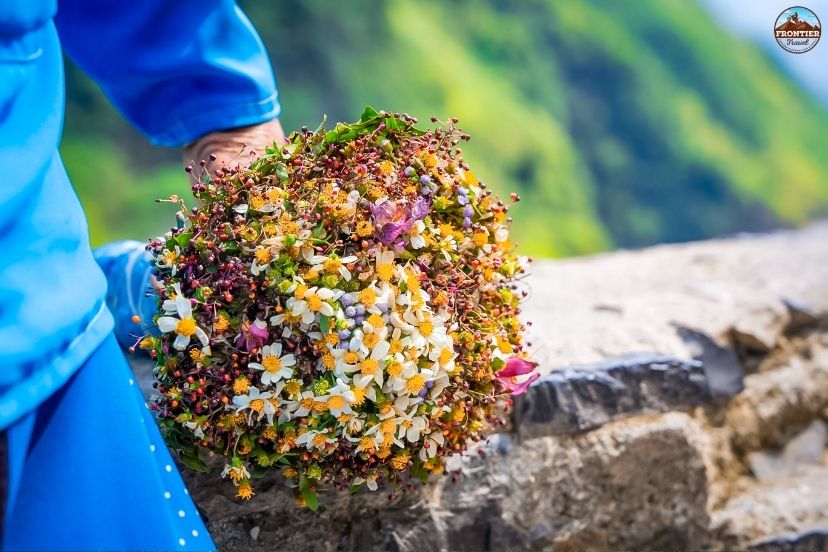
A rider navigating the winding roads on the stunning Du Gia Ha Giang motorbike loop detour.
For many riders, taking the Du Gia Ha Giang motorbike loop detour becomes the emotional and spiritual highlight of the entire Ha Giang Loop experience. It bridges the gap between high-adrenaline cliffside driving and peaceful, slow-paced rural exploration, offering a comprehensive look at the northern highlands.
2. Why Du Gia Is One of the Best Parts of the Ha Giang Loop
The inclusion of this valley completely alters the rhythm of your motorcycle expedition, introducing elements of tranquility that balance out the jagged limestone peaks of the far north. Exploring this region allows you to connect with nature on a much more intimate level than the primary tourist tracks allow.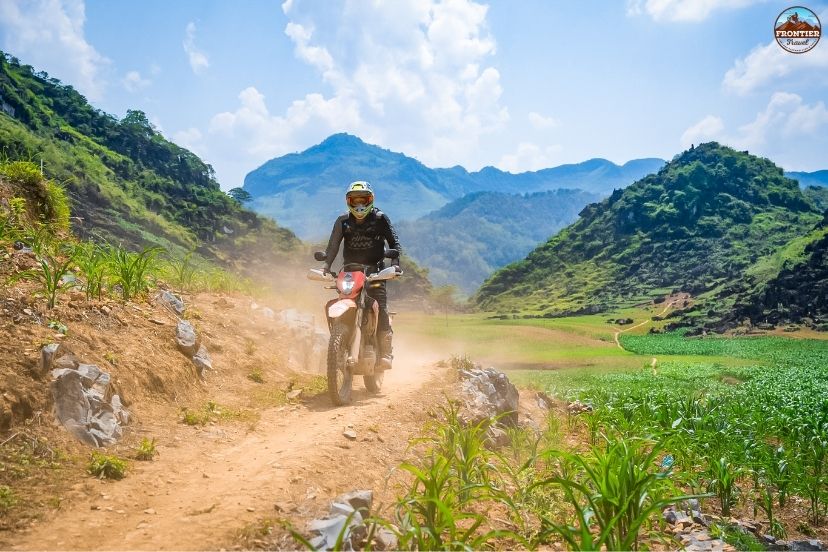
Peaceful atmosphere and towering limestone peaks surrounding the Du Gia valley.
2.1 Peaceful Mountain Atmosphere Away from Tourist Crowds
Unlike Dong Van or the crowded viewpoints of Ma Pi Leng Pass, the area surrounding the Du Gia Ha Giang motorbike loop detour feels slower, quieter, and more deeply connected to local daily life. The village is nestled in an expansive basin surrounded by green rice fields, winding rivers, and towering limestone peaks that create a calm, therapeutic atmosphere after days of technical mountain riding.
2.2 Stunning Scenic Roads Leading into the Valley
The technical roads connecting Meo Vac and Du Gia are among the most visually rewarding sections of the entire northern territory. Riders tackle the Du Gia Ha Giang motorbike loop detour by passing through rugged canyon floor routes, hidden mountain notches, steep vertical cliffs, and sweeping backroads that see very few tour groups.
2.3 Authentic Ethnic Minority Culture
The valley is home to several distinct ethnic minority communities, including the Tay, Hmong, and Dao people. Their traditional wooden stilt houses, terraced farms, and peaceful daily routines create meaningful opportunities for respectful cultural interactions. Travelers on the Du Gia Ha Giang motorbike loop detour can experience:
- Traditional wooden homestays hanging over streams
- Local farm-to-table cooking techniques
- Large, welcoming family-style dinners
- Ancient ethnic customs, weaving styles, and agricultural lifestyles
These intimate human interactions make the journey far more immersive than simply observing the mountain landscapes from afar.
2.4 Relaxed Ending to the Ha Giang Loop
After conquering the demanding switchbacks and intense drop-offs of the northern passes, the Du Gia Ha Giang motorbike loop detour offers a much more relaxed riding environment before you make your final push back to Ha Giang City. The reduced traffic and gentler terrain allow motorists to lower their guard, rest their muscles, and enjoy Northern Vietnam’s landscapes in a calmer setting.
3. Best Scenic Highlights Along the Du Gia Detour
The geographic profile of this detour contains several remarkable natural landmarks that justify the extra miles added to your motorcycle trip. Each landmark along the route shows off a different side of the province's wild, untouched interior character.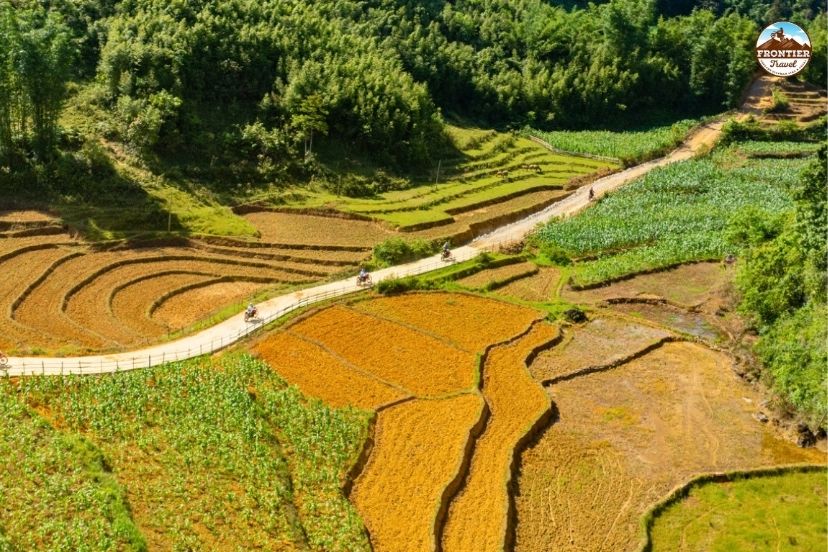
Stunning golden rice terraces blanketed across the Du Gia hillsides during harvest season.
3.1 Du Gia Village & Rice Valleys
Du Gia village is surrounded by expansive rice terraces, bamboo groves, and rolling green ridges that form one of the most photogenic rural settings in Northern Vietnam. The visual character of the valley shifts dramatically depending on the agricultural calendar:
- Brilliant emerald-green valleys during the spring and summer planting phases
- Blazing golden rice fields blanketed across the hillsides during the autumn harvest season
- Mysterious, mist-covered mountain silhouettes during the cool winter months
This natural beauty makes the valley an ideal overnight rest stop on the Du Gia Ha Giang motorbike loop detour.
3.2 Du Gia Waterfall
One of the most celebrated natural landmarks near the village settlement is the Du Gia Waterfall, a pristine swimming hole tucked inside the jungle-covered mountains. Travelers regularly navigate the rocky trail to this spot to wash off the road dust and relax after long riding hours through the highlands..
3.3 Remote Mountain Backroads
The secondary trails radiating outward from the main village offer a raw, adventurous riding experience compared to the primary state highways. Motorists tackling the Du Gia Ha Giang motorbike loop detour pass through unpaved paths, small river crossings, dense forested hills, and quiet family farming plots rarely visited by standard tours.
3.4 Sunrise & Morning Mist Landscapes
Waking up early along the Du Gia Ha Giang motorbike loop detour rewards you with soft, low-lying mountain fog, quiet rice terraces, and golden beams of sunlight slowly piercing the valley walls. This calm, mystical atmosphere creates incredible opportunities for landscape photography and offers a serene mood that contrasts sharply with the rugged, windy pass summits experienced earlier in the trip.
4. How the Du Gia Detour Changes the Ha Giang Loop Experience
Modifying your route itinerary to include this southern sector fundamentally upgrades the structural dynamic of your entire Vietnamese motorbike journey. It adds balance to an adventure that might otherwise feel overwhelmingly rugged and industrial in its geology.
Motorists enjoying a deep on the scenic Du Gia Ha Giang motorbike loop detour.
4.1 Adds More Scenic Diversity
The classic northern circuit focuses heavily on harsh, rocky topographies and stark, vertical cliffside roads. Integrating the Du Gia Ha Giang motorbike loop detour introduces softer, organic elements into your travel album, including winding rivers, muddy fields, hidden water holes, and heavily forested valleys.
4.2 Creates a Slower & More Relaxed Pace
The geography of the Du Gia Ha Giang motorbike loop detour section naturally encourages riders to slow down their average speed and spend more time observing rural daily life instead of constantly monitoring their brake pads on dangerous descents.
4.3 Improves Cultural Immersion
Because the southern detour route receives a fraction of the commercial bus traffic seen in Dong Van, local human interactions feel incredibly organic, welcoming, and authentic. Travelers can spend quality time interacting with ethnic minority families without encountering the commercialized tourism atmosphere found in heavily trafficked areas.
4.4 Extends the Adventure Beyond the Standard Route
Without taking the Du Gia Ha Giang motorbike loop detour, many independent travelers rush through the province in just 3 days, missing the deeper geographical layers of the region. Incorporating this southern valley naturally extends the motorcycle journey into a comprehensive 4-day or 5-day loop expedition, allowing for thorough exploration of the province's true interior.
5. Best Routes Including the Du Gia Detour
Depending on your schedule and choice of machinery, there are several proven ways to weave this hidden valley into your northern travel plans. Mapping out your route properly ensures you maximize your saddle time while leaving plenty of room for spontaneous stops.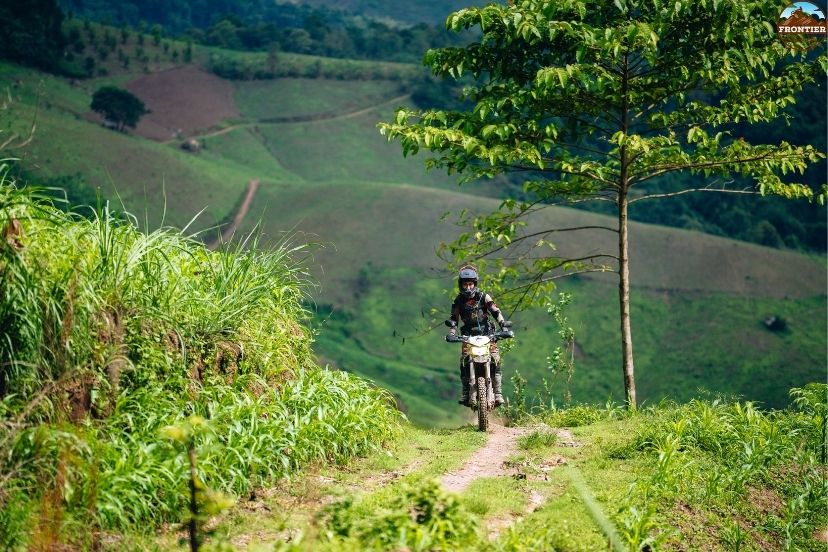
Riders taking a break on an extended mountain adventure
5.1 Classic 4-Day Ha Giang Loop with Du Gia
The most popular well-rounded route follows this sequence: Ha Giang City – Quan Ba – Yen Minh – Dong Van – Meo Vac – Du Gia – Ha Giang City. This specific 4-day schedule is highly recommended because it blends the most famous landmarks of the karst plateau with the peaceful cultural closure provided by the Du Gia Ha Giang motorbike loop detour.
5.2 Scenic Backroad Route to Du Gia
For motorists searching for a highly adventurous track, certain premium guided tours with Frontier utilize rugged backroads connecting Mau Due directly to Du Gia through lesser-known valleys and remote ethnic hamlets. This path skips the main roads entirely, maximizing your dirt time on the Du Gia Ha Giang motorbike loop detour.
5.3 Du Gia Waterfall Exploration Route
Once you arrive at your village base, short day-trip detours around the perimeter of the basin allow you to explore hidden jungle streams, suspension bridges, and elevated farming lookouts that are perfect for quiet exploration, swimming, and drone photography.
5.4 Extended Northern Vietnam Expedition
Hardcore overland travelers often combine the Du Gia Ha Giang motorbike loop detour into an expansive cross-provincial journey that connects Ha Giang with Cao Bang, Ba Be Lake, Hoang Su Phi, or the remote northern borders of Lung Cu. This creates an epic mountain expedition across the entire northern frontier of Vietnam.
6. Riding Conditions on the Du Gia Section
Before pointing your front tire toward this southern detour, it is important to understand the technical challenges you will encounter on the road.
Navigating a mixed asphalt and matrix on the way into the valley floor.
Road Feature | Condition Level | Description & Riding Tips |
Pass Elevation Changes | Moderately High | Steep climbs and tight turns down into the valley floor. |
Traffic Density | Very Low | Mostly local agricultural scooters and water buffaloes. |
Surface Matrix | Mixed Asphalt & Gravel | Some sections feature loose stone patches and potholes. |
Rainy Season Traction | Challenging | Runoff water from the hills can create slick mud layers. |
Navigating the Du Gia Ha Giang motorbike loop detour requires a calm throttle hand and consistent gear selection, especially when dealing with the rapid elevation shifts encountered along the final mountain ridge.
7. Best Time to Visit Du Gia on the Ha Giang Loop
The climate and agricultural cycles of the valley dictate the visual colors and traction levels you will encounter during your ride. Planning your trip around these seasonal shifts helps you match the conditions to your personal riding experience level.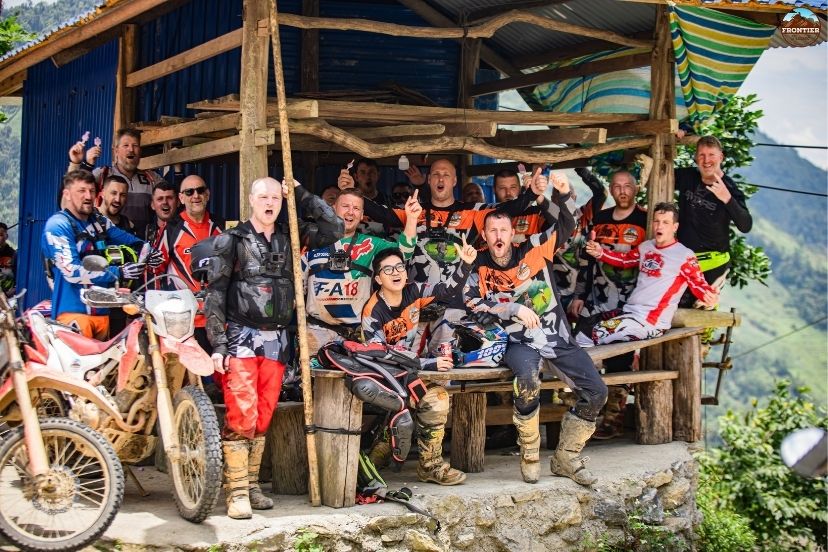
Driving through misty mountain silhouettes during the cool winter riding season.
7.1 September to November – Golden Rice Season
Autumn stands out as the premium window to book your Du Gia Ha Giang motorbike loop detour, as the terraced rice basins turn a brilliant golden yellow right before the harvest. The weather during these months is generally dry, crisp, and sunny, offering excellent visibility and predictable tire traction across all the mountain corners.
7.2 March to May – Green Countryside Season
Spring brings moderate temperatures, comfortable riding climates, and a burst of fresh plant life that covers the valley floor in a lush green carpet. The road surfaces along the Du Gia Ha Giang motorbike loop detour are highly stable during this period, making it a great window for intermediate riders looking for easy travel conditions.
7.3 Winter Cloud & Fog Season
From December to February, the winter cold drops temperatures into the single digits, causing heavy banks of fog to settle in the mountain gaps. Riding the Du Gia Ha Giang motorbike loop detour in winter requires thick insulated gear, but it rewards you with spectacular, moody landscapes where the stone peaks rise up like islands out of a sea of white fog.
7.4 June to August – Rainy Season Adventure
The summer monsoons bring heavy downpours that fill the local rivers and feed the jungle waterfalls, making the natural swimming holes look incredibly powerful. However, the wet weather makes the unpaved portions of the Du Gia Ha Giang motorbike loop detour quite slippery, requiring confident bike handling and high ground clearance.
8. Accommodation & Local Experiences in Du Gia
Lodging in this remote valley is defined by authentic local hospitality that places you directly in the center of traditional mountain life. The lack of large commercial hotels ensures that your stay remains cozy, intimate, and deeply memorable.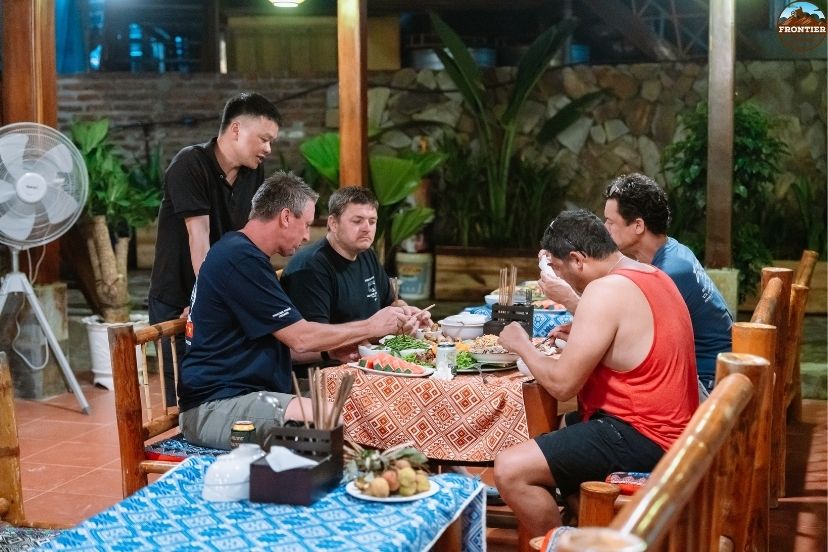
A traditional family-run wooden stilt house offering authentic local hospitality.
8.1 Traditional Homestays
The standard accommodation option along the Du Gia Ha Giang motorbike loop detour consists of family-run stilt houses managed by the local Tay or Hmong communities. These structures feature spacious wooden sleeping quarters, mosquito netting, and large open-air decks that look out over the rice fields and mountain backdrops.
8.2 Local Mountain Cuisine
The daily food menu during your stay is freshly prepared by your host family using ingredients gathered straight from the valley. A typical dinner along the Du Gia Ha Giang motorbike loop detour includes savory grilled pork, fresh forest vegetables, sticky rice cooked in bamboo tubes, mountain soups, and a steady supply of traditional corn wine used for welcoming toasts.
8.3 Evening Social Atmosphere
The unique highlight of staying overnight in the valley is the shared family dinners organized by the homestays. Travelers from different corners of the globe sit down on woven mats alongside their local guides and host families, sharing road stories and traditional music after a long day in the saddle.
8.4 Peaceful Countryside Lifestyle
Once the sun drops behind the western mountain walls, the valley becomes incredibly quiet, with only the sounds of flowing river water and night insects filling the air. This peaceful environment provides the ultimate mental and physical recovery before you complete the final leg of your journey.
9. Essential Tips for the Du Gia Detour
To ensure your journey through this southern valley remains safe and logistically smooth, keep these practical tips in mind.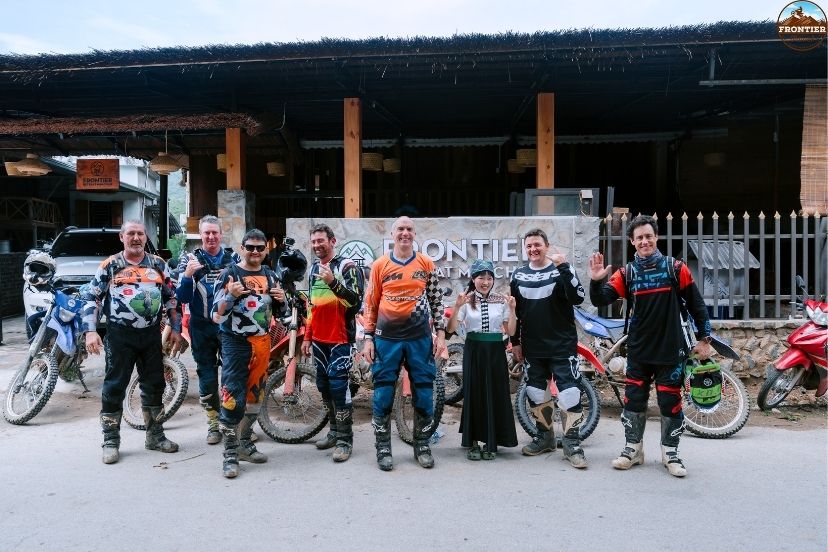
Checking your bike setup before starting an early morning ride through Du Gia.
- Add an Extra Day to Your Overall Itinerary: Do not try to rush through the Du Gia Ha Giang motorbike loop detour in a hurry. Allocate a full dedicated overnight stay in the village so you can explore the waterfalls and valley paths without time stress.
- Prepare for Highly Limited Services: ATMs, commercial fuel stations, and advanced motorcycle repair shops are rare within this remote territory. Ensure your wallet has enough local cash and your fuel tank is completely topped off before exiting Meo Vac or Mau Due.
- Start Riding Early Each Morning: Clear morning conditions offer the safest visibility parameters for tackling the winding passes. Leaving early also ensures you reach the waterfall swimming holes before the midday sun peaks.
10. FAQs – Du Gia Ha Giang Motorbike Loop Detour
Reviewing the most common questions asked by international motorists helps clarify your expectations before setting out. These direct answers cover the core operational details of navigating the southern valley.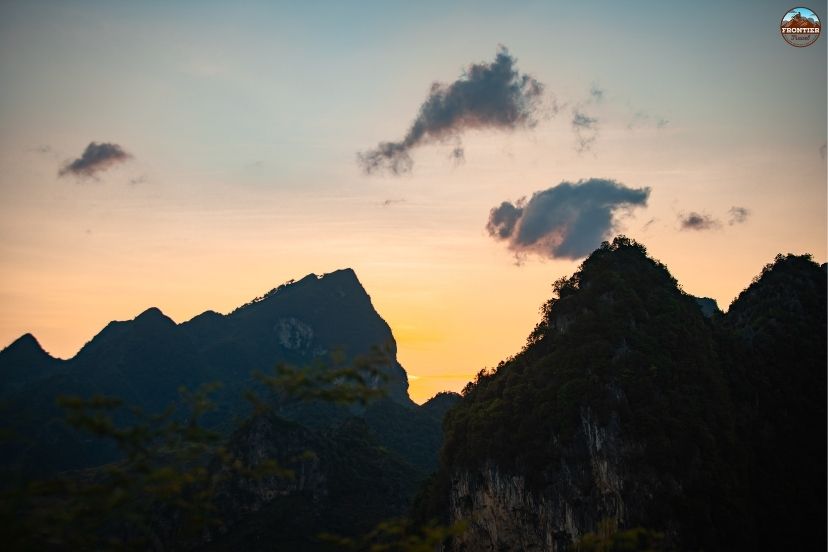
Finding answers to route questions before exploring the remote southern valley paths.
10.1 Is Du Gia truly worth adding to the standard Ha Giang Loop?
Yes, absolutely. Most adventure travelers consider the Du Gia Ha Giang motorbike loop detour to be the most rewarding, authentic, and memorable segment of their entire journey due to its stunning scenery and uncommercialized culture.
10.2 How many extra travel days does the Du Gia route require?
Including this detour typically adds one extra day to your motorcycle itinerary compared to the classic 3-day loop, making a 4-day or 5-day trip the ideal timeframe to experience the region properly.
10.3 Is the mountain road leading into Du Gia difficult for riders?
The roads feature moderate challenges, including narrow paths, steep descents, and isolated rough patches. However, during dry weather conditions, the track is fully manageable for intermediate riders with basic motorcycle experience.
10.4 Can beginner motorcycle drivers ride to Du Gia safely?
Beginners can navigate the route if they exercise extreme caution, maintain slow speeds, and keep a close eye on the road conditions. For the safest experience, joining a guided tour or utilizing an easy rider passenger service is highly recommended.
10.5 What is Du Gia most famous for among international travelers?
The valley is celebrated for its pristine jungle swimming holes, dramatic mountain backroads, peaceful stilt-house villages, and welcoming family homestay dinners that showcase authentic highland culture.
11. Conclusion
The Du Gia Ha Giang motorbike loop detour transforms the classic northern road trip into a deeper, highly immersive, and unforgettable exploration of Vietnam’s mountain frontier. From the sweeping rice valleys and hidden jungle waterfalls to the authentic ethnic minority homes and quiet, uncrowded backroads, Du Gia offers a peaceful, deeply rewarding side of the loop that stays with travelers long after they return home.
By planning your trip carefully, respecting the local mountain terrain, and utilizing the expert field support and dual-sport machinery provided by Frontier Travel Vietnam, riders can safely step off the beaten track and unlock the raw, hidden beauty of Ha Giang’s true wilderness.