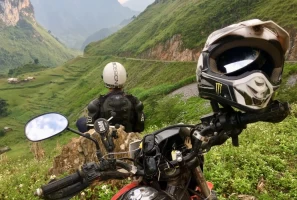
Body position motorbike riding Vietnam guide from Frontier Travel Vietnam helps riders improve balance, cornering control, and riding confidence on Vietnam’s mountain roads. From Ha Giang passes to Northwest Vietnam routes, proper riding posture can make long-distance motorbike adventures safer and more comfortable.
1. Why Body Position Motorbike Riding Vietnam Guide Skills Matter
Navigating demanding northern loops requires specialized technical mastery over your machine. Understanding exactly why body position motorbike riding Vietnam guide skills matter is the first step toward surviving unpredictable terrain. Highland routes throw a chaotic mix of steep vertical curves, sudden off-camber drops, uneven gravel, and changing tropical weather at riders.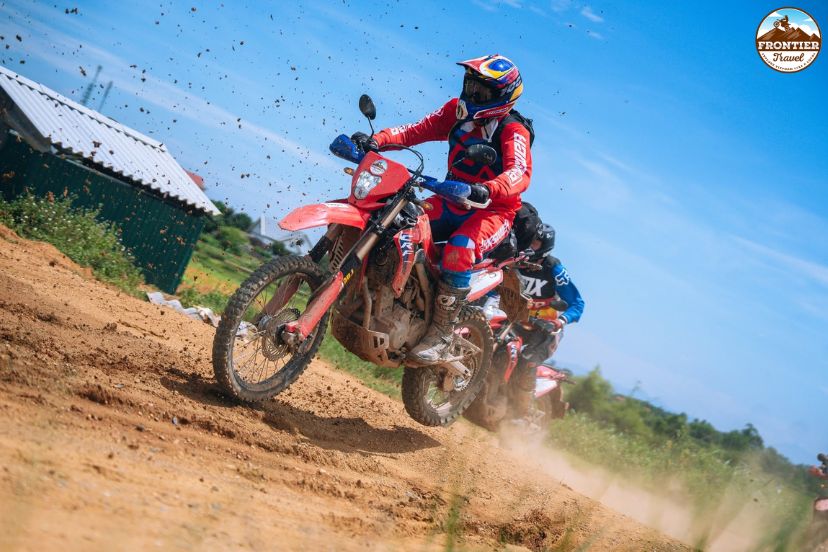
Improving stability and control on a motorbike
Maintaining an optimized, dynamic posture directly improves your overall balance and bike stability, giving you complete structural control when adapting to sudden road changes. Beyond pure machine control, proper ergonomics significantly reduce physical fatigue in your shoulders, wrists, and lower back during grueling long-distance tours. Correct body alignment naturally enhances cornering confidence by facilitating smoother, highly predictable turning control through tight mountain switchbacks.
2. Basic Body Position Motorbike Riding Vietnam Guide Techniques
At Frontier Travel Vietnam, we often find that riders focus heavily on throttle, braking, and motorcycle choice while overlooking body position. In reality, proper posture can significantly improve comfort, control, and confidence on mountain roads. Following a good body position motorbike riding Vietnam guide helps riders reduce fatigue while making every corner feel smoother and more predictable.
2.1 Eyes
Where you look has a direct impact on how the motorcycle moves. Many beginners make the mistake of staring at potholes, gravel patches, or the road immediately in front of the front wheel. Unfortunately, this often causes riders to react late and make sudden steering corrections.
Instead, train yourself to look through the corner and focus on where you want the motorcycle to go. On mountain passes filled with blind bends and switchbacks, looking further ahead allows you to spot hazards earlier, choose a smoother riding line, and enter corners with much greater confidence. This is one of the most important principles taught in any body position motorbike riding Vietnam guide.
2.2 Shoulders
When riders become nervous, their shoulders usually tense up without them realizing it. This commonly happens on steep descents, wet roads, or unfamiliar mountain passes where concentration levels naturally increase.
Relaxed shoulders allow the handlebars to move naturally and help the motorcycle maintain better balance through corners. Riders who keep their upper body loose often find that long mountain days feel significantly less tiring because they are not fighting the bike every time the road begins to twist and climb.
2.3 Elbows
Locked elbows are one of the most common habits among developing riders. While it may feel like a safer position, straight arms actually reduce steering precision and transfer every bump directly into the rider's upper body.
Keeping your elbows slightly bent creates flexibility between your body and the motorcycle. On rough pavement, broken mountain roads, or gravel sections, bent elbows absorb vibrations more effectively and allow faster steering adjustments when road conditions suddenly change.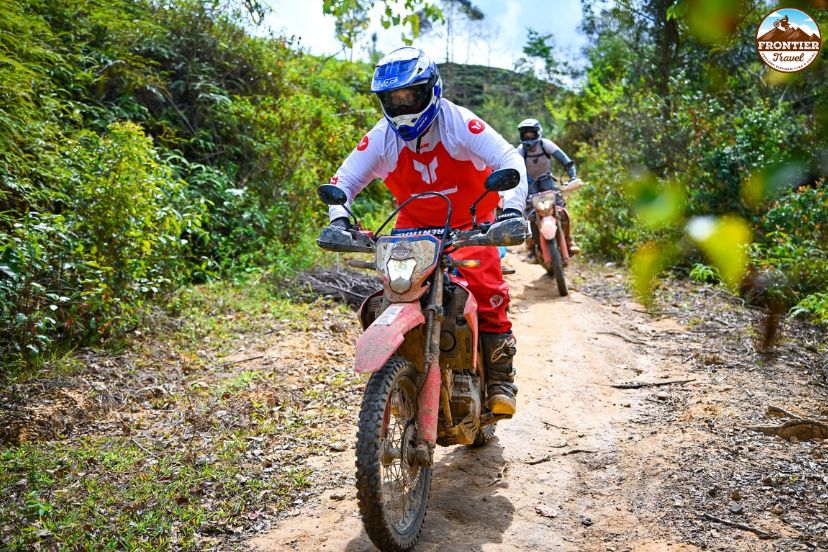
Body positioning techniques for winding road riding
2.4 Hands
Many riders grip the handlebars far harder than necessary, especially when riding downhill or approaching sharp corners. A tight grip often creates arm fatigue and makes throttle, clutch, and brake inputs less smooth throughout the day.
A light grip gives the motorcycle more freedom to move naturally underneath you while improving steering feel. Following a proper body position motorbike riding Vietnam guide means learning to control the motorcycle with precision rather than force, which becomes increasingly important during multi-day tours across Northern Vietnam.
2.5 Sitting Posture
A balanced riding position starts with how you sit on the motorcycle. Riders should remain centered on the seat with a straight but relaxed spine, allowing the body to move naturally as the terrain changes.
During long hours crossing mountain regions, small weight shifts are often enough to improve stability through corners and uneven road surfaces. Sitting too rigidly or too far back can make the motorcycle feel heavier and less responsive, especially on winding roads with continuous direction changes.
2.6 Knees
Many experienced riders rely on their knees far more than their arms when controlling the motorcycle. Lightly gripping the fuel tank creates a stronger connection with the bike and stabilizes the lower body.
This technique reduces pressure on the wrists while helping riders remain secure during downhill braking or rough road sections. As highlighted in every professional body position motorbike riding Vietnam guide, proper knee positioning improves both comfort and control throughout long touring days.
2.7 Feet Positioning
Your feet form the foundation of your riding posture and should remain balanced on the foot pegs throughout the ride. Keeping the balls of your feet on the pegs and your toes pointed inward improves stability while keeping your controls easily accessible.
Proper foot positioning becomes particularly valuable when navigating mountain switchbacks, uneven pavement, or tighter corners. Riders who develop this habit often feel more connected to the motorcycle and more confident when tackling challenging roads across Vietnam's mountain regions.
3. Body Position Motorbike Riding Vietnam Guide for Mountain Passes
Tackling the towering alpine passes of the far north requires your posture to dynamically adapt to shifting vertical gradients. Applying a disciplined body position motorbike riding Vietnam guide strategy ensures your motorcycle remains stable when gravity works against you.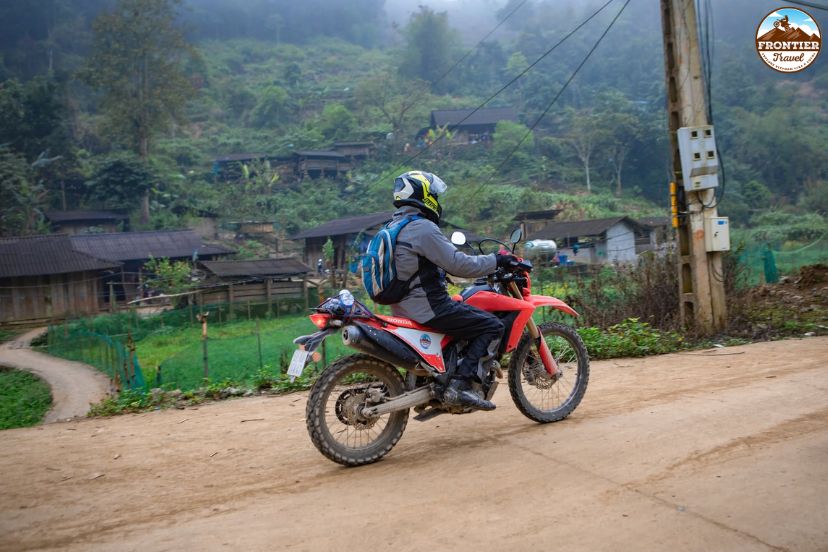
Looking through corners on Vietnam mountain passes
3.1 Riding Uphill Mountain Roads
When climbing steep inclines, riders must stay perfectly centered on the saddle while maintaining smooth, deliberate throttle inputs. Lean your upper torso slightly forward from the hips to keep weight over the front wheel, which effectively prevents the front suspension from becoming light and wandering. This optimized posture helps maintain crucial rear-wheel traction and absolute chassis stability on punishing, high-altitude gradients.
3.2 Riding Downhill Safely
Descending vertical switchbacks requires you to actively push your hips back on the seat while firmly bracing your knees against the fuel tank. This lower-body anchor absorbs the deceleration forces, preventing you from sliding forward and loading dangerous pressure onto your wrists and steering column. Maintaining this specific body position motorbike riding Vietnam guide stance allows your arms to stay relaxed, ensuring smooth engine braking management without upsetting the front fork balance.
3.3 Handling Tight Hairpin Corners
Northern mountain passes are defined by sharp, blinding switchbacks that demand immediate, highly coordinated physical adjustments. To navigate these tight 180-degree bends smoothly, look entirely through the apex to the corner exit while keeping your elbows bent and dropped. This vision control allows you to naturally guide the motorcycle along a wide, safe line well away from oncoming traffic.
3.4 Riding in Wet or Foggy Conditions
Sudden tropical downpours and thick alpine fog instantly compromise available tire traction, requiring exceptionally smooth, minimal physical movements. Keep your body completely upright and centered, avoiding aggressive leaning or sudden, jerky steering inputs that could break tire adhesion on slick asphalt. A calm, stable body position motorbike riding Vietnam guide baseline helps you feel subtle traction changes through the chassis, allowing for safe navigation through hazardous mountain weather.
4. Best Vietnam Roads to Practice Body Position Motorbike Riding Vietnam Guide Skills
The diverse topography of the northern and coastal highlands offers the perfect real-world training grounds to refine your technical posture. Practicing your body position motorbike riding Vietnam guide habits on these iconic routes will build unshakeable muscle memory.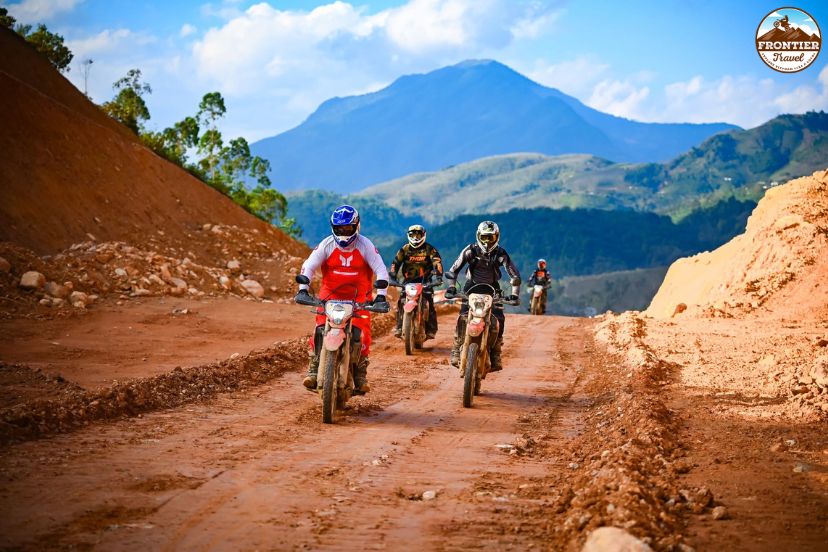
Balanced riding posture for long distance journeys
4.1 Ha Giang Loop
This legendary loop presents a grueling combination of steep mountain passes, sharp switchbacks, and unpredictable gravel surfaces on the Ha Giang Loop Motorbike Tour. Navigating this majestic karst plateau safely demands that you actively maintain proper biomechanics to handle the heavy physical strain.
- The Character: This legendary multi-day route features an endless series of technical karst plateau roads that test your physical endurance.
- Body Position Focus: Navigating these endless, tight mountain curves forces riders to master a relaxed upper body combined with a firm lower-body tank grip to fight off exhaustion.
- The Benefits: The continuous, rapid transition between radically different mountain terrains provides the ultimate real-world practice to perfect long-distance riding posture.
4.2 Ma Pi Leng Pass
As one of the most magnificent yet intimidating mountain passes in the country, this route features sheer cliffside drop-offs. Perfecting your body position motorbike riding Vietnam guide techniques here is vital to keeping your machine perfectly balanced over changing elevations.
- The Character: Cliffside curves and massive vertical elevation changes demand total focus as you ride along deep canyon drop-offs.
- Body Position Focus: Riding along these legendary sheer drops requires absolute vision control—looking completely through the corner—and smooth, progressive body weight transitions to keep the frame stable.
- The Benefits: The steep descents overlooking the Nho Que River serve as the perfect arena for mastering lower-body bracing against the tank during heavy downhill engine braking.
4.3 Tham Ma Pass
This iconic, tightly winding pass on the Ha Giang Loop Motorbike Tour features a sequence of continuous 180-degree turns that instantly test your low-speed steering control. Implementing a precise body position motorbike riding Vietnam guide posture helps you lean the bike confidently without losing your balance.
- The Character: This iconic, steep S-curve switchback provides excellent practice for low-speed balance and highly controlled leaning techniques.
- Body Position Focus: Tackling these rapid 180-degree turns demands precise counter-weighting, keeping your upper body upright while pushing the bike down, and maintaining bent elbows for quick steering inputs.
- The Benefits: The continuous climb tests your friction zone coordination while forcing you to keep your feet tucked securely on the pegs to prevent your boots from scraping.
4.4 Hai Van Pass
Sweeping coastal bends and high-quality asphalt make this highway an excellent playground for practicing fluid weight distribution. Riders can focus entirely on refining their cornering lines and smooth gear downshifts without the stress of navigating broken pavement.
- The Character: Smooth coastal pavement and sweeping, wide-open curves offer an ideal environment for building high-speed cornering confidence.
- Body Position Focus: The wide lanes and premium asphalt allow you to practice counter-steering and fluid weight distribution at touring speeds without the stress of broken terrain.
- The Benefits: It is a fantastic, low-pressure coastal highway for intermediate riders to lock in their elbow bend and refine smooth, balanced gear downshifts.
4.5 Moc Chau Mountain Roads
The wide, rolling countryside routes here offer a highly forgiving and stress-free environment for less experienced travelers. It is the perfect place to reinforce your body position motorbike riding Vietnam guide habits before entering the tighter, more intimidating alpine passes.
- The Character: Scenic, rolling tea hill roads offer highly relaxed riding conditions for novice riders looking to improve their basic posture control.
- Body Position Focus: The gentle hills and wide countryside curves provide a highly forgiving, stress-free environment to practice central sitting alignment and light knee-gripping techniques.
- The Benefits: Far away from chaotic urban traffic, these smooth routes allow beginners to comfortably build confidence in their hand grip and eye coordination before entering tighter alpine passes.
5. Common Body Position Motorbike Riding Vietnam Guide Mistakes
Even experienced riders can fall into bad habits that compromise their safety when tackling unpredictable highland terrain. Failing to implement a disciplined body position motorbike riding Vietnam guide baseline increases your vulnerability to sudden road hazards, making active self-correction vital before entering technical mountain sections.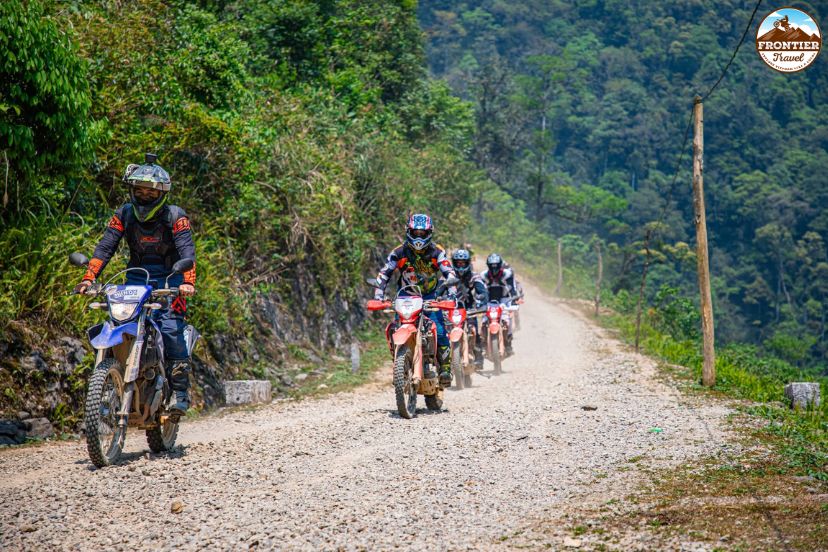
Motorbike rider demonstrating cornering body technique
- Locking the Arms Too Tightly: Stiffening your elbows out of anxiety locks up the front steering column, reducing flexibility and accelerating rider fatigue.
- Looking Down Instead of Ahead: Focusing too closely on the road right in front of your fender destroys spatial awareness and smooth turning control.
- Leaning Too Aggressively Into Corners: Sudden, jerky leaning movements can instantly overload your suspension and break tire traction on uneven mountain roads.
- Sitting Too Far Back or Forward: Incorrect seating placement shifts your center of gravity awkwardly, making braking, cornering, and overall balance highly erratic.
6. Body Position Motorbike Riding Vietnam Guide Based on Different Motorbike Types
Different motorcycle designs require specific physical adjustments to maximize their unique handling characteristics across the northern loops. At Frontier, we believe adapting your body position motorbike riding Vietnam guide strategy to your specific rental bike ensures optimal control over rugged terrain.
6.1 Honda CRF300L Newest Version
The modern ergonomics of the Honda CRF300L allow for an upright, relaxed posture on mountain roads. Riders should keep elbows bent and stand lightly on the pegs when traversing rough, unpaved sections. Its lightweight frame makes it easy to shift body weight smoothly through tight corners, and utilizing a proper body position motorbike riding Vietnam guide setup maximizes agility.
6.2 Yamaha WR250R
The Yamaha WR250R is engineered for active body movement and technical off-road control. We advise maintaining a centered standing posture when navigating rocky paths or loose gravel. Keeping your knees gripping the narrow tank improves balance on steep climbs. Practicing your body position motorbike riding Vietnam guide habits on this bike prevents the front wheel from lifting on inclines.
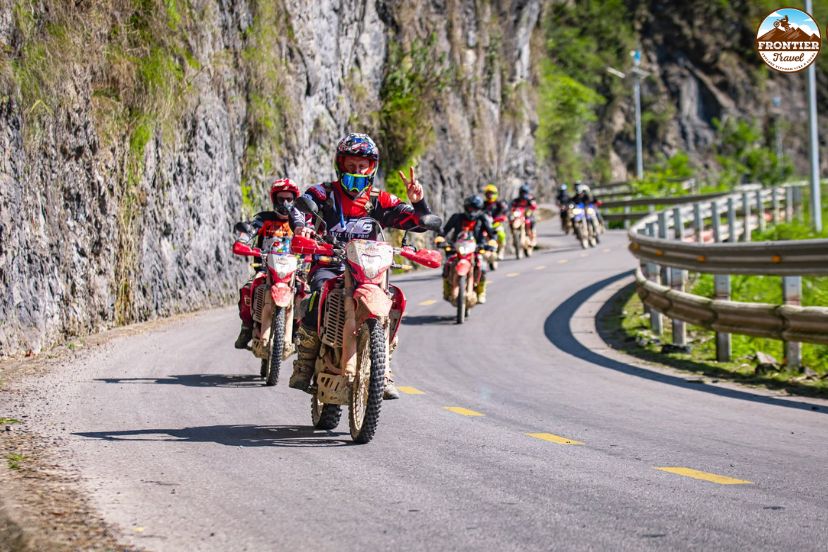
Proper body position for safe motorbike control
6.3 Kawasaki KLX
The Kawasaki KLX works exceptionally well with a neutral posture designed for mixed on-and-off-road conditions. Riders should avoid aggressive leaning and focus on executing smooth body transitions through corners. Maintaining relaxed shoulders and proper foot positioning improves stability, making it easy to lock down your body position motorbike riding Vietnam guide drills.
6.4 Yamaha Tenere 700 and Honda Transalp 750
Larger adventure bikes require smoother movements and precise weight distribution due to their mass. The team at Frontier Travel Vietnam emphasizes keeping your upper body relaxed while maintaining stronger lower-body tank support. Because these machines are heavier, maintaining a correct body position motorbike riding Vietnam guide stance is vital during slow-speed turns and standing over rough terrain.
7. What Riders Should Prepare Before Vietnam Mountain Riding
Before embarking on a challenging journey through the highlands, physical and material preparation is essential. At Frontier, we always emphasize that proper preparation directly influences your ability to execute correct physical techniques on the road.
- Wear Comfortable Riding Gear: High-quality jackets, flexible gloves, and sturdy boots protect you from weather shifts while allowing your joints to move freely for optimal control.
- Choose the Right Motorbike: Selecting a lightweight dual-sport bike helps you manage your balance and adjust your body position motorbike riding Vietnam guide alignment much more naturally than a heavy street bike.
- Practice Before Long-Distance Tours: Beginners should actively build their confidence on short, winding routes before attempting the highly technical loops of the far north.
- Improve Riding Endurance and Fitness: Developing your core strength and cardiovascular endurance helps you maintain a solid posture without collapsing into fatigue during exhausting riding days.
Improve your body position motorbike riding Vietnam guide skills with Frontier Travel Vietnam and enjoy safer, smoother mountain road adventures across Northern Vietnam. Reach out to our team today to lock in your expert-led expedition!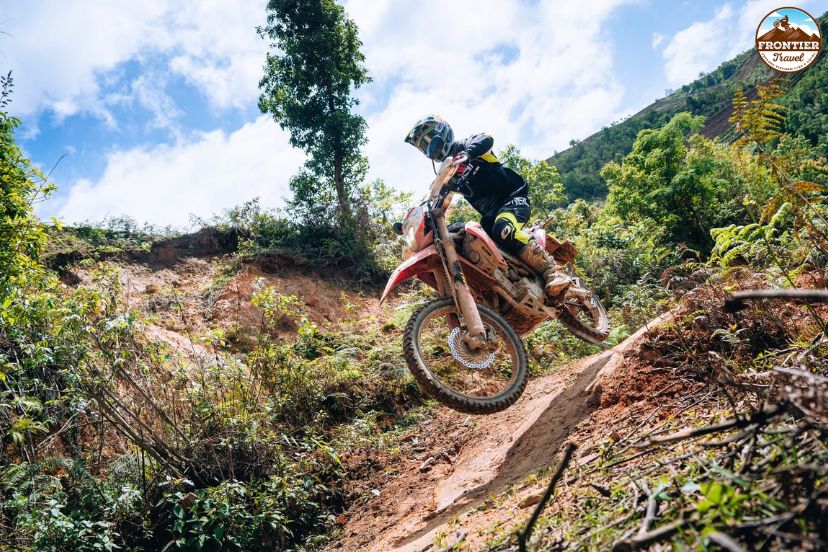
Correct riding posture on Vietnam mountain roads
8. Frequently Asked Questions About Body Position Motorbike Riding Vietnam Guide
Mastering your interface with the motorcycle takes time. Here are the most common questions we receive at Frontier regarding physical adjustments on the road.
8.1 Why Is Body Position Important for Vietnam Mountain Roads?
Proper posture is critical because it directly maximizes balance, chassis stability, and cornering control on difficult terrain. It ensures your motorcycle absorbs sudden surface changes smoothly without unsettling your line through blind mountain switchbacks.
8.2 Can Beginners Learn Good Riding Posture Quickly?
Yes, basic posture improvements can be learned fast through targeted drills and real-world experience. Adopting a proper body position motorbike riding Vietnam guide approach early ensures you never develop dangerous, stiff-armed habits.
8.3 Does Riding Posture Reduce Fatigue?
Yes, distributing weight through your lower body dramatically reduces physical strain on your wrists, shoulders, and lower back. This ergonomic alignment preserves your energy, keeping you completely sharp during multi-day, long-distance tours.
9. Conclusion
Body position motorbike riding Vietnam guide techniques are the ultimate key to conquering the north's most challenging loops with total confidence. At Frontier Travel Vietnam, we combine expert route coaching with top-tier bike setups to help you lock in perfect posture and ride like a professional. Contact us today to book your next mountain expedition and experience the freedom of the open road safely!