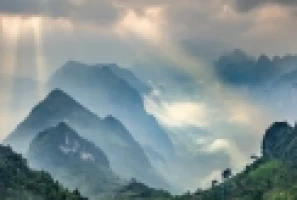
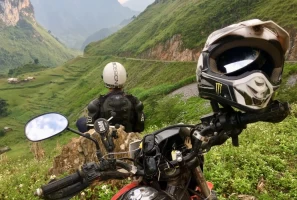
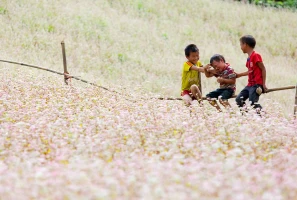
Choosing the best time for north vietnam motorbike tour is a balancing act between navigating treacherous mountain passes and witnessing the region's most breathtaking natural spectacles. From the emerald rice terraces of late summer to the ethereal cherry blossoms of early spring, each season offers a completely different rhythm on the road. To ensure your 2026 adventure aligns with perfect riding conditions and peak scenery, Frontier Travel Vietnam provides this expert seasonal breakdown to help you time your journey across the roof of Vietnam to perfection.
1. The Golden Windows: An Overview of Northern Climate
The Northern climate is a complex beast, dictated by a four season cycle that differs vastly from the tropical south. For most riders, the two Sweet Spots of Spring (March to April) and Autumn (September to November) are the undisputed champions for North Vietnam motorbike tours because they offer the most stable atmospheric conditions. During these windows, you are less likely to be grounded by torrential rain or dangerously thick fog, allowing for consistent daily mileage and clear vistas.
However, understanding microclimates is a vital skill for any rider venturing into the highlands. It is a common phenomenon for it to be sunny and 25°C in Hanoi while simultaneously being 5°C and shrouded in mist on the high peaks of Ha Giang. Observations on 2026 forecast trends suggest shifting weather patterns with slightly later monsoons, meaning riders must remain flexible.
The success of your trip often hinges on the narrow margin between a dry trail and a mud bath. Selecting the best time for North Vietnam motorbike tour ensures that the technical sections of your route remain rideable and enjoyable. This strategic planning allows you to focus on the skill of the ride rather than just surviving the elements.
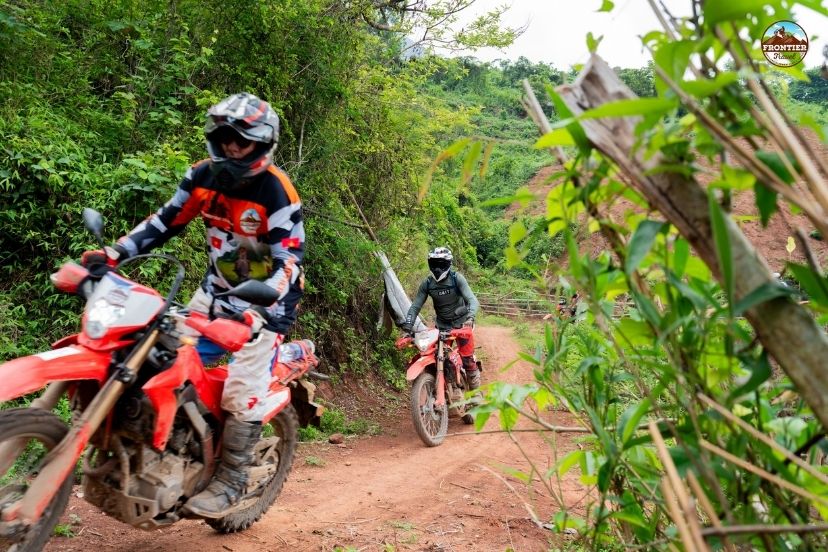
Best time for North Vietnam motorbike tour depends on weather and skill
2. Spring (March to May): The Season of Rebirth
Spring in the North is a visual masterpiece where the landscape sheds its winter gray for a vibrant palette of white and pink. This season offers a unique sense of renewal as the mountains wake up from their cold slumber.
2.1 The Scenery: Cherry blossoms, plum flowers, and the vibrant green of new corn crops
The landscape is draped in an ethereal glow, with white plum blossoms and pink cherry flowers covering the limestone valleys. As the new corn crops begin to sprout, the hillsides transform into a patchwork of bright greens that contrast beautifully with the dark mountain rock.
2.2 Riding Conditions: Clearing mists, moderate temperatures, and dry tracks
Riding conditions during this period are generally excellent, characterized by moderate temperatures that prevent rider fatigue. The tracks are mostly dry, making this an ideal time for both on road touring and light off road exploration without the intense heat of summer.
2.3 Cultural Highlights: Post Tet festivals in ethnic villages
Spring is the peak season for traditional festivals across ethnic minority communities. These post Tet celebrations provide a rich cultural backdrop to your journey, offering a chance to witness traditional games, music, and colorful costumes in their natural setting.
2.4 The Frontier Pro Tip: Watch out for the fine drizzle (mua phun) in March
Riders must be cautious of the fine drizzle in early March, which can make limestone roads unexpectedly slippery. While it isn't heavy rain, it creates a thin film of moisture that requires a gentle touch on the brakes and a steady hand on the throttle.
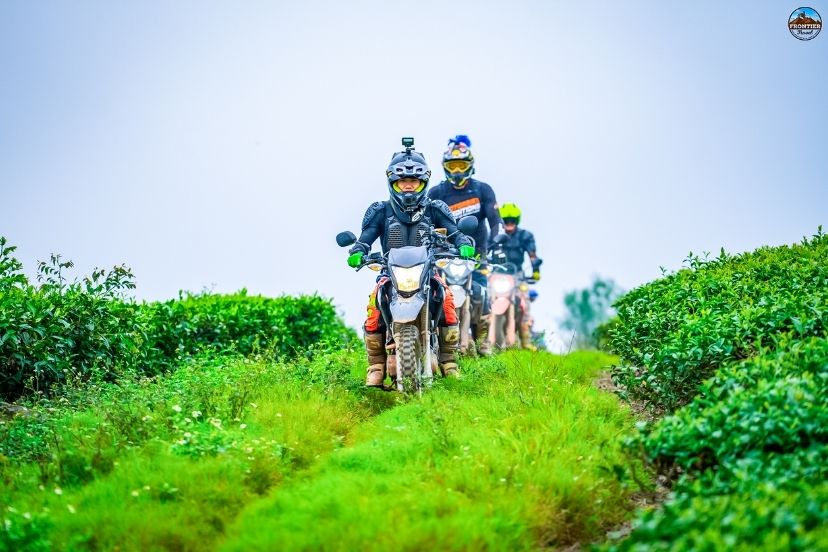
Spring blossoms create a stunning mountain ride backdrop
3. Summer (June to August): The High Risk High Reward Season
Summer is perhaps the most dramatic period to witness the highlands, but it comes with a significant technical price tag for the rider.
3.1 The Visuals: The Water Pouring season (Mua nuoc do) with giant mirrors
The terraced fields are flooded in preparation for planting, turning the mountains into giant, cascading mirrors that reflect the dramatic summer sky. This creates some of the most surreal and iconic photography opportunities in all of Southeast Asia.
3.2 The Challenge: Intense heat followed by sudden heavy monsoons
The primary obstacle is the intense heat, with temperatures often reaching up to 38°C in the valleys. This is frequently followed by sudden, heavy monsoon rains that can turn a dry track into a technical mud challenge in a matter of minutes.
3.3 The Risk Factor: Flash floods and landslides requiring professional guidance
The risk factor is at its highest due to flash floods and landslides that can block major passes unexpectedly. Professional guidance from Frontier is crucial during these months to ensure safety and to have the local intel needed to reroute around danger zones.
3.4 The Silver Lining: Dramatic clouds and the most vivid sunsets
Despite the risks, the dramatic cloud formations after a storm provide a spectacular visual reward on North Vietnam motorbike tours. You will witness the most vivid and fiery sunsets in the highlands, making it a favorite season for riders who crave high octane drama and vivid colors.
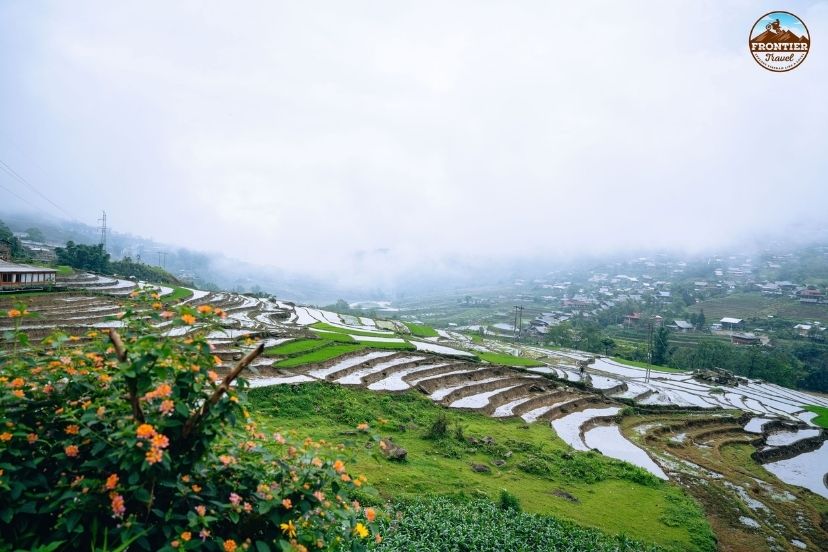
Summer storms bring dramatic clouds and muddy off-road tracks
4. Autumn (September to November): The Harvest Masterpiece
For many veterans, Autumn is the definitive best time for North Vietnam motorbike tour because of the legendary golden rice harvest.
4.1 The Iconic Golden Rice: Finding the best time for North Vietnam Motorbike Tour in Mu Cang Chai
Late September to early October is the peak of the harvest, where the terraces of Mu Cang Chai and Hoang Su Phi turn into waves of solid gold. This is widely considered the most beautiful landscape in Vietnam and is a bucket list experience for global riders.
4.2 The Climate: Crisp, cool air and the clearest blue skies of the year
The climate transforms into crisp, cool air with the clearest blue skies you will see all year. These conditions are perfect for long distance touring as they offer maximum visibility and keep the engine running at optimal temperatures without overheating.
4.3 The Buckwheat Flower Season: October and November in Ha Giang
As the rice harvest ends, the Buckwheat Flower season (Mua hoa tam giác mạch) begins on the rocky plateau of Ha Giang. The fields are painted in shades of purple and white, adding a soft beauty to the rugged limestone landscape.
4.4 Traffic Note: How to find quiet trails during the busiest season
While this is the busiest season for tourism, Frontier utilizes its network of quiet back trails to ensure our riders avoid the crowds. We know how to navigate away from the tourist convoys so you can enjoy the golden harvest in peace.
5. Winter (December to February): The Edge of Endurance
Winter is a season reserved for those who enjoy the edge of endurance and the stark beauty of a dormant, quiet landscape.
5.1 The Cold Reality: Temperatures dropping to 0°C and possible snow
The cold reality involves temperatures dropping to 0°C or below, with the rare but magical possibility of snow in Sapa. This season strips the landscape down to its rawest form, offering a unique perspective on the power of the mountains.
5.2 The Cloud Hunting Season: Riding above the mist layers for surreal views
This is the premier Cloud Hunting season, where riders can climb above the thick mist layers to find themselves looking down on a sea of white clouds. It is an ethereal experience that makes you feel like you are riding on the roof of the world.
5.3 Gear Requirements: Technical layers and heated grips for survival
To survive a Northern winter, your gear must be top notch. You will need high quality thermal layers and windproof outer shells. Frontier bikes can be equipped with heated grips to help you maintain dexterity in your fingers during the freezing mountain descents.
5.4 The Quiet Beauty: Exploring the frontier without the crowds
The biggest reward of winter riding is the solitude. You will have the trails and the homestays almost entirely to yourself, allowing for a deeper and more introspective connection with the landscape and the local people you meet.
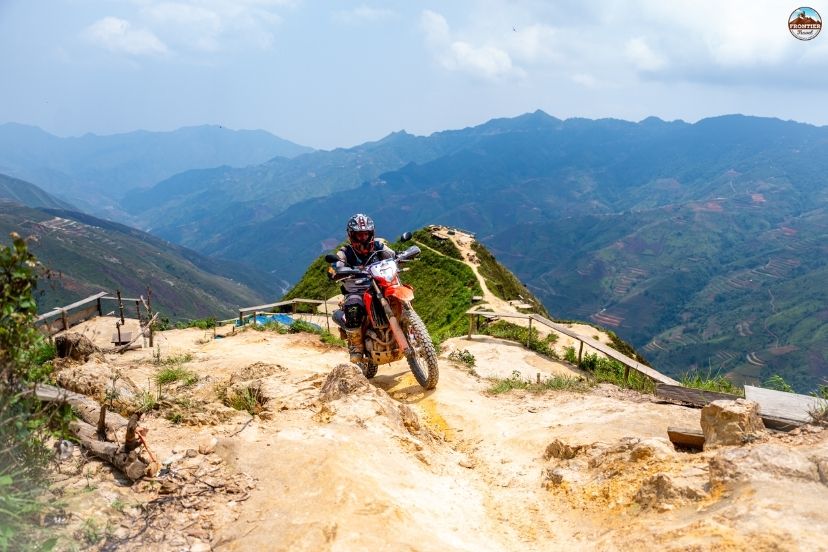
Cloud hunting above the mist is a winter highlight for riders
6. Regional Specifics: When to Go Where?
Navigating the North requires an understanding of the subtle regional timing differences between the East and the West to maximize your experience.
6. Regional Specifics: When to Go Where?
Navigating the Northern frontier requires a strategic understanding of regional micro-climates. Because the topography shifts dramatically from the jagged limestone karsts of the East to the towering Hoang Lien Son peaks of the West, timing is everything when planning your expedition.
6.1 The Northeast vs. Northwest: Elevational Contrasts
The Northeast, encompassing areas like Cao Bang, Lang Son, and the lower reaches of Ha Giang, generally sits at a lower average elevation. This makes the region slightly warmer and more humid. In the Northeast, the "Golden Window" for riding is often early Spring (March and April) when the humidity is manageable and the landscapes are lush. During this time, the trails are firm and the river crossings are at safe, predictable levels.
In contrast, the Northwest peaks around Sapa, Mu Cang Chai, and Lai Chau are home to the highest mountains in Indochina. These regions are significantly colder and more volatile. During the winter months from December to February, these peaks can experience frost or even rare snowfall, making technical riding on mountain passes extremely treacherous. However, the Northwest offers its greatest reward in September and October.
6.2 Coastal Routes and Tropical Storm Management
Routes that touch the coast, such as the passages through Ha Long Bay, Cat Ba Island, or the border gates of Lang Son, must be timed to avoid the peak typhoon season. This window typically opens in July and extends through August, bringing heavy rainfall that can lead to landslides on mountain roads and the cancellation of ferry crossings.
Choosing the best time for North Vietnam motorbike tour often involves balancing these regional variations. If your heart is set on the technical border trails of the East, a late Spring departure is ideal. If you are chasing the high-altitude vistas of the West, the Autumn harvest window is unbeatable. Our team monitors these seasonal shifts meticulously to ensure your 2026 itinerary avoids the mud and maximizes the views.
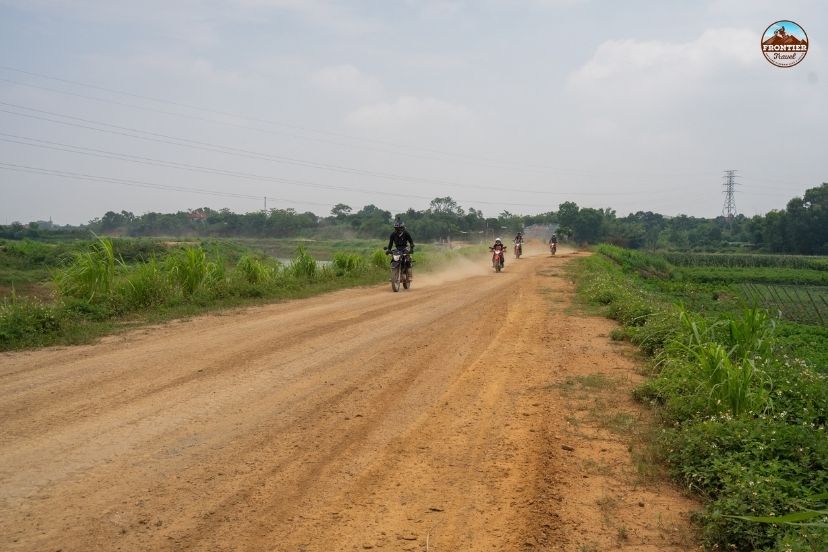
Regional weather shapes the best motorcycle tour route
7. Frequently asked questions regarding the best time for North Vietnam motorbike tour
Planning a 2026 expedition requires clear answers to the practical realities of the Vietnamese road. Understanding the seasonal nuances helps you prepare for every twist and turn.
7.1 Can I ride in the rainy season?
You can certainly ride in the rainy season, provided you have the right tires and a flexible schedule. While the rain can be intense, it often comes in short bursts rather than lasting all day. Having a Frontier guide is essential here to navigate around areas prone to landslides and to manage the slick mud on the backroads.
7.2 When is the best time for off-roading?
The dry winter months are technically the best for off-roading because the ground is firm and offers maximum traction. If you are looking for the best time for North Vietnam motorbike tour with a focus on dirt mastery, the window from November to February provides the most predictable grip on technical limestone and clay tracks.
7.3 Is Tet (Lunar New Year) a good time to tour?
Tet is a unique time for riders as the roads are nearly empty while everyone is home with their families. However, many shops and restaurants in remote areas may be closed for several days, requiring extra logistics. We only recommend Tet tours for those who enjoy a quiet, self-sufficient pace and don't mind a bit of extra planning.
8. Conclusion
In summary, finding the best time for North Vietnam motorbike tour is about matching your personal riding style with the shifting moods of the mountains. Whether you crave the golden harvests of Autumn or the blossoming rebirth of Spring, the North never fails to deliver a world-class adventure. Frontier Travel Vietnam is ready to guide you through every twist and turn, ensuring that your timing is as precise as your cornering.