Central Vietnam motorbike tours let riders explore scenic coastal roads, mountain passes, and countryside on reliable motorbikes. Experience Hue, Hoi An, and Hai Van Pass with expert guides and safety gear. Learn top routes, riding tips, and how to plan your motorbike adventure at Frontier.
Introduction to Central Vietnam motorbike tours
Central Vietnam has a rhythm that suits riders perfectly. The region is long, narrow, and geographically dramatic, which means a single day on the road can take you from oceanfront boulevards to misty mountain roads, then down into rice fields, fishing villages, and UNESCO-recognized heritage areas. That mix is exactly why Central Vietnam motorbike tours remain a favorite for travelers who want freedom, scenery, and cultural depth in the same trip.
What makes this region especially compelling is its variety. Da Nang offers a smooth starting point with modern roads and access to beaches. Hue brings royal architecture, riverside landscapes, and slower countryside riding. Hoi An gives you a softer, more atmospheric experience with ancient streets and village loops. Farther north, Phong Nha adds a wilder edge with cave landscapes, forest roads, and long-distance riding appeal.
For many riders, the best months are the drier parts of the year, when visibility is better and road surfaces are more predictable. Even then, Central Vietnam motorbike tours require flexible planning because weather, traffic, and road conditions can change fast between coast and mountains. That is part of the adventure but only when you prepare for it correctly.
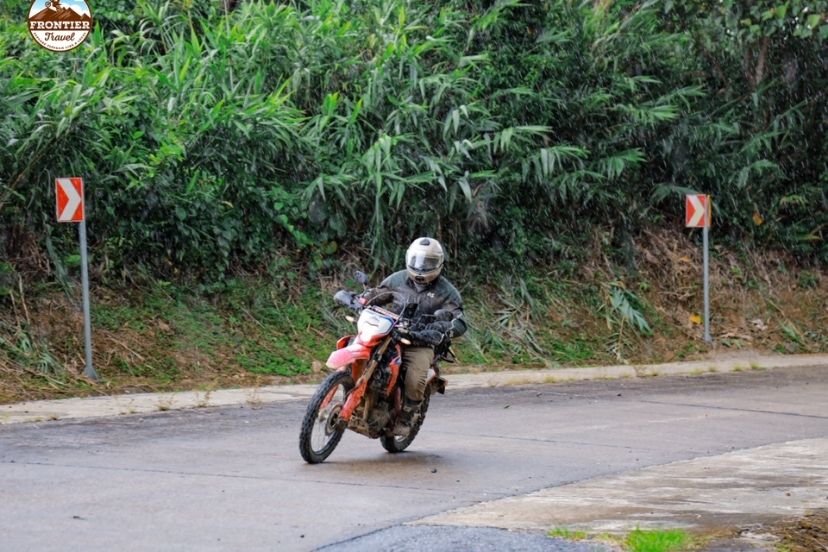
Central Vietnam offers scenic roads, culture
Must-visit destinations for motorbike riders
The beauty of Central Vietnam motorbike tours lies in how quickly the scenery changes from one destination to the next. In just a few riding days, travelers can move from dramatic coastal roads to imperial landmarks, lantern-lit towns, and rugged cave country. These destinations are not only visually rewarding but also help shape the style of your trip, whether you prefer culture, scenery, or a more adventurous ride.
Hai Van Pass – Iconic coastal ride
No discussion of Central Vietnam motorbike tours is complete without Hai Van Pass. This route is famous for its sweeping ocean views, curves, cloud-covered peaks, and that rare feeling of riding between mountain and sea at the same time. It is not the longest section in the region, but it is often the most photographed and most remembered.
The appeal of Hai Van Pass is not just visual. It also functions as a transition point between Da Nang and Hue, which makes it an ideal route for riders who want both scenery and practicality in one stretch. For first-time visitors, it helps to understand the route before riding; even a scenic road becomes demanding when weather changes. For background, see Hai Van Pass on Wikipedia.
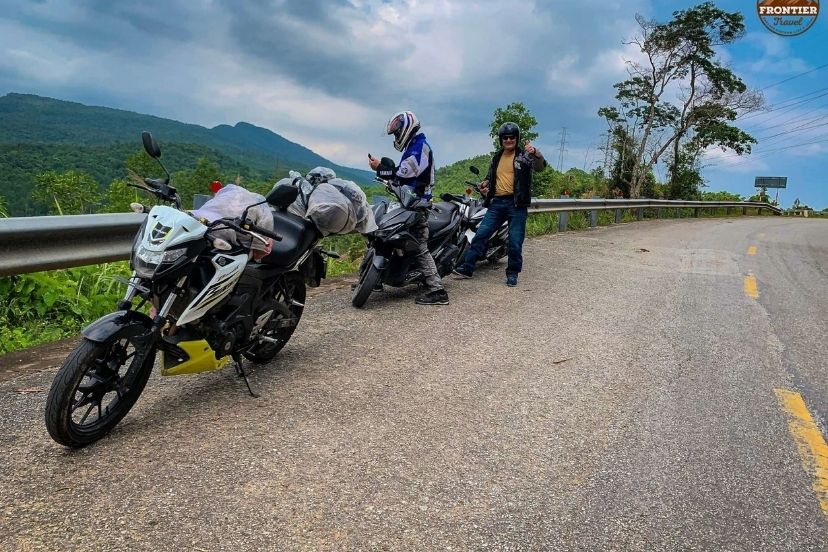
Hai Van Pass combines ocean views, mountain roads
Hue – Imperial city and countryside
Hue offers a different pace. Here, Central Vietnam motorbike tours feel more historical and reflective. You ride through a landscape shaped by the Perfume River, village lanes, old tomb complexes, temple surroundings, and open rice fields. The city itself has a strong cultural identity, and the countryside around it is where the ride becomes especially beautiful.
Hue works well for riders who want more than dramatic roads. It is ideal for those who enjoy stopping often, exploring architecture, and blending scenic riding with meaningful cultural experiences. The roads around Hue can be more relaxed than major urban centers, which makes it a strong choice for intermediate riders or couples seeking a more balanced journey. You can learn more about the area’s heritage from UNESCO’s Complex of Hué Monuments.
Hoi An – Ancient town and countryside loops
Hoi An brings atmosphere. While the old town itself is best explored slowly, the surrounding countryside offers some of the most charming short loops in Central Vietnam motorbike tours. Riders can leave the busy visitor streets behind and move through quiet lanes, vegetable villages, riverbanks, and coastal edges where daily life feels close and unfiltered.
This destination is ideal for travelers who prefer scenic detours rather than pure mileage. A route around Hoi An is less about technical riding and more about mood: soft light, village scenes, local cafés, and short distances that invite spontaneity. The town’s significance is well summarized on UNESCO’s Hoi An Ancient Town page.
Da Nang – Coastal gateway and urban riding base
Da Nang is often the easiest entry point for Central Vietnam motorbike tours because it combines airport access, bike rental options, accommodation variety, and direct links to key routes. It is practical, modern, and connected. Riders can use it as a base for day rides or as a launch point for longer tours toward Hue, Hoi An, or inland roads.
Urban riding in Da Nang requires a different skill set than rural or mountain travel. Traffic flow, lane discipline, and intersection awareness matter more here. Still, the reward is convenience: good logistics, strong service infrastructure, and quick access to beaches, Marble Mountains, and the northern roads leading toward Hai Van Pass.
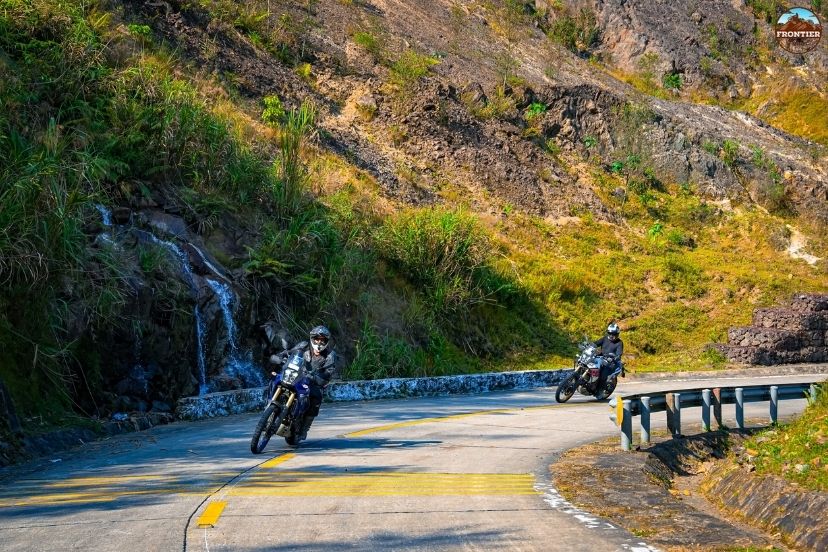
Da Nang is the perfect gateway for coastal and city riding
Epic motorbike routes in Central Vietnam
Choosing the right route is what turns a normal ride into one of the most memorable Central Vietnam motorbike tours. Some riders want the classic coastal experience, while others prefer heritage towns, highland scenery, or inland trails with fewer tourists. The routes below cover the most popular riding styles in the region and help travelers match the road to their goals.
Da Nang – Hai Van Pass – Hue
This is the classic route and often the best starting point for newcomers to Central Vietnam motorbike tours. It offers a high reward-to-distance ratio: stunning views, varied road character, and one of the most famous coastal rides in the country. Riders begin in a city environment, climb into the pass, enjoy panoramic viewpoints, and descend toward the more historical character of Hue.
This route works well as a one-day transfer ride or as part of a two-day slower itinerary. The smarter approach is to treat it as an experience, not a commute. Stop for photos, check your bike before the climb, and avoid pushing speed on blind bends.
Hue – Hoi An cultural loop
This route suits travelers who want a blend of heritage and scenery. The ride connects imperial history, countryside calm, and the warm visual identity of Hoi An. Among Central Vietnam motorbike tours, it is one of the most balanced because it offers enough road time to feel like an adventure without becoming physically exhausting.
Riders who enjoy culture, architecture, and flexible pacing will appreciate this loop. You can break the journey with food stops, village visits, or riverside detours. It is especially appealing for small groups who want a cinematic ride but not necessarily an extreme one.
Phong Nha – Central Highlands expedition
For a deeper adventure, this is where Central Vietnam motorbike tours begin to feel more expedition-like. The roads become longer, the terrain more varied, and the riding more mentally engaging. Instead of headline tourist stops every hour, you get distance, isolation, and the pleasure of sustained riding through striking geography.
This kind of route suits experienced riders best. Fuel planning, daylight management, and physical endurance matter more. But for those who enjoy serious travel on two wheels, this can become the defining section of the whole journey.
Ho Chi Minh Road and hidden inland trails
Some of the most memorable Central Vietnam motorbike tours happen away from the coast. Inland roads linked to the Ho Chi Minh Road corridor can reveal quieter landscapes, fewer tourist crowds, and more authentic village encounters. These routes are often less polished in marketing terms but richer in riding atmosphere.
They are also the routes where preparation matters most. Road surfaces can vary, services may be spread out, and navigation needs to be clearer. The reward is a stronger sense of discovery and a more personal connection to the trip.
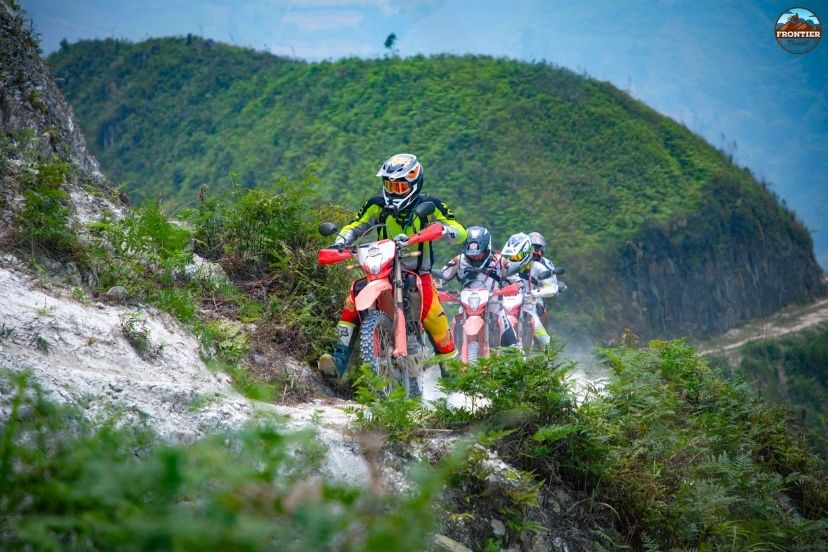
4 amazing motorbike routes in Central Vietnam
Ready to turn inspiration into an actual route?
If you are planning Central Vietnam motorbike tours for yourself, save this guide, shortlist your top two route styles, and decide early whether you want an easy coastal ride, a cultural loop, or a more rugged highland adventure. That single decision will shape the right bike, budget, and operator for your entire trip.
Choosing the right motorbike
This section matters more than many riders expect. A great route on the wrong bike becomes tiring fast. The best Central Vietnam motorbike tours match the motorcycle to the road surface, rider experience, luggage load, and daily distance.
On-road touring bikes for highways and long-distance comfort
If your route is mostly paved and includes major connecting roads between Da Nang, Hue, Hoi An, and selected inland stretches, an on-road setup is usually the better choice.
Big bikes for stability and highway cruising
Larger displacement touring or adventure-style bikes are ideal for riders who want comfort, stronger highway stability, and better overtaking confidence on open roads. Models in this category are often chosen for premium Central Vietnam motorbike tours where the goal is smooth long-distance riding rather than technical off-road exploration.
A well-set-up big bike gives you better wind protection, stronger braking, and more confidence with luggage. It is particularly useful if your route includes longer paved stretches or if you are riding with a passenger. The trade-off is weight. In dense traffic, narrow village roads, or uneven surfaces, larger bikes demand more control.
Mid-size adventure bikes for mixed paved routes
Bikes like the Honda CB500X or similar adventure-touring models sit in the sweet spot for many riders. They are more manageable than large touring machines but still comfortable enough for full-day distances. For mixed-surface but mostly paved Central Vietnam motorbike tours, this is often the smartest category.
Off-road bikes for mountain roads and rougher terrain
If your plan includes remote sections, rougher roads, gravel, broken pavement, or backcountry detours, then off-road thrills bikes become the better choice. These models are lighter, easier to recover on poor surfaces, and often better suited for the more adventurous side of Central Vietnam motorbike tours.
Honda CRF250L for serious mixed-terrain riding
The Honda CRF250L is one of the strongest choices for rugged Central Vietnam motorbike tours. It is light enough to handle uneven terrain yet capable enough for longer rides between remote areas. Its suspension, ground clearance, and off-road-friendly ergonomics make it a favorite for riders heading toward rougher inland routes.
Honda XR150L for practical adventure riding
The Honda XR150L is a more accessible option and often a very smart one. It is simpler, lighter, and easier for a wider range of riders to manage. For Central Vietnam motorbike tours that mix paved roads with occasional rough sections, it offers dependable versatility without overwhelming less experienced riders.
Best bikes for Central Vietnam motorbike tours
Choose on-road or big-bike touring models when your itinerary focuses on paved scenic roads, comfort, and longer daily distances. Choose dirt-oriented or lightweight adventure bikes when your plan includes rougher surfaces, remote detours, or more technical riding.
Essential gear and riding equipment
The best Central Vietnam motorbike tours are built on preparation. Gear is not just about safety; it affects comfort, concentration, and energy levels throughout the day. Start with a proper helmet that fits well and offers reliable protection. Add gloves, a protective jacket, long riding pants, and boots that give ankle support.
Waterproof bags matter more than many first-time riders expect. Cameras, phones, clothing, and documents should be protected without constant repacking. A compact tool kit, tire repair basics, and a portable first-aid kit can turn a stressful delay into a minor inconvenience. Always carry your identification, license documentation where applicable, and copies of booking information.
Planning and safety tips
No matter how scenic the route looks on paper, the success of Central Vietnam motorbike tours depends heavily on preparation. Road conditions, weather, traffic style, and rider ability all shape the experience. A well-planned tour feels exciting and smooth, while a poorly planned one can quickly become stressful.
Match the route to your skill level
Not all Central Vietnam motorbike tours are equally beginner-friendly. A rider who is comfortable on scooters in town may still struggle on mountain descents, wet curves, or long-distance riding days. Be honest about your skill level and choose accordingly. Coastal routes and countryside loops are usually the best starting point. High mountain or rough inland routes suit experienced riders more.
Understand road and traffic conditions
Road character changes constantly in this region. You may move from broad city roads to village lanes, then into mountain sections with sharper bends and reduced visibility. Livestock, trucks, buses, sand patches, rain runoff, and local riding behavior all affect safety. Ride defensively and assume conditions can change after every turn.
Watch weather across different micro-regions
One reason Central Vietnam motorbike tours feel dynamic is that the weather can vary significantly between coastal and mountainous areas. A clear morning near Da Nang does not guarantee dry conditions deeper inland. Check forecasts, but also build buffer time into your schedule so you do not feel forced to ride through poor visibility or heavy rain.
Start early and finish before dark
This is one of the best habits any rider can adopt. Morning departures give you better light, cooler conditions, and more flexibility if something goes wrong. Finishing before dark reduces risk dramatically, especially on unfamiliar roads.
Consider travel insurance before longer rides
Travel insurance is often overlooked, but it can be an important part of planning Central Vietnam motorbike tours. Longer routes, remote areas, and changing road conditions all increase the value of having coverage in place before you ride. A suitable policy may help with medical treatment, trip disruption, or other unexpected costs, depending on the provider and the terms included.
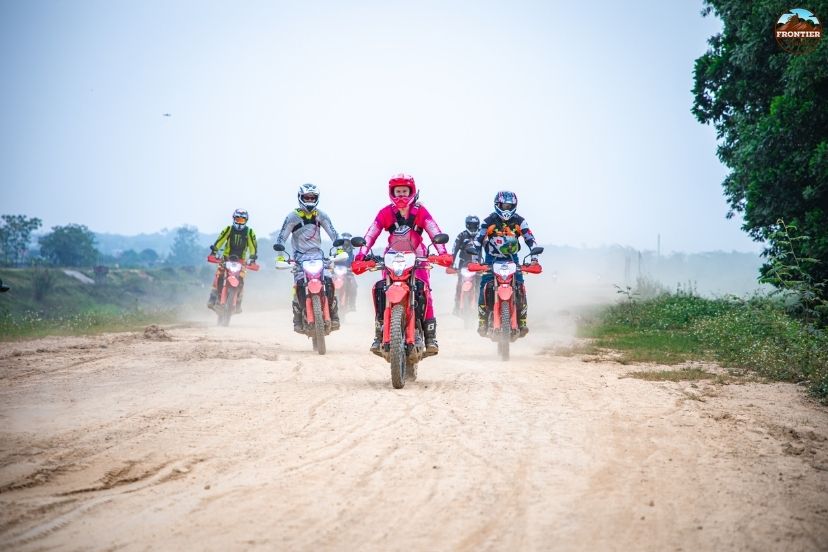
Careful planning helps riders stay safe on every route
Tour costs and what to expect
The price of Central Vietnam motorbike tours varies depending on route length, bike category, guide support, accommodation quality, and whether the trip is private or shared. A simple self-ride setup with a standard bike and basic lodging will cost much less than a guided multi-day tour using premium adventure bikes and full support services.
What you usually pay for in a strong package is not just the motorcycle. You are paying for maintenance standards, route knowledge, luggage support, local insight, emergency assistance, and the ability to focus on the experience rather than the logistics. That can be worth a great deal, especially on longer or more remote itineraries.
Optional extras may include upgraded bikes, private rooms, protective gear, photography support, airport transfers, and custom route design. If you want to save money, travel in a small group, ride outside peak holiday periods, and be realistic about how much bike you actually need.
Choosing the right motorbike tour operator
A strong operator can elevate Central Vietnam motorbike tours from good to exceptional. A weak one can create problems before the first day ends. The right choice depends on more than price.
Look closely at the condition and age of the bike fleet. Ask whether bikes are inspected before each departure and whether support is available during the ride. A professional operator should be clear about helmets, safety briefings, route flexibility, and what happens if weather or mechanical issues disrupt the plan.
Guide quality matters just as much as bike quality. The best guides do not simply lead the way. They read rider ability, adjust pace, manage safety, explain local context, and know when to stop for food, fuel, or rest. Great Central Vietnam motorbike tours feel smooth partly because someone behind the scenes is making smart decisions throughout the journey.
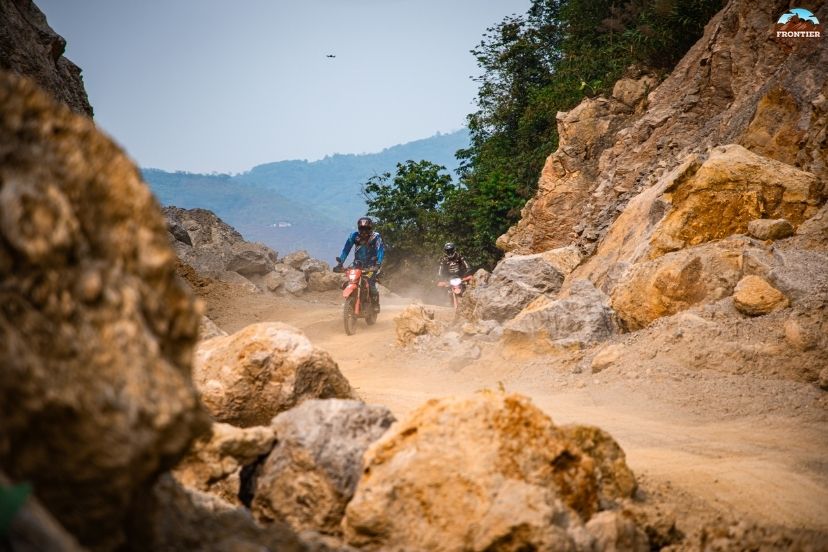
Choose a trusted operator for safety, support, and ride quality
FAQs – Central Vietnam motorbike tours
Before booking or riding, many travelers have a few practical concerns about Central Vietnam motorbike tours. These usually relate to road difficulty, rider safety, weather, and bike choice.
Are the roads difficult for beginners?
Some are, some are not. Central Vietnam motorbike tours can be beginner-friendly if you stick to easier coastal roads, shorter day rides, and well-supported itineraries. More technical mountain or remote routes are better for experienced riders.
Are self-ride tours safe?
They can be safe when riders choose suitable routes, maintain conservative speeds, use quality gear, and rent from reputable operators. Self-ride travel is best for riders who are already comfortable managing traffic, navigation, and basic road decisions independently.
What are the best months to ride?
The drier periods are generally more comfortable for visibility and road conditions, but local weather varies. Riders should always check forecasts close to departure and stay flexible, especially when combining coast and mountains.
Which bikes are best for different rider levels?
Beginners usually do better on lighter, manageable bikes. Intermediate riders often enjoy versatile mid-size adventure models. Experienced riders tackling rougher roads may prefer dirt-oriented options like the CRF250L or XR150L, while long paved touring days may suit larger adventure or big-bike setups.
Conclusion
The magic of Central Vietnam is that it gives riders several journeys in one: coast, culture, mountains, food, history, and open-road freedom. The best Central Vietnam motorbike tours are not necessarily the fastest or the most expensive. They are the ones planned with the right route, the right bike, and the right expectations.